
Smart Bands for Healthcare Solutions in the EU: 7 Critical Steps Before You Buy
November 7, 2026 · Team Star King

Smart Bands for Healthcare in the EU: 7 Critical Steps Before You Buy
When sourcing smart bands for healthcare solutions in the European Union, healthcare providers must prioritize regulatory compliance (CE marking, EU MDR, GDPR), clinical validation of biometric sensors, robust data security, and reliable OEM/ODM partnerships. This guide outlines seven critical steps—from defining use cases to verifying certifications—to help you select a supplier that meets EU standards and supports scalable deployment.
Table of Contents
Table of Contents
smart bands for healthcare: Table of Contents
- 1. Define Clinical Use Cases and Data Requirements
- 2. Understand EU Regulatory Landscape for Smart Bands
- 3. Evaluate Sensor Accuracy and Clinical Validation
- 4. Data Security and GDPR Compliance
- 5. Choose the Right OEM/ODM Model
- 6. Navigate MOQ, Cost, and Lead Time Planning
- 7. Sample Testing and Verification
- Buyer Checklist
- FAQ
Short Answer
To successfully source smart bands for healthcare in the EU, buyers should first classify the device under EU MDR (medical device vs. general wellness), then verify supplier compliance with CE marking, GDPR, and relevant standards such as ISO 13485 for quality management. Conduct hands-on sample testing for sensor accuracy and battery safety, and confirm OEM/ODM capabilities, MOQ, and lead times that align with your deployment timeline.
Key Takeaways
- Medical device classification drives compliance requirements; general wellness bands have lighter regulatory pathways.
- CE marking is mandatory for all smart bands sold in the EU, but the specific directives depend on features.
- Sensor accuracy and clinical validation are critical for healthcare use cases; demand third-party test reports.
- GDPR compliance affects data storage, transmission, and consent mechanisms in companion apps.
- OEM/ODM partnerships should be evaluated on quality management, customization flexibility, and supply chain reliability.
Key Facts for Buyers
| Consideration | Details |
|---|---|
| Regulatory pathway | EU MDR (2017/745) for medical devices; general wellness may fall outside MDR but still requires CE (RED, EMC, RoHS). |
| Quality management | ISO 13485 for medical devices; ISO 9001 for general quality. |
| Sensor validation | Request accuracy data (e.g., heart rate ±5 bpm, SpO2 ±2%) from supplier or third-party labs. |
| Data protection | GDPR compliance for any EU user data; consider data residency and encryption. |
| Battery safety | UN38.3, IEC 62133, and CE marking for lithium batteries. |
| Customization | OEM/ODM options: logo, packaging, firmware, app, and sensor configuration. |
| MOQ | Typically 500–1,000 units for OEM, lower for private label; varies by supplier. |
1. Define Clinical Use Cases and Data Requirements
Before engaging suppliers, clearly define what your healthcare solution will monitor: heart rate, blood oxygen (SpO2), sleep, activity, or more specialized metrics like ECG (if available). The intended use determines regulatory classification. For example, a smart band that simply tracks steps and heart rate for general wellness may not be a medical device under EU MDR, but one that claims to detect arrhythmias or monitor chronic conditions likely qualifies as a medical device, requiring conformity assessment.
Healthcare solution providers should document intended use, target patient population, and data accuracy requirements. This information will guide supplier discussions and ensure the selected smart bands for healthcare meet clinical needs.
2. Understand EU Regulatory Landscape for Smart Bands
The EU regulatory framework for smart bands involves several directives and regulations. All radio-enabled devices must comply with the Radio Equipment Directive (RED) 2014/53/EU, which includes essential requirements for health and safety, electromagnetic compatibility (EMC), and efficient use of spectrum. Additionally, RoHS (Restriction of Hazardous Substances) and WEEE (Waste Electrical and Electronic Equipment) directives apply. For medical claims, the Medical Device Regulation (MDR) 2017/745 imposes stricter requirements, including clinical evaluation and post-market surveillance. Buyers should verify the supplier’s technical documentation and CE certificates, and confirm which directives are covered. Note that CE marking is self-declared for some directives but may require notified body involvement for medical devices.
3. Evaluate Sensor Accuracy and Clinical Validation
Sensor accuracy is paramount for healthcare applications. Request detailed specifications and test reports for heart rate, SpO2, and other sensors. Look for validation against reference devices (e.g., ECG or pulse oximeters) in peer-reviewed studies or third-party lab reports. Be cautious of suppliers claiming medical-grade accuracy without evidence.
Consider environmental factors: motion artifacts, skin tone variation, and perfusion levels can affect optical sensors. Ask if the supplier has conducted validation across diverse populations. For clinical use, you may need to perform your own validation study to support regulatory submissions.
4. Data Security and GDPR Compliance
Smart bands for healthcare transmit sensitive personal data, making GDPR compliance non-negotiable. Ensure the supplier’s companion app and cloud infrastructure include end-to-end encryption, secure authentication, and data minimization. Clarify data storage locations—EU-based servers are preferable. The supplier should provide a Data Processing Agreement (DPA) and support your GDPR obligations, including user consent and right to erasure. Also, assess interoperability with your existing health IT systems (e.g., HL7 FHIR) for seamless integration.
5. Choose the Right OEM/ODM Model
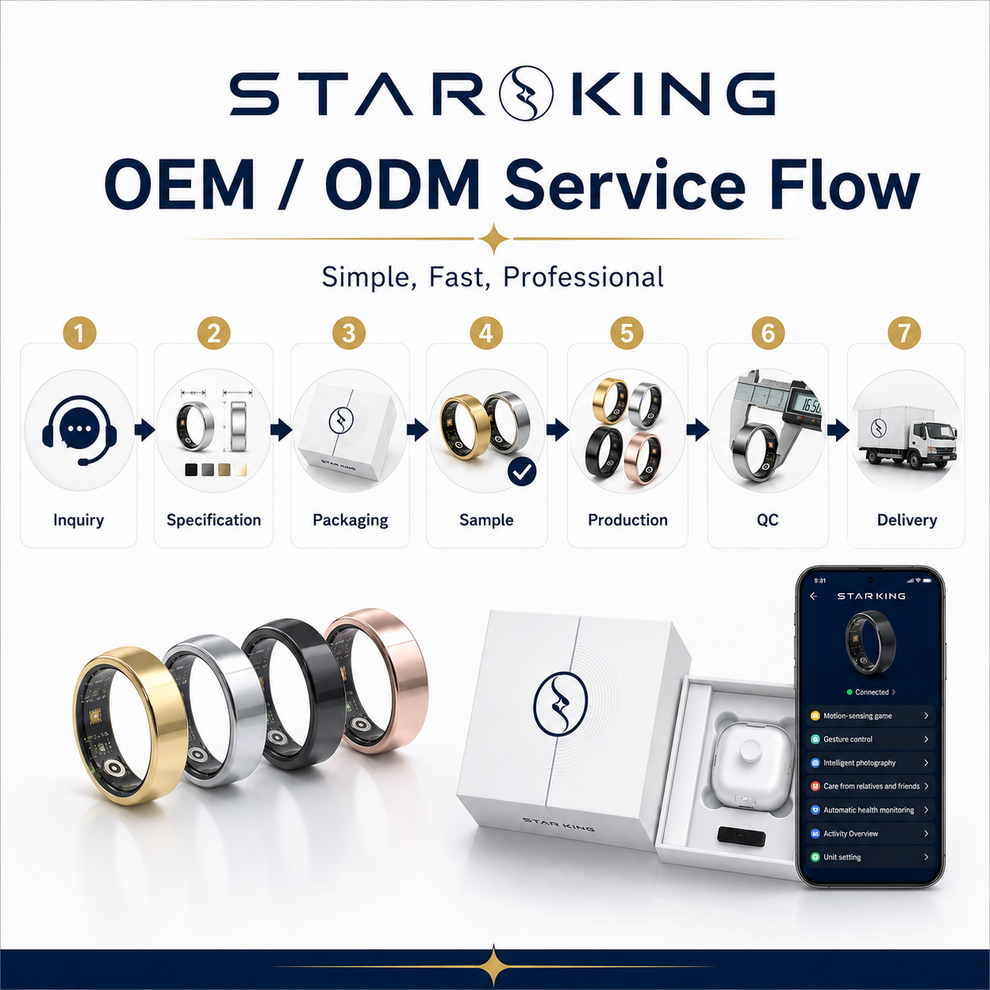
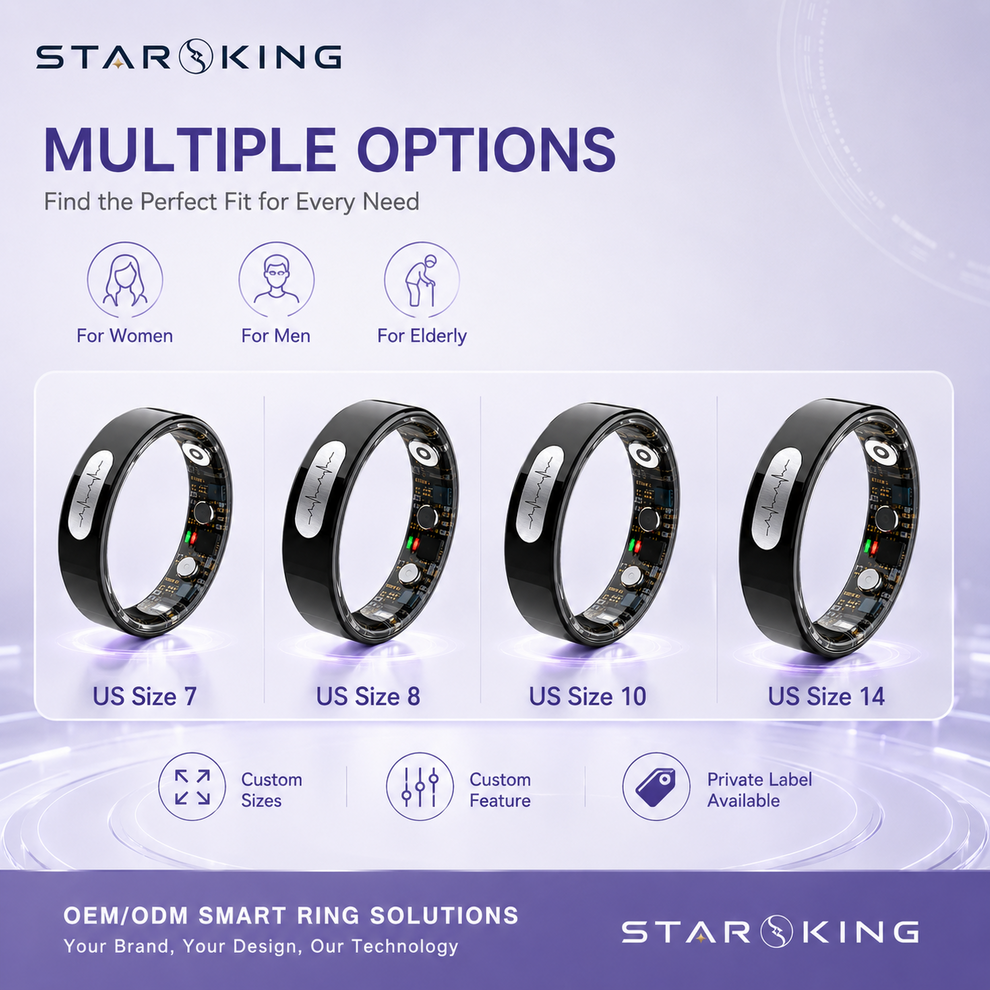
Healthcare solution providers often require customization to meet clinical workflows and branding. OEM (Original Equipment Manufacturer) allows you to rebrand a standard product with your logo and packaging, while ODM (Original Design Manufacturer) offers deeper customization, including firmware, app, and sensor configuration. Evaluate suppliers on their engineering capabilities, quality management system, and experience with healthcare clients. For EU market entry, consider a partner like STAR KING’s private label OEM/ODM solutions that can guide you through customization and compliance.
6. Navigate MOQ, Cost, and Lead Time Planning
Minimum order quantities (MOQs) for smart bands typically range from 500 to 1,000 units for OEM projects, though private label may have lower thresholds. Costs are influenced by sensor specifications, customization depth, packaging, and order volume. Request detailed quotations that break down unit price, tooling fees (if applicable), and logistics. Lead times vary from 4 to 12 weeks depending on complexity; plan for buffer time for certification and shipping. For EU buyers, factor in import duties, VAT, and potential delays due to customs clearance.
7. Sample Testing and Verification
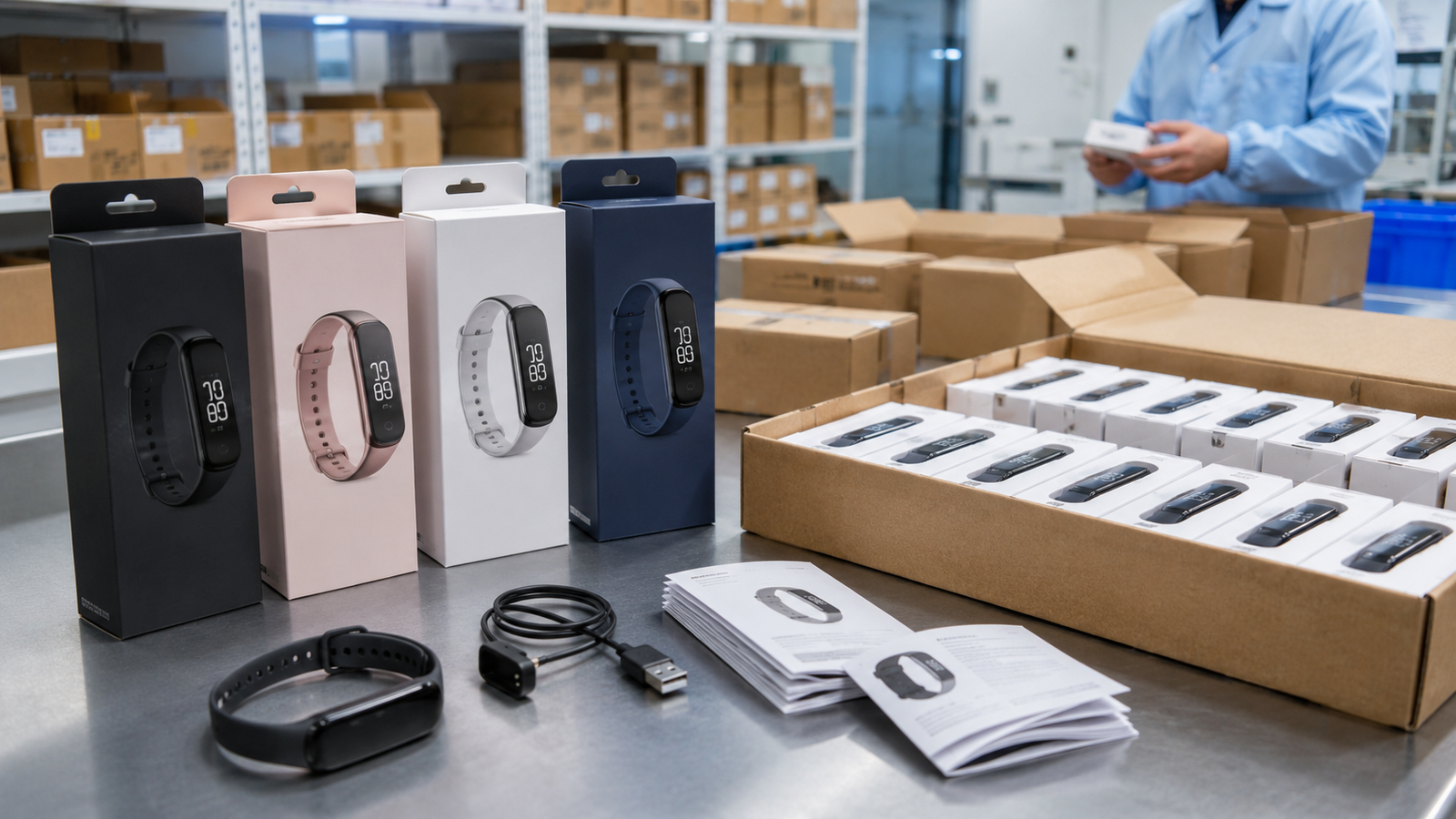
Always test samples before committing to bulk orders. Evaluate build quality, comfort, battery life, and sensor performance in real-world conditions. Verify that the sample matches specifications and that the supplier can consistently reproduce quality. Consider third-party lab testing for critical parameters. Document all test results and compare against your requirements. A structured sample evaluation process reduces risks and ensures the final product meets healthcare standards.
Buyer Checklist
- Define intended use and regulatory classification (medical device vs. general wellness).
- Verify CE marking and relevant directives (RED, RoHS, MDR if applicable).
- Request sensor accuracy reports and clinical validation data.
- Confirm GDPR compliance and data processing agreement.
- Assess OEM/ODM capabilities and quality management system (ISO 13485/9001).
- Clarify MOQ, pricing, lead times, and logistics terms.
- Conduct thorough sample testing and document results.
Common Mistakes
- Assuming all smart bands are medical devices: Many are general wellness; over-claiming can lead to regulatory issues.
- Ignoring GDPR until after development: Data protection must be designed in from the start.
- Selecting suppliers based solely on price: Low-cost suppliers may lack certifications or quality systems, risking recalls.
- Underestimating lead times: Certification and shipping can add weeks; plan accordingly.
- Failing to validate sensor accuracy: Clinical decisions rely on accurate data; demand evidence.
FAQ
What certifications are required for smart bands in the EU?
All smart bands require CE marking under the Radio Equipment Directive (RED) for wireless functionality, and RoHS for hazardous substances. If marketed as medical devices, they must comply with EU MDR 2017/745, which may require notified body assessment.
How can I verify a supplier’s ISO 13485 certification?
Request a copy of the certificate and check the issuing body’s accreditation. You can also ask for audit reports or contact the certification body directly to confirm validity.
What is the typical MOQ for OEM smart bands for healthcare?
MOQs vary by supplier and customization level. For OEM projects with custom packaging and logo, MOQs often start at 500–1,000 units. Private label may have lower MOQs. Discuss with suppliers to find flexibility.
How do I ensure GDPR compliance with smart bands?
Work with suppliers who provide GDPR-compliant apps, offer data processing agreements, and store data in the EU. Ensure user consent mechanisms and data encryption are in place.
Can smart bands be used for remote patient monitoring?
Yes, but the device must meet regulatory requirements for its intended use. For remote monitoring, it may need to be classified as a medical device under EU MDR, requiring clinical validation and CE marking with notified body involvement.
What is the lead time for custom smart bands?
Lead times typically range from 4 to 12 weeks after sample approval, depending on customization complexity and order volume. Factor in additional time for certification and shipping to the EU.
Conclusion
Sourcing smart bands for healthcare in the EU demands careful attention to regulatory compliance, data security, and supplier reliability. By following the seven steps outlined, healthcare solution providers can mitigate risks and build a successful wearable program. Partnering with an experienced OEM/ODM manufacturer like STAR KING can streamline the process, from customization to certification support. For a deeper dive into smart band technology, explore our smart bands product page.
Request Samples for Your Healthcare Solution
Ready to evaluate smart bands for your EU healthcare project? Request product samples to test sensor accuracy, build quality, and customization options. Our team will guide you through compliance and OEM/ODM requirements.
Useful Official References for Buyers
- FCC equipment authorization guidance
- European Commission CE marking information
- Bluetooth SIG specifications
Discuss Your Smart Wearable OEM/ODM Project
Planning a smart ring, smart watch, smart band, AI glasses, AI translator, or AI voice mouse project? Contact STAR KING to discuss product positioning, sample testing, customization scope, certification requirements, lead time, and quotation details.

Team Star King

Scan WhatsApp QR code
Leave a Reply