
AI Voice Mouse Supplier Selection in the Middle East: 7 Proven Steps for Distributors in 2026
October 8, 2026 · Team Star King
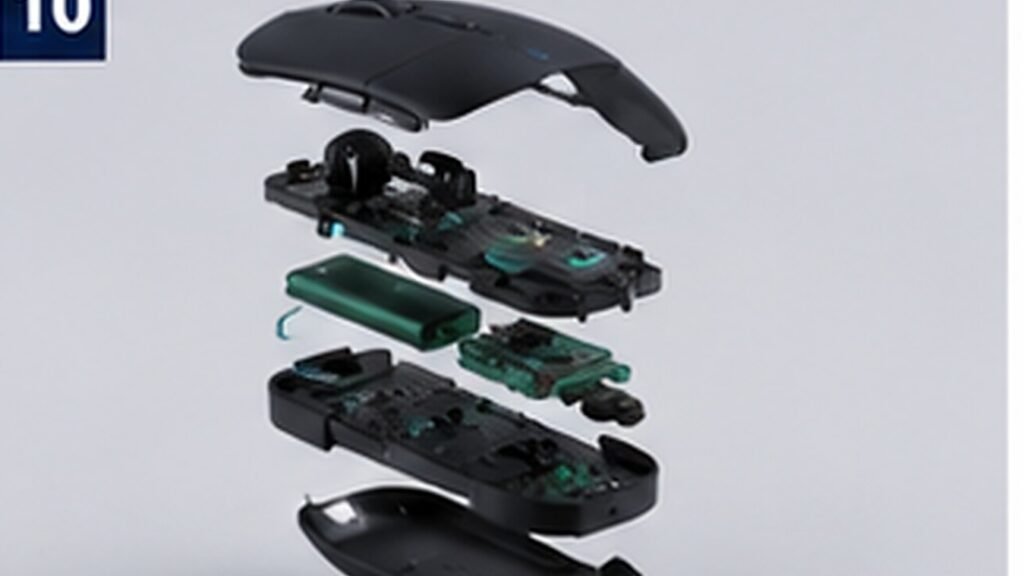
AI Voice Mouse Supplier Selection in the Middle East: 7 Proven Steps for Distributors in 2026
To select a reliable AI voice mouse supplier for the Middle East market, distributors should verify six core areas before committing to a purchase order: manufacturing capability for voice-control hardware, customization options (firmware, packaging, branding), clear MOQ and lead-time terms, compliance readiness for GCC import rules, English and Arabic language support in the device software, and documented quality-control processes. Treat past purchase history and generic catalogs as starting points, not proof. A structured seven-step evaluation reduces the risk of stock that fails in-market, avoids customs delays, and protects your margins.
Table of Contents
Table of Contents
This guide is written for importers, IT distributors, and B2B resellers targeting the Gulf, Levant, and wider Middle East. It explains what separates a strong AI voice mouse manufacturer from a trading intermediary, and how to run a supplier selection process that holds up under real commercial pressure.
Table of Contents
- Short Answer
- Key Takeaways
- Key Facts for Buyers
- What Is an AI Voice Mouse and Why It Matters to Distributors
- Middle East Market Context for Voice Control Devices
- 7 Steps to Select an AI Voice Mouse Supplier
- Comparison Table: Manufacturer vs. Trading Company
- Common Mistakes and Buyer Red Flags
- Practical Buyer Checklist
- FAQ
- Conclusion
Short Answer
Selecting an AI voice mouse supplier for the Middle East means evaluating a manufacturer on product capability, OEM/ODM flexibility, MOQ, compliance documents, quality procedures, and after-sales support. Request samples, verify certificates for your exact configuration, and confirm lead time in writing. Choosing a supplier with direct manufacturing control reduces risk compared to sourcing through intermediaries.

Key Takeaways
- An AI voice mouse combines voice input, translation, and standard cursor control, which makes software and firmware quality as important as hardware.
- Gulf markets require specific compliance attention, particularly for wireless and battery-powered devices.
- Distributors should confirm MOQ, lead time, and customization terms in a written quotation, not a chat message.
- Sample testing should cover Arabic and English voice recognition, latency, and connectivity.
- Manufacturers with in-house firmware and app development reduce the risk of unresolved bugs after launch.
- Pre-shipment inspection and documented QC steps are non-negotiable for repeat distribution.

Key Facts for Buyers
| Factor | What to Confirm | Why It Matters |
|---|---|---|
| Product Type | AI voice mouse with voice input and optional translation | Determines software complexity and support needs |
| Customization | Logo, packaging, firmware language sets | Supports private-label positioning in your market |
| MOQ | Typically 500–3,000 units for first orders | Affects cash flow and inventory risk |
| Compliance | CE/FCC/RoHS and battery documents for your configuration | Needed for customs and retail acceptance |
| Lead Time | Sample 7–15 days, mass production 20–45 days | Affects launch scheduling |
| Language Support | Arabic and English voice recognition quality | Critical for GCC usability |

What Is an AI Voice Mouse and Why It Matters to Distributors
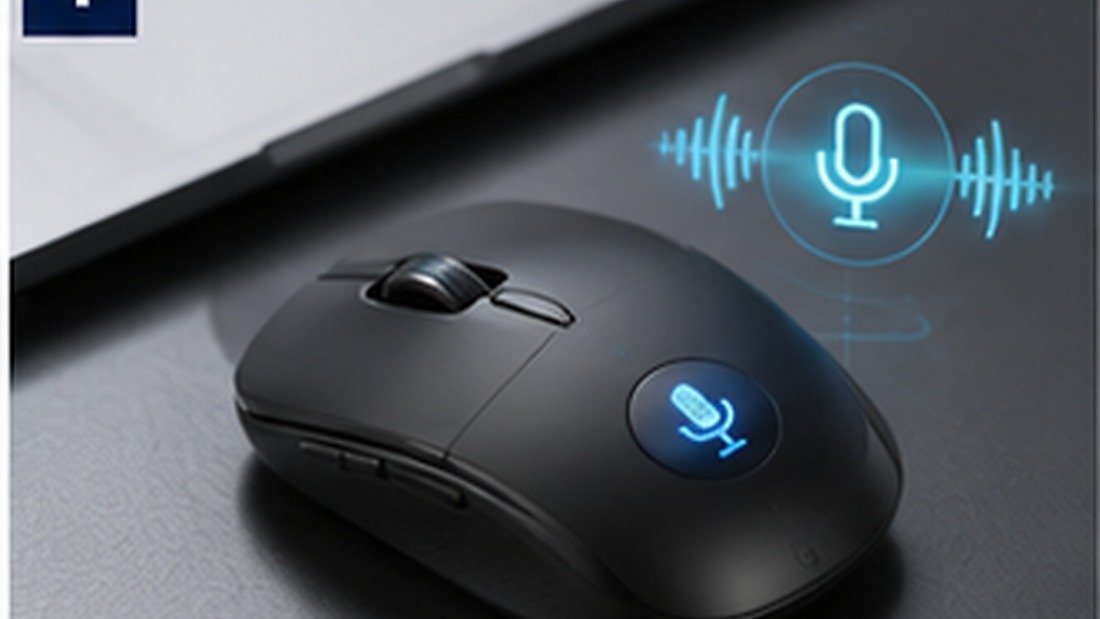
An AI voice mouse is a computer peripheral that combines conventional cursor control with a microphone and software that converts speech into text, commands, or translations. Some models add real-time translation between languages, which is relevant for office, education, and hospitality buyers in multilingual regions.
For distributors, the appeal is a differentiated product that sits between mainstream peripherals and specialized AI hardware. It can be positioned to corporate procurement, education resellers, and e-commerce channels. Because the device depends on software, the supplier’s firmware and app development capability directly affects return rates and support costs. A distributor who sells a voice-control mouse with poor Arabic recognition will absorb complaints that a manufacturer should have prevented.
Middle East Market Context for Voice Control Devices
The Middle East is not a single market. The Gulf Cooperation Council (GCC) countries, the Levant, and North Africa differ in import procedures, language mix, and channel structure. Distributors should segment their target countries before approaching a supplier.
Key considerations include bilingual usage (Arabic and English), high adoption of smart office devices in government and enterprise tenders, and growing demand for AI hardware in education. Import compliance varies: some countries require specific certification or registration for wireless and battery-powered products. Buyers should verify the exact requirements with their customs broker or a local regulatory consultant, because rules change and depend on product configuration.
For broader guidance on bringing AI hardware to new regions, STAR KING’s overview of AI office productivity solutions is a useful reference when scoping product fit.
7 Steps to Select an AI Voice Mouse Supplier
Step 1: Define Your Product Requirement Before Contacting Suppliers
Write a one-page specification covering connection type (2.4 GHz, Bluetooth, or dual-mode), battery type, supported operating systems, required voice languages, and whether translation is needed. A clear brief filters out suppliers who would otherwise send generic quotations.
Step 2: Verify Whether the Supplier Is a Manufacturer or Trading Company
Ask for factory documentation, production workflow description, and whether firmware development is in-house. A manufacturer can usually explain how voice recognition tuning is handled; a trading company often redirects these questions. You can review STAR KING’s AI voice mouse product page as an example of how a manufacturer presents technical detail.
Step 3: Confirm OEM/ODM and Private Label Capability
Distributors targeting their own brand should confirm logo printing, packaging design, and firmware language customization. ODM projects may also involve industrial design changes, which extend development time. Clarify who owns tooling and design files if you fund development.
Step 4: Request a Written Quotation with MOQ and Lead Time
MOQ and lead time should appear in a formal quotation, not only in chat. Typical first-order MOQ for AI voice mice falls in the 500–3,000 unit range, but this depends on customization depth. Ask how MOQ changes if you add custom packaging or a new color.
Step 5: Order Samples and Test Them Against Your Market
Samples should be tested for Arabic and English voice accuracy, response latency, connection stability, and battery endurance. Involve a local user if possible. Document issues and ask how the supplier addresses them before mass production.
Step 6: Review Compliance and Documentation
Request CE, FCC, RoHS, and battery-related documents for the exact configuration you plan to import. Note that certification scope differs by model and market; do not assume one certificate covers every variant. Buyers should verify GCC requirements with a local specialist.
Step 7: Confirm Quality Control and After-Sales Terms
Ask about pre-shipment inspection, defect handling, warranty period, and spare parts availability. A supplier that cannot describe its QC steps in detail is a risk for repeat orders.
Comparison Table: Manufacturer vs. Trading Company
| Criteria | Direct Manufacturer | Trading Company |
|---|---|---|
| Firmware Control | Usually in-house | Often outsourced |
| Customization Speed | Faster for firmware/branding | Depends on third party |
| MOQ Flexibility | May negotiate for long-term buyers | Variable |
| QC Transparency | Direct access to process | Limited visibility |
| Cost Structure | Generally lower at scale | Includes intermediary margin |
| Issue Resolution | Faster root-cause fixes | Slower escalation |
If you are evaluating multiple AI hardware categories at once, STAR KING’s private label OEM/ODM solutions outline how customization is typically structured across product lines.
Common Mistakes and Buyer Red Flags
- Choosing on price alone. The lowest quote often excludes certification support or firmware updates.
- Ignoring language quality. Poor Arabic recognition will drive returns in GCC markets.
- Accepting verbal MOQ terms. Get everything in a written quotation.
- Assuming one certificate covers all markets. Certification scope varies.
- Red flags: refusal to provide samples, no factory information, unclear warranty terms, and pressure to pay a large deposit before sample approval.
Practical Buyer Checklist
- Written specification shared with supplier
- Factory and manufacturing capability verified
- OEM/ODM terms and tooling ownership clarified
- MOQ and lead time confirmed in writing
- Samples tested for Arabic and English voice quality
- Compliance documents reviewed for your configuration
- QC process and warranty terms documented
- After-sales contact and spare parts plan confirmed
FAQ
What is a typical MOQ for an AI voice mouse order?
MOQ varies by supplier and customization level. For standard models, first orders often start around 500–1,000 units; deeply customized versions may require higher volumes. Confirm in writing.
Can I get my logo and packaging customized?
Yes, most manufacturers offer logo printing and custom packaging. Confirm minimum quantities per SKU and whether new packaging requires separate tooling.
How long does sample production take?
Samples typically take 7–15 days depending on whether firmware changes are required. Mass production usually follows 20–45 days after sample approval.
What certifications should I expect for the Middle East?
Requirements vary by country and product configuration. CE, FCC, and RoHS documents are common starting points, but GCC-specific rules may apply. Buyers should verify with a local compliance expert.
How do I test voice recognition quality before ordering?
Request a sample and test with native Arabic and English speakers in a typical office environment. Check accuracy, latency, and background noise performance.
What happens if units arrive defective?
Terms depend on the supplier’s warranty policy. Agree on defect handling, replacement, and inspection procedures before placing a bulk order.
Can the supplier support firmware updates after launch?
Ask whether firmware updates are provided and how they are delivered. Suppliers with in-house development teams are better positioned to release fixes.
Conclusion
Selecting an AI voice mouse supplier for the Middle East requires more than comparing prices. Distributors who verify manufacturing capability, customization options, MOQ, compliance, and quality control are better positioned to launch successfully and protect their margins. Use the seven steps and checklist in this guide to structure your evaluation and reduce procurement risk.
Next Step
Ready to move forward? Contact STAR KING’s sales team to discuss your AI voice mouse OEM/ODM project, request samples, or confirm specifications for your target market.
Useful Official References for Buyers
- FCC equipment authorization guidance
- European Commission CE marking information
- Bluetooth SIG specifications
Discuss Your Smart Wearable OEM/ODM Project
Planning a smart ring, smart watch, smart band, AI glasses, AI translator, or AI voice mouse project? Contact STAR KING to discuss product positioning, sample testing, customization scope, certification requirements, lead time, and quotation details.

Team Star King

Scan WhatsApp QR code
Leave a Reply