
AI voice mouse: 7 Critical Checks Before Importing AI Voice Mice to the Middle East: A 2026 Buyer’s Guide
November 17, 2026 · Team Star King
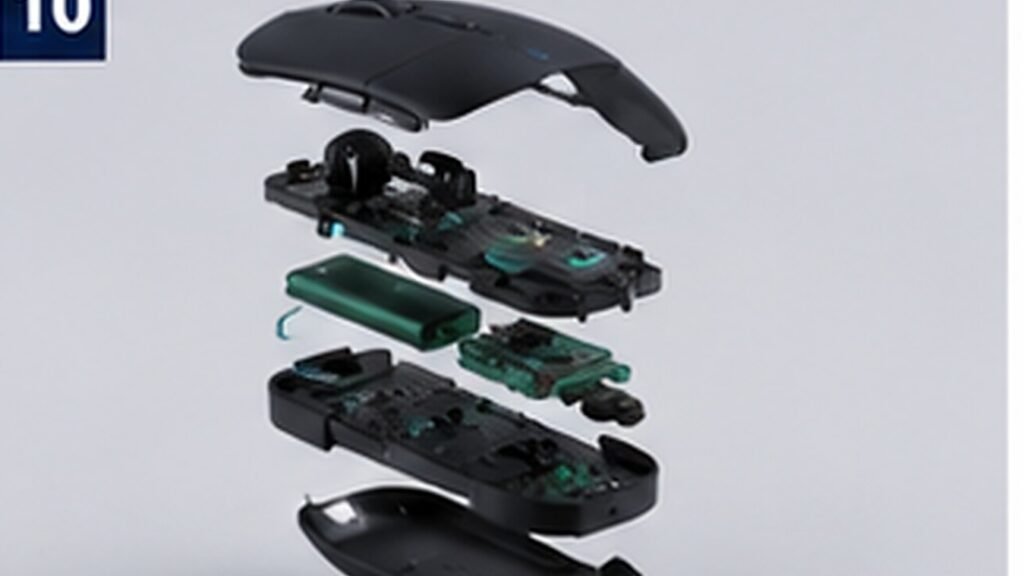
7 Critical Checks Before Importing AI Voice Mouse to the Middle East: A 2026 Buyer’s Guide
Direct Answer: Importing an AI voice mouse to the Middle East requires verifying Arabic dictation accuracy across dialects, confirming target-market compliance (CE, RoHS, UN38.3 if a battery is included), agreeing on a realistic MOQ and lead time, and testing firmware OTA capability before placing a bulk order. These seven checks help importers avoid rejected shipments and protect margin.
Table of Contents
Table of Contents
Table of Contents
- 1. Why the Middle East Is a Demand-Rich Market for AI Voice Mouse Hardware
- 2. What Is an AI Voice Mouse? A Buyer-Focused Definition
- 3. The 7 Critical Checks
- 4. Key Facts for Buyers
- 5. Comparison Table: Entry-Level vs. Customized AI Voice Mouse
- 6. Common Mistakes and Buyer Red Flags
- 7. Practical Buyer Checklist
- 8. FAQ
- 9. Conclusion
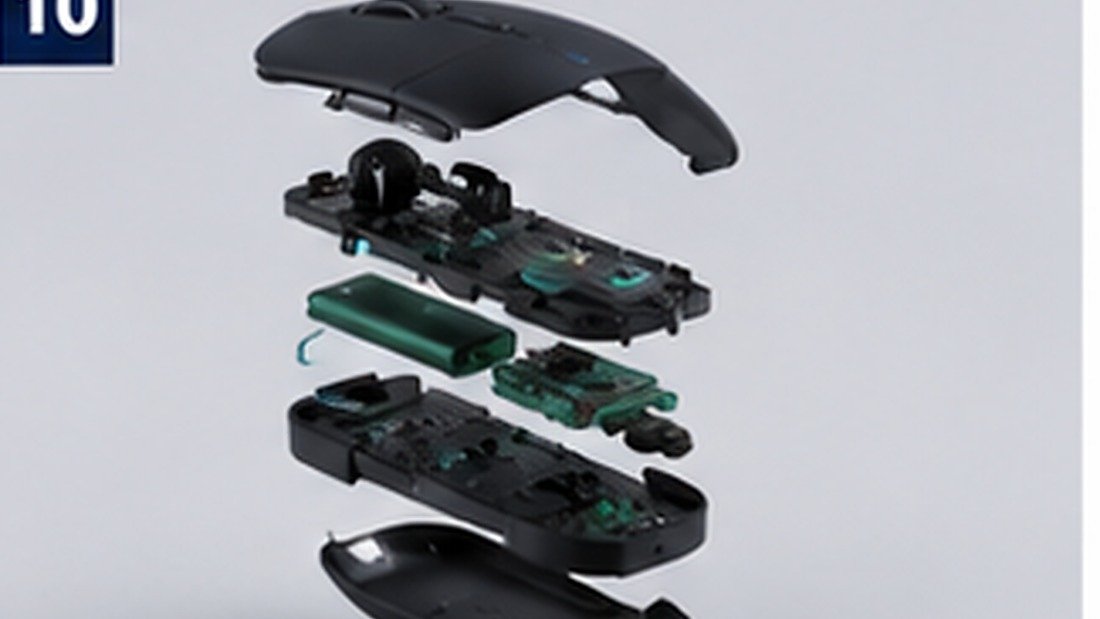
1. Why the Middle East Is a Demand-Rich Market for AI Voice Mouse Hardware
Gulf economies are investing heavily in smart offices, digital government, and education technology. Buyers in the UAE, Saudi Arabia, Qatar, and Kuwait are actively looking for voice-enabled input devices that improve productivity for both Arabic and English users. Distributors and corporate procurement teams often want devices that can handle voice dictation, translation, and AI-assisted writing in a single peripheral.
For importers, this represents a product category with growing retail channels, e-commerce demand, and corporate gifting opportunities. However, the Middle East is not a single market. Arabic usage, regulatory expectations, and language preferences vary between countries. A voice mouse that works well in English may fail in real Arabic use if the firmware has not been tuned for the region. That is why purchase-stage due diligence matters more here than in many other peripherals.
Before evaluating suppliers, you can review the range of AI voice mouse models available from STAR KING’s AI voice mouse product page as a reference for typical hardware configurations.
2. What Is an AI Voice Mouse? A Buyer-Focused Definition
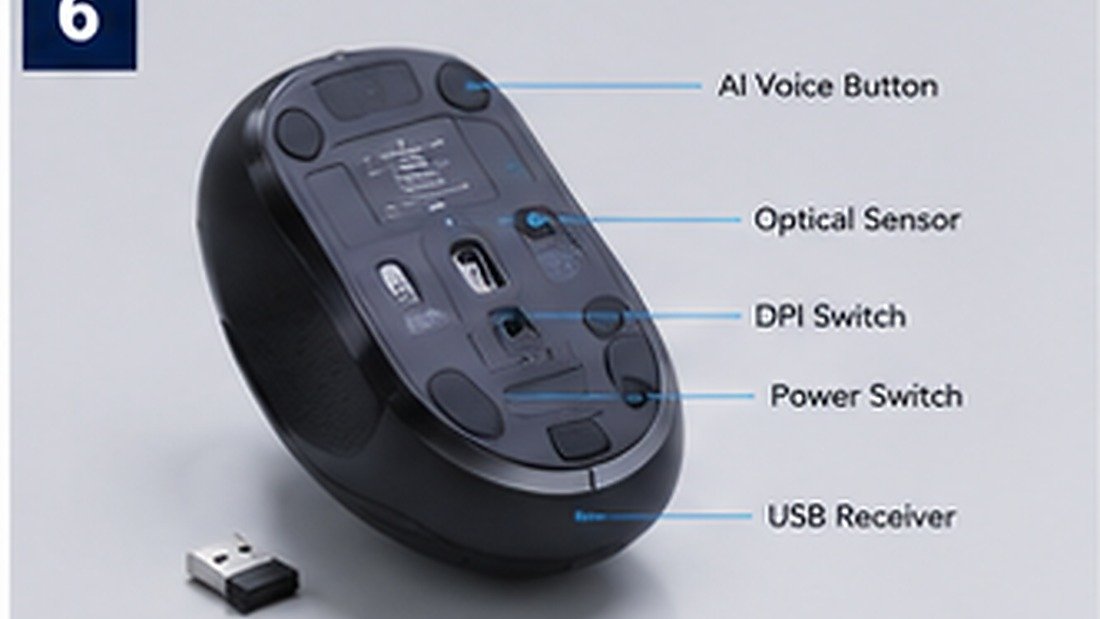
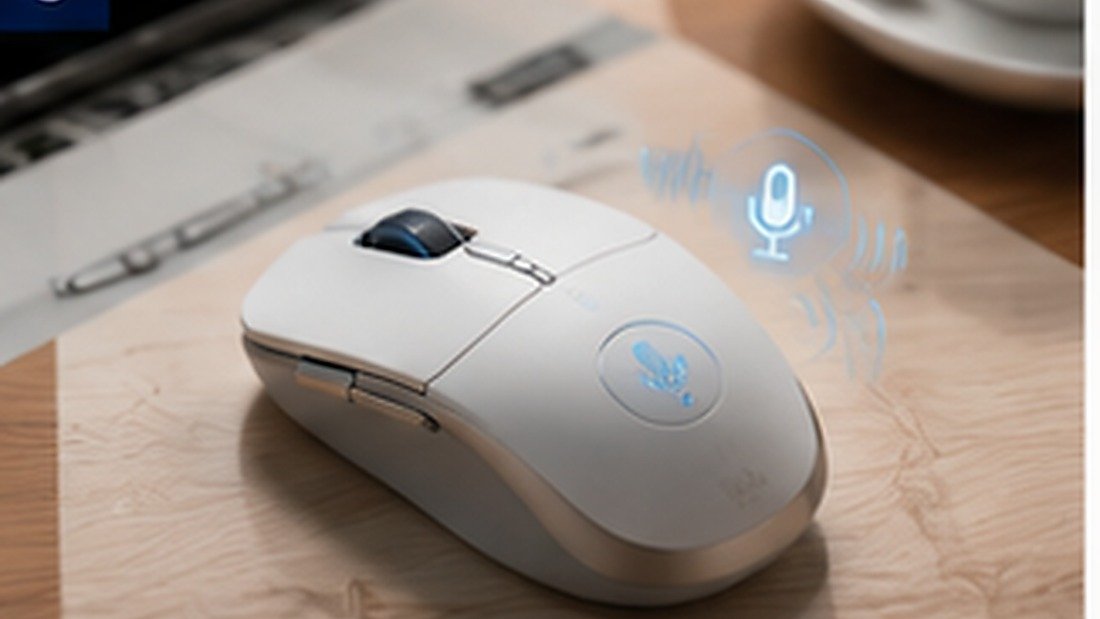
An AI voice mouse is a computer pointing device that combines standard mouse controls with a built-in microphone and voice-processing firmware or companion software. It converts speech into text, commands, or translated output, and often connects to an AI cloud service for dictation, summarization, or translation. For B2B buyers, the relevant definition includes the software stack, supported languages, microphone quality, and how the device receives firmware updates.
Buyers should distinguish between three common architectures: (1) offline voice recognition embedded in the device or a local app, (2) cloud-based processing that sends audio to an AI service, and (3) a hybrid model. Each has implications for data privacy, per-unit subscription costs, and Middle East network reliability. The device’s compliance and product value depend on which architecture you choose.
If you plan to position the product for office productivity, see AI office productivity solutions for context on buyer expectations.
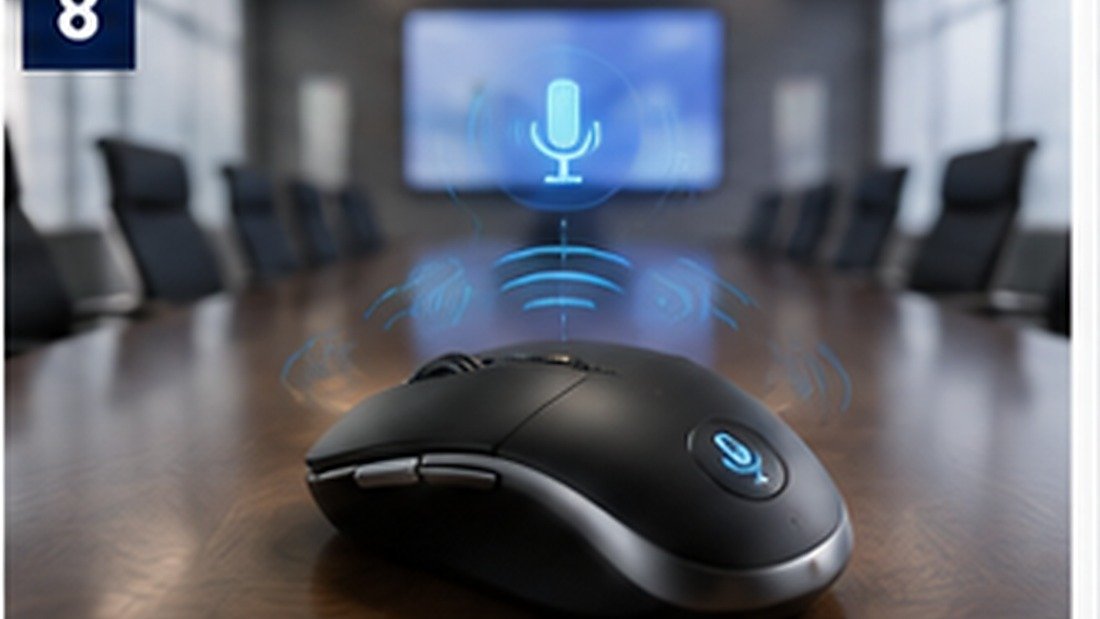
3. The 7 Critical Checks
Check 1: Arabic Language Accuracy and Dialect Coverage
Arabic is the most important language check for most Middle East importers. Ask the supplier for a live demo or recorded test covering Modern Standard Arabic and at least one Gulf dialect. Confirm whether the voice engine supports code-switching between Arabic and English in the same sentence, because many regional users mix languages in daily work. Request error-rate data by category (dictation, commands, translation) rather than a single overall percentage. Verify that the Arabic layout and RTL (right-to-left) input work in common applications such as Word, email clients, and chat tools.
[STAR KING TO CONFIRM] Which Arabic dialects and language packs are supported, and whether a regional Arabic tuning profile is available.
Check 2: Target-Market Compliance
Middle East markets typically require importers to hold appropriate conformity documentation. For a voice mouse, relevant items may include CE marking (often accepted for electrical products in GCC), RoHS for restricted substances, and UN38.3 plus MSDS if the mouse has a built-in lithium battery. Bluetooth or 2.4 GHz radio modules may require radio-type approval depending on the country. Buyers should verify country-specific requirements with a local customs broker or regulatory consultant, as rules change and are not uniform across the region.
Check that the supplier’s declarations match the exact SKU you are ordering. A certificate for a different model does not automatically cover your configuration.
Check 3: MOQ, Cost Structure, and Payment Terms
MOQ for an AI voice mouse usually depends on whether you choose a standard model, private-label branding, or full customization. Standard models may have lower MOQ than custom firmware or custom packaging. Ask for a line-item cost breakdown: hardware BOM, microphone quality, AI software licensing or subscription, packaging, and accessories. Understand whether the AI service includes recurring fees, because this affects your landed cost and retail pricing.
Payment terms, Incoterms, and currency should be agreed before production. For the Middle East, air freight is common for higher-value electronics, while sea freight reduces cost for larger volumes.
Check 4: Sample Testing and Real-World Validation
Order pre-production samples and test them in the target market environment. Test microphone pickup in a typical office, in a car, and with background noise. Test battery life if the device is wireless. Test pairing with Windows, macOS, and common regional software. Send samples to a local partner or distributor for native-speaker feedback. Document every defect and share it with the supplier before the mass production run.
Check 5: Firmware, App, and Update Process
AI hardware depends on software longevity. Ask how firmware updates are delivered and whether OTA updates are supported. Confirm who owns the companion app or driver, and whether the supplier can customize language packs or UI strings for your brand. If you need integration with corporate software, discuss whether an API or SDK is available. Be cautious if the supplier cannot explain the update path clearly.
Check 6: Quality Control and Pre-Shipment Inspection
Request the supplier’s QC process, including aging tests, button and scroll-wheel endurance, microphone sensitivity tests, and packaging drop tests. For voice products, functional testing should include dictation and translation accuracy across supported languages. Arrange a third-party pre-shipment inspection for first orders. Confirm the supplier’s warranty policy and spare-part availability for microphones, USB receivers, and cables.
Check 7: Packaging, Branding, and Logistics
Private label buyers in the Middle East often need bilingual packaging (Arabic and English), regional power plug reference if applicable, and localized user manuals. Confirm whether the supplier can support Arabic packaging artwork and regulatory labels. For logistics, clarify lithium battery shipping documentation if applicable, and whether the supplier has experience shipping to GCC countries. These details affect customs clearance and customer satisfaction.
4. Key Facts for Buyers
| Item | What to Verify | Why It Matters |
|---|---|---|
| Language support | Arabic MSA and dialect accuracy, RTL input, code-switching | Core product value for Middle East users |
| Compliance | CE, RoHS, UN38.3, MSDS, radio approval if applicable | Customs clearance and legal sale |
| MOQ | Standard vs. private label vs. custom firmware | Cash flow and inventory planning |
| AI service cost | Subscription or per-user licensing | Landed cost and retail price |
| Firmware updates | OTA process and language pack customization | Long-term product relevance |
| QC | Microphone testing, aging, pre-shipment inspection | Defect rate and returns |
| Packaging | Arabic/English artwork, manuals | Retail readiness and brand trust |
Note: Certification requirements typically depend on the specific product configuration and destination country. Buyers should verify with local authorities or a compliance consultant.
5. Comparison Table: Entry-Level vs. Customized AI Voice Mouse
| Feature | Entry-Level Standard Model | Customized / Private Label |
|---|---|---|
| MOQ | Lower, typically [STAR KING TO CONFIRM] | Higher, depends on customization |
| Branding | Supplier logo or neutral | Your logo, packaging, manual |
| Language pack | Standard set | Custom or regional tuning available (confirm) |
| Firmware/App | Supplier default | Custom UI, possible API/SDK |
| Lead time | Shorter | Longer, includes tooling and approval |
| Best for | Testing market demand | Brand building and distribution |
If you are comparing OEM/ODM options, STAR KING’s private label and OEM/ODM solutions explain how customization stages affect cost and timeline.
6. Common Mistakes and Buyer Red Flags
- Assuming English-first firmware will satisfy Arabic users. Test Arabic dictation with native speakers before ordering.
- Accepting a generic certificate for a different SKU. Match the certificate to your exact model and configuration.
- Ignoring AI service fees. A low hardware price can hide per-user subscription costs that erode margin.
- Skipping pre-shipment inspection. First orders carry the highest risk; inspect before balance payment.
- No clear firmware update plan. AI hardware without updates becomes outdated quickly.
- Unclear Incoterms and warranty terms. Clarify responsibilities for shipping damage and returns.
7. Practical Buyer Checklist
- ☐ Request Arabic and English dictation demo samples.
- ☐ Confirm supported dialects and code-switching behavior.
- ☐ Obtain compliance documents for the exact SKU (CE, RoHS, UN38.3, MSDS if applicable).
- ☐ Agree MOQ, price breakdown, payment terms, and Incoterms.
- ☐ Test pre-production samples in your market.
- ☐ Confirm firmware OTA and app customization options.
- ☐ Review QC process and arrange pre-shipment inspection.
- ☐ Approve bilingual packaging and manual artwork.
- ☐ Confirm warranty, spare parts, and after-sales process.
- ☐ Verify shipping documentation for lithium battery if applicable.
8. FAQ
What is the typical MOQ for an AI voice mouse order to the Middle East?
MOQ depends on the model and customization level. Standard models usually require a lower MOQ than private-label or custom-firmware orders. Ask the supplier for a written MOQ for each configuration before budgeting. [STAR KING TO CONFIRM]
Does an AI voice mouse need CE certification for GCC countries?
CE marking is often accepted or referenced for electrical products in GCC markets, but requirements vary by country and product. Buyers should verify with a local regulatory consultant or customs broker. Do not assume a single certificate covers all Middle East destinations.
Can the AI voice mouse support Arabic dialects?
Support varies by supplier and firmware. Request a live demo in Modern Standard Arabic and at least one Gulf dialect. Confirm code-switching and RTL input in common applications. [STAR KING TO CONFIRM] the exact dialect coverage.
What is the lead time for a private-label AI voice mouse order?
Lead time typically depends on customization scope, tooling, and packaging approval. Standard orders are usually shorter than custom projects. Plan for sample approval and pre-shipment inspection when setting launch dates. [STAR KING TO CONFIRM] specific lead times.
How should importers test AI voice mouse quality before bulk order?
Test samples in your target environment: office noise, different computers, and native-speaker dictation. Check microphone sensitivity, battery life, and pairing stability. Document defects and share with the supplier before mass production.
Is UN38.3 required for an AI voice mouse?
UN38.3 is typically required if the device contains a lithium battery and is shipped by air. Confirm with your freight forwarder and supplier. Also request MSDS documentation where applicable.
Can I customize the packaging with Arabic and English text?
Many suppliers offer packaging customization. Confirm the proofing process, label requirements, and whether bilingual manuals are supported. Budget extra time for artwork approval.
9. Conclusion
Importing AI voice mouse hardware to the Middle East can be a strong addition to a distributor or e-commerce portfolio, but success depends on verifying Arabic language performance, compliance, MOQ, and software support before committing to volume. Use the seven checks in this guide as a structured sourcing framework. For a broader view of AI hardware categories, see the STAR KING blog for related buying guides. If you are evaluating voice-control technology for corporate or education channels, the business and education display solutions page may help align product positioning.
Primary CTA: Ready to review specifications or discuss a private-label AI voice mouse project for the Middle East? Request a quotation and sample plan from STAR KING.
Useful Official References for Buyers
- FCC equipment authorization guidance
- European Commission CE marking information
- Bluetooth SIG specifications
Discuss Your Smart Wearable OEM/ODM Project
Planning a smart ring, smart watch, smart band, AI glasses, AI translator, or AI voice mouse project? Contact STAR KING to discuss product positioning, sample testing, customization scope, certification requirements, lead time, and quotation details.

Team Star King

Scan WhatsApp QR code
Leave a Reply