
AI Voice Mouse: How Distributors Can Evaluate an AI Voice Mouse for Middle East B2B Markets: 7 Critical Checks for 2026
November 19, 2026 · Team Star King
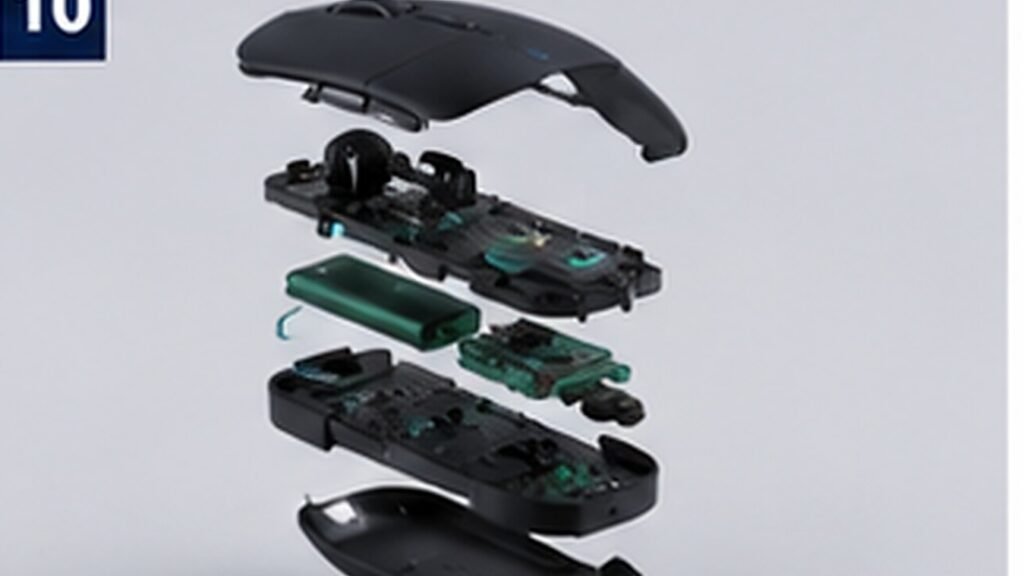
How Distributors Can Evaluate an AI Voice Mouse for Middle East B2B Markets: 7 Critical Checks for 2026
An AI Voice Mouse is a computer mouse that combines standard cursor control with built-in voice input and AI-assisted features such as dictation, translation, or command shortcuts. For distributors in the Middle East, evaluating an AI Voice Mouse means checking more than the sensor or battery: you need to confirm language support for Arabic and English, software compatibility, OEM options, compliance for GCC markets, and supply terms before committing to inventory.
Table of Contents
Table of Contents
Short Answer
To evaluate an AI Voice Mouse for Middle East distribution, focus on seven areas: voice language accuracy for Arabic and English, software and driver stability, hardware build quality, OEM and private-label flexibility, MOQ and lead-time planning, compliance with GCC import and radio regulations, and after-sales support. Distributors should request samples, test real voice workflows, and confirm certifications for each target country before placing a bulk order.

Table of Contents
- Key Takeaways
- Key Facts for Buyers
- What Is an AI Voice Mouse and Why It Matters for Distributors
- Check 1: Voice Language Support for Arabic and English
- Check 2: Software, App, and Firmware Ecosystem
- Check 3: Hardware Specifications and Build Quality
- Check 4: OEM, ODM, and Private Label Flexibility
- Check 5: MOQ, Pricing Factors, and Lead Times
- Check 6: Compliance and Certification for Middle East Markets
- Check 7: After-Sales Support, Warranty, and Spare Parts
- AI Voice Mouse Evaluation Table
- Common Mistakes and Buyer Red Flags
- Practical Buyer Checklist
- FAQ
- Conclusion

Key Takeaways
- Arabic and English voice recognition quality is the first filter for Middle East distribution; test both with local accents and office noise.
- Software stability, driver updates, and app integration often matter more than raw hardware specs for long-term returns.
- OEM and private-label options should be confirmed early, including logo, packaging, firmware language packs, and app branding.
- MOQ and lead times vary by configuration; distributors should plan around tooling, sample approval, and production slots.
- Middle East import compliance typically depends on country and product configuration; verify radio, safety, and labeling requirements.
- Request pre-shipment inspection, warranty terms, and spare-parts availability before signing a distribution agreement.
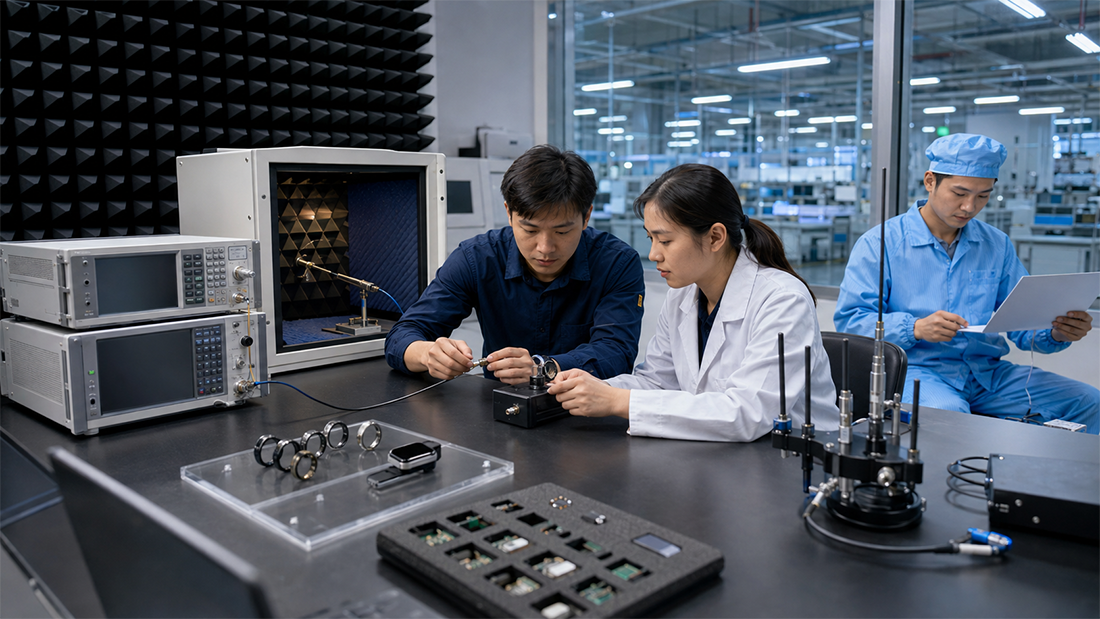
Key Facts for Buyers
| Evaluation Area | Why It Matters | What to Verify |
|---|---|---|
| Voice language support | Arabic and English are essential for GCC offices and education | Accent accuracy, offline vs. cloud modes, language pack availability |
| Software and firmware | Stability drives return rates and brand reputation | Driver compatibility (Windows/macOS), update cadence, app features |
| Hardware specifications | Affects user experience and warranty exposure | DPI, battery type and life, sensor quality, build materials, drop resistance |
| OEM/Private Label | Differentiation in local channels | Logo, packaging, firmware customization, MOQ per configuration |
| MOQ and lead time | Cash flow and launch scheduling | Sample lead time, production lead time, tooling ownership, deposit terms |
| Compliance | Customs clearance and market access | CE, FCC, RoHS, UN38.3 (if battery), local radio approvals, labeling |
| After-sales | Long-term distributor profitability | Warranty period, DOA policy, spare parts, RMA process |
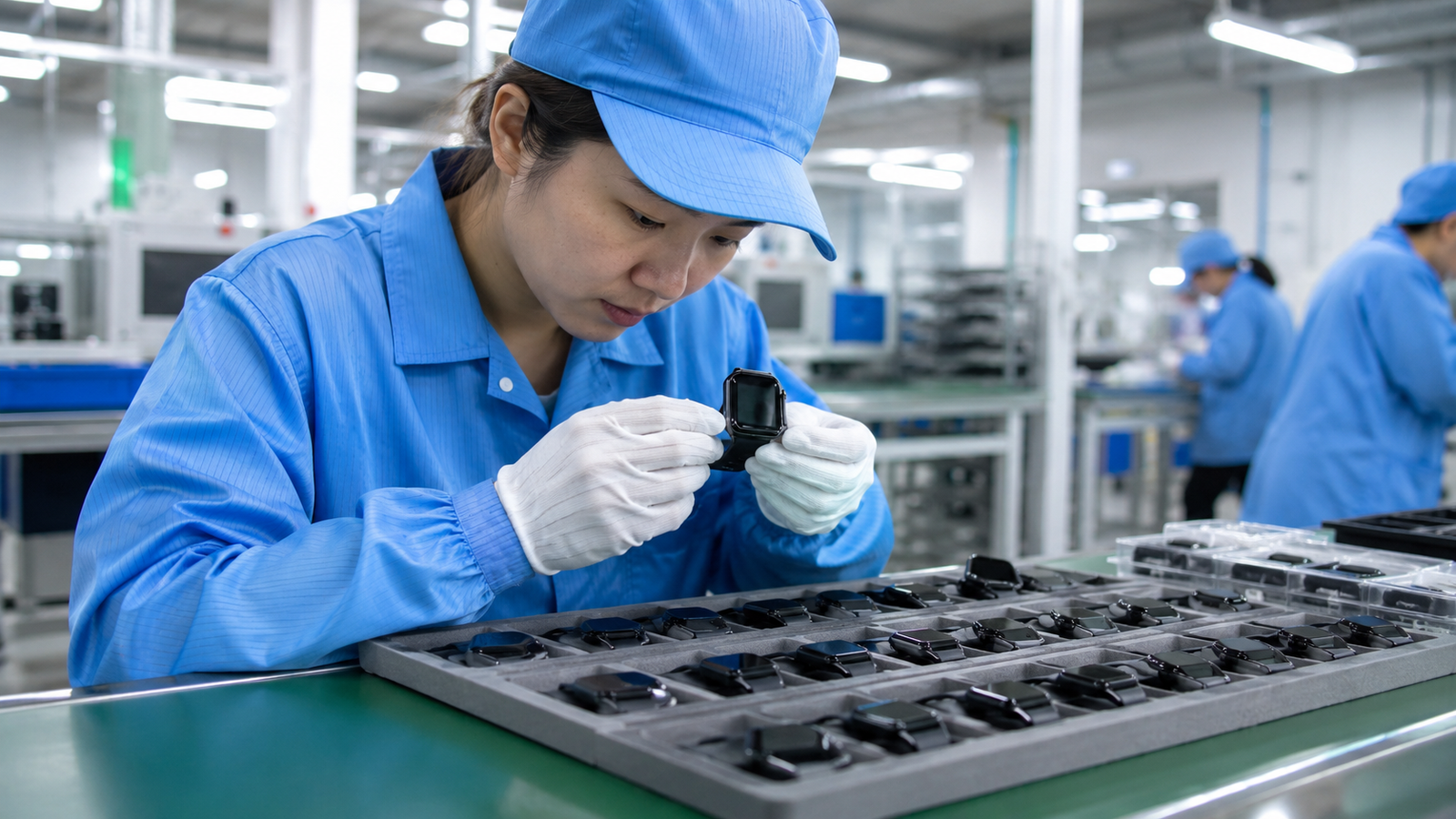
What Is an AI Voice Mouse and Why It Matters for Distributors
An AI Voice Mouse is a peripheral that integrates a microphone and voice-processing software into a conventional pointing device. Instead of typing, users can dictate text, trigger commands, or use AI-assisted translation and search functions. For B2B buyers, the appeal is productivity: less time typing, faster data entry, and accessibility for multilingual teams.
In the Middle East, distributors can position AI Voice Mice across corporate procurement, education technology, and government offices where Arabic-English bilingual workflows are common. The category sits within broader AI office productivity solutions, which helps distributors build a solution story rather than sell a single SKU.
However, the product is only as good as its voice engine and software support. Distributors should treat the AI Voice Mouse as a hardware-plus-software system, not a commodity mouse. That mindset shapes the seven checks below.

Image suggestion: An AI Voice Mouse on a desk with Arabic and English text on screen, illustrating bilingual voice input for Middle East B2B buyers.
Check 1: Voice Language Support for Arabic and English
Language support is the first commercial filter. A distributor cannot sell an AI Voice Mouse in the GCC if Arabic dictation is weak or English recognition fails with local accents.
What to test
- Arabic and English dictation: Test both Modern Standard Arabic and common Gulf dialects if your target users include customer service or government staff.
- Accent tolerance: Ask for samples and test with local team members, not just the supplier’s demo recordings.
- Online vs. offline modes: Cloud-based recognition may offer higher accuracy, but offline modes can matter for privacy-sensitive offices. Confirm what is available.
- Language pack roadmap: Ask whether additional languages (e.g., French for North Africa, Urdu for South Asian expatriates) can be added through private label OEM/ODM customization.
STAR KING’s AI Voice Mouse language coverage should be confirmed per SKU: [STAR KING TO CONFIRM]. Distributors should request a written language support matrix before committing to a market launch.
Check 2: Software, App, and Firmware Ecosystem
Many AI peripherals fail in the field not because of hardware but because of software bugs, missing drivers, or inconsistent updates. For distributors, software quality directly affects return rates and support costs.
Evaluation questions
- Which operating systems are supported (Windows, macOS, Linux, ChromeOS)?
- Is the configuration app branded by the manufacturer, or can it be private-labeled?
- How frequently are firmware updates released, and how are they distributed?
- Does the device require an internet connection for voice features, and how is data handled?
- Can the supplier provide an SDK or API if you plan to integrate with local software vendors?
For distributors selling into corporate and education channels, software integration can be a differentiator. Related AI hardware such as AI translators may share a software ecosystem, so ask whether a unified management portal exists.
A soft conversion point: if you are comparing software roadmaps across suppliers, STAR KING can share available firmware and app customization options during the evaluation stage.
Check 3: Hardware Specifications and Build Quality
Hardware specifications should match the use case. A voice mouse for office workers has different requirements from one used in education labs or field sales.
Specifications to review
- Sensor and DPI: Standard office use typically requires moderate DPI; confirm sensor consistency across batches.
- Microphone quality: Ask for signal-to-noise ratio data and test in a noisy room.
- Battery type and life: Lithium batteries require UN38.3 documentation for air freight; AA/AAA options may simplify logistics.
- Build and durability: Check materials, button lifecycle ratings, and drop-test reports if available.
- Ergonomics: Middle East office users may prefer larger form factors; request dimensions and weight.
Do not rely on spec sheets alone. A short hands-on test with three to five units can reveal consistency issues before you place a bulk order.

Image suggestion: Close-up of an AI Voice Mouse being tested on a desk with a laptop, showing microphone and button layout.
Check 4: OEM, ODM, and Private Label Flexibility
Distributors rarely compete on the same SKU. Private label and OEM options allow you to build a local brand, differentiate from online sellers, and protect margins.
Customization options to confirm
- Logo and branding: Laser engraving, printing, or badge options on the mouse and packaging.
- Packaging: Retail box design, multilingual manuals (Arabic/English), and barcode labeling for local retailers.
- Firmware and app: Can splash screens, default languages, or app branding be customized?
- Tooling ownership: If you fund a new mold or enclosure, clarify ownership and exclusivity terms in writing.
STAR KING provides AI Voice Mouse OEM/ODM options, but minimum quantities and tooling costs depend on the customization level. Confirm details per project: [STAR KING TO CONFIRM].
Check 5: MOQ, Pricing Factors, and Lead Times
MOQ and lead time are often the deciding factors for distributors managing warehouse space and cash flow. They are not fixed numbers; they depend on configuration, packaging, and production scheduling.
Pricing factors
- Base hardware configuration (sensor, microphone, battery)
- Customization level (logo, packaging, firmware)
- Order quantity and forecast commitment
- Incoterms and shipping method (air vs. sea)
- Payment terms and deposit percentage
Lead-time planning
Typical stages include sample approval, material procurement, production, quality inspection, and shipping. Distributors should ask for a written timeline with buffer for Chinese New Year and regional holidays. For a structured OEM project, reference the private label manufacturing process to align expectations.
STAR KING MOQ and lead times for AI Voice Mouse projects: [STAR KING TO CONFIRM].
Check 6: Compliance and Certification for Middle East Markets
Compliance requirements in the Middle East vary by country and product configuration. A Bluetooth-enabled AI Voice Mouse may require radio-type approval, while a wired version may have different requirements. Distributors should never assume a CE or FCC mark covers every GCC market.
Documents to request
- CE and FCC test reports (where applicable)
- RoHS compliance declaration
- UN38.3 test summary if the product contains a lithium battery
- MSDS for battery shipments
- Local radio approval or registration guidance for Saudi Arabia, UAE, and other GCC markets
For reference, buyers can review the FCC equipment authorization database and the IEC standards for electrical safety. Middle East-specific requirements should be verified with a local compliance consultant or the relevant authority. Certification scope typically depends on the exact model and target country.
Check 7: After-Sales Support, Warranty, and Spare Parts
A distribution business depends on repeat sales, which in turn depend on after-sales reliability. Before signing, clarify warranty terms, DOA (dead on arrival) policy, and spare-parts availability.
- Warranty period: Typically 12 months, but confirm by SKU.
- RMA process: Who pays return shipping, and what is the replacement turnaround?
- Spare parts: Availability of receivers, cables, and batteries for local service.
- Technical support: Arabic-speaking support may be a plus for local channel partners.
STAR KING after-sales terms for AI Voice Mouse distribution: [STAR KING TO CONFIRM].
AI Voice Mouse Evaluation Table
| Check | Must-Have | Nice-to-Have | Evidence to Request |
|---|---|---|---|
| Language support | Arabic + English dictation | Additional language packs | Live demo, sample test |
| Software | Windows/macOS drivers | SDK/API, branded app | Update log, app screenshots |
| Hardware | Stable sensor, clear mic | Drop-test report | Spec sheet, sample |
| OEM/Private label | Logo + packaging | Firmware customization | Mockup, tooling quote |
| MOQ/Lead time | Written quote and timeline | Forecast flexibility | Proforma invoice |
| Compliance | CE/FCC/RoHS/UN38.3 as applicable | Local radio approval | Certificates, test reports |
| After-sales | Warranty and DOA policy | Arabic support | Service agreement |
Common Mistakes and Buyer Red Flags
- Assuming one certification covers all GCC countries. Radio and safety requirements differ; verify per market.
- Testing only with the supplier’s demo unit. Request production samples from the actual line.
- Ignoring software update commitments. A supplier without a firmware roadmap may leave you with unsupported devices.
- Over-customizing before validating demand. Start with logo and packaging; delay deep firmware changes until volumes justify tooling.
- No written warranty or spare-parts plan. This is a common source of channel conflict later.
- Unclear battery documentation. Missing UN38.3 or MSDS can delay air shipments.
Practical Buyer Checklist
- Request the Arabic/English language support matrix in writing.
- Order 3–5 production samples and test in local office conditions.
- Confirm driver compatibility with your target customers’ IT environments.
- Ask for certification documents per SKU and per target country.
- Obtain a written MOQ, lead time, and payment-term quote.
- Clarify logo, packaging, and firmware customization costs.
- Review warranty, DOA, and spare-parts terms.
- Check references or request a factory audit if order size justifies it.
FAQ
1. What is the typical MOQ for an AI Voice Mouse?
MOQ varies by supplier and customization level. Standard configurations may start at lower quantities, while private-label packaging and firmware changes usually require higher volumes. Request a written quote for your exact configuration.
2. Can the AI Voice Mouse support Arabic dictation offline?
Offline language support depends on the voice engine and firmware. Some devices rely on cloud processing for higher accuracy. Confirm offline capability and privacy terms with the supplier before committing.
3. Which certifications are needed for GCC markets?
Requirements vary by country and product configuration. CE, FCC, and RoHS are commonly requested, but local radio approvals may also apply. Distributors should verify with a local compliance advisor.
4. Can we private-label the AI Voice Mouse with our brand?
Many manufacturers offer logo, packaging, and app branding options. Confirm minimum quantities, tooling costs, and whether firmware splash screens can be customized.
5. How long does shipping take to Middle East ports?
Lead time depends on shipping method and destination. Air freight is faster but costlier; sea freight is economical for larger volumes. Lithium batteries require UN38.3 documentation for air shipment.
6. What should we test in a sample evaluation?
Test Arabic and English dictation accuracy, microphone performance in noise, driver installation, battery life, and build quality. Also verify that the sample matches the quoted specifications.
7. Does STAR KING provide SDK or API access?
SDK and API availability depends on the product and project scope. Distributors should discuss integration requirements during the evaluation stage. [STAR KING TO CONFIRM]
Conclusion
Evaluating an AI Voice Mouse for Middle East distribution requires a structured approach: language support, software stability, hardware quality, OEM flexibility, MOQ and lead-time planning, compliance, and after-sales support. Distributors who test these areas before committing to inventory reduce launch risk and build a stronger channel position.
STAR KING supplies AI hardware and wearables with OEM/ODM options for international B2B buyers. To move from evaluation to action, request product samples and confirm customization and certification requirements for your target markets.
Next Step: Request Samples and Discuss Your AI Voice Mouse Project
Ready to evaluate the AI Voice Mouse for your market? Request product samples or contact our team to discuss OEM/ODM customization, MOQ, and compliance documentation for your target countries.
Discuss Your Smart Wearable OEM/ODM Project
Planning a smart ring, smart watch, smart band, AI glasses, AI translator, or AI voice mouse project? Contact STAR KING to discuss product positioning, sample testing, customization scope, certification requirements, lead time, and quotation details.

Team Star King

Scan WhatsApp QR code
Leave a Reply