
AI Translators for Startup Brands: 7 Steps to Win Southeast Asia’s Multilingual Markets in 2026
October 7, 2026 · Team Star King
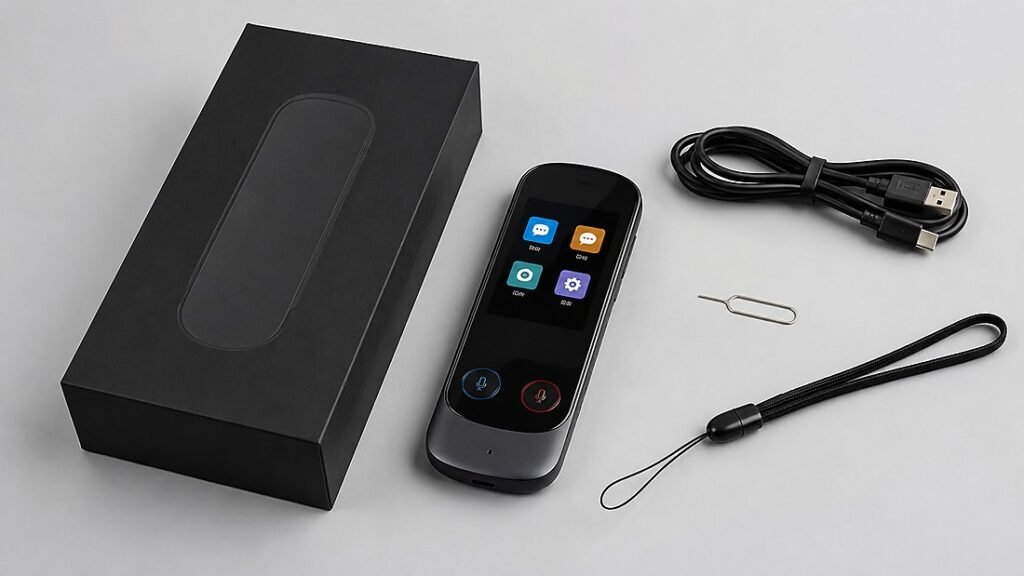
AI Translators for Startup Brands: 7 Steps to Win Southeast Asia’s Multilingual Markets in 2026
AI translators for startup brands in Southeast Asia offer a fast route into a multilingual market of more than 600 million people, but success depends on selecting the right OEM/ODM partner and device specification for your use case. This guide walks founders through a seven-step evaluation covering product fit, supplier screening, compliance, and cost control. It is written for early-stage brands that need to move from idea to samples without wasting capital or time.
Table of Contents
Table of Contents
AI translators for startup brands: Table of Contents
- Short Answer
- Key Takeaways
- What Are AI Translators and Why They Fit Southeast Asia
- Step 1: Define Your Southeast Asian Use Case
- Step 2: Map Critical Product Specifications
- Step 3: Choose Between OEM, ODM, and Private Label
- Step 4: Evaluate Suppliers Without a Factory Visit
- Step 5: Understand MOQ, Costs, and Lead Times
- Step 6: Verify Quality and Compliance for Target Countries
- Step 7: Plan Logistics, Software, and After-Sales
- Key Facts for Buyers
- Common Mistakes and Buyer Red Flags
- Practical Buyer Checklist
- FAQ
- Conclusion
Short Answer
For startup brands targeting Southeast Asia, AI translators can be a practical product category when chosen with clear use cases, realistic MOQs, and a supplier that supports firmware and app customization. Focus first on language coverage for the specific countries you will sell into, then confirm certification needs, sample costs, and lead times before committing to mass production. Treat translation accuracy, offline capability, and battery performance as primary specification decisions.
Key Takeaways
- AI translators fit Southeast Asia because the region has high linguistic diversity and growing cross-border business and travel activity.
- Startup brands should evaluate OEM/ODM suppliers on communication, sample support, and documented quality processes, not price alone.
- MOQ, tooling, and certification costs are the main early capital commitments; plan them before design freeze.
- Language coverage, offline translation, and battery life are the specifications that most affect user satisfaction.
- Compliance requirements vary by country and product configuration; buyers should verify with the supplier and, where needed, a local regulatory advisor.
What Are AI Translators and Why They Fit Southeast Asia
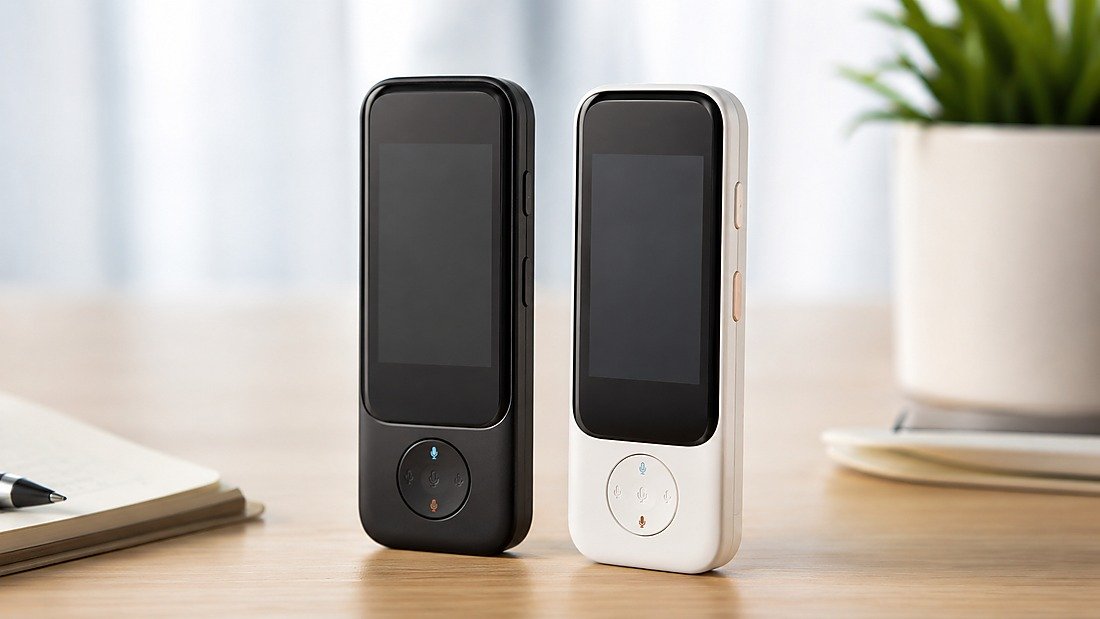
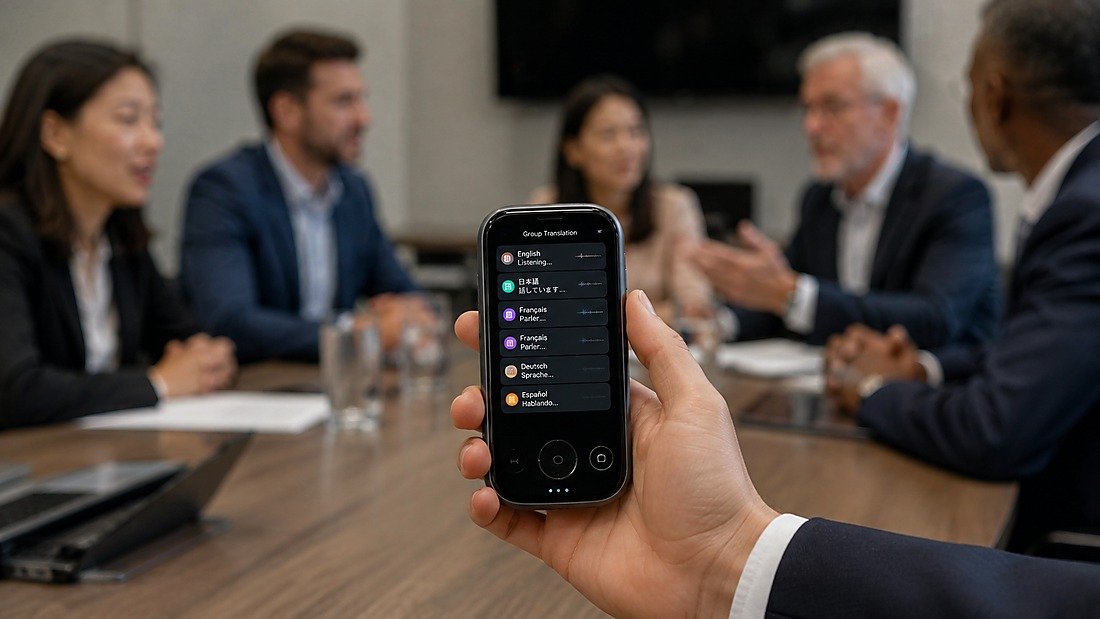
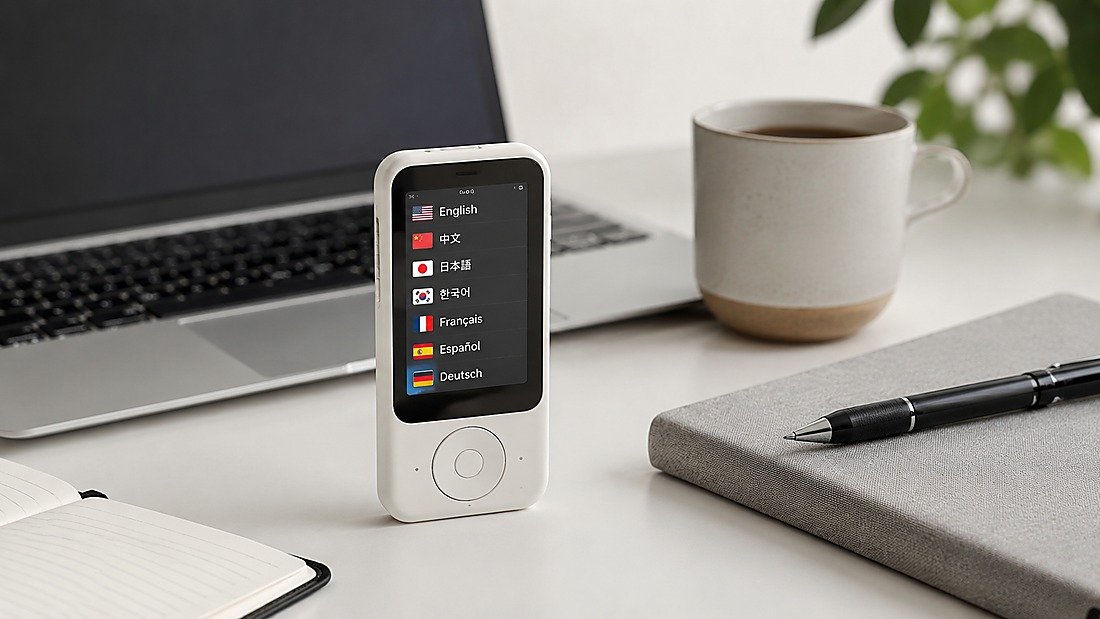
AI translators are portable or handheld devices that use speech recognition, machine translation, and text-to-speech to convert spoken language in near real time. Many models support two-way conversation, camera-based text translation, and offline language packs. For B2B buyers, they are a hardware category with clear differentiation potential through language sets, form factor, and software integration.
Southeast Asia is a natural market for these devices. The region includes countries where English is not the first language for most residents, and cross-border activity in tourism, trade, and education continues to expand. Startup brands can position AI translators as tools for travel retail, business travel, education, and customer-facing roles in hospitality. The AI translators product page provides a starting point for reviewing available configurations and customization options.
Before selecting a supplier, it helps to understand what buyers should evaluate. A useful definition: AI translators for startup brands are OEM/ODM partnership decisions, not simple product purchases, because language coverage, firmware, app integration, and certification all depend on the supplier’s capabilities.
Step 1: Define Your Southeast Asian Use Case
The first step is to name the specific problem your product solves and for whom. A device sold to business travelers has different priorities than one sold to students or retail staff. Write a one-page use case that includes the primary user, the main languages required, and the environment where the device will be used.
Questions to answer before contacting suppliers
- Which countries will you sell into first, and what are the dominant languages in each?
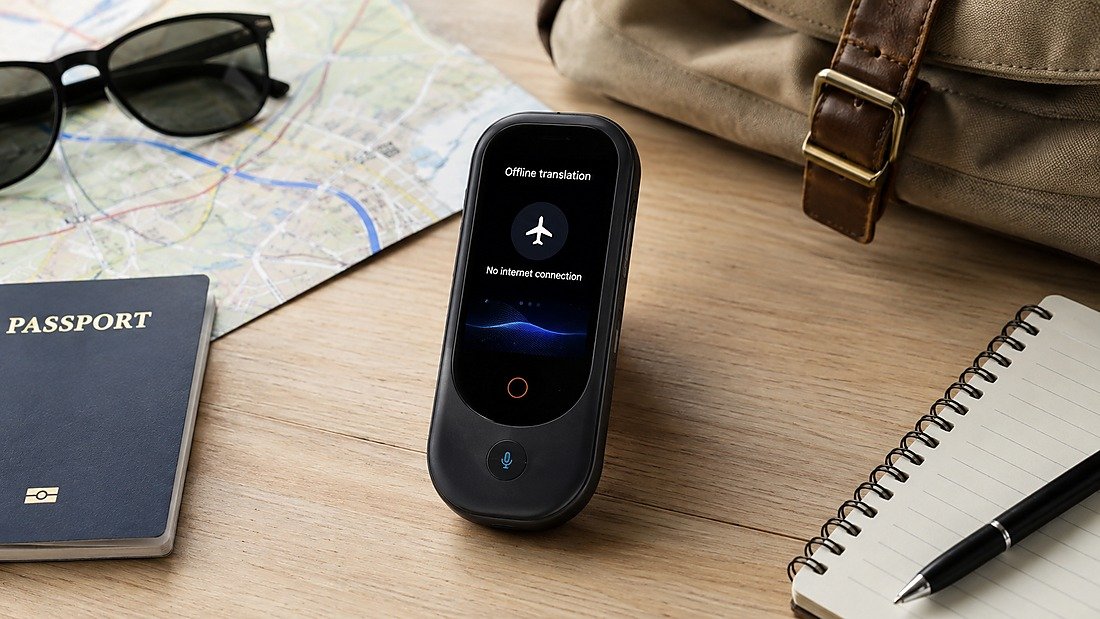
- Will users need offline translation, or is Wi-Fi or cellular connectivity acceptable?
- Is the device for personal use, shared use, or professional settings?
- What price band can your target customer support?
These answers shape the rest of the evaluation. For example, a device for field staff in areas with unreliable connectivity may need larger offline language packs, which can affect memory and battery specifications.
Step 2: Map Critical Product Specifications
Specification choices determine cost, user experience, and compliance burden. Below is a comparison of common configuration options to help startup brands weigh trade-offs.
| Specification | Entry configuration | Mid-tier configuration | Considerations |
|---|---|---|---|
| Language coverage | 10–20 languages | 40+ languages | Confirm which Southeast Asian languages are included and update policy |
| Offline translation | Limited packs | Expanded packs | Larger packs may increase memory and battery use |
| Connectivity | Wi-Fi | Wi-Fi + cellular option | Cellular adds certification and cost |
| Battery | 6–8 hours typical use | 10+ hours typical use | Battery specs should be verified through sample testing |
| Form factor | Handheld | Handheld with camera | Camera supports text translation but adds components |
Buyers should request a specification sheet that states how translation accuracy is measured, whether updates are provided, and what happens if a language model is deprecated. These details are often more important than headline language counts.
Step 3: Choose Between OEM, ODM, and Private Label
Startup brands typically choose one of three engagement models. The right choice depends on budget, timeline, and how much differentiation you need.
- Private label: You select an existing product and apply your branding, packaging, and app skin. Fastest path, lowest upfront cost, but least differentiation. See Private Label OEM/ODM solutions.
- ODM: You select a base design that the manufacturer can modify, such as language sets, casing color, or packaging. Balanced cost and differentiation. The AI translators product page lists customization options to discuss.
- OEM: You provide or jointly develop the design and specifications. Highest cost and longest timeline, but strongest differentiation and potential IP control.
A practical approach for many startups is to launch with private label or light ODM to test demand, then move to deeper customization once sales data supports the investment.
Step 4: Evaluate Suppliers Without a Factory Visit
Most startup founders cannot visit factories in the early stage. You can still assess a supplier’s reliability through structured questions and documentation requests.
Supplier evaluation framework
- Response quality: Do they answer specification questions directly, or send generic catalogs?
- Sample process: Can they provide a clear sample timeline and cost?
- Quality documentation: Do they describe incoming material checks, in-process inspection, and final testing?
- Compliance support: Can they explain which certifications apply to your target countries and what they provide?
- References: For startups, [STAR KING TO CONFIRM] references may be available under NDA; otherwise ask for product test summaries.
Buyers should verify claims where possible. For general guidance on supplier verification, the U.S. Department of Commerce’s International Trade Administration provides country commercial guides that can help you understand local business practices.
Step 5: Understand MOQ, Costs, and Lead Times
MOQ, unit cost, tooling, and lead time are the numbers that decide whether a startup can launch. These vary widely by supplier and configuration, so treat the ranges below as planning benchmarks, not quotations.
| Cost item | Typical planning range | Notes |
|---|---|---|
| Sample unit | Higher than mass production unit cost | Samples are often charged separately and may be refundable against orders |
| MOQ | Often 500–3,000 units for private label | Lower for stock models, higher for custom tooling |
| Tooling | Applies if new casing or internal structure is required | Confirm ownership terms in writing |
| Certification | Per market and configuration | Laboratory fees and timelines vary; verify current requirements |
| Production lead time | Commonly 25–45 days after deposit and sample approval | Excludes Chinese New Year and peak-season delays |
| Shipping | Depends on method and lithium battery rules | Air, sea, and express have different documentation needs |
Startups should model landed cost, not just unit price. Include freight, insurance, duties, and any local certification or labeling. For Southeast Asian markets, import procedures vary; buyers should verify with a customs broker. Soft CTA: If you are at the planning stage, it can be useful to review sample and customization options before locking your budget.
Step 6: Verify Quality and Compliance for Target Countries
Compliance is a common source of delay for first-time importers. Requirements typically depend on the product’s wireless functions, battery, and the destination country.
- Wireless: Devices with Wi-Fi or Bluetooth may require type approval or certification in some countries. The Bluetooth SIG provides information on Bluetooth qualification for products using Bluetooth technology.
- Battery: Lithium batteries are subject to transport rules. UN38.3 testing and MSDS documentation are commonly requested for shipping.
- Electrical safety and EMC: Some markets accept CE or FCC marks, while others require local registration.
- Language and labeling: Some countries require local-language manuals or packaging.
Because rules change, buyers should verify current requirements with the supplier and, where needed, a local regulatory consultant. Do not assume that a product certified for one country is accepted in another. STAR KING can support buyers with compliance documentation for specific configurations on request.
Step 7: Plan Logistics, Software, and After-Sales
The final step is to plan beyond the factory gate. For AI translators, this includes app updates, firmware maintenance, and spare parts.
Software and app integration
Ask whether the device pairs with a mobile app, what platforms are supported, and how translation models are updated. If your brand will appear in the app, confirm app customization options. For related software-driven hardware, see the AI office productivity solution.
Logistics and lithium batteries
AI translators usually contain lithium batteries, which affects air shipping. Confirm that the supplier can provide UN38.3 reports and MSDS, and work with a freight forwarder experienced in battery-containing devices.
After-sales and warranty
Define warranty terms, return procedures, and spare part availability before launch. Startups should budget for a small percentage of units requiring service or replacement.
Key Facts for Buyers
| Item | What buyers should know |
|---|---|
| Product category | AI translators are portable devices using speech recognition, machine translation, and text-to-speech |
| Best-fit Southeast Asian use cases | Business travel, hospitality, education, retail, and cross-border services |
| Common MOQ range | Often 500–3,000 units for private label, depending on customization |
| Key specifications to compare | Language coverage, offline capability, battery life, connectivity, form factor |
| Common compliance items | Wireless approval, battery testing (UN38.3), MSDS, EMC/safety marks |
| Typical production lead time | Usually 25–45 days after deposit and sample approval |
| Software needs | App pairing, firmware updates, and translation model update policy |
Common Mistakes and Buyer Red Flags
Startup brands new to hardware sourcing often make avoidable errors. The following list highlights frequent mistakes and warning signs.
- Choosing on price alone: The lowest quote may exclude certification, packaging, or software support.
- Assuming certification is included: Confirm exactly which certificates are provided and at whose cost.
- Ignoring battery shipping rules: Missing UN38.3 or MSDS documents can delay or stop shipments.
- Over-customizing at launch: Deep customization increases cost and lead time; validate demand first.
- Vague language claims: Ask for a written language list and update policy.
- No written IP or tooling agreement: Clarify who owns molds and designs if you fund them.
- Unclear warranty terms: Get the return and repair process in writing.
Red flags include reluctance to provide samples, refusal to discuss compliance, vague answers about firmware updates, and pressure to pay large deposits without a contract.
Practical Buyer Checklist
| Area | Question to ask | Evidence to request |
|---|---|---|
| Supplier | Can you describe your quality process? | Process summary or inspection records |
| Product | What languages are supported offline? | Written language list and update policy |
| MOQ | What is the MOQ for private label? | Written quotation with MOQ tiers |
| Compliance | Which certificates apply to my markets? | Certificate list and scope |
| Sample | How long to receive a sample? | Sample timeline and cost |
| Production | What is the lead time after deposit? | Production schedule |
| Shipping | Can you provide UN38.3 and MSDS? | Battery test reports |
| Warranty | What are the warranty and return terms? | Warranty policy document |
FAQ
What MOQ should a startup expect for AI translators?
MOQ depends on customization. Private label with minimal changes may start around 500 units, while custom tooling or new hardware designs often require 1,000–3,000 units or more. Always confirm in writing.
Do AI translators need certification to sell in Southeast Asia?
Many countries require wireless approval or registration for devices with Bluetooth or Wi-Fi, and lithium batteries require transport documentation. Requirements vary by country and product configuration, so buyers should verify with the supplier and local authorities.
How long does it take to get samples?
Sample timelines vary by supplier and model. Stock models may ship within days, while customized samples can take several weeks. Confirm the timeline and cost before ordering.
Can I customize the app and packaging?
Many ODM/private label suppliers offer app skinning, logo, and packaging customization. The scope and cost depend on the supplier; ask for examples and a written scope of work.
Are offline translation capabilities important for Southeast Asia?
Offline translation can be valuable where connectivity is unreliable or data costs are high. However, offline language packs may increase memory and battery requirements, so balance coverage with device performance.
How do I verify translation accuracy?
Request sample testing with specific language pairs and use cases. Test in realistic noise conditions and compare results across suppliers. Keep records of your test criteria.
What are the main shipping considerations for AI translators?
Lithium batteries are regulated for transport. Confirm UN38.3 testing and MSDS availability, and use freight forwarders experienced with battery-containing devices. Air, sea, and express shipments have different documentation requirements.
Conclusion
AI translators for startup brands can be a viable entry into Southeast Asia’s multilingual markets when the product is matched to a clear use case and a supplier capable of supporting customization, quality, and compliance. The seven steps in this guide—defining the use case, mapping specifications, choosing an engagement model, evaluating suppliers, planning costs, verifying compliance, and planning logistics—provide a structured path from idea to launch. Startups that invest time in sample testing and written agreements reduce the risk of costly surprises later.
STAR KING CTA
Ready to evaluate AI translators for your Southeast Asian launch? STAR KING supports startup brands with private label and ODM programs, including specification consultation and sample development. Request samples to begin your product evaluation.
Discuss Your Smart Wearable OEM/ODM Project
Planning a smart ring, smart watch, smart band, AI glasses, AI translator, or AI voice mouse project? Contact STAR KING to discuss product positioning, sample testing, customization scope, certification requirements, lead time, and quotation details.

Team Star King

Scan WhatsApp QR code
Leave a Reply