
AI translators for e-commerce sellers: AI Translators for Southeast Asia’s E‑commerce Sellers: 7 Essential Buying Steps (2026 Guide)
October 11, 2026 · Team Star King
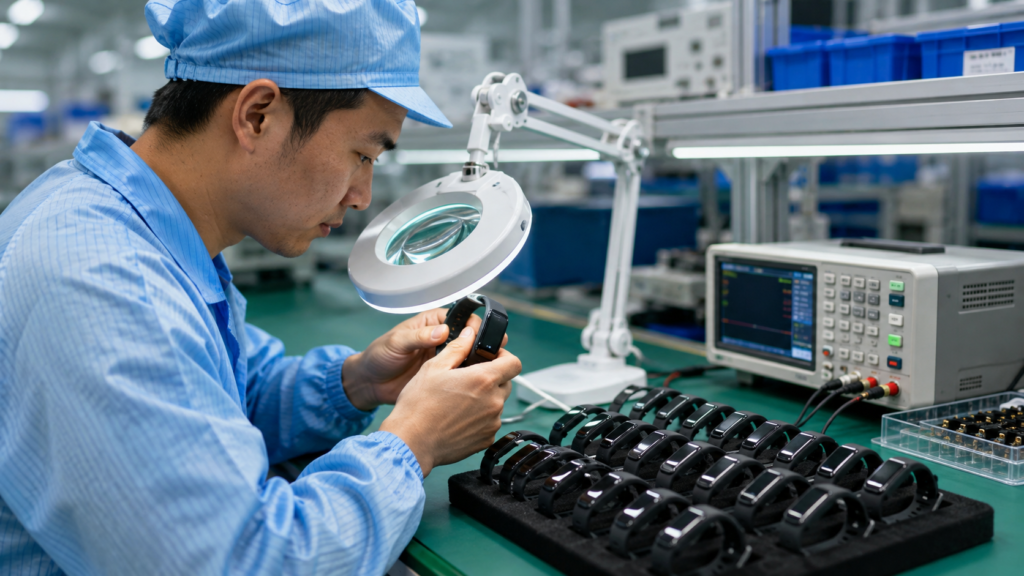
AI Translators for Southeast Asia’s E‑commerce Sellers: 7 Essential Buying Steps (2026 Guide)
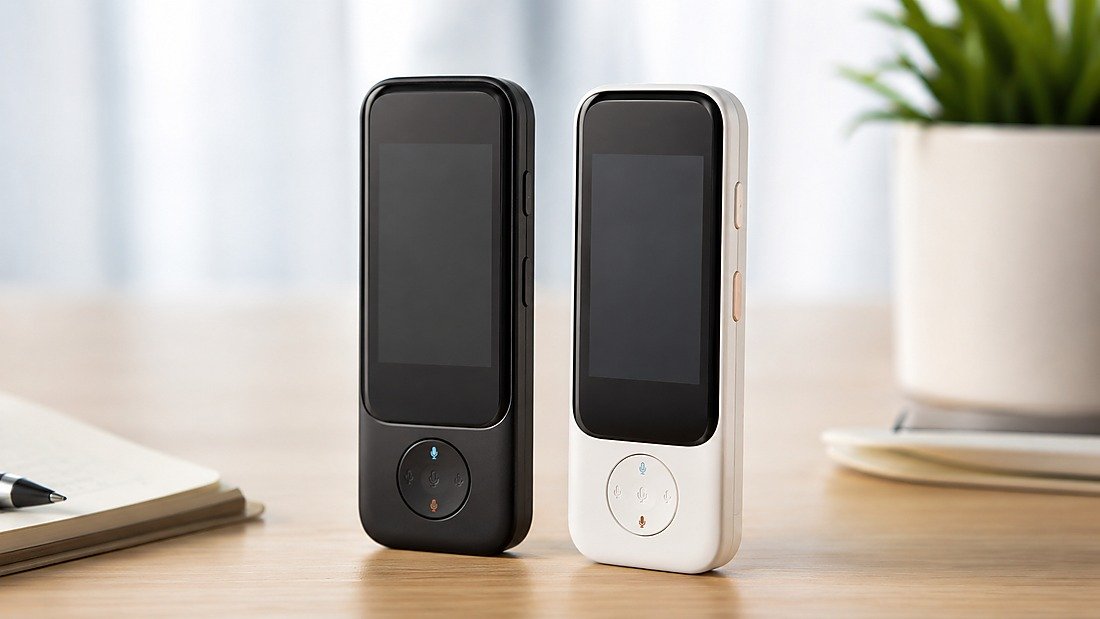
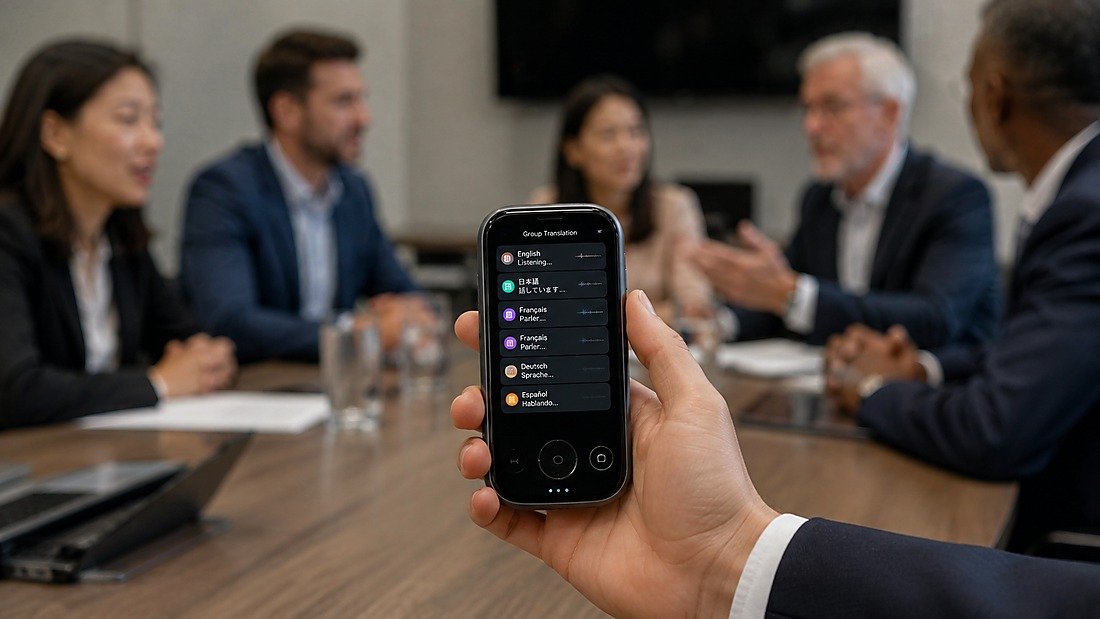
AI translators for e-commerce sellers are handheld or wearable devices that capture speech, convert it to text, and output a translated voice or display in near real time. They typically support multiple languages and may require app pairing or a SIM/data connection. For Southeast Asian e-commerce sellers, these devices can reduce miscommunication in cross-border sourcing and customer service.
Table of Contents
Table of Contents
Short Answer: To source AI translators for e-commerce, focus on language coverage, offline capability, and connectivity tailored for Southeast Asia. Verify MOQs, sample costs, and compliance like CE and RoHS before scaling. Expect unit prices from $40 to $120 for mid-range models, and plan for 20–30 days lead time after sample approval.
AI translators for e-commerce sellers: Table of Contents
- Introduction
- Key Takeaways
- Key Facts for Buyers
- Step 1: Assess Your Market and Language Needs
- Step 2: Define Product Specifications and Features
- Step 3: Evaluate Suppliers and OEM/ODM Capabilities
- Step 4: Understand MOQ, Pricing, and Cost Drivers
- Step 5: Sample Testing and Validation
- Step 6: Quality Control and Certifications
- Step 7: Logistics, Packaging, and After-Sales
- Comparison Table: Entry-Level vs. Premium AI Translators
- Common Mistakes and Buyer Red Flags
- Practical Buyer Checklist
- FAQ
- Conclusion
Key Takeaways
- Prioritize AI translators that support major Southeast Asian languages and work offline or with local SIM cards.
- Verify supplier credentials, request samples, and clarify MOQs, lead times, and certification requirements.
- Budget for landed costs including shipping, duties, and potential certification fees.
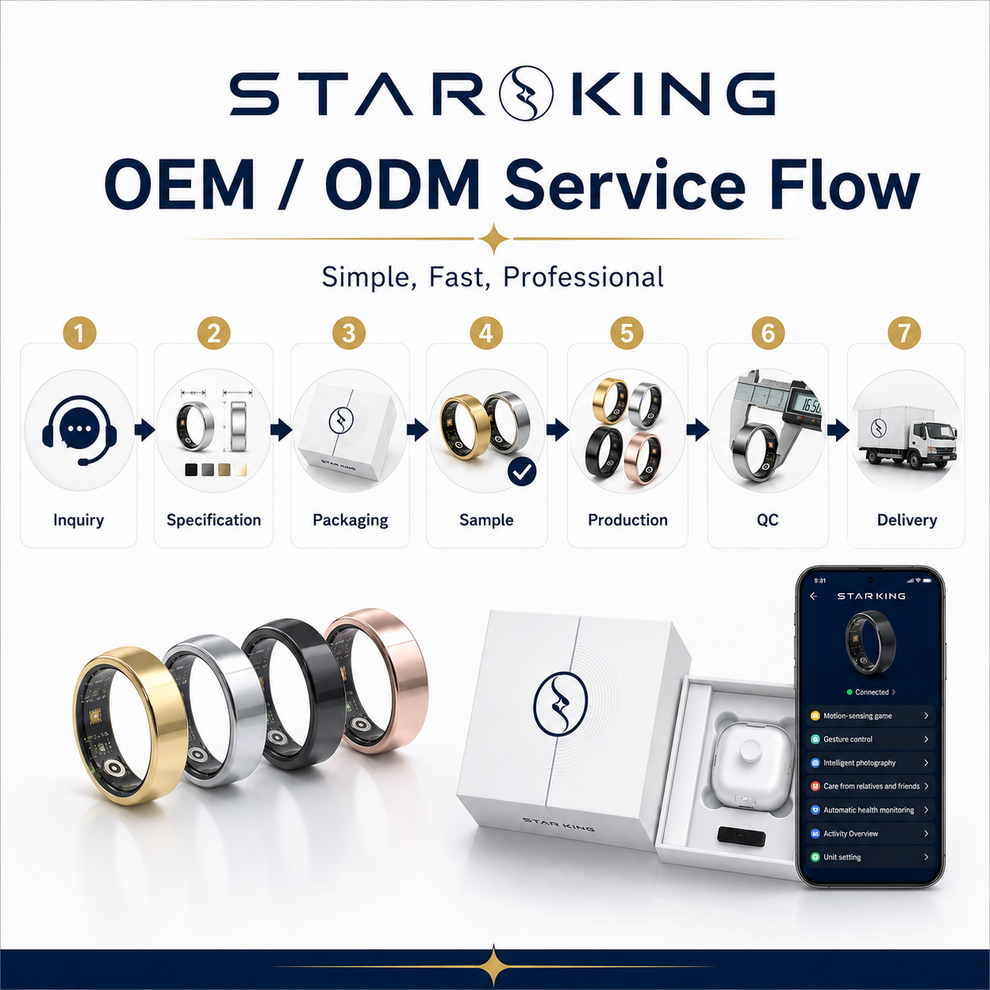
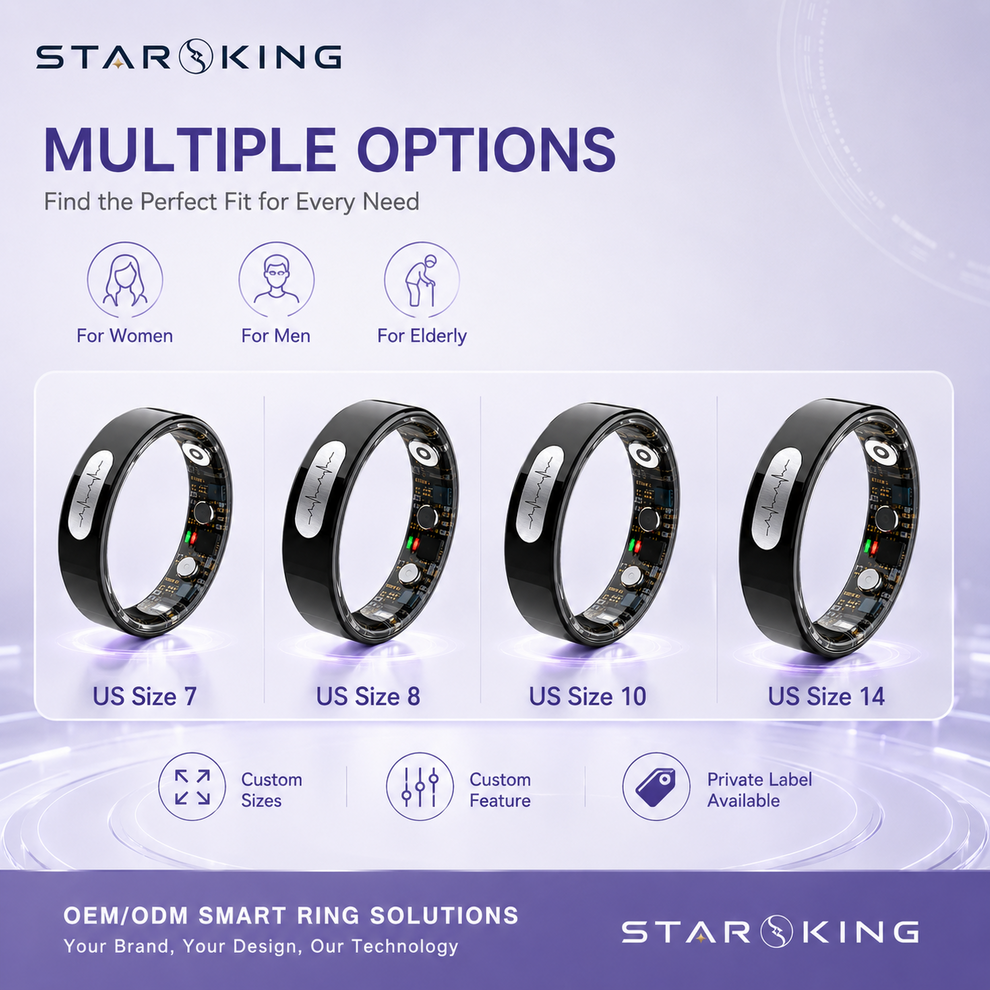
- Leverage OEM/ODM services to customize branding, packaging, and app features for your market.
Key Facts for Buyers
| Factor | Typical Range / Options |
|---|---|
| Languages supported | 40–80+ languages, including Bahasa Indonesia, Thai, Vietnamese, Filipino |
| Connectivity | Wi-Fi, Bluetooth, 4G LTE (SIM slot), offline mode |
| Battery life | 6–12 hours of active translation |
| MOQ | 500–1,000 units for standard models; higher for full customization |
| Sample cost | $50–$150 per unit (often refundable against bulk order) |
| Unit price (FOB) | $40–$120 depending on features and order volume |
| Lead time | 20–30 days after sample approval for standard orders |
| Certifications | CE, FCC, RoHS, UN38.3 (if lithium battery) – verify per product and destination |
Step 1: Assess Your Market and Language Needs
Southeast Asia is a diverse region with over 1,000 languages. For e-commerce sellers, the primary languages for customer communication and supplier negotiations include Bahasa Indonesia, Thai, Vietnamese, Filipino, and Malay. Your AI translator must handle these languages accurately, including regional accents. Consider whether your target customers need offline translation (e.g., in rural areas) or if Wi‑Fi/4G is sufficient. Also, evaluate if the device should support two-way conversation or one-way speech-to-text.
Step 2: Define Product Specifications and Features
Key specs to define: supported languages, translation accuracy, response time, battery life, connectivity options (Wi‑Fi, Bluetooth, SIM), screen size, and form factor (handheld, wearable, earbud). For e-commerce sellers, portability and ease of use are critical. Decide if you need additional features like voice recording, photo translation, or integration with e-commerce platforms. Document your must-haves vs. nice-to-haves to guide supplier discussions.
Step 3: Evaluate Suppliers and OEM/ODM Capabilities
When sourcing AI translators, look for manufacturers with proven experience in AI hardware and multilingual devices. Request company profiles, client references, and factory audit reports. Assess their OEM/ODM capabilities: can they customize firmware, app, logo, and packaging? Do they offer private label solutions? For Southeast Asia, ask about their experience with local languages and compliance requirements. STAR KING, for example, offers private label OEM/ODM solutions for AI translators, allowing you to tailor the device to your brand.
[Image: AI translator for e-commerce sellers being used in a retail setting]
Step 4: Understand MOQ, Pricing, and Cost Drivers
Minimum order quantities (MOQs) for AI translators typically range from 500 to 1,000 units for standard models, and can be higher for full customization (e.g., custom mold, unique app). Pricing depends on hardware specs, order volume, customization level, and components (e.g., chipset, microphone array, battery). Always request a detailed quotation breakdown including unit price, tooling costs (if any), packaging, and certification fees. Consider total landed cost: product cost + shipping + import duties + taxes. For Southeast Asia, import duties vary by country; check with a customs broker.
Step 5: Sample Testing and Validation
Before committing to bulk, order samples and test them rigorously. Evaluate translation accuracy for your target languages, battery life, connectivity in local network conditions, and build quality. Test the companion app for ease of use and feature completeness. If possible, conduct field tests with actual users in Southeast Asia. Document issues and request improvements from the supplier. Sample costs are often refundable against bulk orders, so clarify this upfront.
Step 6: Quality Control and Certifications
Ensure the supplier has a robust quality control process: incoming material inspection, in‑line checks, and pre‑shipment inspection. Request test reports for drop, aging, and waterproofing if applicable. For international shipping, certifications such as CE (EU), FCC (US), RoHS (hazardous substances), and UN38.3 (lithium battery transport) may be required. Note that certification requirements depend on the specific product configuration and destination market. Buyers should verify with the supplier and local authorities. For battery safety, refer to IATA lithium battery guidance.
[Image: Quality control testing of AI translators for e-commerce sellers]
Step 7: Logistics, Packaging, and After-Sales
Plan your logistics: sea freight for large orders (20–30 days) or air freight for urgent needs. Ensure packaging is retail-ready and includes multilingual manuals. Discuss warranty terms (typically 12 months) and spare parts availability. For after‑sales support, clarify if the supplier provides technical support or RMA processes. Also, consider whether the device requires app updates and who handles them.
Comparison Table: Entry-Level vs. Premium AI Translators
| Feature | Entry-Level | Premium |
|---|---|---|
| Languages | 40–50 | 80+ |
| Offline translation | Limited or none | Yes, for major languages |
| Connectivity | Wi‑Fi only | Wi‑Fi, Bluetooth, 4G LTE |
| Battery life | 6–8 hours | 10–12 hours |
| MOQ | 500 units | 1,000 units |
| Unit price (FOB) | $40–$70 | $80–$120 |
| Customization | Logo, packaging | Full ODM, custom app |
Common Mistakes and Buyer Red Flags
- Ignoring language accuracy for Southeast Asian languages.
- Overlooking connectivity requirements (e.g., no SIM slot where needed).
- Not verifying certifications for target markets.
- Underestimating total landed cost.
- Choosing suppliers without auditing their quality control.
- Failing to secure sample refund agreements.
- Neglecting after‑sales support and warranty terms.
Practical Buyer Checklist
- Define required languages and offline capability.
- Request samples and test with local users.
- Verify supplier certifications and quality control.
- Clarify MOQ, pricing, and lead time.
- Confirm packaging and branding options.
- Calculate landed cost including duties and taxes.
- Agree on warranty and after‑sales support.
Buyers can also review STAR KING AI Translators OEM/ODM options to compare product positioning, customization scope, and sample planning.
FAQ
What is the typical MOQ for AI translators?
Standard models often have MOQs of 500–1,000 units. Full customization may require 1,000+ units. Always negotiate based on your volume.
Do AI translators require certifications for Southeast Asia?
Certification requirements vary by country. Common ones include CE, FCC, and UN38.3 for batteries. Verify with local authorities.
Can I customize the app and packaging?
Yes, many OEM/ODM suppliers offer app customization and private label packaging. Discuss with your supplier.
What is the lead time for bulk orders?
Typically 20–30 days after sample approval, depending on order size and customization.
How accurate are AI translators for Southeast Asian languages?
Accuracy varies. Test with native speakers and request accuracy reports from suppliers.
What are the shipping options for lithium battery devices?
Lithium batteries require special handling. Sea freight is common for bulk; air freight is possible with UN38.3 certification. Refer to IATA guidelines.
Conclusion
Sourcing AI translators for Southeast Asia’s e-commerce market requires careful planning. By following these seven steps, you can select the right product, supplier, and terms to meet your business goals. Remember to validate samples, verify compliance, and calculate total costs. With the right partner, you can tap into the growing demand for cross‑language communication tools.
Ready to source AI translators for your e-commerce business? Request samples today and discuss OEM/ODM options with STAR KING. Request product samples to start your evaluation.
Discuss Your Smart Wearable OEM/ODM Project
Planning a smart ring, smart watch, smart band, AI glasses, AI translator, or AI voice mouse project? Contact STAR KING to discuss product positioning, sample testing, customization scope, certification requirements, lead time, and quotation details.

Team Star King

Scan WhatsApp QR code
Leave a Reply