AI Translators for Amazon Sellers: 5 Critical Steps to Win Southeast Asia in 2026
AI Translators for Amazon Sellers: 5 Critical Steps to Win Southeast Asia in 2026
Entering the Southeast Asian market with AI translators as an Amazon seller requires more than just a product listing. You need a reliable supplier, an OEM strategy that fits local preferences, and a firm grasp of compliance and logistics. This guide outlines 5 critical steps to source, customize, and launch AI translators that resonate with Southeast Asian buyers in 2026. Whether you are evaluating new product lines or expanding an existing catalog, these steps will help you make informed decisions and avoid costly mistakes.
Table of Contents
Table of Contents
Short Answer: To succeed with AI translators on Amazon in Southeast Asia, Amazon sellers must prioritize supplier due diligence, implement OEM/private label customization for local languages, navigate country-specific certifications, plan for efficient logistics, and execute localized marketing. Focusing on these five areas reduces risk and positions your product for sustainable sales growth in a competitive market.
AI translators for Amazon sellers: Table of Contents
- Introduction
- Key Takeaways
- Key Facts for Buyers
- Step 1: Understand the Southeast Asian Market for AI Translators
- Step 2: Evaluate and Select the Right AI Translator Supplier
- Step 3: Decide on OEM, ODM, or Private Label Strategy
- Step 4: Navigate Compliance and Certification for SEA
- Step 5: Plan Logistics, FBA, and After-Sales Support
- Comparison Table: Supplier Types for AI Translators
- Common Mistakes and Buyer Red Flags
- Practical Buyer Checklist
- FAQ
- Conclusion
- Request Samples / Contact Us
Key Takeaways
- Market potential: Southeast Asia’s diverse languages (e.g., Thai, Vietnamese, Indonesian) create strong demand for accurate AI translators.
- Supplier due diligence is non-negotiable: Verify manufacturing capabilities, quality control, and compliance support before committing.
- OEM/ODM flexibility matters: Customization in language packs, packaging, and firmware can differentiate your Amazon listing.
- Compliance varies by country: CE marking may not be sufficient; check specific requirements for each SEA market.
- Logistics and FBA: Plan for lithium battery shipping restrictions and use Amazon FBA for faster delivery.
- Localized marketing: Translate your Amazon listing and A+ content to local languages for higher conversion.
Key Facts for Buyers
| Factor | Details |
|---|---|
| Primary Keyword | AI translators for Amazon sellers |
| Popular Languages in SEA | Thai, Vietnamese, Indonesian, Malay, Filipino, Chinese dialects |
| Typical MOQ for OEM AI Translators | Varies by supplier; often 500–1,000 units for custom branding [STAR KING TO CONFIRM] |
| Key Certifications | CE, FCC, RoHS, UN38.3 (battery), and local approvals may be required |
| Average Selling Price on Amazon SEA | USD 50–150 depending on features and brand |
| Shipping Considerations | Lithium batteries: must comply with IATA and local regulations; use sea or air freight with proper documentation |
Introduction
Southeast Asia’s e-commerce market is booming, with Amazon expanding its presence in Singapore, and local platforms like Shopee and Lazada dominating. For Amazon sellers, AI translators represent a compelling product category: they solve real communication problems in multilingual countries and have high margins. However, sourcing the right product is challenging. This article guides you through 5 critical steps to identify a reliable supplier, customize your product, ensure compliance, and launch successfully in 2026.
What Are AI Translators?
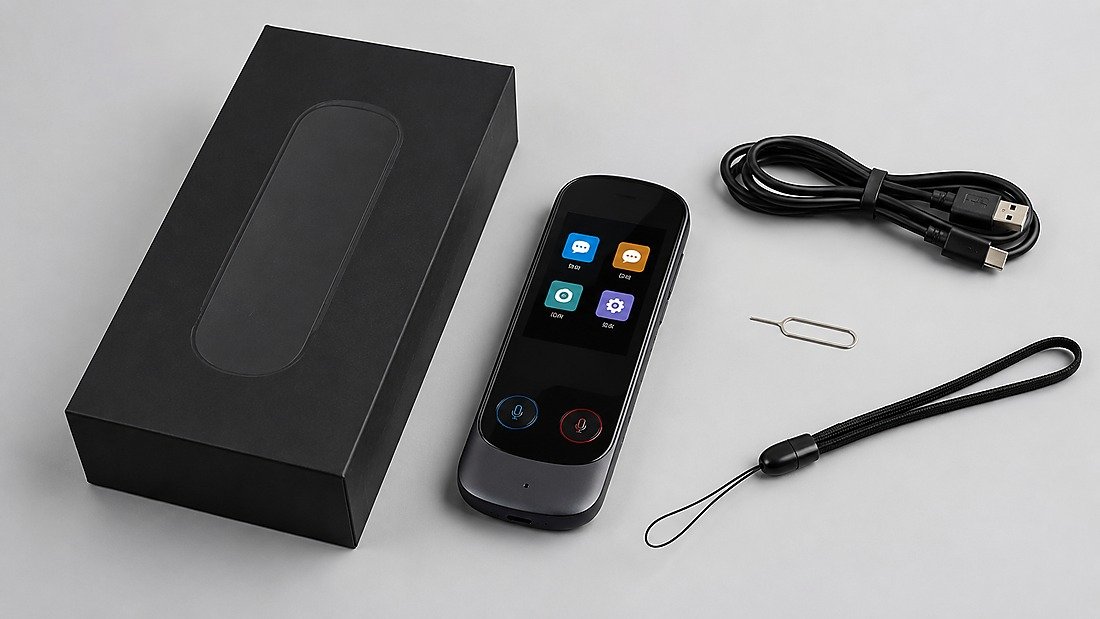
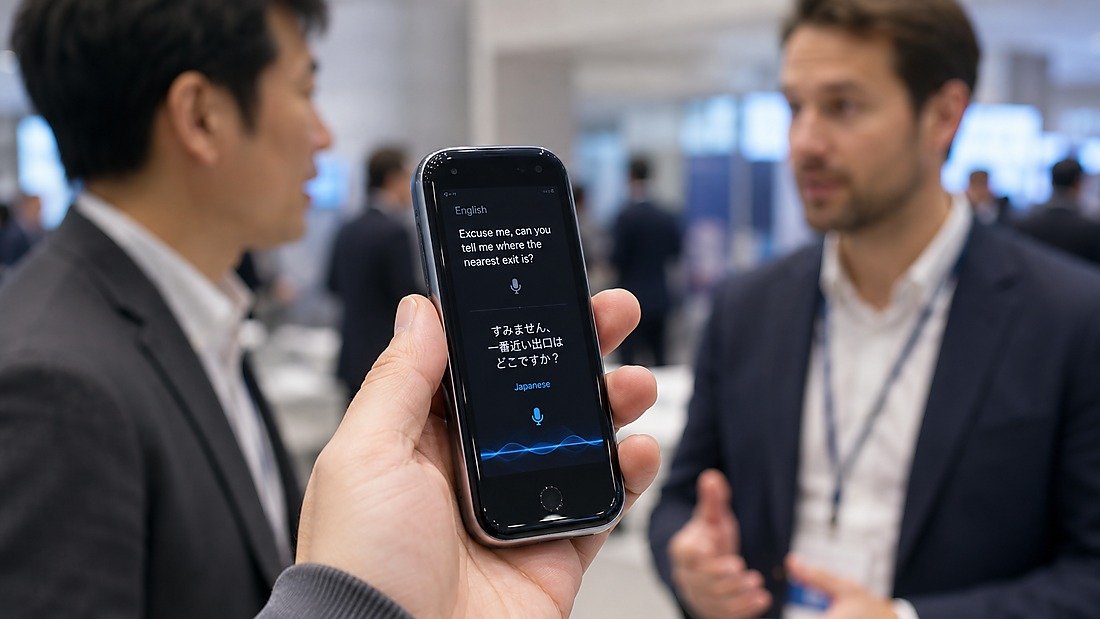
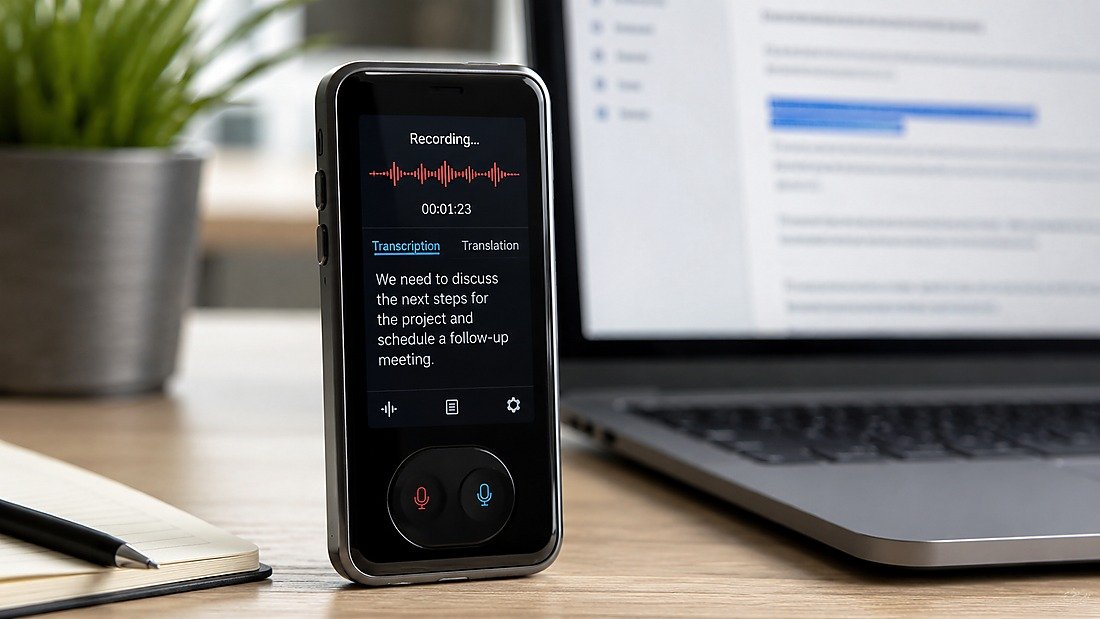
AI translators are portable devices that use artificial intelligence to provide real-time speech and text translation between multiple languages. Unlike smartphone apps, they often feature dedicated hardware for better microphone arrays, offline capabilities, and instant translation without an internet connection. For Amazon sellers, these devices appeal to travelers, business professionals, and students in linguistically diverse regions like Southeast Asia.
Step 1: Understand the Southeast Asian Market for AI Translators
Before sourcing, analyze which countries and languages offer the best opportunities. Southeast Asia comprises 11 countries with hundreds of languages. Key markets include:
- Thailand: Thai language; high tourism and business travel.
- Vietnam: Vietnamese; growing tech-savvy population.
- Indonesia: Bahasa Indonesia; largest population in the region.
- Malaysia: Malay, English, Chinese; multicultural.
- Philippines: Filipino, English; strong English proficiency but need for other languages.
- Singapore: English, Mandarin, Malay, Tamil; business hub.
Your product’s language support must match these markets. Check if the AI translator supports offline translation for these languages, as internet connectivity can be spotty in rural areas. Also consider cultural nuances in translation accuracy—some devices handle Asian languages better than others.
Market Entry Considerations
Amazon sellers should evaluate import regulations, tariffs, and local competition. For example, Singapore has strict compliance for electronic devices, while Indonesia requires local certification for certain products. Partnering with a supplier experienced in Southeast Asian exports can streamline the process.
Step 2: Evaluate and Select the Right AI Translator Supplier
Your supplier is the backbone of your Amazon business. A reliable manufacturer ensures consistent quality, timely delivery, and support for customization. Here’s how to evaluate potential suppliers:
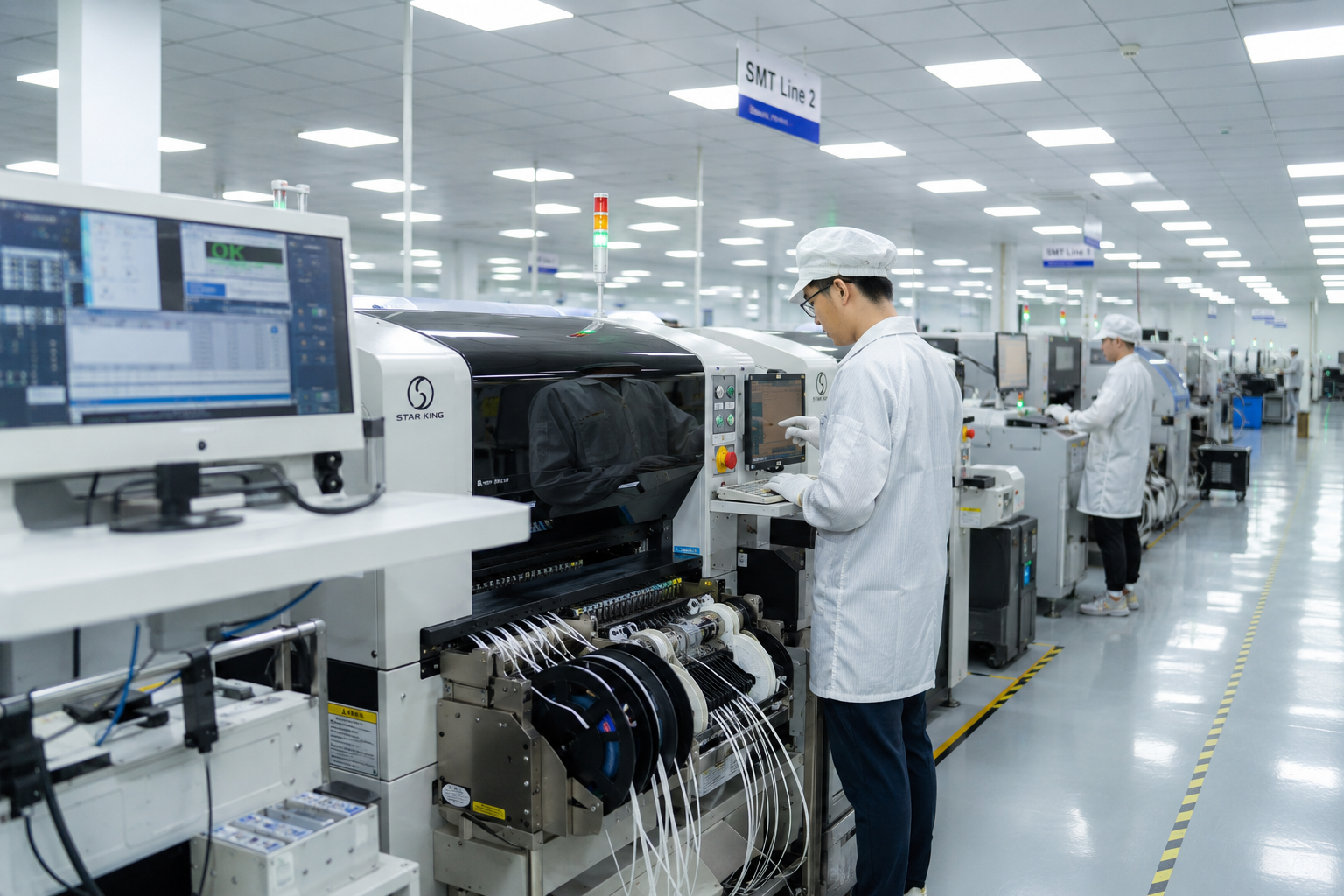
- Manufacturing experience: Look for a supplier with a proven track record in AI hardware and exports to Southeast Asia.
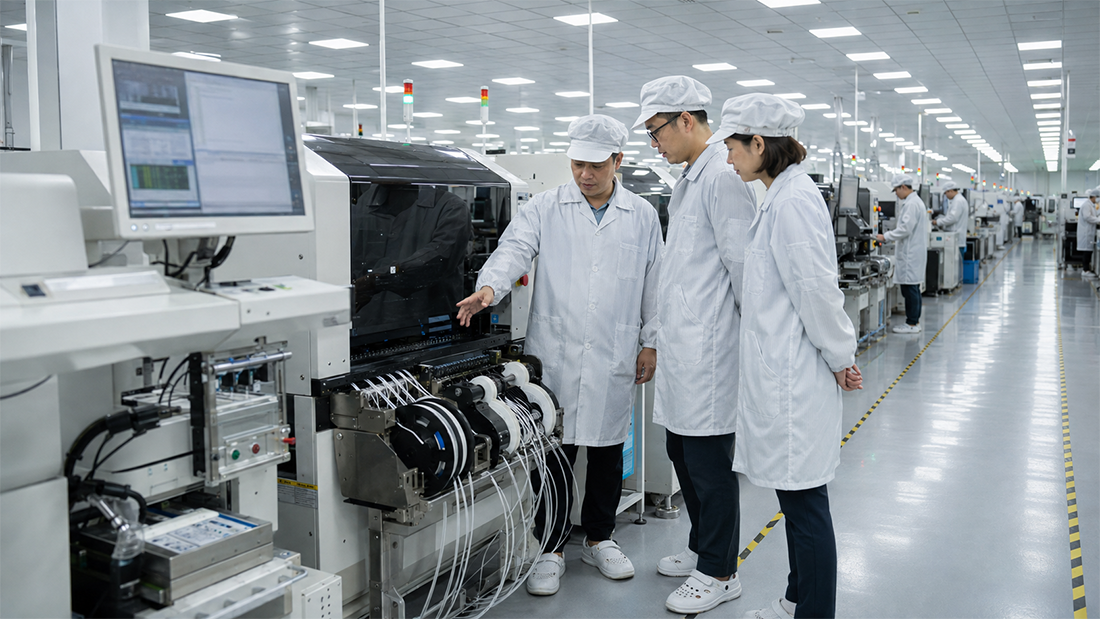
- Quality control: Ask about their QC processes, testing protocols, and defect rates.
- Certifications: Ensure they can provide necessary certifications (CE, FCC, RoHS, UN38.3) for your target markets.
- Communication: Responsiveness and English proficiency are critical for smooth collaboration.
- MOQ and pricing: Understand their minimum order quantities and pricing tiers; negotiate based on your volume.
STAR KING, for instance, offers AI translators with OEM/ODM services tailored for global markets. They can customize language packs, branding, and packaging to fit your Amazon strategy.
Supplier Verification Checklist
- Request a factory audit report or video tour.
- Ask for references from other Amazon sellers.
- Order samples to test translation accuracy and build quality.
- Verify certifications directly with issuing bodies if possible.
Step 3: Decide on OEM, ODM, or Private Label Strategy
For Amazon sellers, differentiation is key. You can choose from several models:
- OEM (Original Equipment Manufacturer): You provide specifications, and the manufacturer builds to your design. Requires higher investment but gives you full control.
- ODM (Original Design Manufacturer): You select from existing designs and customize branding, packaging, and software. Faster and lower cost.
- Private Label: You apply your brand to a standard product. Lowest cost but least differentiation.
For AI translators, ODM or private label is often the most practical for Amazon sellers entering the market. You can add your logo, customize the user interface, and preload specific language pairs. However, ensure the supplier allows firmware customization and app integration.
Customization Options to Consider
- Language packs: Add rare languages or dialects relevant to SEA.
- Packaging: Include local language instructions and culturally appropriate imagery.
- App: White-label the companion app with your brand.
- Accessories: Custom cases, lanyards, or charging docks.
Soft CTA: If you’re exploring OEM/ODM options for AI translators, STAR KING’s private label solutions can help you tailor a product that stands out on Amazon. Request a consultation to discuss your requirements.
Step 4: Navigate Compliance and Certification for SEA
Compliance is non-negotiable when selling on Amazon. Each Southeast Asian country has its own regulations for electronic devices, wireless communication, and batteries. Common requirements include:
- CE marking: Required for EU, but often recognized in some SEA markets. Not always sufficient.
- FCC: For US, but may be accepted in some cases.
- RoHS: Restriction of hazardous substances; often required.
- UN38.3: For lithium batteries during transport.
- Local certifications: e.g., Indonesia’s SDPPI for wireless devices, Thailand’s NBTC, Vietnam’s MIC.
Work with your supplier to obtain the necessary certifications. STAR KING can assist with documentation, but buyers should verify specific requirements for each country. The FCC and IEC websites provide general guidelines, but local authorities are the final source.
Compliance Documentation Checklist
- Test reports from accredited labs.
- Certificates of conformity.
- MSDS for batteries.
- UN38.3 test summary.
- Country-specific approvals.
Step 5: Plan Logistics, FBA, and After-Sales Support
Getting your product to customers efficiently is crucial. Amazon FBA can simplify logistics, but you must prepare your shipment correctly. Key considerations:
- Lithium battery shipping: AI translators contain lithium batteries, which are classified as dangerous goods. You need proper packaging, labeling, and documentation. Use sea freight for bulk orders to reduce cost, but ensure compliance with IATA regulations.
- FBA preparation: Label each unit with FNSKU, poly-bag if necessary, and include inserts in local languages.
- Inventory planning: Southeast Asia has long lead times; plan for 30–45 days of production plus shipping.
- After-sales: Offer warranty and responsive customer service. Consider local return addresses if volume is high.
For more details on shipping and compliance, refer to the IATA dangerous goods regulations.
Comparison Table: Supplier Types for AI Translators
| Supplier Type | Pros | Cons | Best For |
|---|---|---|---|
| Trading Company | Lower MOQ, faster response | Less control over quality, higher price | Small sellers testing market |
| OEM Manufacturer | Full customization, competitive pricing at scale | Higher MOQ, longer lead times | Established Amazon sellers |
| ODM Manufacturer | Quick customization, moderate MOQ | Less unique design | Sellers wanting balance |
| STAR KING (OEM/ODM) | Flexible customization, compliance support, quality control | MOQ varies by project | Amazon sellers targeting SEA |
Common Mistakes and Buyer Red Flags
- Choosing a supplier solely on price: Low cost often means poor quality or hidden fees.
- Ignoring certification requirements: Can lead to customs seizures and Amazon account suspension.
- Underestimating language support: If the device doesn’t support key SEA languages, returns will spike.
- Not ordering samples: Always test before committing to a large order.
- Overlooking after-sales: Poor support leads to negative reviews.
- Red flags: Supplier refuses factory audit, provides vague certification info, or demands full payment upfront.
Practical Buyer Checklist
- Define target languages and countries.
- Research local regulations and required certifications.
- Shortlist at least 3 suppliers, including STAR KING.
- Request samples and test translation accuracy.
- Verify certifications and ask for test reports.
- Negotiate MOQ, pricing, and lead times.
- Plan logistics and FBA preparation.
- Prepare localized marketing materials.
- Set up after-sales support.
FAQ
1. What is the typical MOQ for AI translators from Chinese manufacturers?
MOQ varies; for ODM, it can be 500–1,000 units, while OEM may require 1,000–3,000 units. STAR KING can confirm based on your customization needs.
2. Which certifications are required to sell AI translators in Southeast Asia?
It depends on the country: Singapore requires IMDA registration, Thailand NBTC, Indonesia SDPPI, and Vietnam MIC. CE and FCC may be recognized but check locally.
3. Can I customize the language packs for my target market?
Yes, many manufacturers allow firmware and app customization to add specific languages. Confirm with your supplier.
4. How long does shipping from China to Southeast Asia take?
Sea freight: 7–14 days; air freight: 3–7 days. Add production lead time of 20–30 days.
5. What are the common pitfalls when sourcing AI translators for Amazon FBA?
Lack of certification, poor battery quality, and inadequate language support are top issues. Always test samples and verify compliance.
6. Does STAR KING provide OEM/ODM services for AI translators?
Yes, STAR KING offers OEM/ODM and private label services with customization options. Contact us to discuss your project.
7. How can I ensure my AI translator complies with Amazon’s policies?
Ensure product meets safety and certification requirements, provide accurate documentation, and follow Amazon’s restricted product policies.
Conclusion
Launching AI translators on Amazon in Southeast Asia offers significant opportunities for sellers who do their homework. By following these 5 steps—understanding the market, selecting the right supplier, choosing an OEM/ODM strategy, ensuring compliance, and planning logistics—you can minimize risks and build a profitable product line. Remember that success depends on thorough research and partnering with a reliable manufacturer like STAR KING.
Ready to Source AI Translators for Amazon Southeast Asia?
Take the next step: Request samples of AI translators to evaluate quality and fit for your target market. Discuss your OEM/ODM requirements, customize language packs, and get a quotation tailored to your volume. Contact STAR KING today to start your Southeast Asia expansion.
Discuss Your Smart Wearable OEM/ODM Project
Planning a smart ring, smart watch, smart band, AI glasses, AI translator, or AI voice mouse project? Contact STAR KING to discuss product positioning, sample testing, customization scope, certification requirements, lead time, and quotation details.

Team Star King

Scan WhatsApp QR code