
AI translators for Amazon sellers: 7 Critical Steps to Source AI Translators for Amazon Sellers in Southeast Asia
October 24, 2026 · Team Star King
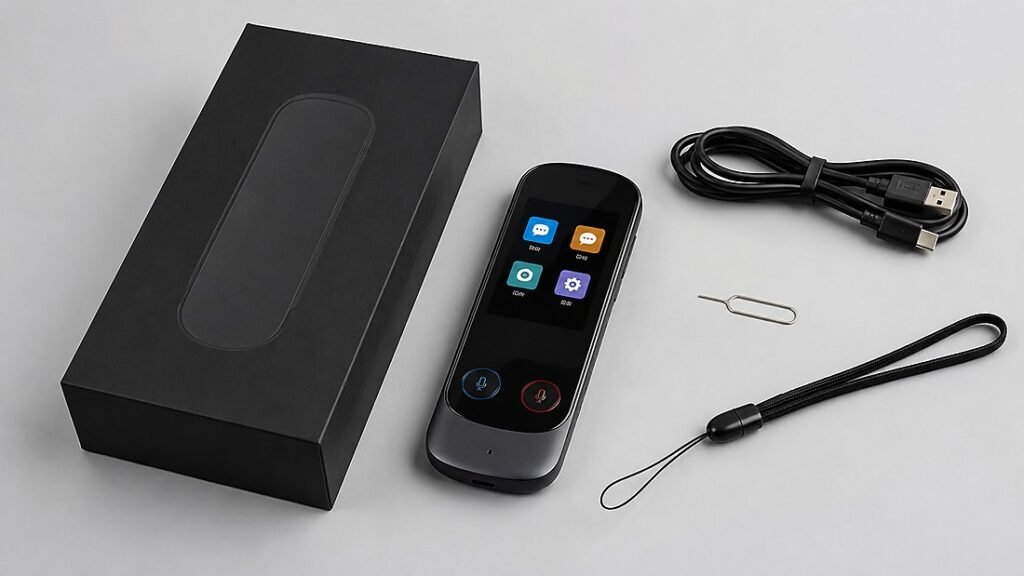
7 Critical Steps to Source AI Translators for Amazon Sellers in Southeast Asia
If you are an Amazon seller expanding into Southeast Asia, sourcing the right AI translators can give you a competitive edge. This guide walks you through seven critical steps to evaluate suppliers, navigate MOQs, ensure compliance, and manage quality—so you can launch a profitable private-label product. Based on current market trends, a structured sourcing process typically reduces risks and improves margins. Below, we break down each step with actionable checklists and real-world considerations.
Table of Contents
Table of Contents
AI translators for Amazon sellers: Table of Contents
- Short Answer
- Key Takeaways
- Key Facts for Buyers
- Step 1: Understand Southeast Asia Market Demand
- Step 2: Identify Reliable AI Translator Suppliers
- Step 3: Choose OEM/ODM/Private Label Model
- Step 4: Evaluate MOQ and Pricing Factors
- Step 5: Sample Testing and Validation
- Step 6: Understand Certifications and Compliance
- Step 7: Plan Quality Control and Logistics
- Comparison Table: Supplier Evaluation Criteria
- Common Mistakes & Buyer Red Flags
- Buyer Checklist
- FAQ
- Conclusion
Short Answer
To source AI translators for Amazon sellers in Southeast Asia, prioritize suppliers with proven multilingual support, transparent MOQs, and necessary certifications (e.g., CE, FCC). Validate samples for accuracy and battery life, and plan for logistics including lithium battery shipping. A structured 7-step process helps mitigate risks and ensures a product that meets local demand.
Key Takeaways
- Focus on languages critical for Southeast Asia: Indonesian, Thai, Vietnamese, Malay, and English.
- Verify supplier credentials: experience, certifications, and client references.
- Understand cost drivers: MOQ, customization, and certification impact pricing.
- Always test samples for translation accuracy, battery performance, and durability.
- Ensure compliance with local regulations, including IMDA in Singapore and SIRIM in Malaysia.
Key Facts for Buyers
| Consideration | Details |
|---|---|
| Target Languages | Indonesian, Thai, Vietnamese, Malay, English, Mandarin (for Singapore) |
| Typical MOQ | 500–1,000 units for private label |
| Certifications | CE, FCC, RoHS, UN38.3 (battery), IMDA (Singapore), SIRIM (Malaysia) |
| Sample Lead Time | 7–14 days |
| Production Lead Time | 30–45 days after sample approval |
| Shipping | Lithium batteries require special handling; sea freight recommended for bulk |
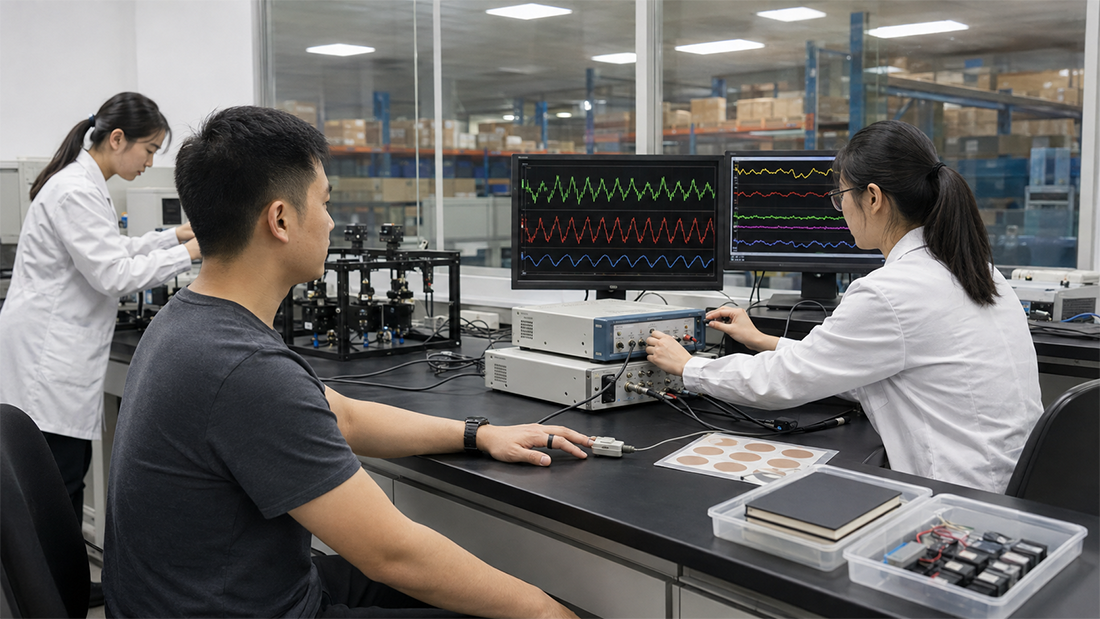
Step 1: Understand Southeast Asia Market Demand
Southeast Asia is a linguistically diverse region with over 1,000 languages spoken across Indonesia, Thailand, Vietnam, Malaysia, Singapore, and the Philippines. For Amazon sellers, targeting cross-border communication needs—such as travelers, business professionals, and expatriates—can be lucrative. Research local e-commerce trends: in Indonesia, platforms like Tokopedia and Shopee dominate, while Amazon has a growing presence in Singapore. Focus on devices that support real-time translation between English and key local languages. A compact AI translator with offline capabilities may appeal to users in areas with spotty connectivity.
Language Prioritization
Not all languages are equally demanded. Prioritize Indonesian, Thai, Vietnamese, and Malay, as these cover the largest populations. Consider adding Mandarin for Singapore’s business community. Ensure the device’s firmware can be updated to add languages, and check if the supplier provides OTA updates.
Step 2: Identify Reliable AI Translator Suppliers
China remains a hub for AI hardware manufacturing, but not all suppliers are equal. Look for suppliers with experience in AI translators and a track record in exporting to Southeast Asia. Verify their business license and factory audit reports. Request client references—preferably from other Amazon sellers. A reliable supplier will be transparent about their capabilities and provide samples for testing.
Supplier Evaluation Criteria
- Experience: At least 3–5 years in AI hardware production.
- Certifications: ISO 9001, and product certifications as required.
- Communication: Responsive English-speaking support.
- Customization: Ability to customize firmware, app, and packaging.
For more on supplier verification, see our private label solutions page.
Step 3: Choose OEM/ODM/Private Label Model
Decide whether you need OEM (manufacturing to your specs), ODM (using supplier’s design with your branding), or private label (white-label). For Amazon sellers new to the category, ODM or private label reduces development time and cost. If you have unique features in mind, OEM may be necessary but requires higher investment and longer lead times.
Key Considerations
- OEM: High MOQ (often 1,000+), tooling costs, 60–90 days development.
- ODM: Moderate MOQ (500–1,000), faster turnaround (30–45 days), limited customization.
- Private Label: Low MOQ (sometimes 200–500), logo and packaging customization, quickest to market.
Discuss your needs with suppliers like STAR KING’s AI translator team to explore options.
Step 4: Evaluate MOQ and Pricing Factors
MOQ and pricing are critical for Amazon sellers with limited capital. MOQs vary by supplier and customization level. For private label AI translators, expect MOQs around 500 units. Pricing is influenced by:
- Hardware specs: Screen size, battery capacity, processor.
- Software: Number of languages, offline vs. online translation.
- Customization: Logo, packaging, app branding.
- Certifications: Required certifications add cost.
Request a detailed quotation that breaks down these costs. Use our RFQ form to get started.
Step 5: Sample Testing and Validation
Never skip sample testing. Order samples from 2–3 suppliers and evaluate:
- Translation Accuracy: Test common phrases in target languages.
- Battery Life: Ensure it meets advertised hours.
- Build Quality: Check for durability and ergonomics.
- App Integration: Assess user-friendliness.
Consider third-party testing for performance validation if needed.
Step 6: Understand Certifications and Compliance
Southeast Asian countries have specific certification requirements. For example, Singapore requires IMDA registration for wireless devices, Malaysia requires SIRIM, and Thailand requires NBTC. Additionally, CE, FCC, RoHS, and UN38.3 for batteries may be needed. Verify that your supplier can provide these or assist in obtaining them. Note that certification requirements typically depend on the final product configuration and target market; buyers should verify with local authorities.
For official references, visit the IMDA website and SIRIM QAS.
Step 7: Plan Quality Control and Logistics
Implement a quality control plan: pre-production sample approval, in-line inspections, and pre-shipment inspection. Discuss logistics: lithium batteries require special shipping (UN38.3 test report, MSDS). For Amazon FBA, ensure supplier can handle labeling and packaging. Plan for sea freight to reduce costs for bulk orders.
Comparison Table: Supplier Evaluation Criteria
| Criteria | Supplier A | Supplier B | Supplier C |
|---|---|---|---|
| Experience (years) | 5+ | 3 | 8 |
| MOQ (units) | 500 | 1000 | 300 |
| Languages Supported | 10+ | 5 | 15+ |
| Certifications | CE, FCC, RoHS | CE, FCC | CE, FCC, RoHS, UN38.3 |
| Sample Lead Time (days) | 10 | 7 | 14 |
| Production Lead Time (days) | 35 | 30 | 45 |
Common Mistakes & Buyer Red Flags
- Ignoring certification requirements: Selling without proper certification can lead to customs seizure and fines.
- Choosing lowest price: Often results in poor quality and higher returns.
- Not testing samples: Leads to performance issues and negative reviews.
- Overlooking logistics: Lithium battery shipping restrictions can delay delivery.
- Red flag: Supplier unwilling to provide samples or references.
Buyer Checklist
- ☐ Verify supplier business license and factory audit.
- ☐ Request and test samples.
- ☐ Confirm certifications needed for each target country.
- ☐ Clarify MOQ, pricing, and lead times.
- ☐ Agree on quality control process.
- ☐ Plan logistics and shipping terms.
- ☐ Review warranty and after-sales support.
FAQ
1. What is the typical MOQ for private label AI translators?
MOQs vary by supplier; for private label, expect 500–1,000 units. Some suppliers offer lower MOQs for standard models.
2. Which languages should I prioritize for Southeast Asia?
Indonesian, Thai, Vietnamese, Malay, and English are essential. Mandarin is useful for Singapore.
3. Do I need local certifications for each country?
Yes, most Southeast Asian countries require specific certifications for wireless devices. Verify with local authorities.
4. How long does shipping take from China to Southeast Asia?
Sea freight typically takes 7–14 days to major ports; air freight 3–5 days. Lithium batteries may require special handling.
5. Can I customize the app and packaging?
Most suppliers offer app customization (logo, color) and packaging design for private label orders.
6. What warranty is standard?
Typically 12 months. Negotiate for extended warranty if needed.
Conclusion
Sourcing AI translators for Amazon sellers in Southeast Asia requires careful planning. By following these seven steps, you can mitigate risks and launch a product that meets local demand. Focus on supplier verification, sample testing, and compliance to build a successful private-label line.
Ready to Start Your AI Translator Project?
At STAR KING, we specialize in OEM/ODM manufacturing of AI translators with full customization and certification support. Whether you need samples, a quotation, or a discussion about your project, our team is here to help. Request a quotation today and take the first step toward launching your product.
Discuss Your Smart Wearable OEM/ODM Project
Planning a smart ring, smart watch, smart band, AI glasses, AI translator, or AI voice mouse project? Contact STAR KING to discuss product positioning, sample testing, customization scope, certification requirements, lead time, and quotation details.

Team Star King

Scan WhatsApp QR code
Leave a Reply