
AI smart glasses manufacturer: How to Choose an AI Smart Glasses Manufacturer in the UK: 7 Supplier Selection Steps for Private-Label Brands
October 29, 2026 · Team Star King
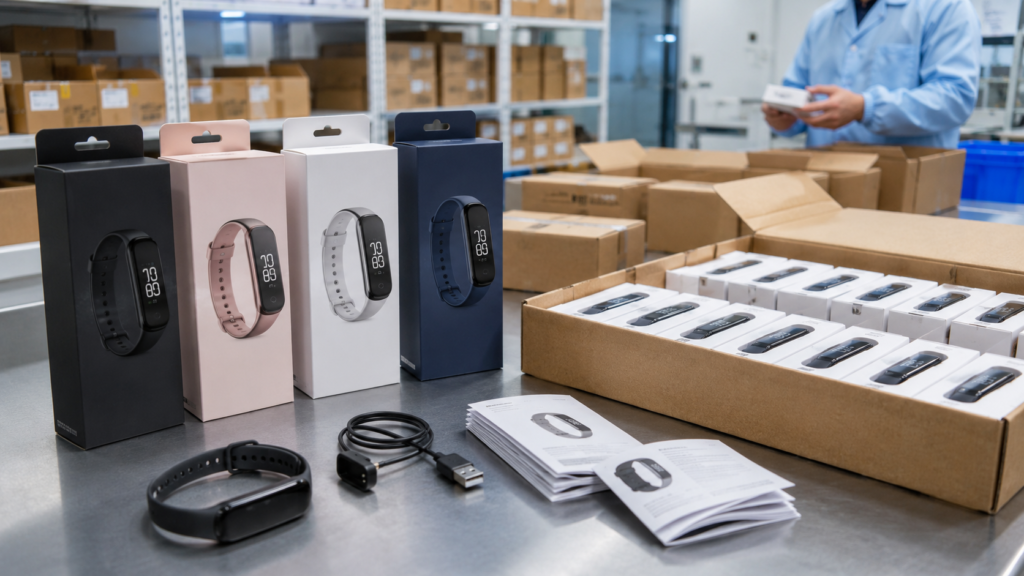
How to Choose an AI Smart Glasses Manufacturer in the UK: 7 Supplier Selection Steps for Private-Label Brands
To choose an AI smart glasses manufacturer for the UK market, private-label brands should follow a structured seven-step evaluation: define the product use case, compare OEM vs ODM, verify factory capability, test samples, confirm certifications (UKCA, CE, FCC, RoHS, UN38.3), agree MOQ and lead time, and lock in IP and tooling ownership. This process reduces risk and protects your brand when sourcing AI hardware from overseas or domestic suppliers.
Table of Contents
Table of Contents
Table of Contents
- Why Supplier Selection Matters for AI Smart Glasses
- 7 Steps to Select an AI Smart Glasses Manufacturer
- Key Facts for Buyers
- OEM vs ODM vs Private Label: Comparison Table
- Common Mistakes and Buyer Red Flags
- Practical Buyer Checklist
- Frequently Asked Questions
- Conclusion

Key Takeaways
- Selecting the right AI smart glasses manufacturer is a supply chain decision, not just a price comparison.
- UK private-label brands must verify UKCA marking, battery safety, and radio equipment compliance.
- OEM and ODM models offer different levels of customization; choose based on your brand’s technical resources.
- Always test samples against a written checklist and validate factory claims through audits or third-party inspections.
- MOQ, lead time, and tooling ownership should be negotiated before committing to a purchase order.

Why Supplier Selection Matters for AI Smart Glasses
AI smart glasses combine advanced sensors, wireless connectivity, and battery technology in a compact form factor. For a private-label brand, the manufacturer you choose directly affects product quality, compliance risk, brand reputation, and long-term profitability. A poor supplier can lead to delayed launches, failed certifications, and costly recalls. A capable supplier becomes a strategic partner who can support iterative product development and scale with your growth.
7 Steps to Select an AI Smart Glasses Manufacturer
Step 1: Define Your Product Use Case and Target Market
Before approaching suppliers, clarify what your AI smart glasses will do and who will buy them. In the UK, key segments include corporate productivity, remote assistance for field workers, retail training, and healthcare support. Each use case has different requirements for audio quality, display type, camera specifications, battery life, and software integration. A clear product brief helps you evaluate suppliers against the right criteria and avoid over- or under-specifying. It also signals to manufacturers that you are a serious buyer.
Step 2: Understand OEM vs ODM vs Private Label Models
The manufacturing model you choose determines your level of control, investment, and time to market.
- OEM (Original Equipment Manufacturer): You provide full specifications, and the factory builds to your design. Requires significant technical resources and higher tooling investment.
- ODM (Original Design Manufacturer): The factory offers a ready-designed product that you can customize with your logo, packaging, and minor hardware changes. Lower upfront cost and faster launch.
- Private Label: A subset of ODM where the product is branded as yours with minimal modifications. Suitable for brands testing the market or with limited R&D capacity.
For a first AI smart glasses product, many private-label brands start with an ODM or private-label model to validate demand before investing in full OEM development.
Step 3: Verify Factory Capability and Quality Management
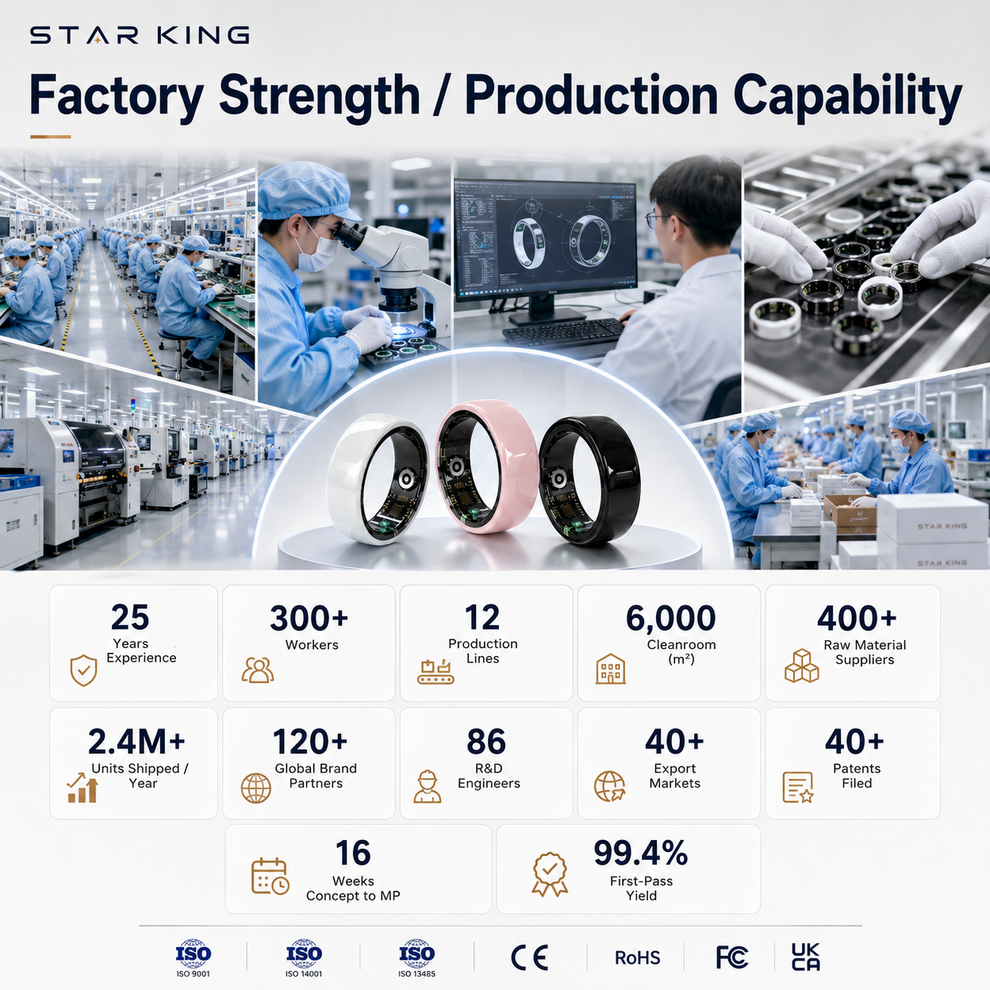
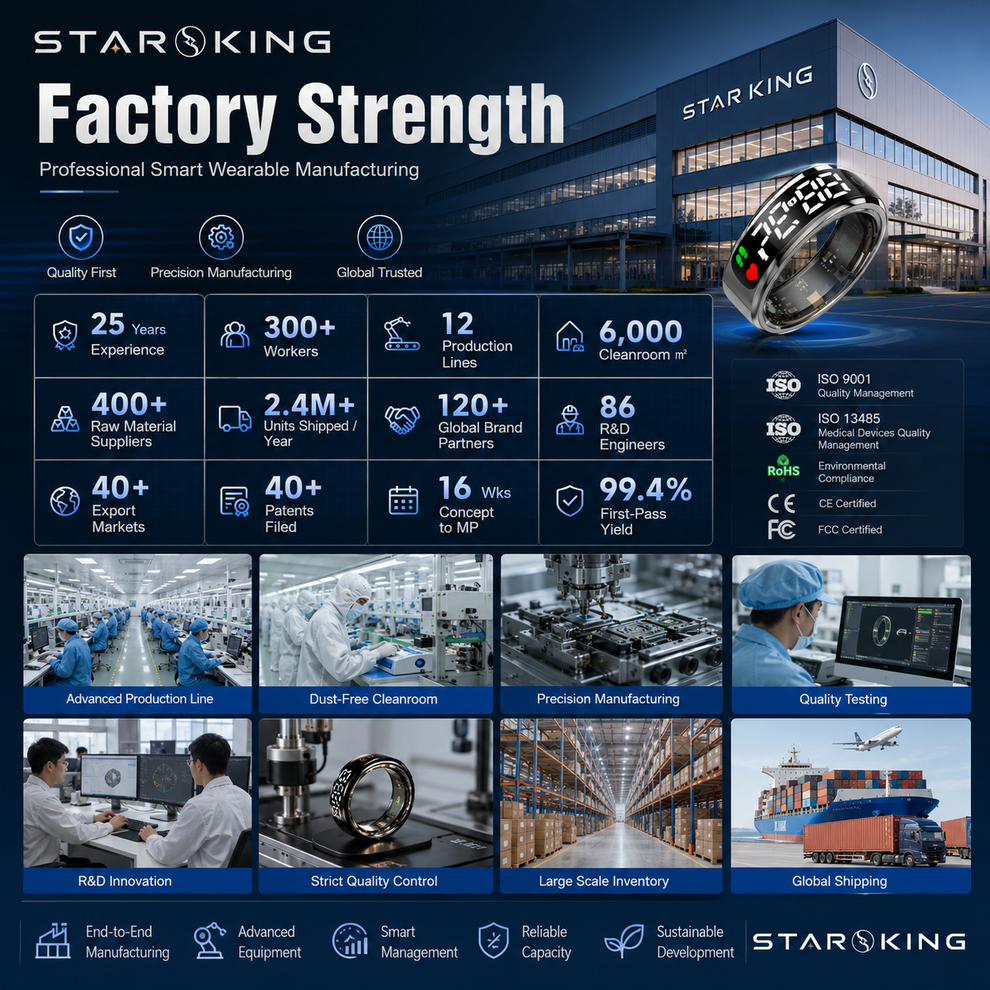
Request a factory audit report, business license, and quality management certifications (e.g., ISO 9001). Ask detailed questions about their production lines, testing equipment, and in-house R&D team. For AI smart glasses, look for experience with miniaturized electronics, optical components, and battery integration. A supplier that only assembles from third-party modules may lack the ability to troubleshoot firmware and hardware issues. Use video calls or third-party inspection services to confirm claims. STAR KING, for example, provides OEM/ODM services for AI smart glasses and can share manufacturing process documentation upon request [STAR KING TO CONFIRM specific certifications]. You can review their private label OEM/ODM solutions for more details.
Step 4: Request and Test Samples Against a Checklist
Never commit to mass production based on photos or spec sheets alone. Order samples and test them in real-world conditions. Your checklist should cover:
- Audio clarity for calls and voice commands
- Display readability in different lighting
- Battery life under typical use
- Connectivity stability (Bluetooth, Wi-Fi)
- App or firmware responsiveness
- Comfort and fit for extended wear
- Build quality and water resistance (if applicable)
Document any issues and ask the supplier for corrective action plans. A responsive supplier will welcome feedback; a defensive one is a red flag.
Step 5: Confirm Certifications and UK Market Compliance
AI smart glasses contain radio equipment and lithium batteries, so they must meet specific regulations. For the UK, UKCA marking is generally required (CE may be accepted in some cases, but buyers should verify current rules). For the EU, CE marking applies. Relevant standards include UKCA for radio equipment, ETSI standards for wireless, and UN38.3 for battery transport. Ask the supplier for test reports and certificates. Ensure they are issued by accredited laboratories and cover the exact model you are purchasing. Certifications are often product-specific, so a certificate for a similar model may not apply. STAR KING can provide compliance documentation for the specific product configuration [STAR KING TO CONFIRM certification status per product].
Step 6: Agree on MOQ, Pricing, and Lead Times
MOQ and lead time vary widely based on the model, customization level, and component availability. ODM models typically have lower MOQs (e.g., 500–1,000 units) than full OEM projects. Discuss pricing tiers, payment terms, and production schedules. Factor in Chinese New Year and other holidays that may affect lead times. Request a detailed production timeline with milestones. For more on MOQ planning, see our blog resources.
Step 7: Protect Intellectual Property and Tooling Ownership
Clarify who owns the design files, molds, and software code. For OEM projects, you should own the tooling and IP. For ODM, the factory may retain ownership of the base design, while you own your brand assets. Sign a Non-Disclosure Agreement (NDA) and a manufacturing agreement that clearly defines IP ownership, confidentiality, and dispute resolution. If the supplier is reluctant to sign, consider it a warning sign.
Key Facts for Buyers
| Consideration | Typical Range / Requirement |
|---|---|
| UK certification | UKCA marking for radio equipment; CE for EU |
| Battery transport | UN38.3 test report required for lithium batteries |
| MOQ for ODM | 500–1,000 units (varies by model) |
| MOQ for OEM | 2,000+ units (depends on tooling) |
| Lead time | 30–60 days for ODM; 90–120 days for OEM |
| Sample cost | Typically $100–$300 per unit, refundable on bulk order |
| Payment terms | 30% deposit, 70% before shipment (negotiable) |
| Warranty | 12 months standard; extended available |
OEM vs ODM vs Private Label: Comparison Table
| Factor | OEM | ODM | Private Label |
|---|---|---|---|
| Customization level | Full (design, hardware, software) | Partial (logo, packaging, minor hardware) | Branding only |
| Upfront investment | High (tooling, R&D) | Medium | Low |
| Time to market | Long (6–12 months) | Medium (3–6 months) | Short (1–3 months) |
| Technical resources needed | High | Medium | Low |
| IP ownership | Buyer owns | Factory owns base design | Factory owns all |
| MOQ | High | Medium | Low to medium |
If you need guidance on which model fits your brand, STAR KING’s team can discuss your requirements and recommend a suitable approach. Contact our sales team for a consultation.
Common Mistakes and Buyer Red Flags
- Choosing solely on price: Extremely low quotes often indicate cut corners in components or testing.
- Ignoring certification details: A certificate for a different model or outdated standard is not valid.
- Not testing samples: Skipping this step can lead to mass production defects.
- Overlooking IP protection: Without a clear agreement, you may lose rights to your design.
- Unrealistic lead times: Promises of very short lead times for custom products are often unreliable.
- Lack of transparency: Suppliers who avoid factory visits or detailed questions should be treated with caution.
- No after-sales support: Clarify warranty terms and spare parts availability before ordering.
Practical Buyer Checklist
Use this checklist when evaluating an AI smart glasses manufacturer:
- ☐ Factory audit report and business license verified
- ☐ Quality management system certified (e.g., ISO 9001)
- ☐ Product samples tested against your checklist
- ☐ Certifications (UKCA, CE, FCC, RoHS, UN38.3) reviewed and valid for your model
- ☐ MOQ, pricing, and lead time agreed in writing
- ☐ IP ownership and NDA signed
- ☐ Warranty and after-sales terms clarified
- ☐ Packaging and branding customization options confirmed
- ☐ Logistics and shipping terms discussed (Incoterms)
- ☐ References or past client testimonials requested (where available)
Frequently Asked Questions
What certifications are required for AI smart glasses in the UK?
AI smart glasses typically require UKCA marking for radio equipment and may require CE marking for the EU. Lithium batteries need UN38.3 test reports for transport. Buyers should verify the exact requirements with a compliance specialist, as they can vary by product features.
What is a typical MOQ for private-label AI smart glasses?
MOQs for ODM-based private label orders often range from 500 to 1,000 units, but this depends on the model and customization. Full OEM projects usually have higher MOQs due to tooling costs.
How long does it take to manufacture AI smart glasses?
Lead times vary: ODM orders may take 30–60 days after sample approval, while OEM projects can take 90–120 days or more. Always confirm the production schedule in writing.
Can I customize the software and app for my brand?
Yes, many manufacturers offer app and firmware customization for ODM projects, though the extent depends on the supplier’s capabilities. Discuss your requirements early and ensure IP ownership is addressed.
What are the common hidden costs in AI smart glasses sourcing?
Hidden costs may include tooling fees, certification testing, packaging design, shipping, import duties, and warranty reserves. Request a full cost breakdown before signing a contract.
How do I verify a manufacturer’s quality control?
Ask for a factory audit report, quality certificates, and sample testing data. Consider third-party inspection during production and before shipment.
What is the difference between OEM and ODM for AI smart glasses?
OEM means the factory builds to your design; ODM means you customize an existing factory design. OEM offers more control but requires higher investment and technical resources.
Conclusion
Selecting the right AI smart glasses manufacturer is a critical decision for UK private-label brands. By following a structured seven-step evaluation—covering use case definition, manufacturing model, factory verification, sample testing, certification, commercial terms, and IP protection—you can minimize risks and build a reliable supply chain. Remember that the lowest price is rarely the best value; prioritize transparency, quality, and compliance.
Ready to Discuss Your AI Smart Glasses Project?
STAR KING supports private-label brands with OEM/ODM manufacturing for AI smart glasses. Whether you need samples, certification guidance, or a full production quote, our team can help you evaluate the best approach for the UK market.
Buyers can also review STAR KING AI Smart Glasses OEM/ODM options to compare product positioning, customization scope, and sample planning.
Discuss Your Smart Wearable OEM/ODM Project
Planning a smart ring, smart watch, smart band, AI glasses, AI translator, or AI voice mouse project? Contact STAR KING to discuss product positioning, sample testing, customization scope, certification requirements, lead time, and quotation details.

Team Star King

Scan WhatsApp QR code
Leave a Reply