
AI voice mouse supplier selection: AI Voice Mouse for Retail Chains in the Middle East: 7 Supplier Selection Criteria
November 25, 2026 · Team Star King
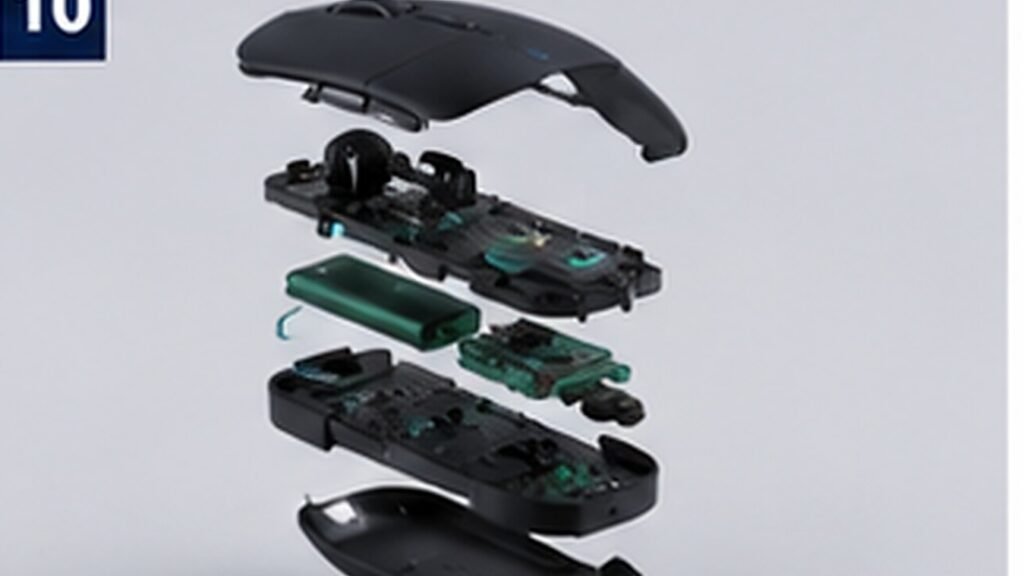
AI voice mouse supplier selection buyers need a supplier evaluation process that checks product fit, OEM/ODM capability, compliance documents, quality control, pricing, lead time, and after-sales support before placing a bulk order.
Table of Contents
Table of Contents
AI Voice Mouse for Retail Chains in the Middle East: 7 Supplier Selection Criteria
Selecting the right AI voice mouse supplier is critical for retail chains in the Middle East to ensure product quality, compliance, and timely delivery. This guide outlines seven key criteria—from OEM/ODM capabilities to after-sales support—that will help you evaluate potential suppliers and make an informed decision. By following these guidelines, you can mitigate risks and secure a reliable partnership for your AI voice mouse procurement.
AI voice mouse supplier selection: Table of Contents
- Short Answer
- Key Takeaways
- Key Facts for Buyers
- 1. OEM/ODM and Customization Capabilities
- 2. Product Specifications and Voice Recognition Accuracy
- 3. Quality Control and Testing Procedures
- 4. Certifications and Compliance for the Middle East
- 5. MOQ, Pricing, and Lead Time Analysis
- 6. Packaging and Brand Customization
- 7. After-Sales Support and Warranty
- Common Mistakes and Buyer Red Flags
- Practical Buyer Checklist
- FAQ
- Conclusion

Short Answer
When selecting an AI voice mouse supplier for retail chains in the Middle East, prioritize suppliers with proven OEM/ODM experience, robust quality control, and relevant certifications (e.g., CE, FCC, RoHS). Evaluate their ability to customize firmware and packaging, and confirm MOQ and lead times that align with your rollout schedule. Always request samples and conduct pre-shipment inspections to ensure compliance with regional standards.
Key Takeaways
- Focus on suppliers with demonstrated OEM/ODM capabilities and experience in AI hardware.
- Verify product specifications, especially voice recognition accuracy for Arabic and English.
- Ensure compliance with Middle East regulations, including CE, RoHS, and possibly local certifications.
- Clarify MOQ, pricing, and lead times to avoid supply chain disruptions.
- Assess after-sales support and warranty terms to protect your retail operations.

Key Facts for Buyers
| Factor | Consideration |
|---|---|
| OEM/ODM Capability | Look for suppliers offering full customization: logo, packaging, firmware. |
| Voice Recognition | Must support Arabic and English with high accuracy; test with samples. |
| Certifications | CE, FCC, RoHS are minimum; check for specific Middle East requirements. |
| MOQ | Typically 500-1000 units for custom designs; negotiate for lower for standard. |
| Lead Time | Standard 30-45 days; custom may extend to 60 days. |
| Quality Control | Request pre-shipment inspection reports and aging test data. |

1. OEM/ODM and Customization Capabilities
Retail chains often require private label AI voice mice to differentiate from competitors. Evaluate the supplier’s ability to customize hardware (e.g., color, logo) and software (e.g., firmware, voice commands). A supplier with strong OEM/ODM services can tailor the product to your brand and regional preferences. Ask for examples of past custom projects and confirm ownership of tooling and intellectual property.
2. Product Specifications and Voice Recognition Accuracy
The core functionality of an AI voice mouse is voice recognition. Ensure the supplier’s product supports the languages spoken in your market, particularly Arabic and English. Request detailed specs on microphone sensitivity, noise cancellation, and compatibility with operating systems. Test samples in real retail environments to verify accuracy and responsiveness. Consider future updates and integration with AI voice mouse technology.
3. Quality Control and Testing Procedures
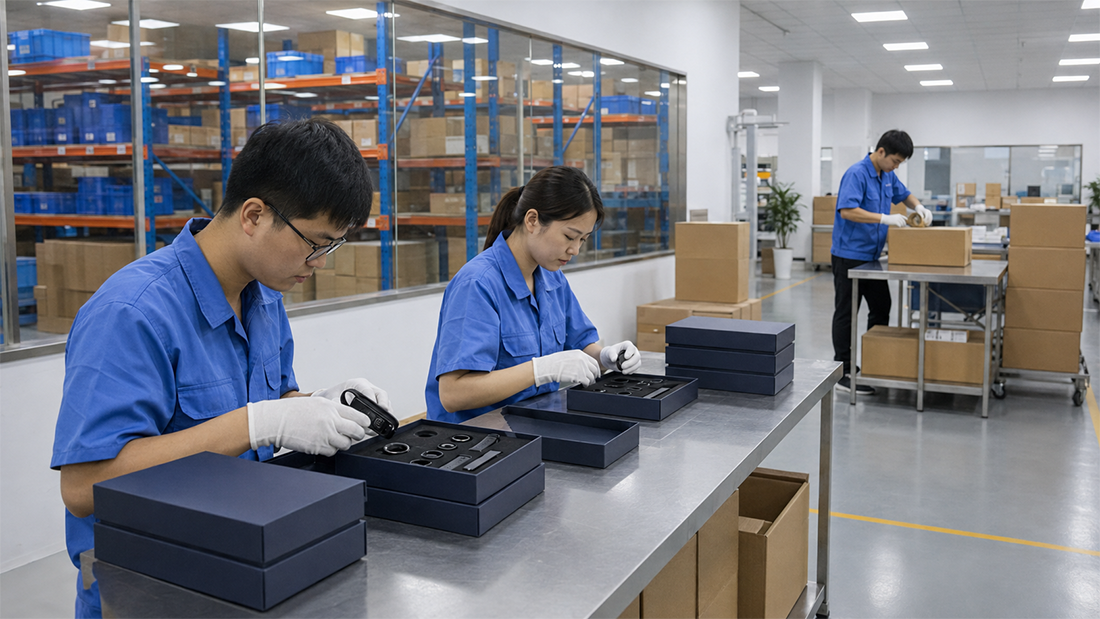
Reliable quality control is essential to minimize returns and protect your brand reputation. Inquire about the supplier’s testing protocols, including drop testing, aging testing, and waterproof testing. Request pre-shipment inspection reports and certificates of analysis. A supplier with robust quality control processes will have documented procedures and allow third-party inspections.
4. Certifications and Compliance for the Middle East
Ensure the product complies with regional regulations. CE and RoHS are commonly required, and FCC may be needed for wireless functionality. Check for specific certifications like SASO for Saudi Arabia or ESMA for the UAE. The supplier should provide valid test reports and certificates. For battery-powered devices, UN38.3 and MSDS are necessary for shipping. Verify compliance through official sources such as the FCC and IEC.
5. MOQ, Pricing, and Lead Time Analysis
Understand the supplier’s minimum order quantity (MOQ) and pricing structure. MOQs can vary based on customization level; negotiate for lower MOQs if you are testing the market. Request a detailed quotation including tooling costs, unit price, and shipping. Confirm lead times for mass production and consider potential delays. Use a smart retail solution approach to plan inventory and avoid stockouts.
6. Packaging and Brand Customization
Packaging is a key branding element for retail chains. Ensure the supplier can customize packaging with your logo, colors, and multilingual instructions. Request samples of packaging materials to assess quality. Confirm that packaging meets local labeling requirements, including Arabic translations. This enhances shelf appeal and compliance.
7. After-Sales Support and Warranty
Evaluate the supplier’s after-sales support, including warranty terms, repair services, and spare parts availability. A supplier with a clear warranty policy (e.g., 12 months) and responsive support can reduce downtime and costs. Ask for references from other retail clients in the region, if available. Ensure there is a process for handling defective units and returns.
Common Mistakes and Buyer Red Flags
- Overlooking language support: Failing to test Arabic voice recognition can lead to poor user experience.
- Ignoring certifications: Missing required certifications can result in customs delays and fines.
- Underestimating MOQ: Not negotiating MOQ can tie up capital in excess inventory.
- Skipping sample testing: Relying solely on specs without hands-on testing risks quality issues.
- Red flag: supplier cannot provide test reports or certifications.
- Red flag: no clear warranty or after-sales process.
Practical Buyer Checklist
- ☐ Confirm OEM/ODM capabilities and request custom samples.
- ☐ Test voice recognition in Arabic and English.
- ☐ Review quality control documents and inspection reports.
- ☐ Verify certifications (CE, RoHS, FCC, SASO, ESMA) and request copies.
- ☐ Negotiate MOQ, pricing, and lead times; get a written contract.
- ☐ Approve packaging and branding materials.
- ☐ Clarify warranty terms and after-sales support.
- ☐ Arrange pre-shipment inspection.
FAQ
1. What certifications are required for AI voice mice in the Middle East?
Commonly CE and RoHS; Saudi Arabia may require SASO, UAE may require ESMA. Check with local authorities.
2. Can I customize the voice commands for my retail chain?
Yes, many suppliers offer firmware customization to add specific commands or integrate with your systems.
3. What is the typical MOQ for private label AI voice mice?
MOQs often range from 500 to 1,000 units, but can be negotiated based on order volume and customization.
4. How long does shipping to the Middle East take?
Lead times vary; typically 30-45 days for production plus shipping. Confirm with supplier and freight forwarder.
5. What warranty is standard for AI voice mice?
Most suppliers offer 12 months. Negotiate for extended warranty if needed.
Conclusion
Selecting the right AI voice mouse supplier for your retail chain in the Middle East requires careful evaluation of OEM capabilities, quality control, certifications, and after-sales support. By following the seven criteria outlined above, you can choose a reliable partner that meets your specifications and compliance needs. Start by requesting samples and quotations from shortlisted suppliers to compare offerings.
STAR KING CTA
Ready to discuss your AI voice mouse project? Contact STAR KING to request a quotation and samples for your retail chain.
Discuss Your Smart Wearable OEM/ODM Project
Planning a smart ring, smart watch, smart band, AI glasses, AI translator, or AI voice mouse project? Contact STAR KING to discuss product positioning, sample testing, customization scope, certification requirements, lead time, and quotation details.

Team Star King

Scan WhatsApp QR code
Leave a Reply