
AI Voice Mouse for Middle East Amazon Sellers: 7 Critical Buying Factors Before You Import
November 23, 2026 · Team Star King
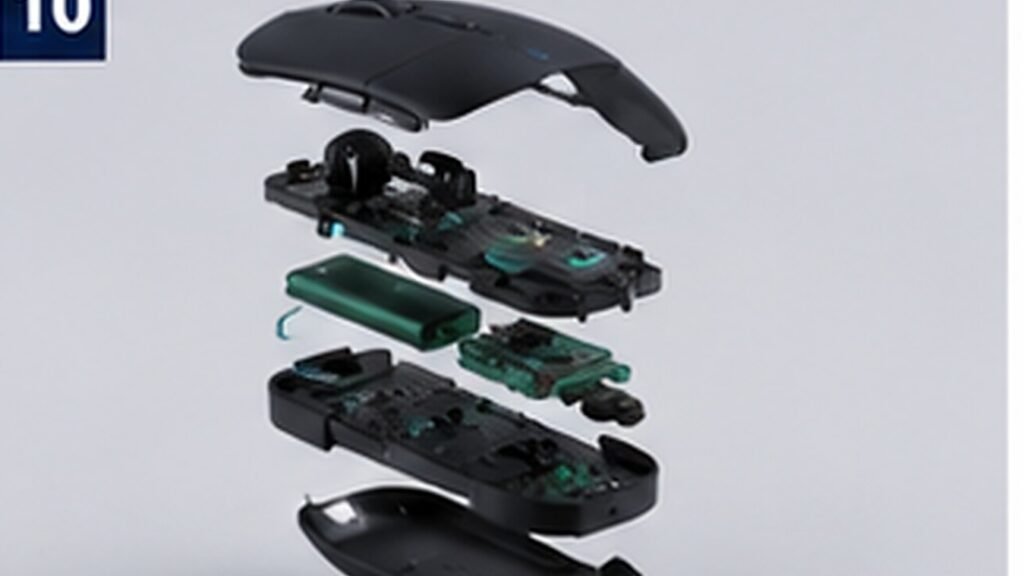
AI Voice Mouse for Middle East Amazon Sellers: 7 Critical Buying Factors Before You Import
If you are an Amazon seller targeting the Middle East, an AI voice mouse can be a strong addition to your smart office or tech accessories lineup. But before you source from a supplier, you need to evaluate Arabic language support, certifications for Gulf markets, MOQ, and total landed cost. This guide covers 7 critical factors to help you make an informed decision.
Table of Contents
Table of Contents
Short Answer
An AI voice mouse combines a standard computer mouse with voice recognition and AI processing to enable voice-to-text dictation, translation, and voice commands. For Middle East Amazon sellers, the key is to choose a supplier that offers robust Arabic language support, holds required certifications for Gulf markets, and provides flexible OEM/ODM options with clear MOQ and lead times.
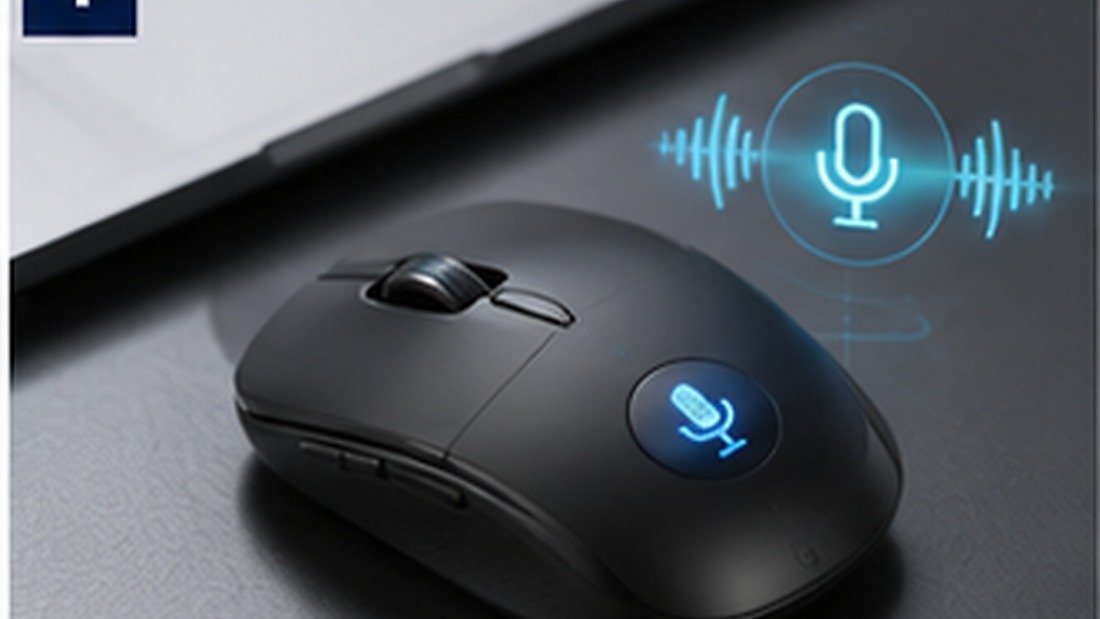
Table of Contents
- Introduction
- Key Takeaways
- Key Facts for Buyers
- What Is an AI Voice Mouse and Why It Matters for Middle East E-commerce
- Factor 1: Arabic Language Support and Dialect Accuracy
- Factor 2: Certifications and Compliance for Gulf Markets
- Factor 3: Product Specifications and Feature Trade-offs
- Factor 4: OEM/ODM and Private Label Options
- Factor 5: MOQ, Pricing, and Landed Cost
- Factor 6: Quality Control and Testing
- Factor 7: Lead Times and Supply Chain Reliability
- Comparison Table: Key Specifications to Evaluate
- Common Mistakes and Buyer Red Flags
- Practical Buyer Checklist
- FAQ
- Conclusion
- Next Steps

Introduction
The Middle East e-commerce market is growing rapidly, with Amazon being a dominant platform in countries like the UAE and Saudi Arabia. As an Amazon seller, you are constantly looking for innovative products that solve real problems for your customers. An AI voice mouse is one such product: it can help users type faster, translate languages, and control their computers with voice commands. However, sourcing an AI voice mouse for the Middle East requires careful consideration of local language needs, regulatory requirements, and supply chain factors. This article outlines 7 critical buying factors to help you make a confident sourcing decision.

Key Takeaways
- Arabic language support and dialect accuracy are critical for success in the Middle East.
- Ensure the supplier can provide required certifications such as CE, FCC, RoHS, and possibly local approvals like SASO for Saudi Arabia.
- Evaluate product specifications beyond voice recognition: battery life, connectivity, ergonomics, and software compatibility.
- OEM/ODM options allow you to customize branding, packaging, and firmware to differentiate on Amazon.
- Understand MOQ, pricing tiers, and landed cost to ensure profitability.
- Quality control and testing are essential to avoid high return rates and negative reviews.
- Lead times and supply chain reliability affect your ability to maintain stock and meet demand.

Key Facts for Buyers
| Factor | What to Check | Why It Matters |
|---|---|---|
| Language Support | Arabic dialects (Gulf, Egyptian, Levantine), MSA | Users expect accurate voice recognition; poor support leads to returns. |
| Certifications | CE, FCC, RoHS, UN38.3, SASO (Saudi Arabia) | Required for customs clearance and to sell on Amazon. |
| Product Specs | Battery life, wireless connectivity, DPI, compatibility | Affects user experience and product reviews. |
| OEM/ODM | Logo, packaging, app customization | Builds brand recognition and allows premium pricing. |
| MOQ & Pricing | Minimum order quantity, price breaks, tooling costs | Impacts cash flow and profitability. |
| Quality Control | Testing protocols, pre-shipment inspection | Reduces defect rates and returns. |
| Lead Times | Sample lead time, production lead time, shipping | Ensures timely stock replenishment. |
What Is an AI Voice Mouse and Why It Matters for Middle East E-commerce
An AI voice mouse is a computer mouse that integrates a microphone and AI-powered software to enable voice input. It typically works with companion software that converts speech to text, translates languages in real-time, and executes voice commands. For Middle East users, the ability to dictate in Arabic and translate to English (and vice versa) is a significant productivity booster. As an Amazon seller, offering a product that caters to local language needs can set you apart in a crowded marketplace.
The Middle East has a young, tech-savvy population with high internet penetration. According to Statista, e-commerce revenue in the Middle East is projected to grow significantly, with electronics being a major category. By sourcing an AI voice mouse that meets local requirements, you can tap into this growth.
Factor 1: Arabic Language Support and Dialect Accuracy
Arabic is a complex language with many dialects. While Modern Standard Arabic (MSA) is used in formal settings, most users speak regional dialects such as Gulf Arabic, Egyptian Arabic, or Levantine Arabic. Your AI voice mouse should support these dialects to ensure high accuracy. Ask the supplier for details on the speech recognition engine used and whether it has been trained on Arabic dialects. Request a sample to test with native speakers. Poor language support is a common reason for negative reviews and returns on Amazon.
Factor 2: Certifications and Compliance for Gulf Markets
Each Middle Eastern country has its own import regulations. For example, Saudi Arabia requires SASO certification for many electronic products, while the UAE requires ESMA certification. Additionally, products with lithium batteries must comply with UN38.3 and may require MSDS. Ensure the supplier can provide the necessary certifications for your target markets. STAR KING can provide CE, FCC, RoHS, and UN38.3 certifications for applicable products, but buyers should verify specific requirements for each country. [STAR KING TO CONFIRM]
Factor 3: Product Specifications and Feature Trade-offs
When evaluating an AI voice mouse, look beyond voice recognition. Consider battery life, wireless connectivity (2.4GHz vs. Bluetooth), sensor resolution (DPI), ergonomics, and compatibility with operating systems. Some models may offer noise-cancelling microphones for clearer voice input. Trade-offs exist: for example, a longer battery life might mean a heavier mouse. Decide which features are most important for your target audience and ensure the supplier can meet those specifications consistently.
Factor 4: OEM/ODM and Private Label Options
To stand out on Amazon, consider private labeling or customizing the product. Many Chinese manufacturers offer OEM/ODM services, allowing you to add your logo, customize packaging, and even modify the firmware or app. STAR KING provides private label OEM/ODM solutions for AI hardware, including the AI voice mouse. Discuss your requirements with the supplier early to understand their capabilities and any associated costs. Customization can increase MOQ and lead time, so plan accordingly.
Factor 5: MOQ, Pricing, and Landed Cost
MOQ and pricing are critical for Amazon sellers, especially those just starting. Ask for a clear price list with quantity breaks. Remember to calculate landed cost, including freight, import duties, and taxes. For the Middle East, shipping costs can vary significantly depending on the mode (air vs. sea) and the destination country. Factor in Amazon FBA fees as well. A seemingly low unit price might become uncompetitive after all costs are added.
Factor 6: Quality Control and Testing
Quality issues can lead to negative reviews and account suspension on Amazon. Ensure the supplier has a robust quality control process, including incoming material inspection, in-process checks, and pre-shipment inspection. Ask if they can provide test reports for key components such as the microphone, battery, and sensor. STAR KING implements quality control procedures throughout production, but buyers should always request samples for hands-on testing. [STAR KING TO CONFIRM]
Factor 7: Lead Times and Supply Chain Reliability
Lead times can make or break your inventory planning. Sample lead time is typically 7-15 days, while mass production may take 30-45 days after sample approval. Shipping to the Middle East can take 3-7 days by air and 20-35 days by sea. Choose a supplier with reliable production schedules and experience in exporting to the region. Ask for references if possible. STAR KING has experience in international shipping and can provide logistics support. [STAR KING TO CONFIRM]
Comparison Table: Key Specifications to Evaluate
| Specification | Option A | Option B | Considerations |
|---|---|---|---|
| Voice Recognition | Supports MSA only | Supports MSA + Gulf dialect | Dialect support improves user experience. |
| Connectivity | 2.4GHz wireless | Bluetooth 5.0 | Bluetooth offers more flexibility but may have latency. |
| Battery Life | Up to 30 days | Up to 60 days | Longer battery life is a selling point. |
| Microphone | Single microphone | Dual noise-cancelling | Dual microphones improve accuracy in noisy environments. |
| Certifications | CE, FCC, RoHS | CE, FCC, RoHS, SASO | SASO required for Saudi Arabia. |
| MOQ | 500 units | 1000 units | Lower MOQ reduces initial investment. |
Common Mistakes and Buyer Red Flags
- Ignoring dialect support: Assuming MSA is sufficient; many users speak dialects.
- Overlooking certifications: Not verifying SASO or ESMA requirements leads to customs delays.
- Choosing on price alone: Low-cost suppliers may cut corners on quality, leading to returns.
- Not testing samples: Skipping sample evaluation can result in mismatched expectations.
- Underestimating lead times: Failing to account for production and shipping can cause stockouts.
- Ignoring after-sales support: Ensure the supplier offers warranty and spare parts.
Practical Buyer Checklist
- ☐ Confirm Arabic dialect support (request a demo).
- ☐ Verify required certifications for each target country (e.g., SASO, ESMA).
- ☐ Obtain samples and test with native Arabic speakers.
- ☐ Clarify OEM/ODM options: logo, packaging, app customization.
- ☐ Negotiate MOQ and pricing based on forecast.
- ☐ Calculate landed cost including freight, duties, and Amazon fees.
- ☐ Review quality control process and request inspection reports.
- ☐ Confirm lead times and shipping methods.
- ☐ Discuss warranty terms and after-sales support.
- ☐ Check supplier references and export experience to the Middle East.
Buyers can also review STAR KING AI Voice Mouse OEM/ODM options to compare product positioning, customization scope, and sample planning.
FAQ
1. What is the typical MOQ for an AI voice mouse from a Chinese supplier?
MOQ varies by supplier and customization level. For standard models, MOQ may be 500 units; for custom branding, it could be 1000 units or more. Always confirm with the supplier.
2. Can the AI voice mouse support Arabic dialects?
Support depends on the speech recognition engine. Some suppliers offer models with Gulf Arabic dialect support. Request a sample to test accuracy.
3. What certifications are needed to sell an AI voice mouse on Amazon in the UAE?
For the UAE, you may need ESMA certification and CE marking. For Saudi Arabia, SASO is required. Check with your supplier and local authorities.
4. How long does shipping take from China to the Middle East?
Air freight typically takes 3-7 days; sea freight takes 20-35 days. Factor in customs clearance time.
5. Can I customize the packaging and logo?
Yes, most OEM/ODM suppliers offer logo and packaging customization for a minimum order quantity. Discuss your design requirements early.
6. What is the warranty period for an AI voice mouse?
Warranty varies by supplier, typically 12 months. Confirm the terms and spare parts availability.
7. How do I ensure product quality before shipping?
Request a pre-shipment inspection and review test reports for key components. Always test samples before placing a bulk order.
Conclusion
Sourcing an AI voice mouse for the Middle East Amazon market involves careful evaluation of language support, certifications, product specifications, OEM/ODM options, MOQ, quality control, and lead times. By following the 7 factors outlined in this guide, you can minimize risks and select a reliable supplier. Remember to test samples, verify compliance, and calculate landed costs to ensure profitability.
Next Steps
Ready to explore AI voice mouse options for your Amazon business? STAR KING offers OEM/ODM services for AI hardware, including customization and certification support. Request product samples to evaluate quality and features firsthand. Our team can guide you through the sourcing process and help you bring a competitive product to the Middle East market.
Useful Official References for Buyers
- FCC equipment authorization guidance
- European Commission CE marking information
- Bluetooth SIG specifications
Discuss Your Smart Wearable OEM/ODM Project
Planning a smart ring, smart watch, smart band, AI glasses, AI translator, or AI voice mouse project? Contact STAR KING to discuss product positioning, sample testing, customization scope, certification requirements, lead time, and quotation details.

Team Star King

Scan WhatsApp QR code
Leave a Reply