
AI translator supplier: 7 Critical Checks When Choosing an AI Translator Supplier for Southeast Asia Distribution
November 21, 2026 · Team Star King
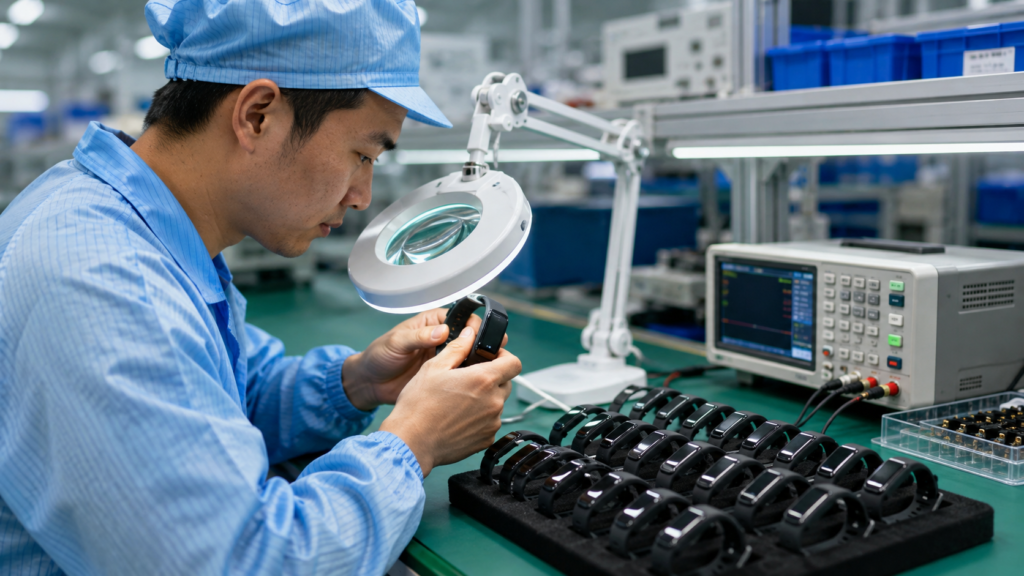
7 Critical Checks When Choosing an AI Translator Supplier for Southeast Asia Distribution
Choosing an AI translator supplier for Southeast Asia comes down to verifying seven things before you sign: language and offline performance, chipset and AI model transparency, target-market compliance, sample validation, MOQ and landed cost, OEM/private-label scope, and after-sales support. Distributors who verify these points in a structured way reduce rework, customs delays, and margin erosion across Indonesia, Thailand, Vietnam, the Philippines, Malaysia, and Singapore.
Table of Contents
Table of Contents
This guide is written for distributors evaluating suppliers at the selection stage. It does not rank brands. It gives you a repeatable checklist you can apply to any AI translator supplier, including STAR KING, so your decision is based on evidence rather than sales presentations.
AI translator supplier: Direct Answer
The best AI translator supplier for Southeast Asia is the one that can document supported language pairs, explain offline versus cloud translation, show compliance evidence for your target countries, provide functional samples, quote MOQ and landed cost clearly, and support private-label or OEM customization with defined after-sales terms. Verify each point with documents and samples before committing to volume orders.
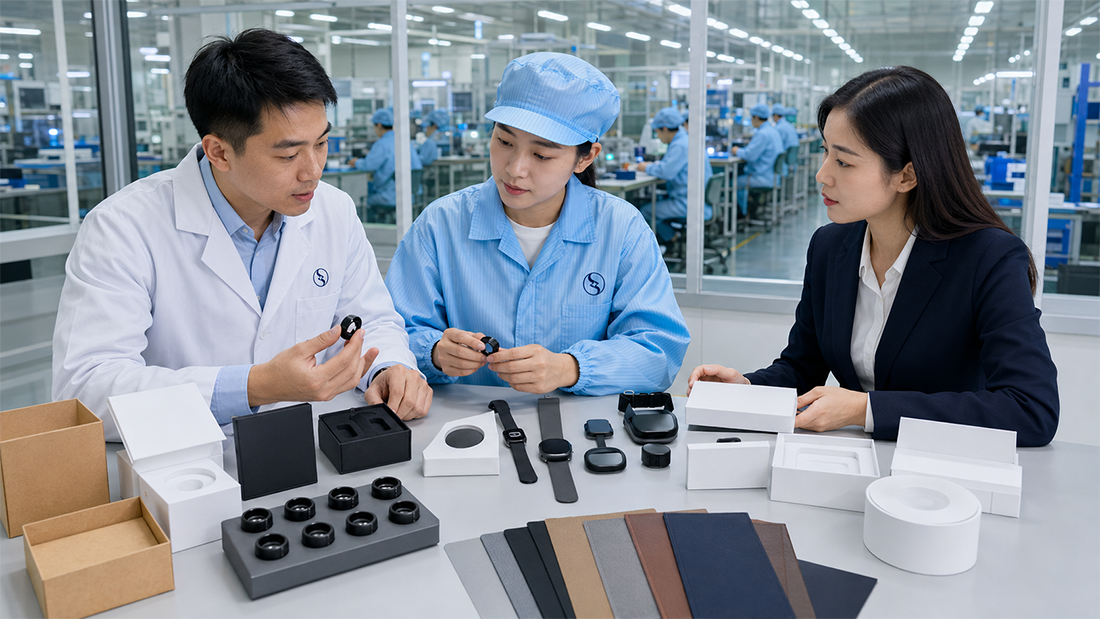
Table of Contents
- Why Supplier Selection Matters for AI Translator Distribution in Southeast Asia
- Key Takeaways
- Key Facts for Buyers
- Check 1: Language Coverage and Real-World Translation Performance
- Check 2: Hardware, Chipset, and AI Model Transparency
- Check 3: Compliance for Southeast Asian Markets
- Check 4: Sample Testing and Validation
- Check 5: MOQ, Pricing, and Landed Cost
- Check 6: OEM, ODM, and Private Label Scope
- Check 7: After-Sales, Warranty, and Spare Parts
- Supplier Comparison Table
- Common Mistakes and Buyer Red Flags
- Practical Buyer Checklist
- FAQ
- Conclusion
Key Takeaways
- Language coverage must be tested in realistic Southeast Asian use cases, not just read from a spec sheet.
- Offline translation capability is a major differentiator in markets with inconsistent connectivity.
- Compliance requirements vary by country; distributors should verify certifications for each target market.
- MOQ and landed cost should be modeled before committing, including duties, taxes, and freight.
- Private-label and OEM terms should define tooling, firmware, app, packaging, and IP ownership.
- After-sales terms and spare-parts availability protect distributor margins over the product lifecycle.
Key Facts for Buyers
| Factor | What to Verify | Why It Matters for SEA Distributors |
|---|---|---|
| Language coverage | Supported source/target pairs; offline vs online | Local languages and dialects vary by country |
| Chipset and AI model | Processor type, memory, translation engine | Affects speed, battery, and update path |
| Compliance | CE, FCC, RoHS, battery transport documents | Customs and retail acceptance differ by market |
| Sample validation | Functional samples, test reports | Reduces return risk and rework |
| MOQ and cost | MOQ tiers, FOB/CIF, landed cost | Protects margin in price-sensitive markets |
| OEM scope | Logo, packaging, firmware, app | Builds brand differentiation |
| After-sales | Warranty term, spare parts, RMA process | Supports retail partners and end users |
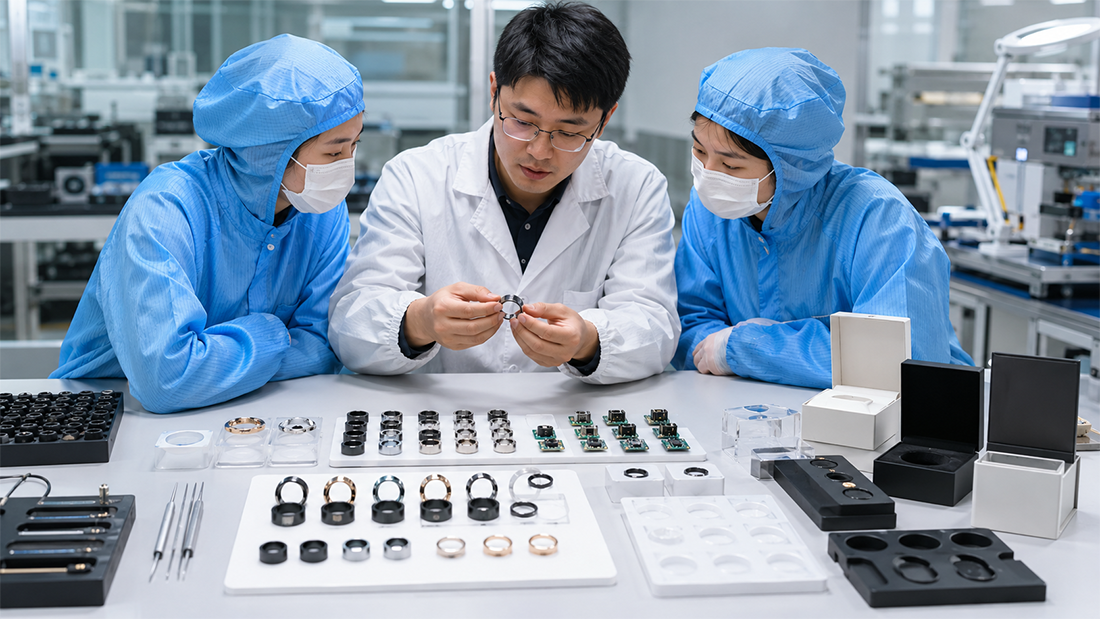
Why Supplier Selection Matters for AI Translator Distribution in Southeast Asia
Southeast Asia is a diverse region with more than 1,000 spoken languages and varying connectivity, regulatory, and retail conditions. Distributors selling AI translators must balance consumer expectations for fast, accurate translation with practical constraints such as offline usability, battery life, and local compliance. The supplier you choose determines whether you can meet those expectations consistently across Indonesia, Thailand, Vietnam, the Philippines, Malaysia, and Singapore.
Supplier selection is not only about unit price. It affects your ability to customize, certify, restock, and support products after launch. A structured evaluation protects your brand and your margins.
Check 1: Language Coverage and Real-World Translation Performance
Ask the supplier to list supported language pairs and indicate which are available offline versus cloud-based. For Southeast Asia, prioritize coverage of Bahasa Indonesia, Thai, Vietnamese, Filipino/Tagalog, Malay, and Simplified/Traditional Chinese, in addition to English. Verify performance with samples in realistic scenarios: accented speech, noisy environments, and domain-specific vocabulary.
What to request
- Language pair matrix with offline/online status
- Update policy for language models and firmware
- Sample videos or live demos in target languages
- Known limitations and accuracy caveats
Translation quality claims should be treated as testable, not assumed. A supplier that is transparent about limitations is generally easier to work with long term.
Check 2: Hardware, Chipset, and AI Model Transparency
Understand the processor, memory, display, microphone array, speaker, and battery configuration. These components affect translation latency, battery life, and durability. Ask whether translation runs on-device, in the cloud, or both, and how the device behaves when connectivity is poor.
For distributors, hardware transparency supports better retail positioning and fewer support tickets. Request datasheets and, where available, reliability test summaries.
Check 3: Compliance for Southeast Asian Markets
Compliance requirements vary by country and product configuration. Typical items to verify include CE and FCC markings where applicable, RoHS compliance, and battery transport documentation such as UN38.3 and MSDS for lithium batteries. Some markets may require additional local registration or labeling.
Buyers should verify requirements with local authorities or import agents. Suppliers should provide certificates and test reports relevant to the exact configuration you plan to import. Certification status depends on the specific product and target market; confirm before ordering.
For official reference, see the FCC and IEC websites for equipment and safety standards information.
Check 4: Sample Testing and Validation
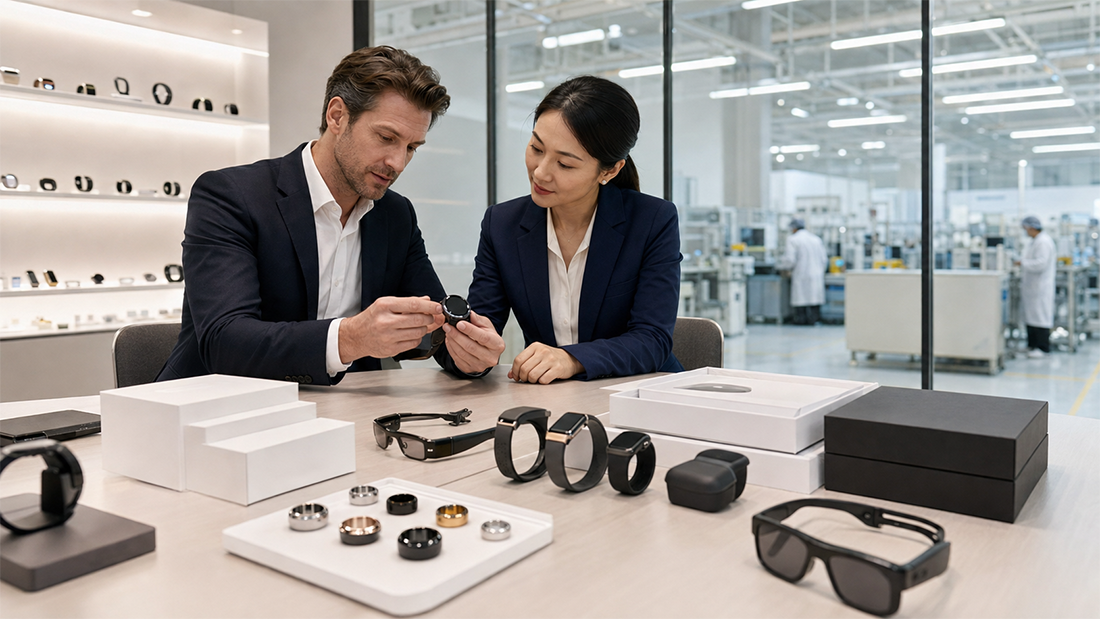
Order functional samples and test them against your target use cases. Evaluate translation accuracy, latency, battery life, build quality, and user interface. Where possible, request pre-shipment inspection reports and aging or drop test summaries if available.
Sample validation is your best opportunity to catch issues before mass production. Document your test criteria and share them with the supplier so expectations are aligned.
Check 5: MOQ, Pricing, and Landed Cost
Clarify MOQ tiers, FOB or CIF terms, lead times, and payment terms. Model landed cost including freight, insurance, duties, taxes, and any local compliance costs. Price-sensitive Southeast Asian markets reward distributors who understand total cost rather than unit price alone.
Ask how pricing changes with volume, customization, and packaging. Confirm whether tooling or setup fees apply for private-label projects.
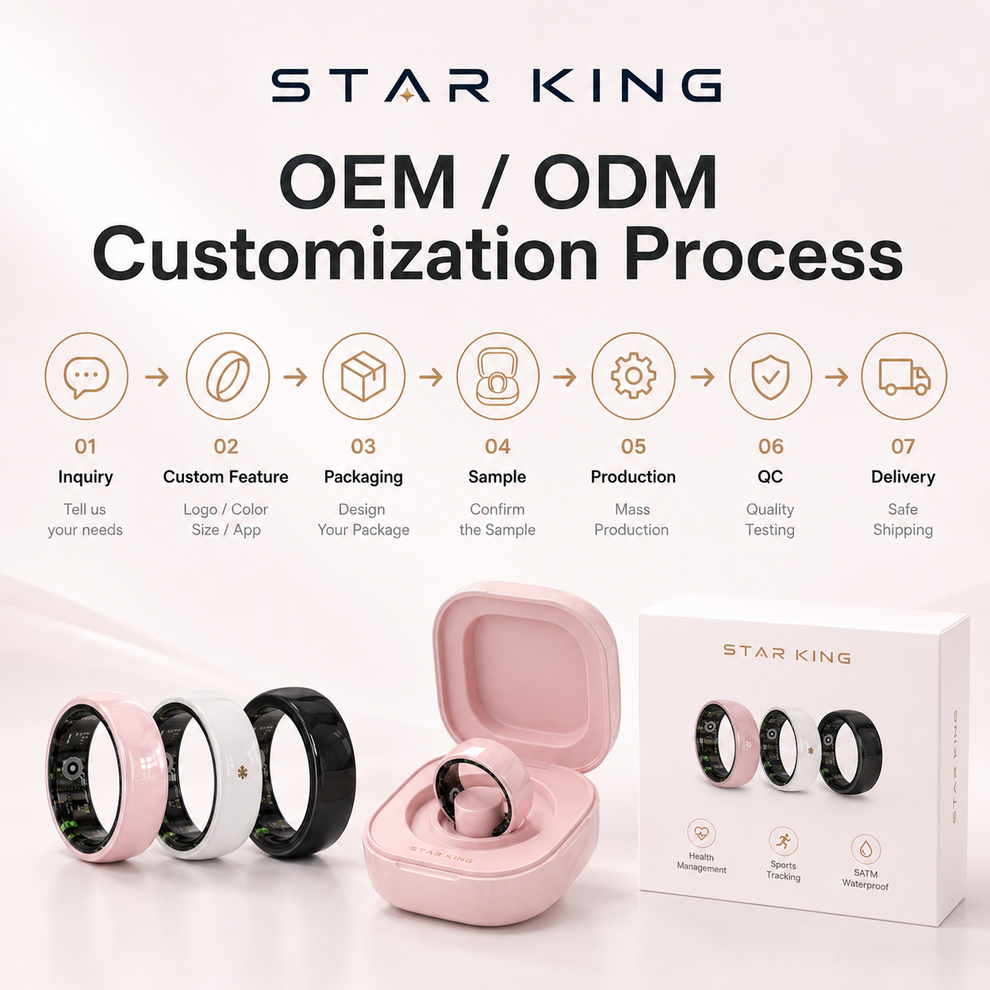
Check 6: OEM, ODM, and Private Label Scope
Define what can be customized: logo, packaging, firmware, app interface, accessories, and manuals. Clarify whether the supplier provides ODM designs you can rebrand or requires OEM development. Discuss IP ownership, tooling ownership, and exclusivity terms where relevant.
For distributors building a brand, private-label flexibility is often a deciding factor. STAR KING offers private label OEM/ODM solutions that can be scoped to your requirements.
Check 7: After-Sales, Warranty, and Spare Parts
Ask about warranty terms, RMA processes, spare-parts availability, and firmware update support. A clear after-sales framework protects your retail partners and reduces escalations. Confirm response times and escalation paths in writing.
Distributors should also consider training materials and user documentation in local languages where possible.
Supplier Comparison Table
| Evaluation Area | Basic Supplier | Preferred Supplier |
|---|---|---|
| Language documentation | Verbal claims only | Matrix with offline/online status |
| Compliance evidence | Partial or unclear | Certificates and test reports for target config |
| Sample policy | Limited or slow | Functional samples with test criteria |
| MOQ and cost | Opaque | Clear tiers and landed-cost support |
| OEM scope | Logo only | Packaging, firmware, app, accessories |
| After-sales | Undefined | Written warranty and RMA process |
Common Mistakes and Buyer Red Flags
- Accepting language coverage claims without testing accent-heavy speech.
- Assuming one certification covers all Southeast Asian markets.
- Overlooking battery transport documentation for lithium-powered devices.
- Choosing on unit price without modeling landed cost.
- Failing to define IP and tooling ownership in customization projects.
- Ignoring after-sales and spare-parts planning until after launch.
A supplier that cannot provide clear answers or documents on these points is a red flag. Request written confirmation where possible.
Practical Buyer Checklist
- Language matrix with offline/online status received
- Hardware datasheet and update policy reviewed
- Compliance documents verified for each target country
- Functional samples tested against your criteria
- MOQ, FOB/CIF, and landed cost modeled
- OEM/private-label scope and IP terms defined
- Warranty, RMA, and spare-parts terms documented
- Lead times and payment terms confirmed
FAQ
What should distributors check first in an AI translator supplier?
Start with language coverage and offline capability, because these directly affect user experience in Southeast Asian markets with variable connectivity. Then verify compliance and sample performance.
How many samples should we test before ordering?
Test enough units to cover your main use cases and languages, typically several samples across key language pairs. Document results and share them with the supplier.
Are CE and FCC certifications enough for Southeast Asia?
Not necessarily. Requirements vary by country and product configuration. Verify with local authorities or import agents and confirm with the supplier which documents apply.
What documents are needed for lithium battery shipping?
Typically UN38.3 test reports and MSDS are requested. Buyers should confirm with freight forwarders and local regulators.
Can we customize the translation app or firmware?
Customization scope depends on the supplier and product. Discuss app interface, firmware updates, and branding options during supplier selection.
How do we evaluate after-sales support?
Request written warranty terms, RMA procedures, response times, and spare-parts availability. Check whether firmware updates are provided.
What MOQ should we expect for private-label AI translators?
MOQ varies by model and customization level. Ask for tiered pricing and clarify setup or tooling fees. [STAR KING TO CONFIRM]
Conclusion
Selecting an AI translator supplier for Southeast Asia distribution requires evidence-based evaluation across language performance, hardware transparency, compliance, samples, cost, OEM scope, and after-sales. Distributors who apply these seven checks reduce risk and build a more defensible product line. For a closer look at AI translator options, review the AI translators product page and compare configurations against your market requirements.
Next Step
Ready to evaluate AI translators for your market? Contact our sales team to request product samples, discuss OEM/ODM options, and confirm certification requirements for your target Southeast Asian markets.
Image suggestions: Insert an image of an AI translator device in a business meeting here. Alt text: AI translator supplier device for Southeast Asia distribution.
Discuss Your Smart Wearable OEM/ODM Project
Planning a smart ring, smart watch, smart band, AI glasses, AI translator, or AI voice mouse project? Contact STAR KING to discuss product positioning, sample testing, customization scope, certification requirements, lead time, and quotation details.

Team Star King

Scan WhatsApp QR code
Leave a Reply