
AI Translator Private Label in Southeast Asia: 7 Critical Steps Before You Send an RFQ
November 17, 2026 · Team Star King
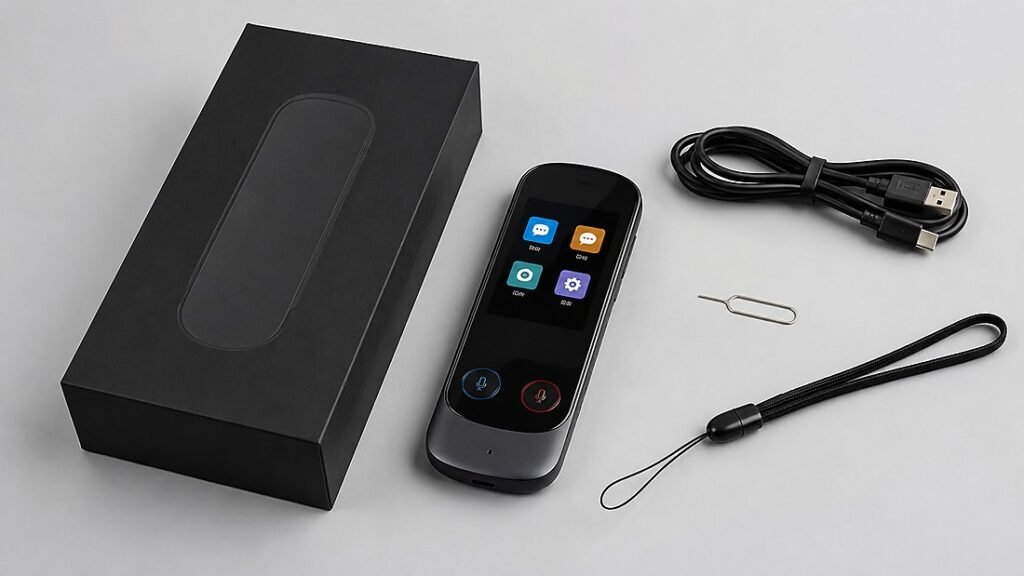
AI Translator Private Label in Southeast Asia: 7 Critical Steps Before You Send an RFQ
If you are a private-label brand preparing to source AI translators for Southeast Asia, the fastest way to get comparable, low-risk quotes is to build a structured RFQ that defines use-case, hardware and software scope, language needs, compliance path, packaging, and logistics assumptions before you contact suppliers. This guide gives you 7 critical steps to run an RFQ that gets you usable responses from OEM/ODM manufacturers, reduces hidden costs, and keeps your launch on schedule. It is written for brands importing into Singapore, Malaysia, Thailand, Vietnam, Indonesia, and the Philippines, where language diversity and import rules directly shape product configuration.
Table of Contents
Table of Contents
AI translator private label: Table of Contents
- Short Answer
- Key Takeaways
- Key Facts for Buyers
- Step 1 — Define the translation use case before you write the RFQ
- Step 2 — Choose the right sourcing model: OEM vs ODM vs Private Label
- Step 3 — Lock down language coverage and offline/online behavior
- Step 4 — Specify hardware, firmware, and app customization precisely
- Step 5 — Plan MOQ, samples, test plans, and pre-shipment inspection
- Step 6 — Map compliance and battery shipping for Southeast Asia
- Step 7 — Compare quotes on landed cost, not unit price
- OEM/ODM/Private Label Comparison Table
- Common Mistakes and Buyer Red Flags
- Buyer Checklist Before the RFQ Email
- FAQ
- Conclusion
- Next step with STAR KING
Short Answer
To source AI translator private label products for Southeast Asia, send suppliers a written RFQ that specifies: target languages and offline/online requirements, hardware and firmware scope, app or cloud integration, required certifications and battery documents (UN38.3, MSDS), sample quantities, packaging and logo needs, MOQ expectations, and the Incoterm you want to quote. Comparable quotes require suppliers to price the same configuration. Expect to evaluate at least two to three manufacturers and verify their test process and certification scope before placing a bulk order.
Key Takeaways
- A structured RFQ reduces quote variability and shortens supplier evaluation time.
- Southeast Asia requires multi-language support and careful import classification; language coverage is a product decision, not a detail.
- Private-label AI translator projects typically involve hardware, firmware, app, cloud, and packaging components — clarify which the supplier controls.
- Certification requirements depend on product configuration (Wi-Fi/Bluetooth/cellular) and each destination country; buyers should verify with local authorities or testing labs.
- Landed cost, not unit price, is the correct basis for comparing RFQ replies.
- Samples and pre-shipment inspection are standard steps to reduce mass-production risk.
Key Facts for Buyers
| Decision Area | Why It Matters in Southeast Asia | What to Put in the RFQ |
|---|---|---|
| Language coverage | Multiple official and business languages across the region; users often switch languages daily. | Source/target language list, offline vs online behavior, update policy. |
| Connectivity | Wi-Fi, Bluetooth, and optional cellular change radio certification and battery requirements. | Required radios, battery capacity, expected usage time per charge. |
| Customization | Private-label brands need logo, packaging, app skin, and sometimes firmware behavior. | Logo placement, packaging artwork, app branding scope, firmware settings. |
| Compliance | Different countries require different approvals and import documentation. | Target countries, required certificates, battery test documents. |
| Commercials | MOQ, sample fees, tooling, and Incoterm drive landed cost and cash flow. | MOQ tiers, sample cost, Incoterm (FOB/CIF/DDP), payment terms. |
| Quality | Translation accuracy and audio quality matter more than cosmetic checks. | Test protocol, acceptance criteria, pre-shipment inspection rights. |
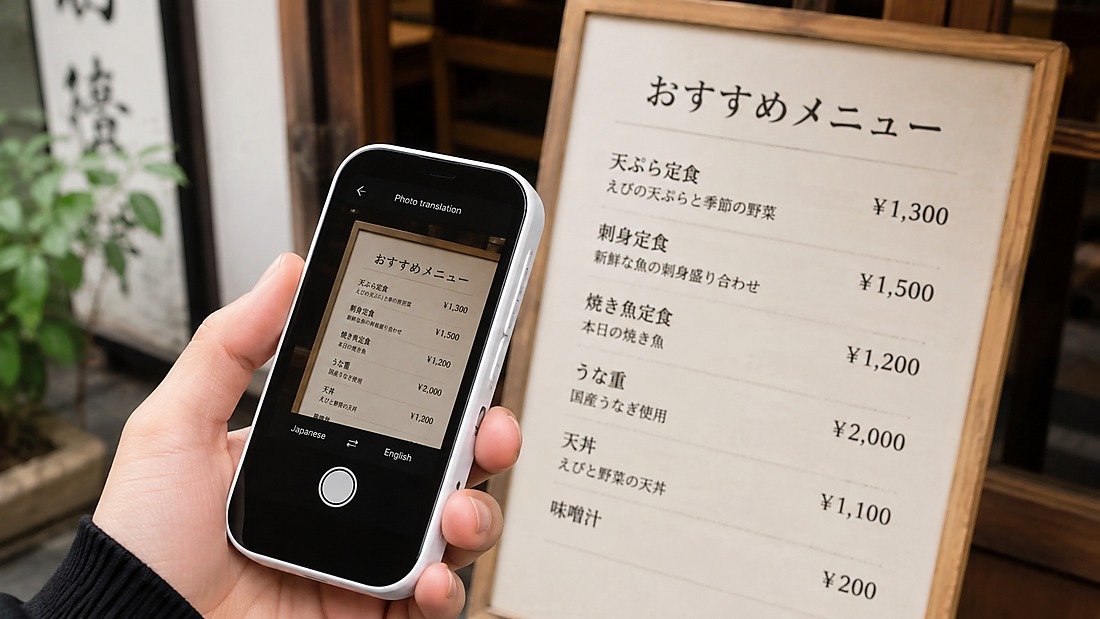
Step 1 — Define the translation use case before you write the RFQ
AI translators are used in different contexts: travel, business meetings, retail counters, call centers, education, and healthcare front desks. Each context changes hardware requirements. A handheld device used in noisy retail environments needs strong microphones and speaker output. A pocket device for business travel may prioritize battery life and offline translation. A solution for classroom or frontline workers may need longer recording time or an app dashboard. Before you write your RFQ, write a one-page use-case statement covering typical environment, primary languages, expected session length, and whether users will use the device without a phone.
Why this matters for private-label brands
Private-label brands compete on positioning. If your product is positioned for business travelers, the RFQ should prioritize fast response, clear audio, and reliable connectivity. If it is positioned for retail counters or B2B workplace use, the RFQ should ask about device management, app accounts, and update processes. Suppliers quote what you describe; vague descriptions invite generic replies.
How to validate the use case quickly
Run a small pilot with 3–5 target users using a supplier sample or a demo app. Record failure points: background noise, accent handling, language switching speed, and battery drain. Bring those findings into the RFQ as acceptance criteria. This step alone can reduce post-launch returns and support issues.
Image suggestion: A private-label product manager testing an AI translator handheld device in a noisy retail environment. ALT text: AI translator private label device tested for Southeast Asia retail use.
Step 2 — Choose the right sourcing model: OEM vs ODM vs Private Label
Buyers often use these terms loosely. For procurement clarity, define the model before quoting:
- ODM (Original Design Manufacturer): You select an existing hardware and software design and apply your brand, packaging, and limited firmware or app settings. Fastest path to market; least design control.
- OEM (Original Equipment Manufacturer): You specify the product design or significant modifications, and the manufacturer builds to your requirements. Requires more documentation, tooling, and validation time.
- Private Label: A form of ODM or OEM where your brand appears on the device, app, and packaging. Scope varies; state clearly whether private label includes app branding, firmware defaults, cloud account, and packaging design.
What to ask each type of supplier
For ODM/private label projects, ask which elements are configurable: boot logo, app name and icon, default language list, onboarding screens, packaging, and accessory branding. For OEM projects, ask about industrial design ownership, tooling cost and ownership, firmware source control, and minimum order quantities for custom tooling. Many AI translator projects start as private label and become OEM in later generations — write your RFQ so the supplier can quote both paths.
Southeast Asia-specific consideration
Brands selling across multiple Southeast Asian markets often need one hardware platform with region-specific language bundles and packaging. Confirm whether the supplier can produce different SKUs for different countries and manage version control for app and firmware updates.
If you are comparing private-label scope across device categories, STAR KING’s Private Label OEM/ODM solutions page outlines typical customization layers for hardware and software.
Step 3 — Lock down language coverage and offline/online behavior
Language coverage is the most common source of mismatched expectations. Translation quality depends on the engine, model updates, network conditions, and microphone performance. In your RFQ, ask suppliers to state:
- Supported source and target languages, with version or date of the language list.
- Whether translation works offline, online, or both; if offline, which language pairs and how updates are delivered.
- Expected latency for typical phrases and for longer sentences.
- How the device handles code-switching (users mixing two languages in one sentence).
- Data handling: whether audio is processed on-device, in the cloud, or both; retention policy.
Test language pairs that matter in your market
Southeast Asia includes markets where English is widely used alongside local languages. For example, a device sold in Thailand may need Thai–English and Thai–Chinese; a device sold in Indonesia may need Bahasa Indonesia–English and regional languages. Ask for a test script with 30–50 representative sentences per language pair, including names, numbers, addresses, and industry terms. Score accuracy and latency consistently across suppliers.
Offline vs online trade-offs
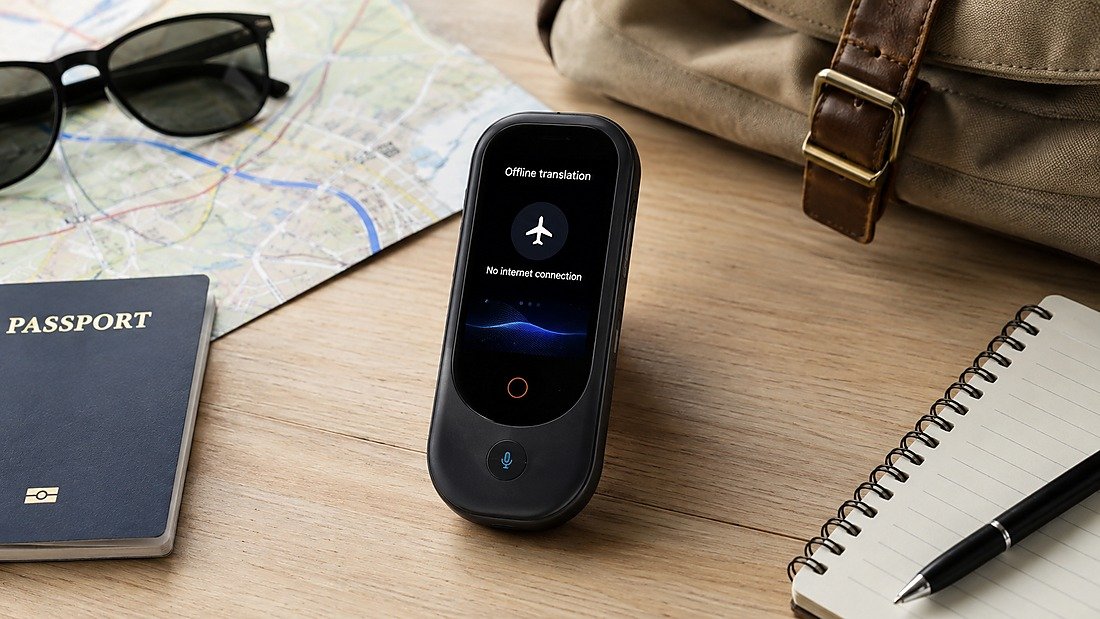
Offline translation improves reliability in areas with weak connectivity but may limit language pairs and increase hardware requirements. Online translation may offer broader language coverage and fresher models but depends on network and cloud costs. Buyers should ask who pays for cloud usage, how updates are pushed, and what happens when the service is unavailable.
Step 4 — Specify hardware, firmware, and app customization precisely
For an RFQ at this stage, provide a specification table and ask suppliers to confirm compliance or propose alternatives. Hardware and software decisions influence cost, certification, and lead time.
Hardware specification points to include
- Form factor: handheld, pocket, wearable clip, or desktop.
- Display size and type; touch or non-touch.
- Microphone array and speaker output; noise handling expectations.
- Connectivity: Wi-Fi, Bluetooth, optional cellular or eSIM.
- Battery capacity and target usage time; charging method.
- Materials and IP rating if the device will be used outdoors or in retail.
Firmware and app customization
Clarify which of the following the supplier can deliver: boot logo, default language, UI text localization, app name and icon, account system, device management, OTA update process, and data export. If you plan to integrate the device into a larger solution — for example workplace productivity or education deployments — ask about API access and whether the supplier supports integration. STAR KING’s AI office productivity solutions page describes how AI devices can fit into broader workplace deployments.
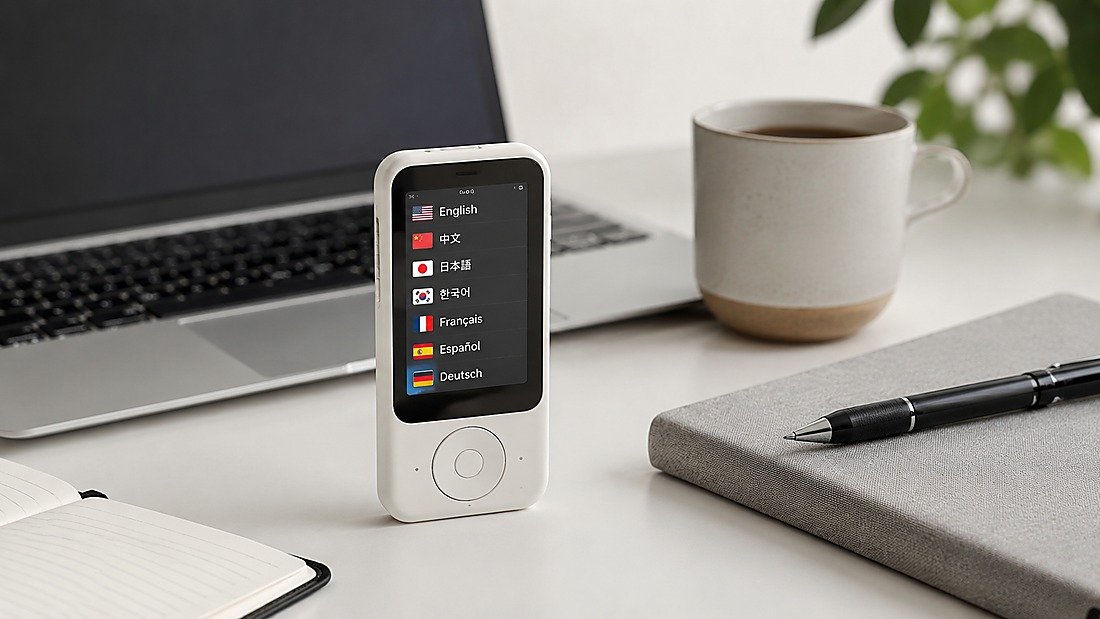
Image suggestion: Close-up of an AI translator app screen showing language selection for Southeast Asian languages. ALT text: AI translator private label app interface with Southeast Asia language options.
Step 5 — Plan MOQ, samples, test plans, and pre-shipment inspection
At RFQ stage, you need commercial terms that let you compare suppliers on the same basis. Ask for MOQ by configuration (standard vs customized), sample pricing and lead time, tooling or setup fees, payment terms, and production lead time after sample approval. Also request the supplier’s standard test plan and whether you can appoint a third-party inspection before shipment.
Sample strategy
Order samples that match the intended mass-production configuration as closely as possible. Test translation accuracy, battery life, charging, Bluetooth pairing, app stability, and packaging. Keep a written record of sample defects and ask the supplier how they will correct them in mass production. If your project includes custom packaging, request a packaging dummy with your artwork.
Quality control questions for the RFQ
- What is the incoming and in-process quality control process for PCBA, battery, and final assembly?
- What functional tests are performed on 100% of units?
- What is the AQL for pre-shipment inspection, and can we use our own inspection provider?
- How are firmware versions and language packs controlled before shipment?
Step 6 — Map compliance and battery shipping for Southeast Asia
Compliance requirements for AI translators vary by product configuration and destination country. A device with Wi-Fi and Bluetooth may require radio equipment approvals; a device with a lithium battery requires battery testing and transport documentation. Buyers should verify requirements with local authorities or accredited labs and should not assume that a supplier’s existing certificates cover a new configuration or a new market.
Documents to request in the RFQ
- Radio equipment certification status for the target countries (for example, relevant national telecom or standards bodies).
- Safety documentation for the charger and battery, where applicable.
- UN38.3 test summary and MSDS for lithium batteries; confirm the shipping mode (standalone battery vs battery in equipment).
- RoHS and REACH statements if required by your customers or channel.
Authoritative references
For battery transport requirements, refer to the IATA Dangerous Goods Regulations and the UN Model Regulations. For radio equipment, check the ITU and your destination country’s telecom regulator, such as Singapore’s IMDA or Malaysia’s SIRIM, before finalizing the RFQ. For Bluetooth functionality, the Bluetooth SIG provides qualification information. These references help you frame the questions; they do not replace local legal advice.
If your product plans include other connected devices, STAR KING’s AI translators product page shows a typical handheld configuration and the customization options that can be discussed at RFQ stage.
Step 7 — Compare quotes on landed cost, not unit price
Quotes that differ by 20–30% often reflect different assumptions about packaging, accessories, certification support, Incoterm, and payment terms. Build a landed-cost comparison sheet that includes:
- Unit price at the quoted MOQ and at volume tiers.
- Tooling, setup, sample, and certification support fees.
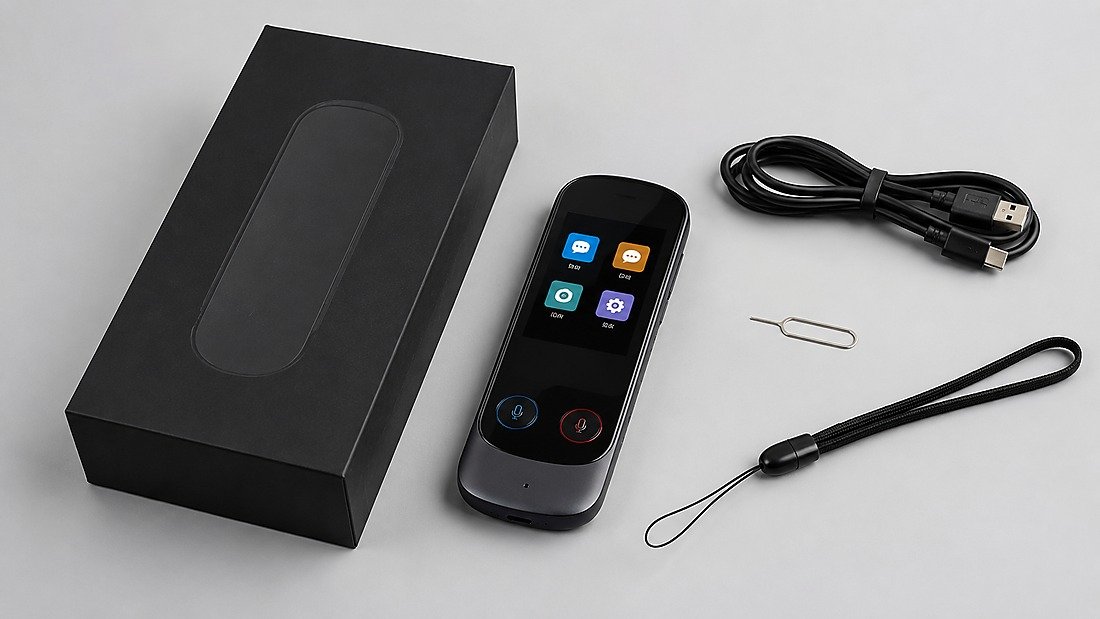
- Packaging and accessory costs.
- Freight, insurance, and import duties for your destination.
- Payment terms and any financing cost.
- Warranty and spare-parts policy.
Normalize the quotes
Ask every supplier to quote the same Incoterm and the same packaging scope. If a supplier cannot quote DDP, ask for FOB and estimate freight separately. Compare not only unit price but also the cost of returns, replacement parts, and firmware updates over the product lifecycle. A slightly higher unit price with clear certification support and reliable updates can be the lower-risk choice for a private-label brand.
OEM/ODM/Private Label Comparison Table
| Model | Design Control | Typical RFQ Focus | Best For |
|---|---|---|---|
| ODM | Supplier design, limited buyer changes | Branding, language pack, packaging, app skin | Fast market entry, startup brands, test launches |
| OEM | Buyer-specified design and features | Industrial design, tooling, firmware, validation | Brands with defined product requirements and volume |
| Private Label | Supplier design with buyer brand | Logo, packaging, app name, default settings | Distributors and retailers expanding their brand |
Common Mistakes and Buyer Red Flags
- Vague language requirements: Suppliers may quote a standard language list that does not match your market. Ask for a written language list and test scripts.
- Assuming certificates transfer: A certificate for a different configuration may not apply to your product. Confirm scope and validity.
- Ignoring app and cloud costs: Translation services may involve ongoing costs. Clarify who pays and how updates are handled.
- Comparing unit price only: Landed cost and lifecycle costs are more reliable for decision-making.
- No written acceptance criteria: Without measurable criteria, sample approval and mass-production disputes become subjective.
- Red flag — no test documentation: A supplier that cannot describe functional testing or battery handling may create shipment risk.
- Red flag — evasive certification answers: Suppliers should state clearly which certificates apply to which model and market.
Buyer Checklist Before the RFQ Email
- One-page use-case statement with primary environments and languages.
- Target countries and channel (retail, e-commerce, distributor, corporate).
- Hardware specification table with must-have and nice-to-have features.
- Language list and test script for accuracy evaluation.
- Customization scope: logo, packaging, app branding, firmware defaults.
- Certification and battery document requirements by country.
- Sample quantity, inspection rights, and acceptance criteria.
- MOQ expectations, Incoterm, payment terms, and warranty requirements.
- Landed-cost template for comparing quotes.
FAQ
What is the minimum order quantity for AI translator private label projects?
MOQ depends on the supplier, the level of customization, and whether tooling is required. Standard private-label configurations often have lower MOQs than full OEM designs. Ask for MOQ by configuration and for sample pricing before you commit. STAR KING MOQ ranges: [STAR KING TO CONFIRM].
How many languages should an AI translator support for Southeast Asia?
There is no single answer. At minimum, cover the official language of each country you sell in, plus English and any major trade language used by your customers. Ask the supplier for a written language list and test the pairs that matter most in your market. Language coverage may affect hardware and cloud costs.
Can we customize the app and firmware for our brand?
Many suppliers offer app skinning, logo, default language, and onboarding customization at private-label level. Deeper firmware changes or API integration usually require an OEM agreement and additional development time. Clarify scope, ownership, and update responsibilities in the RFQ.
What certifications are typically required for AI translators in Southeast Asia?
Requirements vary by country and configuration. Radio equipment with Wi-Fi or Bluetooth may need type approval or registration with the local telecom authority. Lithium batteries require transport documentation. Buyers should verify with the destination country’s regulator and an accredited lab. Do not assume that a supplier’s existing certificates cover your model or market.
How should we handle lithium battery shipping?
Request UN38.3 test summaries and MSDS, confirm the battery shipping mode, and check airline and freight forwarder requirements. For international transport, refer to IATA DGR and UN Model Regulations. Your logistics provider should confirm documentation before booking.
What is a realistic lead time from sample approval to mass production?
Lead time depends on customization, component availability, and order volume. Ask for a production schedule with milestone dates and include buffer time for certification and shipping. Typical lead time ranges: [STAR KING TO CONFIRM].
How do we compare quotes from different suppliers?
Use a landed-cost template: unit price, tooling and setup fees, packaging, freight, duties, payment terms, and warranty. Normalize the Incoterm and configuration before comparing. Review test documentation and certification scope alongside price.
Conclusion
AI translator private label projects in Southeast Asia reward buyers who define requirements before they ask for pricing. A structured RFQ that covers use case, language coverage, customization, compliance, quality control, and landed cost gives you comparable responses and reduces the risk of late-stage surprises. Start with a clear use-case statement, shortlist suppliers that can document their test and certification processes, and compare quotes on total cost and support. For brands already in the RFQ stage, STAR KING can review your specification and discuss customization options for AI translators.
Next step with STAR KING
Ready to move from general quotes to a comparable RFQ? Send your use case, language requirements, and target Southeast Asian markets to request a quotation or discuss an OEM/ODM project. You can also compare AI translator specifications and review customization options for private label. For broader connected-device programs, explore STAR KING’s blog for sourcing and compliance guidance.
Image suggestion: Infographic comparing OEM, ODM, and private label paths for AI translators. ALT text: AI translator private label OEM ODM comparison for Southeast Asia buyers.
Discuss Your Smart Wearable OEM/ODM Project
Planning a smart ring, smart watch, smart band, AI glasses, AI translator, or AI voice mouse project? Contact STAR KING to discuss product positioning, sample testing, customization scope, certification requirements, lead time, and quotation details.

Team Star King

Scan WhatsApp QR code
Leave a Reply