
AI Translators for Southeast Asia E-Commerce: 9 Buyer Checklist Steps Before You Send an RFQ
November 12, 2026 · Team Star King
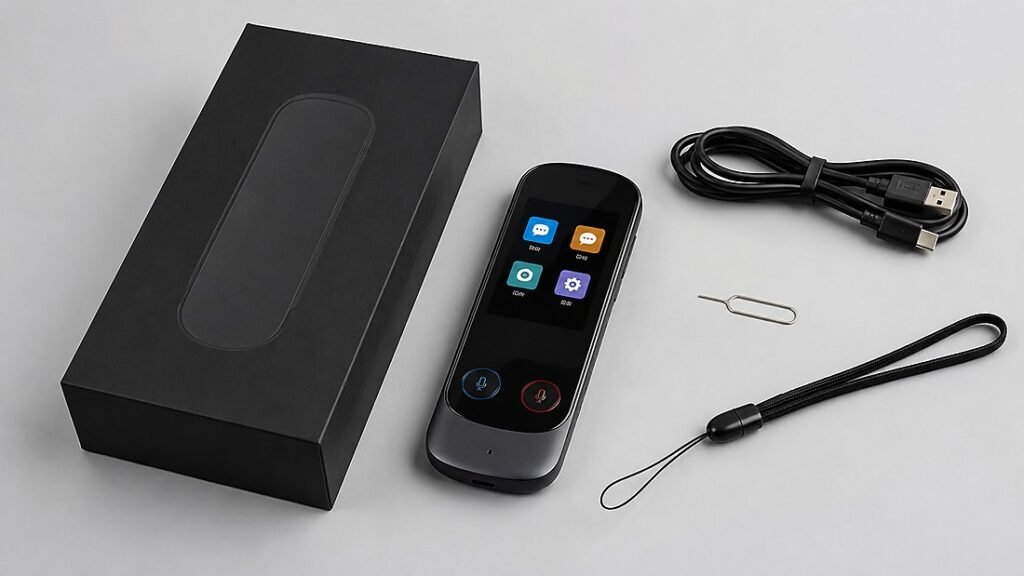
AI Translators for Southeast Asia E-Commerce: 9 Buyer Checklist Steps Before You Send an RFQ
If you sell on Shopee, Lazada, TikTok Shop or Amazon and you are preparing an RFQ for AI translators, the fastest way to avoid a costly mistake is to lock down nine buying variables before you request pricing: target language pairs, online versus offline modes, firmware and app ownership, MOQ tiers, certification for each destination country, lithium battery shipping, quality control, packaging customization and landed cost. Southeast Asia is a genuinely strong market for handheld translation devices because cross-border trade, tourism and multilingual customer service create daily demand, but the region is also fragmented by language, regulation and logistics—so a single generic quotation rarely fits every country you sell into.
Table of Contents
Table of Contents
Table of Contents
- Short Answer: What Should an AI Translator RFQ Include?
- Key Takeaways
- Key Facts for Buyers
- What Are AI Translators and Why SEA Sellers Need a Clear Spec
- The 9-Point AI Translators RFQ Checklist
- Online vs Offline vs Hybrid AI Translators: Comparison Table
- How MOQ, Tooling and Customization Affect Your Quotation
- Quality Control and Certification for SEA Markets
- Battery, Shipping and Import Compliance
- Common Mistakes and Buyer Red Flags
- Practical Buyer Checklist Before You Send the RFQ
- FAQ
- Conclusion
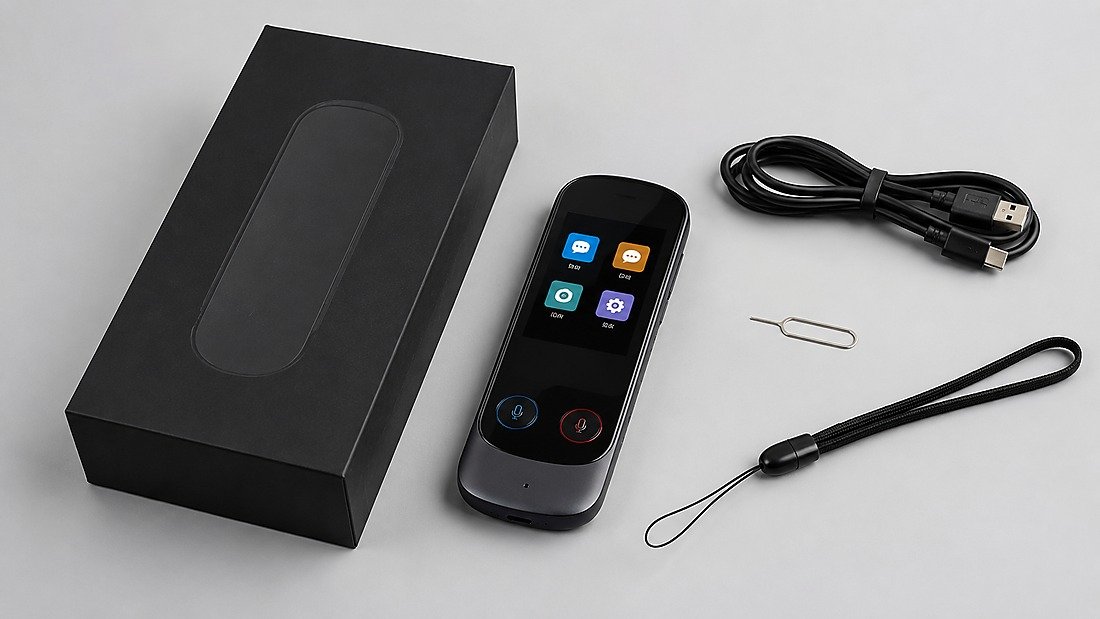
Short Answer: What Should an AI Translator RFQ Include?
A well-built RFQ for AI translators should specify the exact language pairs and whether translation runs online, offline or hybrid; the device hardware configuration; firmware and app ownership; target MOQ per SKU; required certifications for each Southeast Asian destination; battery capacity and UN38.3 documentation; packaging and logo customization; QC and inspection terms; and the Incoterm plus landed-cost assumptions. Sending these nine details up front usually shortens the quotation cycle and reduces the risk of re-quoting after samples arrive.
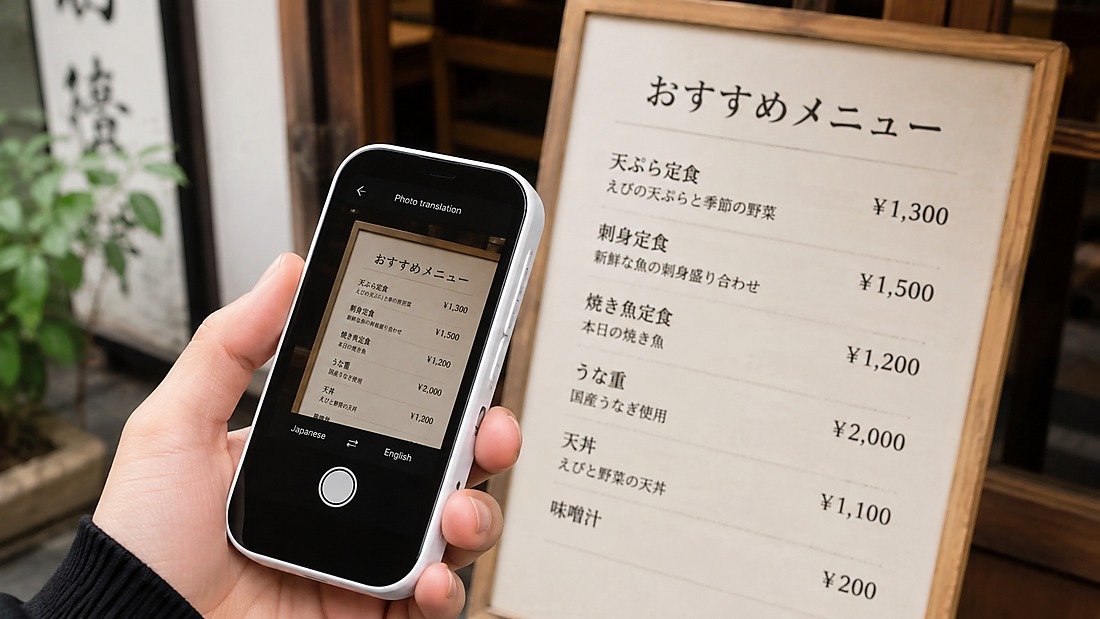
Key Takeaways
- AI translators are a specification-driven purchase: the same casing can ship with very different chipsets, language packs and connectivity, so quote against a written spec sheet, not a product photo.
- Offline language support is the most common expectation gap in Southeast Asia—confirm which language pairs work without Wi-Fi or a SIM.
- MOQ is usually tied to logo, packaging and firmware customization, not only to unit quantity.
- Certification requirements typically depend on the SKU, radio modules and destination country; buyers should verify with the manufacturer per market.
- Lithium batteries add shipping and documentation steps (UN38.3, MSDS), so confirm who prepares the paperwork.
- Ask who owns the firmware, app and tooling if you plan to build a long-term private label brand.
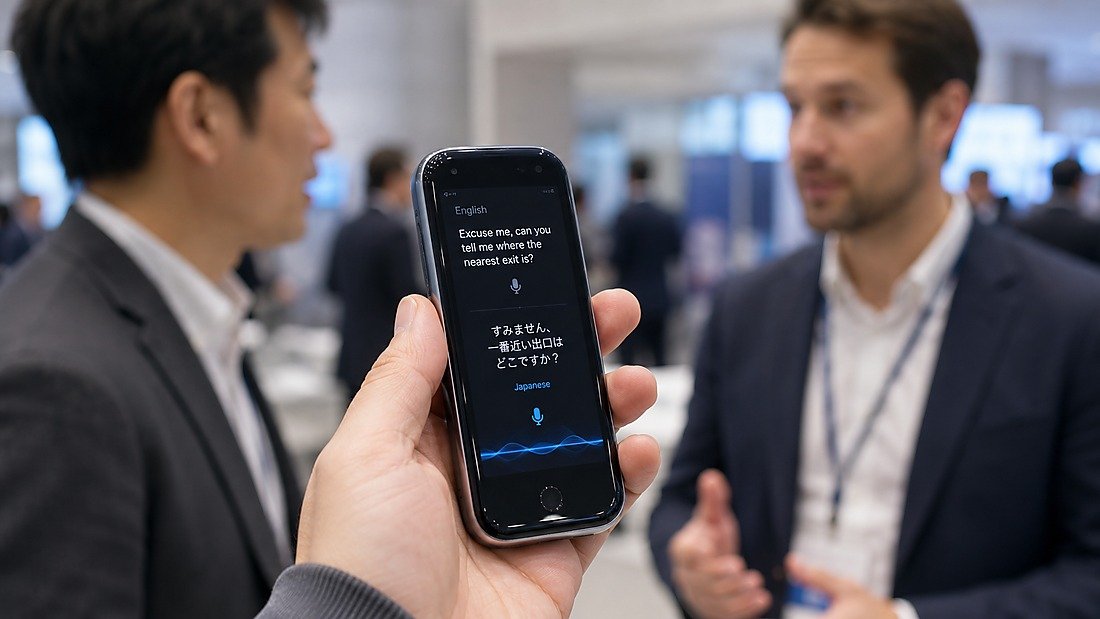
Key Facts for Buyers
| Buying Variable | What to Confirm in the RFQ | Why It Matters in SEA |
|---|---|---|
| Language pairs | Number of supported languages; offline vs online availability | Buyers test offline performance in low-connectivity areas |
| Connectivity | Wi-Fi, Bluetooth, optional 4G/eSIM, app pairing | Mobile-first markets rely heavily on phone apps |
| Hardware spec | Chipset, RAM/ROM, microphone array, speaker, display | Determines real-time translation accuracy and latency |
| MOQ | Per-SKU MOQ for stock vs customized units | Startup sellers need low entry quantities |
| Certification | CE, FCC, RoHS and local SEA registrations as applicable | Marketplace and customs requirements vary by country |
| Battery | Capacity, UN38.3 report, MSDS availability | Air freight and marketplace compliance |
| Lead time | Sample lead time and mass production lead time | Aligns with campaign and 11.11/12.12 sales cycles |
| Customization | Logo, packaging, firmware branding, app skin | Protects brand differentiation on marketplaces |
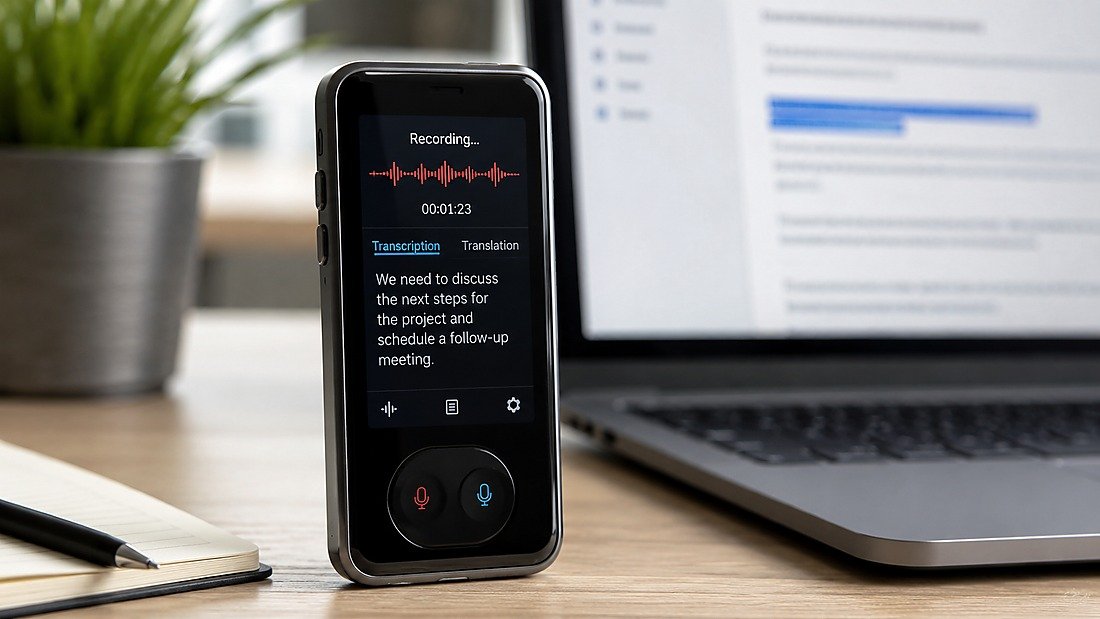
What Are AI Translators and Why SEA Sellers Need a Clear Spec
AI translators are portable or app-connected devices that convert spoken or written language from one language into another using on-device or cloud-based speech recognition and machine translation. For a B2B buyer, the product is defined less by its casing and more by four layers: the hardware platform, the language engine (on-device or cloud), the connectivity model, and the software/firmware that binds them together.
Southeast Asia is one of the most language-diverse retail regions in the world. Sellers serving Indonesia, Thailand, Vietnam, the Philippines and Malaysia often need devices that handle local languages alongside English, Mandarin, Japanese and Korean for tourism and business use. That means the practical question is not “does it translate?” but “which language pairs translate reliably, in which mode, and at what latency?” A device that performs well online may behave very differently without a network connection, and marketplace reviews in the region tend to punish that gap quickly.
Because the same outer shell can be configured with different chipsets, microphones and firmware builds, buyers should treat the manufacturer’s specification sheet as the contractual baseline. If your supplier cannot provide a written, SKU-level spec sheet, that is an early signal to keep evaluating alternatives. For a broader view of the category, see our AI translator product range.
Why e-commerce sellers specifically need a written spec
Marketplace listings, advertising claims and return policies are all built on product specifications. If a listing claims “supports 100+ languages” but the firmware ships with 40, the seller—not the factory—absorbs the returns and the listing penalties. Writing the spec into the RFQ protects the seller’s brand and makes sample testing objective.
The 9-Point AI Translators RFQ Checklist
1. Define the exact language pairs and modes
List the language pairs you plan to advertise and mark each as online-only, offline-capable or hybrid. Ask the factory to confirm which pairs are pre-installed, which require a download, and how updates are delivered. For Southeast Asian sellers, prioritize the local languages you actually sell into rather than a headline language count.
2. Verify the hardware configuration
Confirm chipset, memory, microphone array, speaker output and screen size. These components drive latency, noise handling in busy markets and battery life—three factors that show up directly in customer reviews.
3. Clarify connectivity and app dependency
Ask whether the device works standalone or relies on a paired phone app, and which operating systems are supported. If an app is required, confirm who maintains it and how updates are pushed.
4. Establish firmware and app ownership
If you intend to build a durable private label brand, clarify whether firmware branding, app skinning and OTA updates are available and who owns the resulting code. This is a common negotiation point in OEM/ODM projects; our private label OEM/ODM solution page outlines how customization is typically structured.
5. Confirm MOQ tiers
Ask for MOQ per SKU for stock units, logo-customized units and fully customized packaging. MOQ often changes the moment customization is added, so request a tiered table rather than a single number.
6. Map certification to each destination country
Certification requirements typically depend on the product configuration, radio modules and target market. Ask the factory to state which certificates are available per SKU and which local registrations may be required in each Southeast Asian country you sell into. Buyers should verify requirements independently before listing.
7. Resolve battery and shipping documentation
Lithium battery products usually require UN38.3 test documentation and an MSDS for air freight. Confirm which documents the manufacturer provides and whether they match the exact battery used in your SKU.
8. Agree on quality control and inspection
Define the inspection standard, sampling plan and whether pre-shipment inspection is included. Ask for the function test list—translation accuracy spot checks, microphone tests, charging cycles and drop checks.
9. Model landed cost, not unit price
Calculate the full landed cost: unit price, customization fees, packaging, carton dimensions, freight, duties and marketplace fees. A lower unit price with heavier packaging can erase the advantage once freight is included.
If you are at the stage of comparing configurations across models, a short specification review with our team can clarify which options fit your price band before you commit to a sample order—see the quotation request page.
Online vs Offline vs Hybrid AI Translators: Comparison Table
| Model Type | How It Works | Typical Buyer Fit | Trade-offs |
|---|---|---|---|
| Online-only | Cloud translation via Wi-Fi or mobile data | Sellers targeting urban, connected buyers | Best accuracy potential but depends on network |
| Offline-capable | On-device language packs | Tourism, rural use, travel retail | Limited language pairs; updates needed |
| Hybrid | On-device plus cloud fallback | Premium listings with broader claims | Higher hardware cost; more complex QC |
| App-based | Phone app handles translation, device is an accessory | Low-cost entry SKUs | Depends on app quality and updates |
How MOQ, Tooling and Customization Affect Your Quotation
Price in this category is rarely a single number. It is a function of quantity, customization depth and specification. Logo printing and standard packaging usually sit at one MOQ tier; custom packaging, color changes and firmware branding typically raise both the MOQ and the per-unit cost. Tooling for a new housing is a separate investment and should be quoted with ownership terms in writing.
Ask for a breakdown that separates unit price, customization fee, packaging cost and tooling cost. This allows you to compare quotations fairly and to model margin across different retail prices. Sellers often find that a slightly higher unit price with lower MOQ is the better commercial choice for a first SKU, because it reduces cash tied up in inventory and limits exposure if a language market underperforms.
Lead time planning for SEA sales cycles
Southeast Asian marketplaces run large promotional events throughout the year. Production lead time, plus freight and customs clearance, should be mapped backward from those events. Confirm sample lead time separately from mass production lead time, and ask how lead times shift for customized orders.
Quality Control and Certification for SEA Markets
Quality control for AI translators should cover both hardware and software behavior. On the hardware side, buyers should ask about function testing, battery charging and aging checks, microphone performance, drop testing and packaging integrity. On the software side, ask how language packs are validated before shipment and whether a written update process exists.
Certification is a market-by-market question. CE and RoHS documentation is relevant for European compliance and often reviewed by international buyers as a quality signal; FCC documentation matters for the United States. For Southeast Asian markets, import and registration requirements may vary and buyers should verify with local authorities and their freight forwarders. A responsible manufacturer will state which certificates apply to which SKU rather than making a blanket claim. Buyers can review official references such as the U.S. Federal Communications Commission for radio equipment rules and the International Electrotechnical Commission for electrotechnical standards context.
Battery, Shipping and Import Compliance
Most handheld translators contain a lithium battery. Air freight normally requires UN38.3 test documentation and, for many carriers, an MSDS. Confirm that the documents reference the exact battery cell used in your SKU, because a certificate for a different cell may not satisfy the carrier. Ask whether the factory ships under a standard Incoterm, who prepares the shipping documents, and whether the packaging is designed for drop protection during multi-leg freight.
On the import side, duty rates, restricted-item rules and marketplace documentation requirements typically depend on the country and the product classification. Buyers should verify with a customs broker rather than relying on a supplier’s general statement.
Common Mistakes and Buyer Red Flags
Common mistakes
- Quoting against a product photo instead of a written SKU-level specification.
- Assuming offline translation works for every advertised language.
- Ignoring app maintenance and update responsibility.
- Comparing unit prices without comparing packaging, carton weight and freight.
- Underestimating certification and battery documentation lead time.
Buyer red flags
- The manufacturer cannot provide a written spec sheet or sample test report.
- Certification claims are vague (“all certificates available”) with no SKU mapping.
- MOQ, customization fees and tooling ownership are not stated in writing.
- No clear process for firmware updates or after-sales spare parts.
- Pressure to pay a deposit before samples are tested against your own checklist.
Practical Buyer Checklist Before You Send the RFQ
- Written language-pair list with offline/online/hybrid flags.
- Hardware spec sheet per SKU.
- App and firmware ownership terms.
- Tiered MOQ table for stock, logo and custom packaging.
- Certification list mapped to each destination country.
- UN38.3 and MSDS availability for the exact battery.
- Sample lead time and mass production lead time.
- QC inspection standard and pre-shipment inspection terms.
- Warranty period and spare-parts policy.
- Incoterm, carton dimensions and landed-cost estimate.
For sellers building a wider device lineup, it helps to compare related categories such as AI voice mouse devices and AI smart glasses so that branding, packaging and app strategy stay consistent across your store.
FAQ
What is a realistic MOQ for private label AI translators?
MOQ typically depends on the customization level. Stock units usually carry the lowest MOQ, while logo, packaging and firmware customization raise it. Ask for a tiered table and confirm in writing before paying a deposit.
Can the same AI translator SKU be sold in multiple Southeast Asian countries?
Often yes at the hardware level, but certification, labeling and import documentation may differ by country. Confirm requirements for each market before listing the product.
Do AI translators work without internet?
Some models support offline language packs, but coverage varies by language pair. Confirm which pairs work offline before advertising that capability.
Who should prepare UN38.3 and MSDS documents?
The manufacturer normally provides these for the battery used in the SKU. Buyers should verify the documents match the exact configuration and share them with their freight forwarder.
How long does sampling usually take?
Sample lead time depends on whether the unit is stock or customized and should be quoted separately from mass production lead time. [STAR KING TO CONFIRM]
What should be in the warranty and spare-parts agreement?
Confirm warranty duration, what is covered, how defective units are handled, and whether spare parts such as chargers or batteries can be ordered separately.
How do I compare quotations fairly?
Normalize each quotation to the same specification, Incoterm and packaging, then compare landed cost rather than unit price [STAR KING TO CONFIRM].
Conclusion
For Southeast Asian e-commerce sellers, AI translators are a strong category when the specification, certification and logistics details are settled before the RFQ goes out. The nine checks in this guide—language pairs, hardware, connectivity, firmware ownership, MOQ, certification, battery documents, QC and landed cost—turn a vague inquiry into a comparable quotation. Take the time to test samples against your own checklist before committing to volume, and keep your brand, packaging and app strategy consistent across the devices you sell.
Ready to Request a Quotation?
If you are preparing an RFQ for AI translators, share your target language pairs, destination markets, estimated quantities and customization requirements. Our team can review specifications, confirm MOQ and lead time, and discuss OEM/ODM options and pricing for your market.
Discuss Your Smart Wearable OEM/ODM Project
Planning a smart ring, smart watch, smart band, AI glasses, AI translator, or AI voice mouse project? Contact STAR KING to discuss product positioning, sample testing, customization scope, certification requirements, lead time, and quotation details.

Team Star King

Scan WhatsApp QR code
Leave a Reply