
Smart Bands OEM for EU Startup Brands: 7 Proven Steps to Launch a Private Label Wearable in 2026
November 11, 2026 · Team Star King
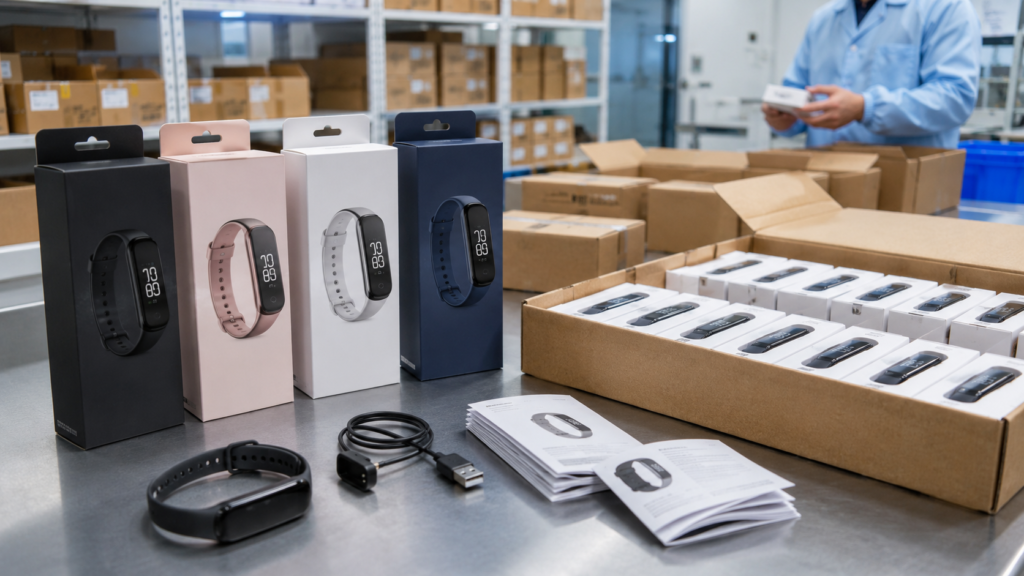
Smart Bands OEM for EU Startup Brands: 7 Proven Steps to Launch a Private Label Wearable in 2026
Launching a private label smart band in the European Union requires more than a product idea. Startup brands must select a capable smart bands OEM partner, verify CE and battery compliance, plan MOQ, customize firmware or app features, and manage lead time. This guide outlines seven practical steps to move from concept to market-ready wearable while controlling cost and risk.
Table of Contents
Table of Contents
Short Answer
For EU startup brands, the most reliable path to a private label smart band is to work with an experienced smart bands OEM that supports sample development, CE and RoHS compliance documentation, app or firmware customization, and transparent MOQ planning. Begin with a small validation batch, confirm test reports before mass production, and verify battery UN38.3 and MSDS documents for shipping.
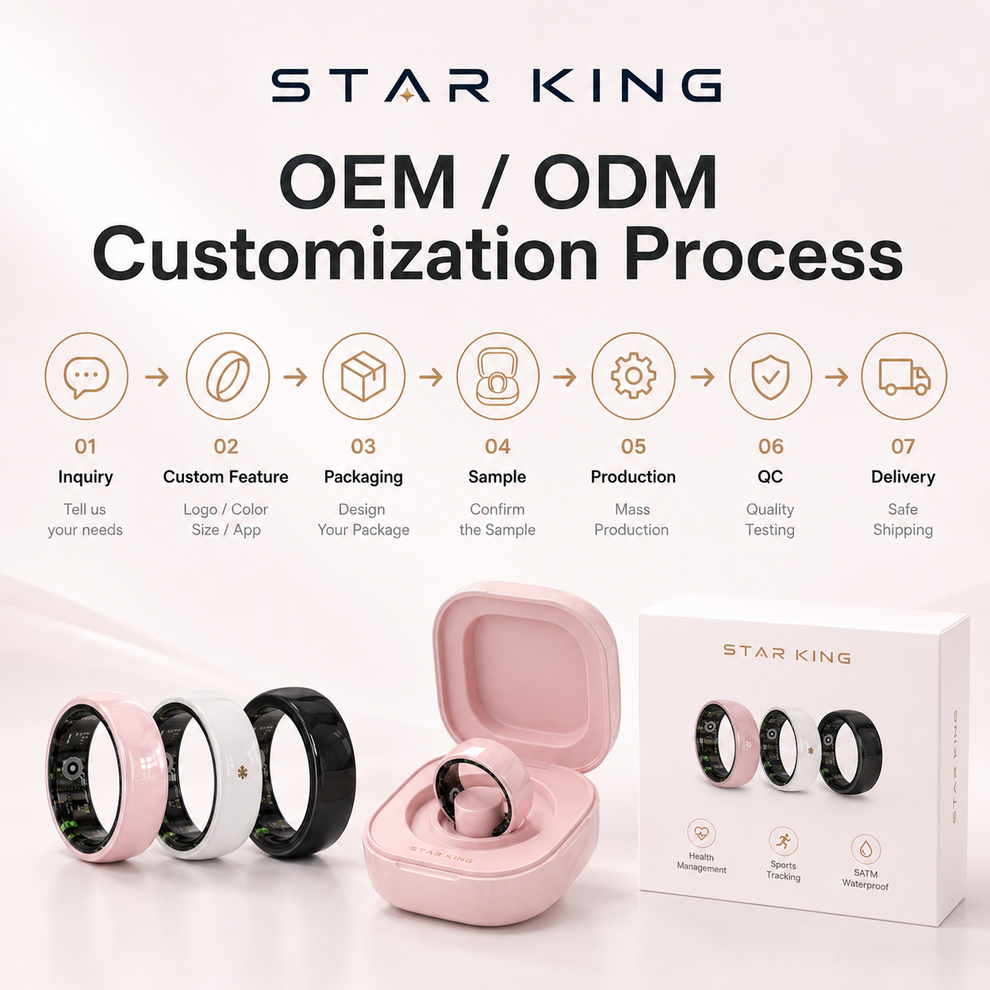
Table of Contents
- Step 1: Define Your Target User and Feature Set
- Step 2: Screen Smart Bands OEM Suppliers
- Step 3: Choose OEM, ODM, or Private Label Model
- Step 4: Plan MOQ and Cost Structure
- Step 5: Validate Samples and App Integration
- Step 6: Confirm EU Compliance and Certification
- Step 7: Lock Production Schedule and Logistics
Key Takeaways
- EU startup brands should prioritize smart bands OEM partners with documented CE, RoHS, and battery compliance support.
- MOQ, tooling ownership, and app customization scope are the three commercial terms that most affect launch cost.
- Always test pre-production samples for sensor accuracy, battery life, and Bluetooth stability.
- Plan logistics around lithium battery shipping rules; UN38.3 and MSDS documents are typically required.
- A staged rollout — small validation batch, then scale — reduces inventory risk for first-time buyers.
Key Facts for Buyers
| Decision Area | Typical EU Startup Consideration | What to Verify |
|---|---|---|
| Supplier type | OEM vs ODM vs private label | Design ownership, tooling cost, firmware access |
| MOQ | Often 500–1,000 units for private label | Price breaks, sample fees, color minimums |
| Compliance | CE, RoHS, WEEE, battery rules | Test reports, DoC, UN38.3, MSDS |
| App integration | White-label app or SDK | Data ownership, update policy, GDPR |
| Lead time | 25–45 days after sample approval | Production schedule, shipping mode |
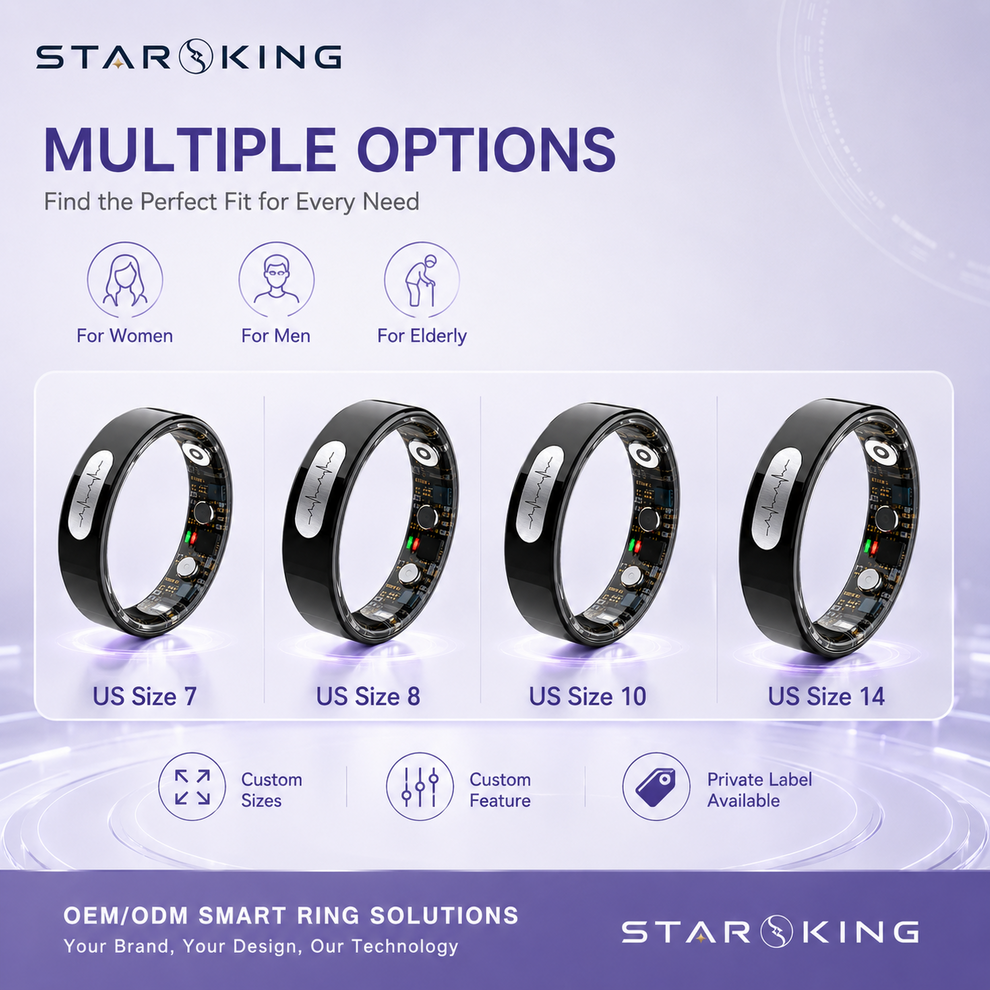
Step 1: Define Your Target User and Feature Set
Before contacting a smart bands OEM, clarify the user segment and the features that matter. EU startup brands often target fitness beginners, corporate wellness programs, or senior monitoring. Each segment has different expectations for heart rate monitoring, blood oxygen monitoring, sleep tracking, and battery life.
Write a one-page product brief covering display size, sensor set, water resistance, battery target, app platform, and packaging language. This brief becomes the basis for sample requests and supplier comparisons.
Step 2: Screen Smart Bands OEM Suppliers
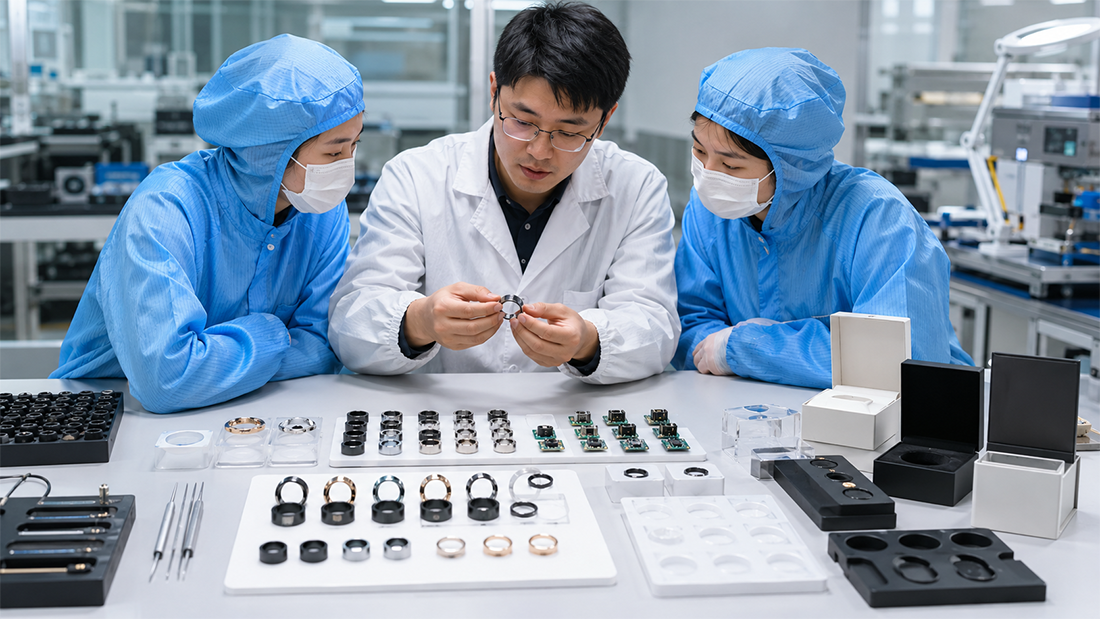
Supplier evaluation should go beyond price lists. Ask for factory audit reports, product test summaries, and examples of previous private label projects. A capable smart bands OEM will explain which components are standard and which require tooling development.
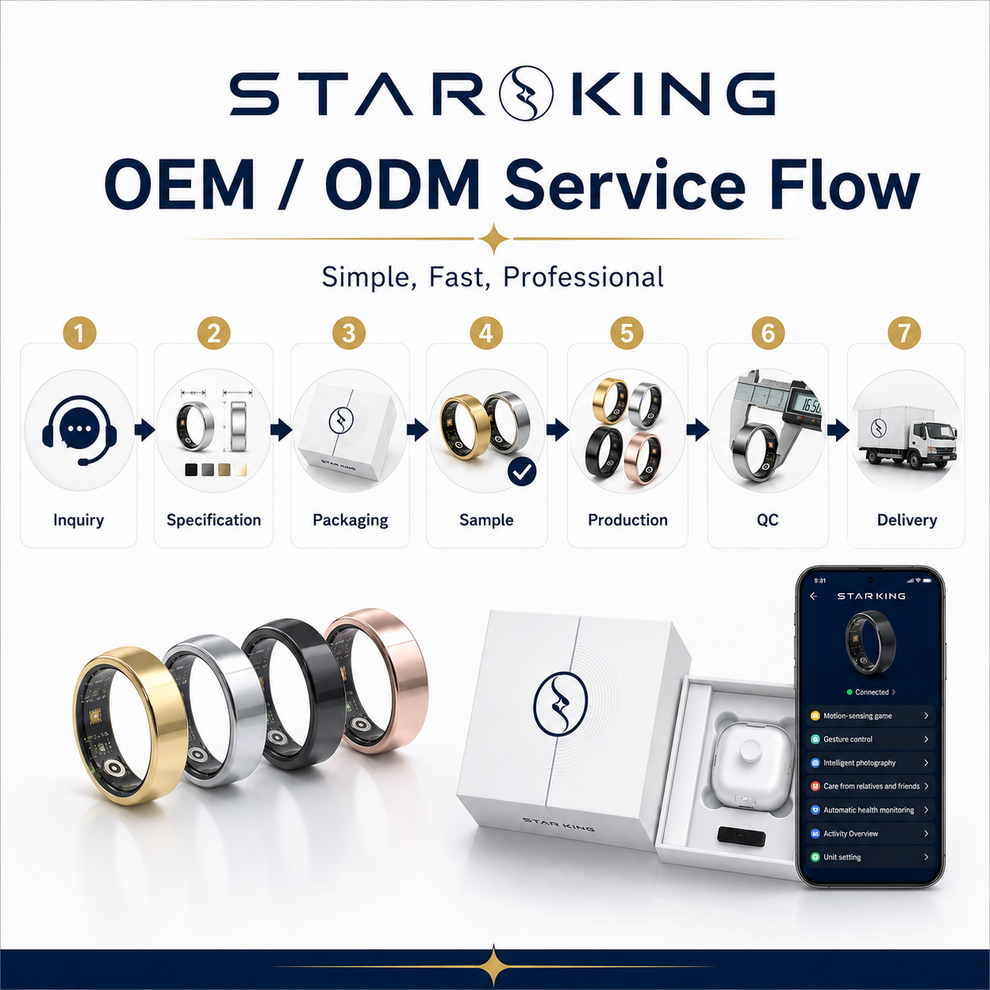
Use the private label OEM/ODM solution page as a reference for the types of customization available, including logo, packaging, and app branding.
Step 3: Choose OEM, ODM, or Private Label Model
The three models differ in cost, speed, and control. ODM uses an existing design with light branding changes. Private label applies your brand to a mature product. Full OEM involves custom industrial design and tooling, which usually requires higher MOQ and longer lead time.
| Model | Customization Level | Typical MOQ | Best For |
|---|---|---|---|
| Private Label | Logo, packaging, app name | Lower | Fast market entry |
| ODM | Firmware and app tweaks | Medium | Differentiated features |
| Full OEM | Industrial design and tooling | Higher | Long-term brand IP |
Step 4: Plan MOQ and Cost Structure
MOQ planning is critical for startup cash flow. Ask the supplier to break down unit cost by components, packaging, and testing. Clarify whether sample fees are refundable against bulk orders. Include landed cost estimates: freight, duties, VAT, and certification testing.
For EU delivery, confirm whether the supplier can provide DDP or DAP terms and who handles customs documentation.
Step 5: Validate Samples and App Integration
Test samples for at least two weeks. Check step count accuracy, heart rate trends during exercise, sleep staging consistency, and Bluetooth reconnection stability. Review the companion app for language support, data export, and privacy policy.
If you need app customization, confirm whether the supplier offers SDK access or white-label app deployment. Data ownership and GDPR compliance should be defined in the contract.
Step 6: Confirm EU Compliance and Certification
CE marking is required for many wearable electronics sold in the EU, but the applicable directives depend on product configuration. Radio equipment typically falls under the Radio Equipment Directive (RED), while battery and hazardous substances rules also apply. Buyers should verify test reports and the Declaration of Conformity before placing bulk orders.
Battery shipping requires UN38.3 test summaries and MSDS documents. RoHS compliance should be confirmed for all electronic components. For official reference, see the European Commission CE marking page and the IEC standards overview.
Step 7: Lock Production Schedule and Logistics
After sample approval, confirm the production schedule in writing. Typical lead time for private label smart bands is 25–45 days, depending on component availability and customization scope. Plan sea or air freight based on launch date and budget.
For lithium battery products, ensure the freight forwarder accepts UN38.3 documentation and follows IATA rules for air transport.
Common Mistakes and Buyer Red Flags
- Choosing a supplier solely on lowest unit price without verifying test reports.
- Assuming all smart bands are CE-certified without seeing the Declaration of Conformity.
- Ignoring app data ownership and GDPR obligations.
- Ordering full MOQ before validating sample quality and market demand.
- Overlooking lithium battery shipping documentation, causing customs delays.
Practical Buyer Checklist
- Request factory audit summary and product test reports.
- Confirm CE, RoHS, and battery documentation for target EU markets.
- Clarify MOQ tiers, sample fees, and payment terms.
- Test app language support and data export features.
- Define tooling ownership and firmware update policy in the contract.
- Verify UN38.3 and MSDS for shipping.
- Plan a small validation batch before scaling.
Buyers can also review STAR KING Smart Bands OEM/ODM options to compare product positioning, customization scope, and sample planning.
FAQ
What is the typical MOQ for private label smart bands?
MOQ varies by supplier and customization level. Many private label projects start at 500–1,000 units, but lower trial quantities may be available with higher unit cost. Confirm with your smart bands OEM.
Do I need CE certification to sell smart bands in the EU?
Most electronic wearables with radio functionality require CE marking under applicable directives. The exact requirements depend on product features. Buyers should verify test reports and the Declaration of Conformity.
Can I customize the app for my brand?
Many smart bands OEM suppliers offer white-label app options or SDK access. Confirm data ownership, update responsibilities, and GDPR compliance in the agreement.
How long does production take?
Typical lead time after sample approval is 25–45 days, depending on customization and component availability. Plan buffer time for shipping and customs clearance.
What shipping documents are needed for lithium battery smart bands?
UN38.3 test summary and MSDS are commonly required. Your freight forwarder may also request additional battery safety declarations.
Can I start with a small batch to test the market?
Yes. Many suppliers support trial orders below standard MOQ, though unit cost is higher. A small validation batch helps reduce inventory risk.
Conclusion
For EU startup brands, launching a private label smart band is achievable with a structured sourcing approach. Focus on supplier verification, sample testing, compliance documentation, and realistic MOQ planning. A reliable smart bands OEM partner can shorten the path from concept to market while protecting your brand and your customers.
STAR KING CTA
Ready to evaluate smart bands OEM options for your startup? Request product samples and discuss customization, MOQ, and certification requirements with our team.
Discuss Your Smart Wearable OEM/ODM Project
Planning a smart ring, smart watch, smart band, AI glasses, AI translator, or AI voice mouse project? Contact STAR KING to discuss product positioning, sample testing, customization scope, certification requirements, lead time, and quotation details.

Team Star King

Scan WhatsApp QR code
Leave a Reply