
Smart Watches for Startup Brands in the US: 5 Critical OEM Decisions Before You Launch in 2026
November 3, 2026 · Team Star King
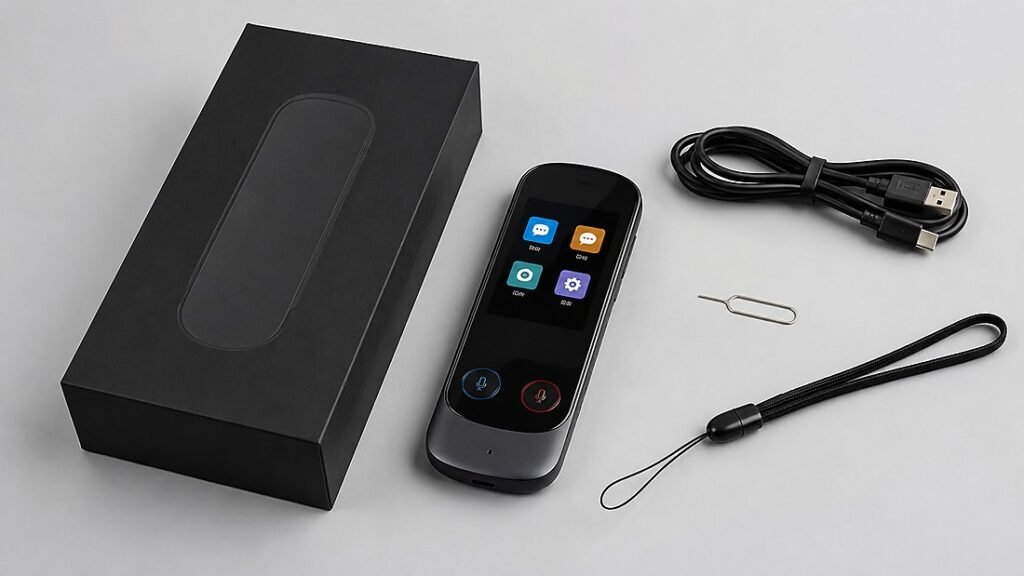
Smart Watches for Startup Brands: 5 Critical OEM Decisions Before You Launch in 2026
If you are a startup founder looking for smart watches for startup brands, the biggest risk is not the watch — it is the decisions you make before tooling, certification, and first production order. Most launch failures in the US market trace back to five early choices: MOQ sizing, supplier model (OEM vs ODM), product specifications, compliance, and cash flow planning. This 2026 guide explains each decision in buyer language, with checklists, comparison tables, and questions to ask a supplier before you sign.
Table of Contents
Table of Contents
smart watches for startup brands: Table of Contents
- Direct Answer
- Key Takeaways
- Key Facts for Buyers
- Decision 1: OEM, ODM, or Private Label Smart Watches
- Decision 2: How to Right-Size MOQ for a Startup
- Decision 3: Specifications, Firmware, and App Trade-Offs
- Decision 4: Certification and US Market Compliance
- Decision 5: Landed Cost, Cash Flow, and Launch Planning
- Comparison Table: Startup Smart Watch Sourcing Scenarios
- Common Mistakes and Buyer Red Flags
- Practical Buyer Checklist
- FAQ
- Conclusion

Direct Answer: What Should a Startup Brand Decide First?
Before launching smart watches for startup brands in the US, decide three things in this order: your target price band and feature set, your sourcing model (ODM reference design, OEM customization, or private label), and your compliance path (FCC, battery UN38.3, RoHS, and state battery rules). MOQ, packaging, and app customization follow from those three. Founders who lock price band, sourcing model, and compliance path before sample rounds typically avoid the most expensive rework. Buyers should verify every certification claim against the exact SKU and target market, because requirements typically depend on the product configuration.
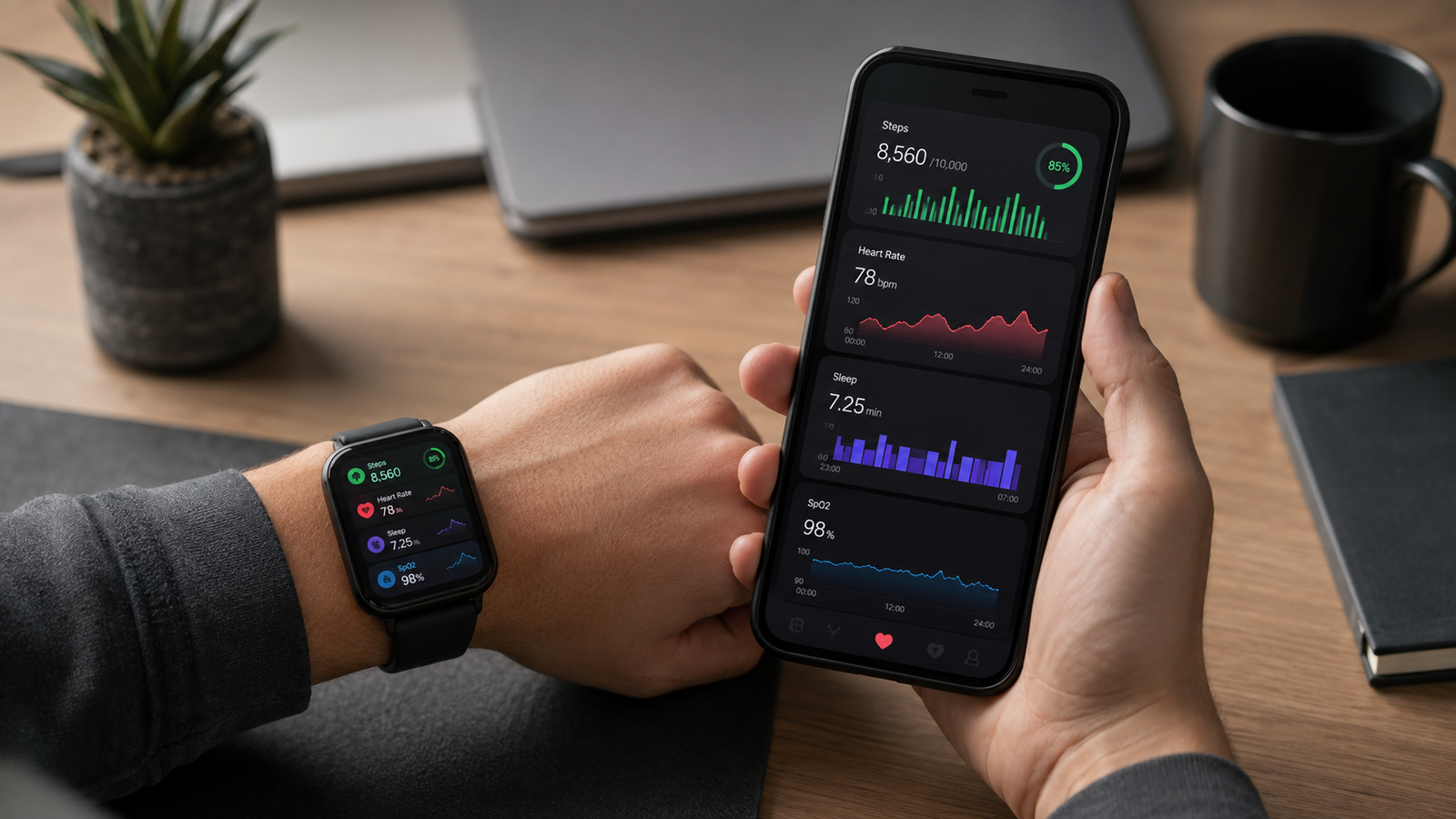
Key Takeaways
- Most startup smart watch launches fail on planning, not hardware: MOQ, certification scope, and app ownership decisions are the top three rework risks.
- ODM is usually the fastest and lowest-cost path for a first product; OEM and private label customization add control but also lead time and tooling cost.
- MOQ is negotiable when the product is a reference design with standard packaging, but drops sharply when you request custom tooling, custom color, or custom firmware.
- US market compliance for a smart watch typically includes FCC equipment authorization, UN38.3 and MSDS for the lithium battery, and RoHS documentation; buyers should confirm the exact scope per SKU and per market.
- Landed cost, not FOB price, is the number that determines whether your retail price and ad spend can work.
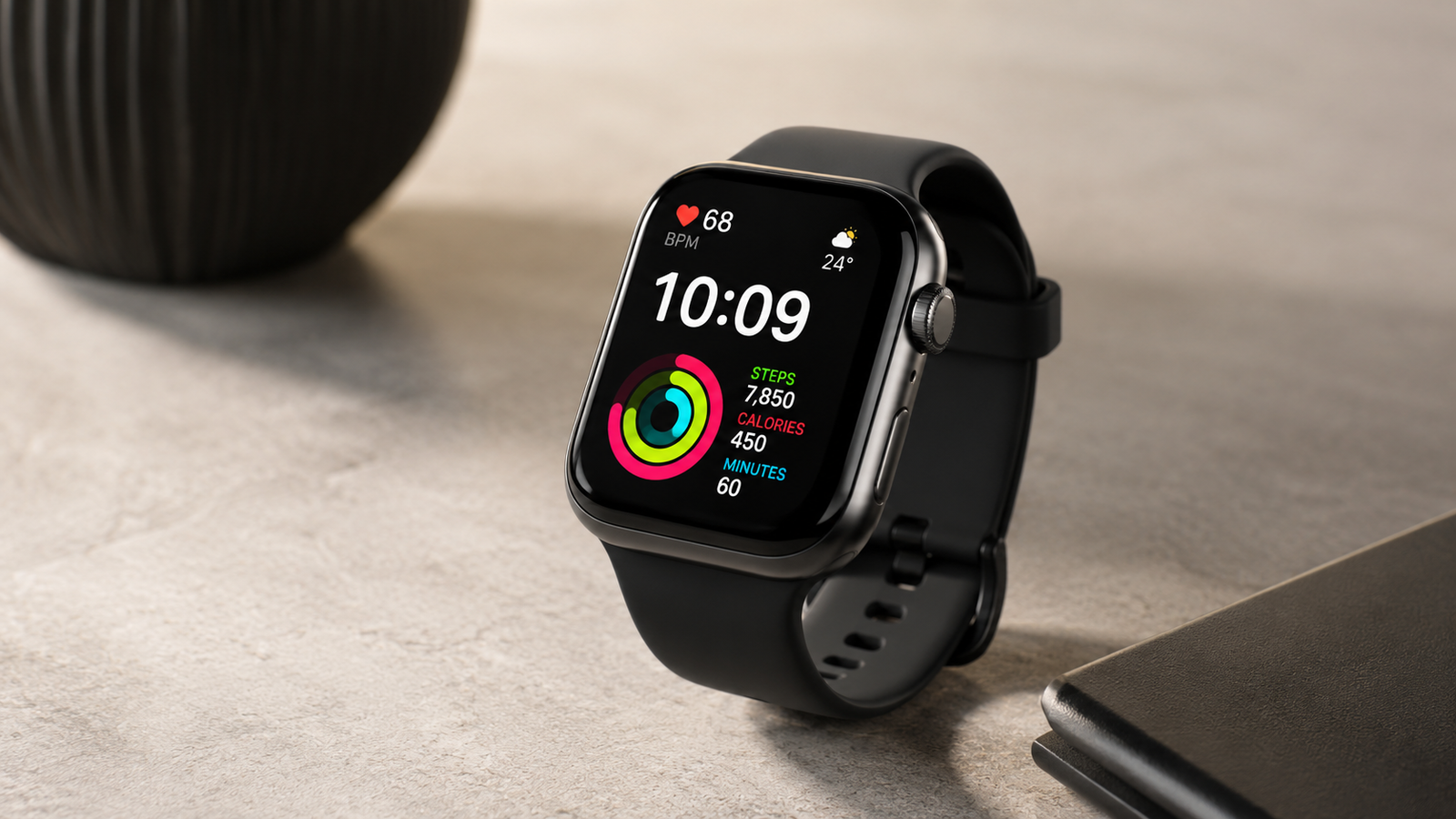
Key Facts for Buyers
| Decision Area | What It Controls | Typical Startup Impact | How to Verify |
|---|---|---|---|
| Sourcing model | Speed, cost, differentiation | ODM fastest; OEM adds control; private label adds brand assets | Request a written breakdown of what is standard vs. custom per model |
| MOQ | Cash tied up, inventory risk | Reference design MOQs are lower than custom tooling MOQs | Ask for MOQ per SKU, per color, per packaging type |
| Specs and firmware | User experience, reviews | Sensor quality and app stability drive returns and ratings | Test firmware stability and app pairing in sample round |
| Compliance | US market eligibility | FCC and battery documentation are gating items | Verify certificate scope matches exact SKU and model number |
| Landed cost | Retail price and margin | Duty, freight, and battery handling change the total | Build a landed cost model before sample approval |

Decision 1: OEM, ODM, or Private Label Smart Watches
For most startup brands, the first smart watch should not be a ground-up development. The realistic options are ODM reference designs, OEM customization of those designs, and private label branding. Each has a different effect on cost, lead time, and differentiation.
What Each Sourcing Model Means
ODM means the manufacturer already owns the design, firmware, and app, and you select and brand it. OEM means you own or specify the design and specification, and the manufacturer builds to your requirements. Private label is a lighter form of ODM branding, usually covering logo, packaging, and app theming. In practice, many startup brands start with ODM plus private label packaging, then move toward OEM firmware and app customization on the second or third order.
How to Evaluate the Trade-Off
Ask the supplier to separate the product into three layers: hardware reference platform, firmware and app, and packaging and brand. The more layers you customize, the higher the MOQ, tooling cost, and lead time. A startup can usually reach a viable US launch by customizing only packaging plus app theming on a proven reference platform, then invest in deeper private label OEM/ODM customization after Sell-In data is available.
When a Startup Should Move to OEM
Move to OEM when you have a clear differentiation claim that the reference design cannot support — for example a specific sensor, a unique form factor, or a branded firmware experience. Until then, OEM tooling cost and lead time usually outweigh the differentiation benefit. For an in-depth look at the product category, see the smart watches product line.
Soft CTA: If you are still mapping your first product, the fastest way to decide between ODM and OEM is to compare a reference design against your target spec sheet — our team can walk through that comparison without requiring an order.
Decision 2: How to Right-Size MOQ for a Startup
MOQ is the single most common negotiation point for smart watches for startup brands. It is also the most misunderstood. MOQ is not a single number; it is a set of numbers tied to SKU, color, packaging, and firmware variant.
Why MOQ Varies by SKU and Customization
A standard reference design with standard packaging usually carries a lower MOQ because the manufacturer can produce it without dedicated tooling. Custom colors, custom molds, custom packaging, and custom firmware typically require higher MOQs to amortize setup and tooling. Buyers should request MOQ in a table, not in a single email sentence.
How to Plan Your First Order
- Start with one or two colorways to concentrate inventory and reduce MOQ pressure.
- Order standard packaging for the first run if launch timing matters, and plan custom packaging for the second run.
- Confirm whether MOQ is per model, per color, or per purchase order — the difference changes your cash requirement significantly.
- Ask how MOQ changes if you commit to a forecast rather than a single order; [STAR KING TO CONFIRM] forecast-based MOQ flexibility.
How Many Units Should a First Order Be?
There is no universal number. A practical approach is to model first-order units against your channel: Amazon launch inventory, direct-to-consumer buffer, and wholesale samples. Many startup brands launch with a controlled first order and reinvest after sell-through data. The right MOQ is the one your cash flow can support without blocking your second product. For guidance on the broader category, review STAR KING resources.
Decision 3: Specifications, Firmware, and App Trade-Offs
Specs are where startup brands over-promise and under-deliver. The watch case and display are visible, but the user experience is driven by sensors, firmware stability, and app quality. Buyers should treat the app and firmware as part of the product, not an accessory.
Specification Trade-Off Table
| Feature Area | Common Trade-Off | Buyer Question to Ask |
|---|---|---|
| Sensor set | More sensors increase cost and power draw | Which sensors are required for your core feature claims? |
| Battery life | Smaller size vs. longer runtime | What is tested battery life under real usage profiles? |
| Display | Size and brightness vs. cost | What display spec is standard vs. upgrade option? |
| App | Custom app vs. white-label app | Who owns the app, and who maintains it after launch? |
| Water resistance | Rating claim vs. tested level | What testing supports the water resistance claim? |
Firmware and App Ownership
Startup brands should clarify in writing who owns and maintains the app, what happens if the app is discontinued, and whether the firmware can be updated over the air. Where a white-label app is used, buyers should confirm the brand visibility and data policy. Consumer health monitoring features on a smart watch are generally wellness features, not medical diagnostics, and buyers should avoid medical claims unless the product is cleared for that use in the target market.
Soft CTA: If you need to compare firmware and app customization options before committing to a platform, request a feature-by-feature comparison from our team.
Decision 4: Certification and US Market Compliance
Certification is the most common launch delay for US-bound smart watches. The exact scope typically depends on the product configuration, radio modules, and battery. Buyers should never assume that a supplier’s certificate covers a different SKU or a different model number.
Typical US Compliance Items for a Smart Watch
- FCC equipment authorization for the Bluetooth and radio module. See the FCC equipment authorization overview for the official process.
- UN38.3 and MSDS for the lithium battery, which are typically required for air freight and for e-commerce platforms.
- RoHS documentation for restricted substances. The EU RoHS Directive is a useful reference point for restricted substance scope even for US-focused brands.
- State-level battery and e-waste rules where applicable. Buyers should verify requirements with their compliance provider.
How to Verify a Certificate
Request the certificate PDF, the test report, and the model number page. Match the model number to the exact SKU you are ordering. Ask whether the certificate covers the radio module used in your configuration. For OEM customization, confirm who is responsible for re-testing if the radio or battery changes. Read more on health and fitness wearable solutions for application context.
Decision 5: Landed Cost, Cash Flow, and Launch Planning
FOB price is not your cost. Landed cost includes freight, duty, battery handling, platform fees, and returns reserve. For a first-time startup brand, landed cost is the number that determines whether your retail price and ad spend can work.
Landed Cost Components
| Cost Component | What to Include | Planning Note |
|---|---|---|
| FOB unit price | Per-SKU unit price | Confirm what accessories are included |
| Freight | Air or sea, battery-compliant shipping | Lithium battery handling may add cost |
| Duty and import fees | Per HTS classification | Verify classification with a customs broker |
| Platform and ad fees | Amazon or DTC channel | Model against your target AOV |
| Returns and warranty reserve | Reverse logistics | Reserve for firmware-related returns |
Lead Time Planning
For a new startup product, the timeline usually includes sample round, spec freeze, certification, mass production, and freight. Buyers should ask for the lead time per stage rather than a single total, because the risk is concentrated in spec changes and certification. [STAR KING TO CONFIRM] current sample and production lead times for the selected smart watch model.
Comparison Table: Startup Smart Watch Sourcing Scenarios
| Scenario | Best For | MOQ Pressure | Lead Time | Differentiation |
|---|---|---|---|---|
| ODM reference design, standard packaging | Fastest US launch | Lowest | Shortest | Low to medium |
| ODM + private label packaging | Brand-building launch | Low to medium | Medium | Medium |
| OEM firmware and app customization | Second-order differentiation | Medium to high | Longer | High |
| OEM custom tooling and form factor | Committed brand with forecast | Highest | Longest | Highest |
Common Mistakes and Buyer Red Flags
- Assuming a certificate covers every SKU. Always verify the model number on the certificate against the exact SKU.
- Choosing the lowest FOB quote. A lower FOB price with higher freight, duty, or return rate is not the lower cost.
- Customizing everything on the first order. Custom tooling, firmware, and packaging at once multiplies MOQ and lead-time risk.
- Skipping sample validation. Test firmware stability, app pairing, charging, and waterproofing before approving mass production.
- Not asking who owns the app and firmware. If the supplier owns the app, plan for what happens after launch.
- Ignoring battery shipping rules. Lithium battery documentation is a gating item for air freight and some platforms.
- Trusting verbal MOQ or lead time. Ask for it in writing, per SKU.
Practical Buyer Checklist
- Written spec sheet with sensor, display, battery, and water resistance claims
- MOQ table broken down by SKU, color, and packaging type
- Sample unit received and tested for firmware, app pairing, and charging
- Certificate PDFs matched to the exact model number
- Written statement on app and firmware ownership and maintenance
- Landed cost model including freight, duty, and returns reserve
- Lead time per stage: sample, spec freeze, certification, production, freight
- Packaging and logo artwork approval process
- Warranty and spare parts policy in writing
- Payment terms and deposit structure
FAQ
What is a realistic MOQ for smart watches for startup brands?
MOQ varies by model and customization level. Standard reference designs typically carry lower MOQs than custom tooling or custom firmware. Request a written MOQ table per SKU and per packaging type before you plan your budget.
Do I need FCC certification to sell a smart watch in the US?
Smart watches with Bluetooth or other radio modules are typically subject to FCC equipment authorization. The exact requirement depends on the module and configuration. Verify the certificate scope against your exact model number, and consult a compliance provider.
Can a startup brand customize the app and packaging?
Yes, in most ODM or private label programs packaging and app theming can be customized. The scope, MOQ impact, and lead time depend on the supplier and the platform. Ask for a written breakdown of standard versus custom items.
How long does it take to launch a smart watch brand in the US?
Timeline typically depends on sample rounds, spec freeze, certification, and freight. Ask for lead time per stage rather than a single number, and build a buffer for certification and spec changes.
Is a smart watch with health monitoring a medical device?
Consumer smart watches generally offer wellness features, not medical diagnostics. Buyers should avoid medical claims unless the product and claims are cleared for the target market. Verify labeling and marketing language with a regulatory advisor.
What should I verify before placing a first bulk order?
Verify the sample unit, the certificate scope, the MOQ table, the app ownership terms, the landed cost model, and the lead time per stage. Ask for all of these in writing.
Conclusion
Smart watches for startup brands succeed or fail on five early decisions: sourcing model, MOQ, specifications and app, compliance, and landed cost. For a US launch in 2026, the lowest-risk path is usually a proven reference platform with private label branding, verified FCC and battery documentation, and a landed cost model that supports your retail price. Review the smart watch product range and the private label solutions to map your first product.
STAR KING CTA
Ready to move from awareness to a concrete first product? Request smart watch samples and a written MOQ and compliance summary for your target SKU. Our team can confirm model options, packaging scope, and certification documents before you commit to a first order.
Request smart watch samples and OEM/ODM details
Discuss Your Smart Wearable OEM/ODM Project
Planning a smart ring, smart watch, smart band, AI glasses, AI translator, or AI voice mouse project? Contact STAR KING to discuss product positioning, sample testing, customization scope, certification requirements, lead time, and quotation details.

Team Star King

Scan WhatsApp QR code
Leave a Reply