
Smart Bands OEM for EU Startups: 7 Critical Steps to Source, Certify & Launch
October 21, 2026 · Team Star King
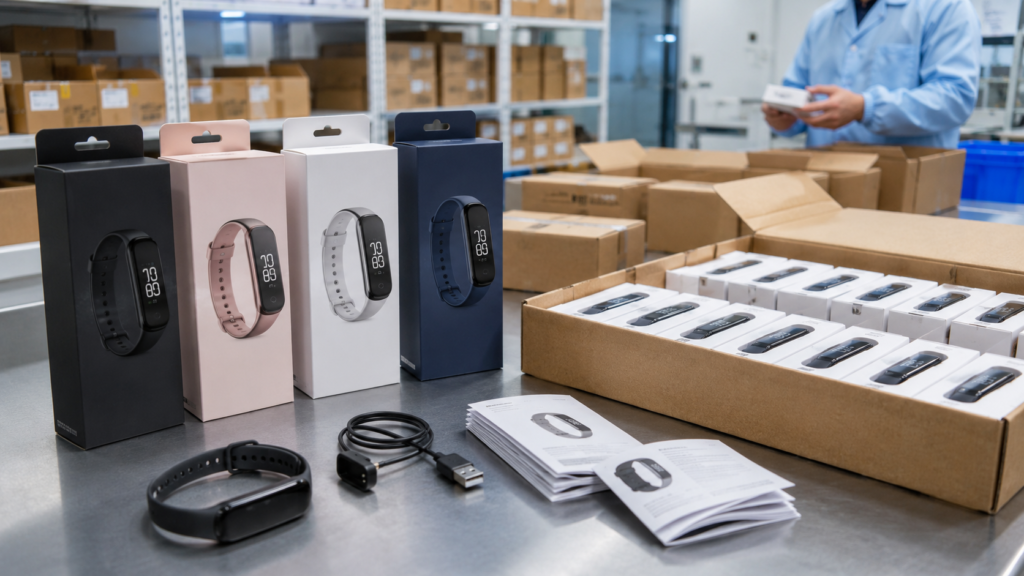
Smart Bands OEM for EU Startups: 7 Critical Steps to Source, Certify & Launch
Smart bands OEM is the process of partnering with a manufacturer to produce private-label fitness trackers under your brand—covering hardware, firmware, app, packaging, and compliance. For EU startups, the key challenge is not finding a supplier but selecting one that meets CE, RoHS, and battery regulations while supporting low MOQs and custom software. This guide outlines 7 steps to source, certify, and launch a smart band in the EU, from RFQ to first shipment.
Table of Contents
Table of Contents
smart bands OEM: Table of Contents
- Short Answer
- Key Takeaways
- Key Facts for Buyers
- Step 1: Define Your Product Requirements
- Step 2: Identify the Right OEM/ODM Model
- Step 3: Evaluate Supplier Capabilities and Certifications
- Step 4: Understand MOQ and Cost Drivers
- Step 5: Plan for Compliance and Testing
- Step 6: Develop App, Firmware, and Customization
- Step 7: Manage Lead Times and Logistics
- Common Mistakes and Buyer Red Flags
- Practical Buyer Checklist
- FAQ
- Conclusion
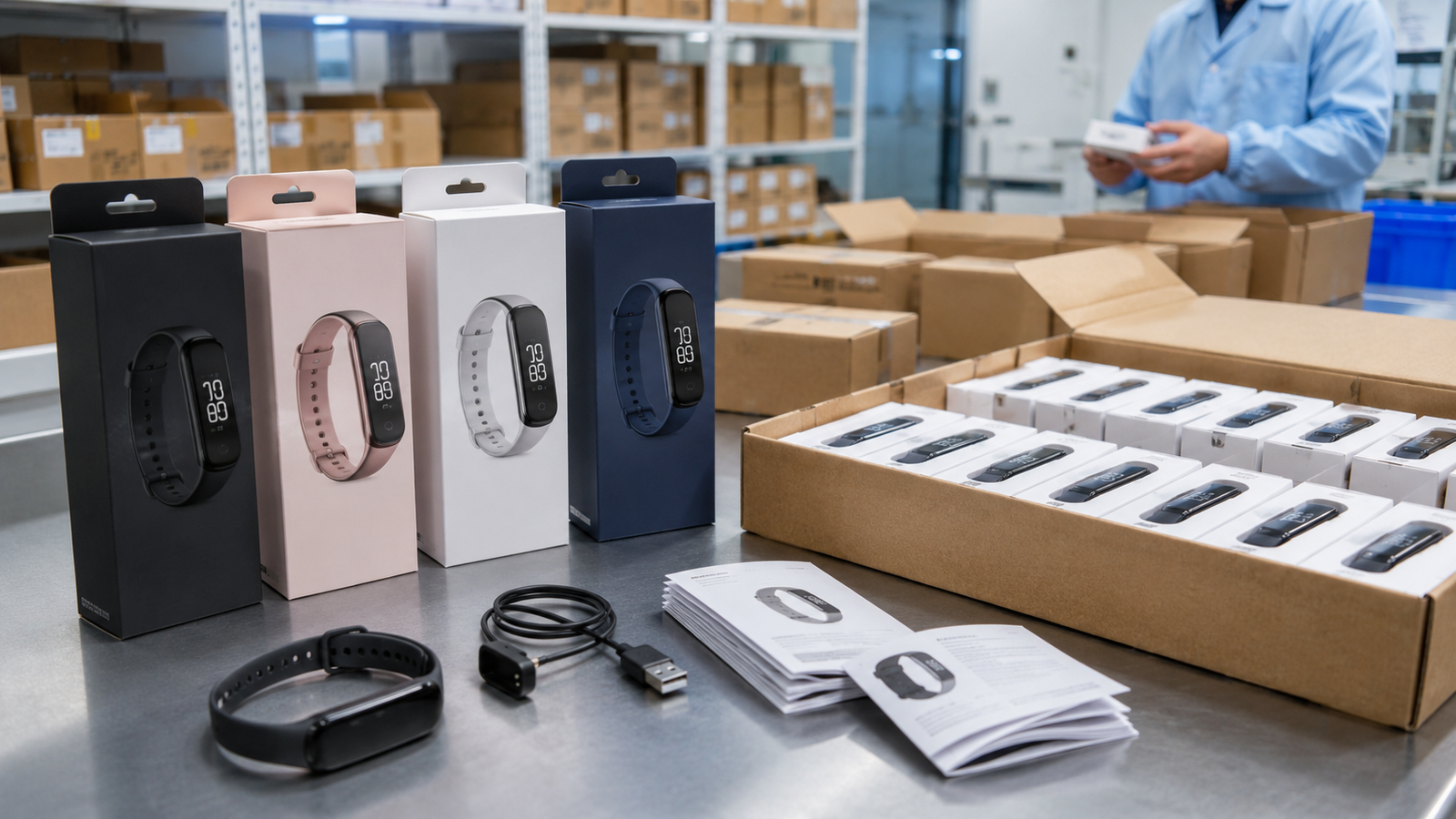
Short Answer
To source smart bands OEM for the EU, startups should partner with a manufacturer that offers private label customization, low MOQs (typically 500–1,000 units), and documented CE/FCC/RoHS compliance. Prioritize suppliers with app SDKs, transparent lead times, and experience with EU import requirements. The process takes 8–12 weeks from RFQ to delivery if planned correctly.

Key Takeaways
- Start with a clear product spec: sensors, battery life, app features, and target certifications.
- Choose between OEM (custom design) and ODM (ready design with your brand) based on budget and timeline.
- Verify supplier certifications: CE, RoHS, UN38.3, and MSDS are essential for EU market entry.
- MOQs for smart bands OEM typically range from 500 to 2,000 units; lower MOQs may increase unit cost.
- Plan for a 4–6 week certification and testing phase, plus 3–4 weeks production and shipping.
- App and firmware customization is critical for brand differentiation and user engagement.
- Use a structured RFQ checklist to compare suppliers on total cost, not just unit price.
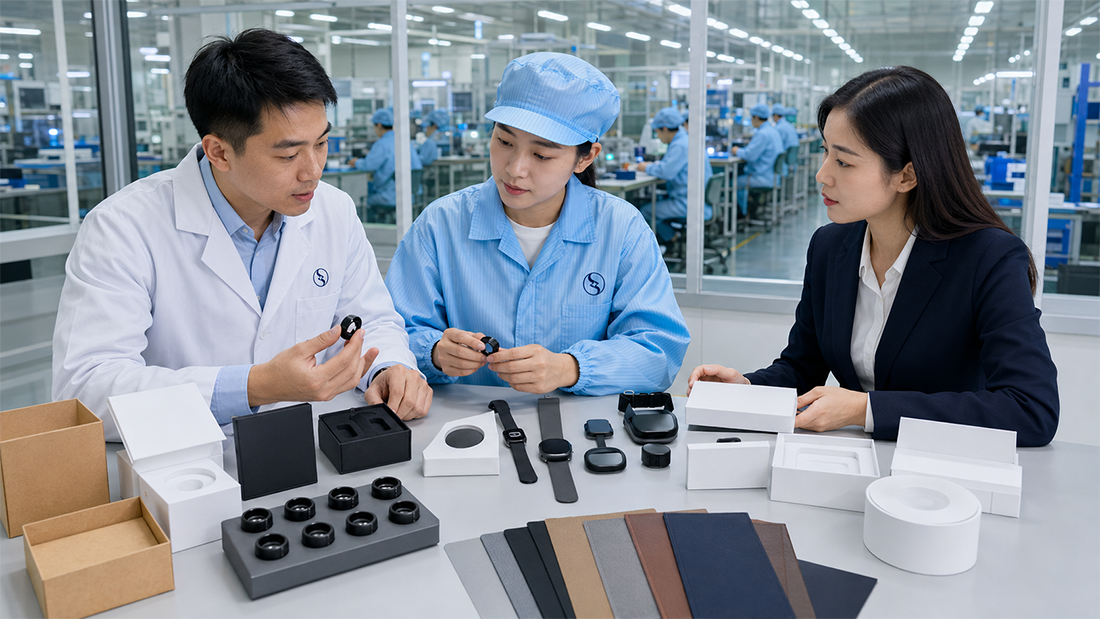
Key Facts for Buyers
| Consideration | Typical Range / Requirement |
|---|---|
| MOQ | 500–2,000 units (varies by customization) |
| Unit Price | $12–$25 depending on features (sensors, display, battery) |
| Sampling Time | 7–14 days for standard ODM; 21–30 days for custom OEM |
| Production Lead Time | 30–45 days after sample approval |
| Certifications Required for EU | CE (RED, EMC, LVD), RoHS, REACH, UN38.3, MSDS, WEEE registration |
| App Integration | iOS/Android SDK, optional white-label app |
| Warranty | 12 months standard; extendable by agreement |
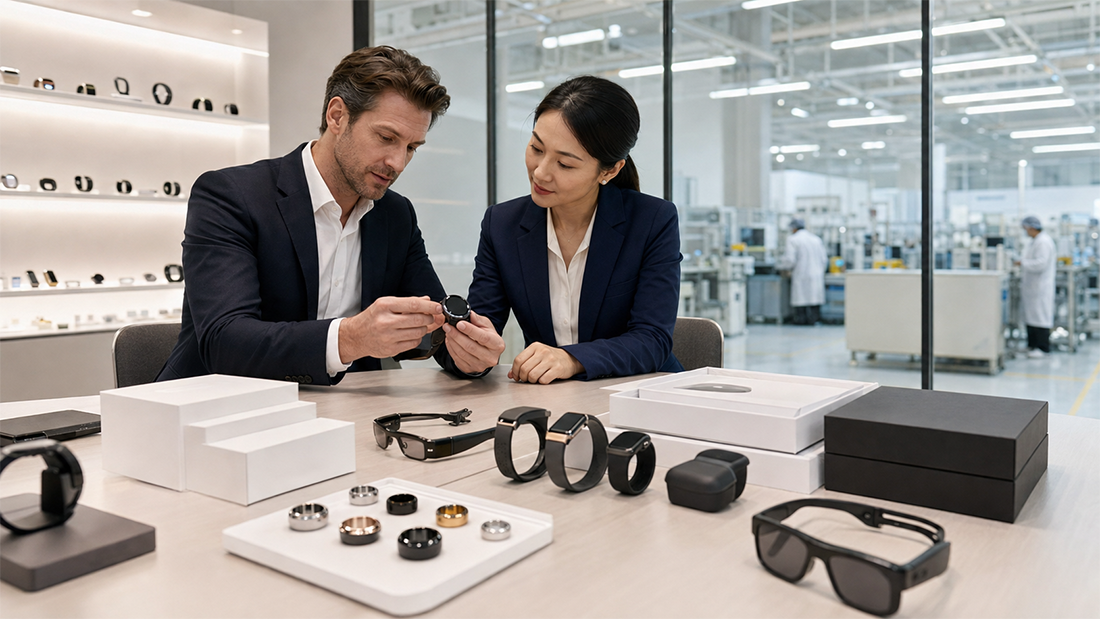
Step 1: Define Your Product Requirements
Before contacting suppliers, define your smart band’s core specifications: display type (OLED/TFT), sensors (heart rate, SpO2, accelerometer), battery life (7–14 days typical), water resistance (IP67/IP68), connectivity (Bluetooth 5.0+), and app features (iOS/Android compatibility, data sync, notifications). Decide whether you need GPS, NFC, or advanced health tracking. For EU startups, prioritise features that align with your brand positioning—e.g., sleep tracking for wellness brands or sport modes for fitness-focused lines. Document these requirements in a clear spec sheet; this will be the basis for your RFQ and supplier comparisons.
Step 2: Identify the Right OEM/ODM Model
OEM (Original Equipment Manufacturer) means you provide the design and specifications, and the manufacturer builds to your requirements. ODM (Original Design Manufacturer) means you select from the manufacturer’s existing designs and customise branding, packaging, and software. For startups, ODM is often faster and more cost-effective, with lower MOQs and shorter lead times. OEM offers greater differentiation but requires higher investment in tooling and development. Many suppliers, including STAR KING, offer hybrid models: start with an ODM platform and customise firmware, app, and packaging to create a unique product. For more on private label wearables, see Private Label OEM/ODM solutions.
Step 3: Evaluate Supplier Capabilities and Certifications
Request detailed information on the supplier’s manufacturing capabilities, quality control processes, and certifications. For the EU market, the product must carry CE marking, which includes compliance with the Radio Equipment Directive (RED), EMC, and LVD. Additionally, RoHS and REACH restrict hazardous substances, and UN38.3 and MSDS are required for lithium batteries. Ask for test reports and certificates—do not accept verbal assurances. Verify that the supplier has experience with EU import documentation and can provide a Declaration of Conformity. For official reference, see the European Commission’s CE marking page and the FCC website for US compliance if you plan to expand.
Step 4: Understand MOQ and Cost Drivers
MOQs for smart bands OEM typically start at 500 units for standard ODM models, but can be higher for custom designs or packaging. Unit cost is influenced by: sensor quality (e.g., medical-grade vs. consumer-grade), display type, battery capacity, Bluetooth version, and customization level. App development and cloud services may incur separate fees. Always request a detailed quotation that breaks down unit price, tooling costs, certification fees, and shipping. Be wary of quotes that seem too low—they may exclude essential compliance testing or use inferior components. For a cost analysis framework, refer to our blog resources.
Step 5: Plan for Compliance and Testing
Compliance is non-negotiable for the EU. Your smart band must meet CE requirements, which include:
- Radio Equipment Directive (RED): for Bluetooth and other wireless features.
- EMC Directive: for electromagnetic compatibility.
- Low Voltage Directive (LVD): if applicable (though most wearables are battery-powered and below 50V).
- RoHS and REACH: for hazardous substances.
- Battery regulations: UN38.3 for transport, MSDS for shipping, and WEEE registration for electronic waste.
Testing can take 2–4 weeks and costs $2,000–$5,000 depending on the lab and scope. Ensure the supplier provides the necessary documentation for your technical file. For guidelines, consult the IEC standards and the European Commission’s Blue Guide on product rules.
Step 6: Develop App, Firmware, and Customization
The companion app is a key differentiator. Decide whether you need a white-label app (supplier’s app with your branding) or a custom app (built with SDK). White-label is faster and cheaper but offers less control. Custom app development can take 3–6 months and cost $15,000–$50,000. Ensure the supplier provides an SDK with documentation and support. Firmware customization—such as adjusting sensor algorithms or adding new features—is also important. Request a demo of the app and test data accuracy. For app integration details, see our Fitness Tracking application page.
Step 7: Manage Lead Times and Logistics
Typical lead times: sampling 7–14 days (ODM) or 21–30 days (OEM), production 30–45 days after sample approval, and shipping 3–5 weeks to Europe depending on mode (air/sea). Factor in certification testing (2–4 weeks) before production. For lithium batteries, shipping requires UN38.3 test summary and MSDS; some carriers have additional restrictions. Work with the supplier to consolidate shipments and ensure all documentation is ready. For logistics and supply chain insights, refer to Smart Retail & E-commerce solutions.
Common Mistakes and Buyer Red Flags
- Skipping certification verification: Always request copies of test reports and certificates; check the issuing lab’s accreditation.
- Ignoring MOQ and cost implications: Lower MOQs may come with higher unit prices; calculate total landed cost.
- Underestimating app development: Without a clear app strategy, your product may lack user engagement.
- Overlooking battery regulations: UN38.3 and MSDS are mandatory for shipping; non-compliance can lead to delays or fines.
- Not clarifying IP ownership: Ensure you own the tooling and design rights if you invest in OEM.
- Choosing a supplier without EU experience: EU import requirements are complex; partner with a supplier familiar with CE and WEEE.
Practical Buyer Checklist
| Item | Details |
|---|---|
| Product Spec | Sensors, battery, display, connectivity, water resistance, app features |
| Supplier Verification | Factory audit, certifications (CE, RoHS, UN38.3), test reports |
| Quotation | Unit price, MOQ, tooling, certification fees, shipping |
| Sample Evaluation | Test functionality, comfort, app sync, battery life |
| Compliance Plan | CE marking, WEEE registration, battery documentation |
| App Strategy | White-label vs. custom, SDK availability, data privacy |
| Logistics | Lead times, shipping mode, UN38.3, MSDS |
| After-Sales | Warranty, spare parts, firmware updates |
Soft CTA: Need to compare smart band specifications or discuss OEM customization? Our team can help you evaluate options for your EU launch—request a consultation.
Buyers can also review STAR KING Smart Bands OEM/ODM options to compare product positioning, customization scope, and sample planning.
FAQ
What is the typical MOQ for smart bands OEM?
MOQ usually ranges from 500 to 2,000 units, depending on customization level. Standard ODM models often have lower MOQs (500–1,000), while custom OEM designs may require 2,000+.
Which certifications are required for smart bands in the EU?
CE marking (including RED, EMC, LVD), RoHS, REACH, and battery-related UN38.3 and MSDS. WEEE registration is also required for electronic waste.
How long does it take to develop a custom smart band?
From RFQ to delivery: 8–12 weeks for ODM with light customization; 16–24 weeks for full OEM development including tooling and certification.
Can I use my own app with the smart band?
Yes, if the supplier provides an SDK. Some suppliers offer white-label apps with your branding. Custom app development typically takes 3–6 months.
What are the shipping requirements for smart bands with lithium batteries?
UN38.3 test summary and MSDS are required. Air shipping may have additional restrictions; sea freight is common for bulk orders.
How do I verify a supplier’s certifications?
Request copies of certificates and test reports, check the issuing lab’s accreditation, and ask for a Declaration of Conformity. Cross-check with official databases where possible.
What is the difference between OEM and ODM for smart bands?
OEM: you provide design and specs; manufacturer builds. ODM: you choose from existing designs and customize branding. ODM is faster and cheaper for startups.
Conclusion
Sourcing smart bands OEM for the EU market requires careful planning, from defining specifications to ensuring compliance and managing logistics. By following these 7 steps, startups can navigate the process efficiently and avoid common pitfalls. Partnering with an experienced manufacturer like STAR KING, which offers private label wearables with flexible MOQs and EU compliance support, can accelerate your time to market.
Primary CTA: Ready to start your smart band project? Request a quotation or discuss your OEM/ODM requirements with our team today.
Discuss Your Smart Wearable OEM/ODM Project
Planning a smart ring, smart watch, smart band, AI glasses, AI translator, or AI voice mouse project? Contact STAR KING to discuss product positioning, sample testing, customization scope, certification requirements, lead time, and quotation details.

Team Star King

Scan WhatsApp QR code
Leave a Reply