
AI Voice Mouse for Private Label Brands: 7 Middle East Sourcing Checks (2026 Guide)
October 14, 2026 · Team Star King
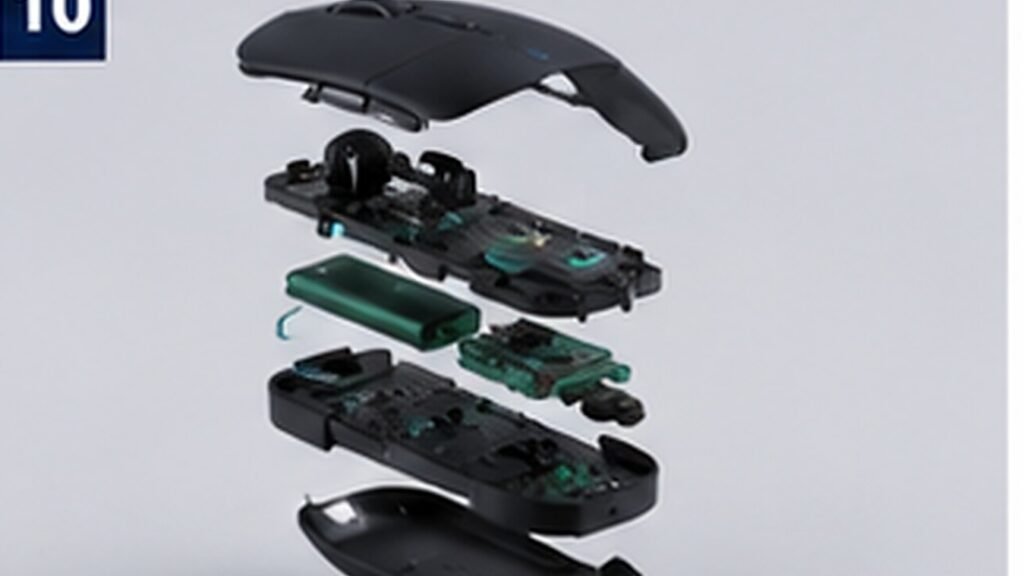
AI Voice Mouse for Private Label Brands: 7 Middle East Sourcing Checks (2026 Guide)
Sourcing an AI voice mouse for a private-label brand in the Middle East? Buyers should evaluate seven core areas: target dialect and language support, firmware and app localization, OEM/ODM customization options, MOQ and pricing drivers, quality control and testing, certification and import compliance, and total landed cost. This guide gives procurement teams a structured 2026 framework to move from sample request to repeat orders without surprises.
Table of Contents
Table of Contents
Table of Contents
- Short Answer: What Is an AI Voice Mouse and Why Source Now?
- Key Takeaways
- Key Facts for Buyers
- What Is an AI Voice Mouse? A Procurement Definition
- Why the Middle East Market Needs AI Voice Mice in 2026
- The 7-Check Sourcing Framework for Private Label
- Specifications and Function Trade-Offs
- OEM, ODM and Private Label Decision Path
- MOQ, Price Factors and Cost Strategy
- Quality Control and Testing
- Certification and Import Compliance
- Lead Time, Shipping and Battery Logistics
- Comparison Table: Sourcing Options
- Common Mistakes and Buyer Red Flags
- Sample Evaluation and Pre-Shipment Inspection
- FAQ
- Conclusion
- STAR KING CTA
Short Answer: What Is an AI Voice Mouse and Why Source Now?
An AI voice mouse is a computer mouse with a built-in microphone and voice control and dictation functions that convert speech into text and execute commands. For Middle East private-label brands it enables differentiated office and education products, but buyers should verify dialect accuracy, privacy and data handling, certification for each target country, and battery shipping documentation before committing to volume orders.
Key Takeaways
- Prioritize Arabic and English voice recognition accuracy; other languages are secondary.
- Clarify OEM vs ODM scope early—branding, packaging and app customization affect cost and timeline.
- MOQ typically ranges by model and customization level; confirm before requesting samples.
- Certification requirements depend on product configuration and specific Middle East markets; buyers should verify.
- Budget two rounds: sample iteration, then pre-production after full specification lock.

Key Facts for Buyers: AI Voice Mouse Sourcing at a Glance
| Item | Typical Detail | Buyer Action |
|---|---|---|
| Core function | Voice dictation, commands, translation (if equipped) | Confirm supported languages and accuracy claims |
| Connectivity | USB receiver / Bluetooth | Match to target devices |
| Battery | Rechargeable; may require UN38.3 test summary for shipments | Request current documentation |
| Customization | Packaging, logo, app UI strings | Decide OEM or ODM scope |
| Compliance | CE, FCC, RoHS and local requirements may apply | Verify per destination |
| Samples | Available upon request; lead time varies | Start early to allow iteration |
To explore baseline models, see our AI Voice Mouse product page.
What Is an AI Voice Mouse? A Procurement Definition
An AI voice mouse is an input device with an integrated microphone and voice control technology that enables hands-free dictation, command execution and, in some models, real-time translation. It differs from a standard mouse because the voice module and firmware are the differentiators. For private-label buyers, it is a hardware-plus-software product where the app or SDK often determines sell-through.
Why the Middle East Market Needs AI Voice Mice in 2026
Government digitization and multilingual workplaces are driving demand for voice-enabled office devices. In the Gulf, English and Arabic coexist in business and education, making accurate bilingual speech recognition a practical requirement rather than a feature. For distributors and e‑commerce sellers, the device can anchor a premium office accessory line and support workplace productivity positioning.
Soft CTA: If you are mapping the Middle East channel, our AI Office Productivity solution page outlines typical configurations and localization options you can review before requesting samples.
The 7-Check Sourcing Framework for Private Label
1. Language and Dialect Accuracy
Ask the supplier to document supported languages and whether region-specific Arabic variants are included. Test with real business phrases—names, technical terms, email dictation—rather than scripted demos.
2. Privacy and Data Handling
Voice data may be processed on-device or in the cloud. Buyers should confirm where audio is processed and whether enterprise buyers can disable cloud features.
3. Firmware, App and Feature Roadmap
Clarify update policy and whether new languages or commands can be added without hardware changes.
4. OEM and ODM Scope
Decide between logo and packaging customization (OEM) and deeper industrial design, firmware or app changes (ODM).
5. MOQ and Price Drivers
MOQ typically depends on model, customization depth and packaging; tooling changes push MOQ higher.
6. Quality and Reliability
Request microphone sensitivity testing, battery aging tests cited as typical, and drop/water resistance only if your spec includes them.
7. Certification and Import Compliance
Confirm certificates required for your specific destination. Applicable regulations vary by country.
Specifications and Function Trade-Offs
Microphone and Processing
Choose between on-device and cloud processing based on privacy priorities and connectivity. Higher accuracy may require cloud support.
Connectivity and Battery
USB receiver vs Bluetooth affects compatibility and battery life. Rechargeable designs mean lithium battery documentation for shipping.
Multilingual and Translation Features
Only market translation if accuracy is proven for your use cases. AI translators may be a better fit for dedicated translation.
Compatibility and Ecosystem
Confirm OS support (Windows, macOS, Android, iOS) and any SDK or API for enterprise integration.
OEM, ODM and Private Label Decision Path
OEM branding (logo, packaging) offers speed and lower cost. ODM gives you a unique product but longer development, higher cost and possible tooling commitment. Review our Private Label OEM/ODM solution. Consider whether voice control technology should be bundled with corporate wellness channels; see Corporate Wellness as a possible cross-sell.
MOQ, Price Factors and Cost Strategy
MOQ is influenced by model, customization level, packaging and components. Cost drivers: microphone quality, processing chip, battery, app development and logistics. Buyers should model landed cost, including duties, VAT, certification and freight. Request a cost breakdown, not just unit price, when comparing quotes.
Quality Control and Testing
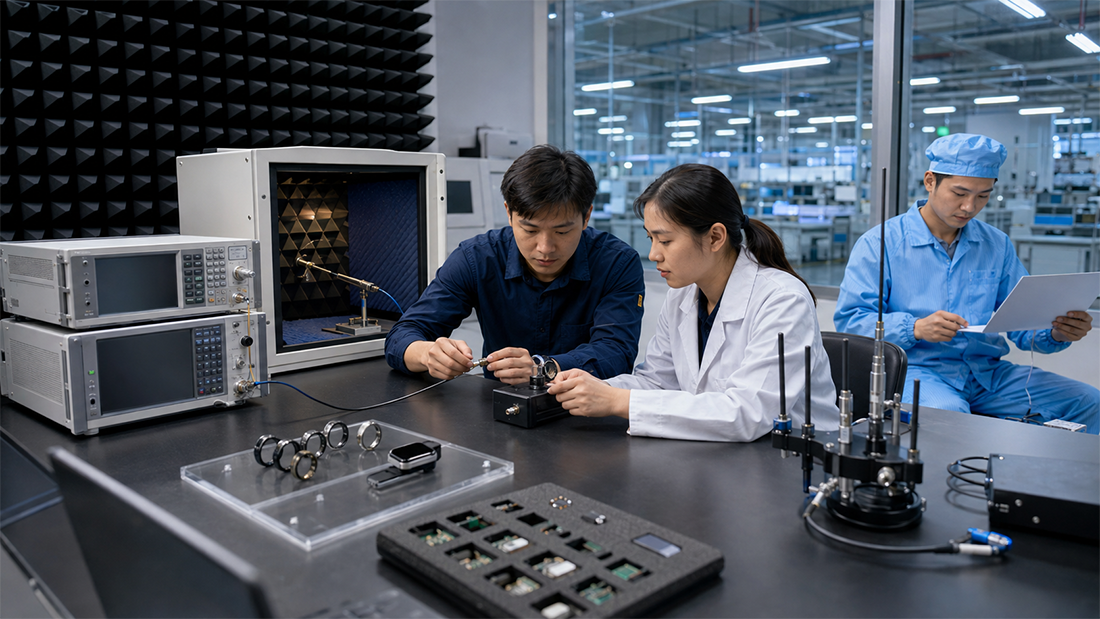
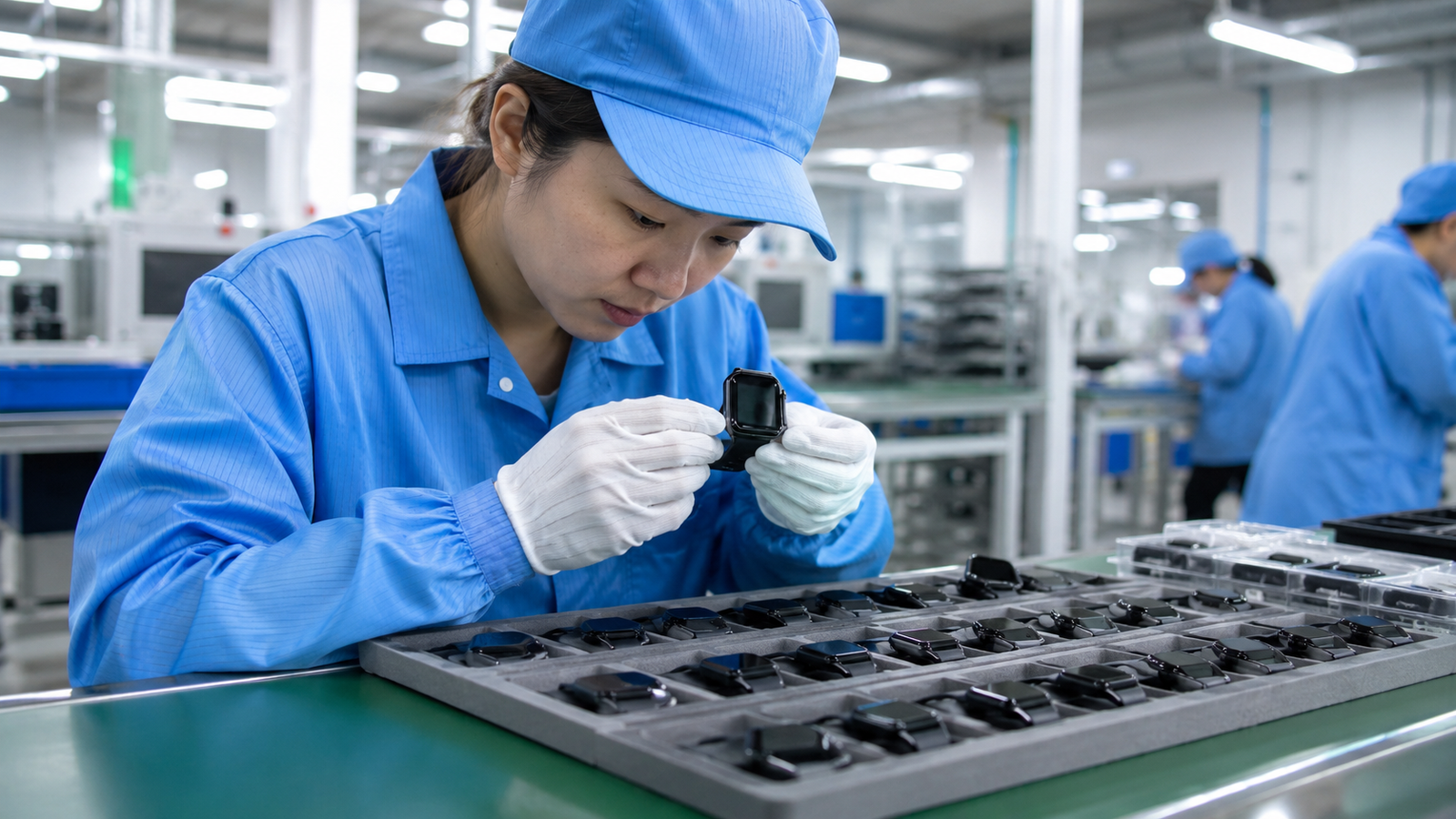
Ask for the QC workflow: incoming material inspection, in-process checks, aging tests where applicable, and pre-shipment inspection. Request documented test reports for microphones and batteries.
Certification and Import Compliance
Recognized framework certificates like CE and FCC may be relevant, but requirements depend on product configuration and destination. RoHS compliance may apply if the device contains listed substances. Verify current documentation for your exact SKU and destination.
Lead Time, Shipping and Battery Logistics
Typical lead time: samples in weeks, production after deposit in 4–6 weeks [STAR KING TO CONFIRM]. Build in a buffer for certification and shipping. Lithium batteries may require UN38.3 test summary and MSDS for air freight. Confirm transport classification before quoting delivery dates.
External reference
Buyers can review FCC equipment authorization procedures and IATA lithium battery shipping guidance for general orientation. These are official references; always verify applicability for your own product and shipment.
Comparison Table: Sourcing Options
| Option | Best For | Customization | MOQ | Cost |
|---|---|---|---|---|
| Pure OEM branding | Fast launch | Logo, packaging | Lower | Low |
| Private Label | Brand differentiation | Logo, packaging, app name/icon | Medium | Medium |
| ODM | Unique design | ID, firmware, app | Higher | High |
Common Mistakes and Buyer Red Flags
- Relying on demo room noise conditions—test in a typical office.
- Skipping a landed cost model.
- Ignoring data privacy requirements.
- Assuming a single certificate covers the GCC.
- Not confirming who owns custom tooling or firmware.
Sample Evaluation and Pre-Shipment Inspection
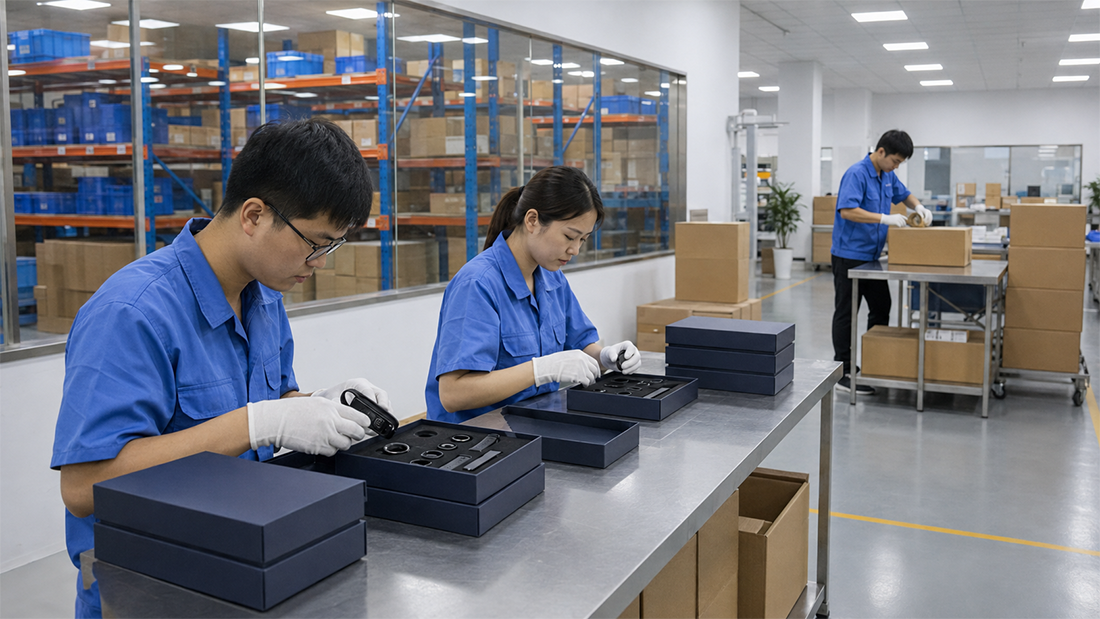
Set a sample scorecard: accuracy, latency, build, battery, app, packaging. Request pre-shipment inspection and confirm inspection criteria.
FAQ
What is the typical MOQ for a private-label AI voice mouse?
MOQ depends on model and customization. Logo/packaging changes usually require less than full ODM changes. Confirm with your supplier.
Which certifications are needed for Middle East markets?
Requirements vary by country and product configuration. CE, FCC and RoHS may be relevant; buyers should verify specific country requirements.
How long does shipping take with lithium batteries?
Air shipments may require UN38.3 and MSDS. Add buffer for documentation. Sea freight may reduce cost but increases time.
Can you customize the app?
App localization and branding are possible; scope depends on the ODM program and may require development fees.
Are samples available?
Samples are typically available for evaluation; lead time and cost vary by model and customization.
What are typical price drivers?
Microphone quality, chipset, battery, software features, packaging and order volume are common drivers.
Conclusion
Sourcing an AI voice mouse for a private-label brand in the Middle East is a structured process. Use the seven checks to compare suppliers, qualify certifications and control landed cost. Start with a clear specification, sample evaluation and a documented QC plan.
STAR KING CTA
Ready to move from research to quotation? Request a quotation or discuss your AI voice mouse OEM/ODM project. Share your target market, volume estimate and customization needs, and we will respond with relevant options.
Internal links in this article: product page, solution page, application page and contact page.
Discuss Your Smart Wearable OEM/ODM Project
Planning a smart ring, smart watch, smart band, AI glasses, AI translator, or AI voice mouse project? Contact STAR KING to discuss product positioning, sample testing, customization scope, certification requirements, lead time, and quotation details.

Team Star King

Scan WhatsApp QR code
Leave a Reply