
EXPLORE
Fitness & Wellness
Fitness and wellness brands need devices that fit a clear customer promise: activity, sleep, recovery or daily wellbeing. Validate the complete product experience before a launch.
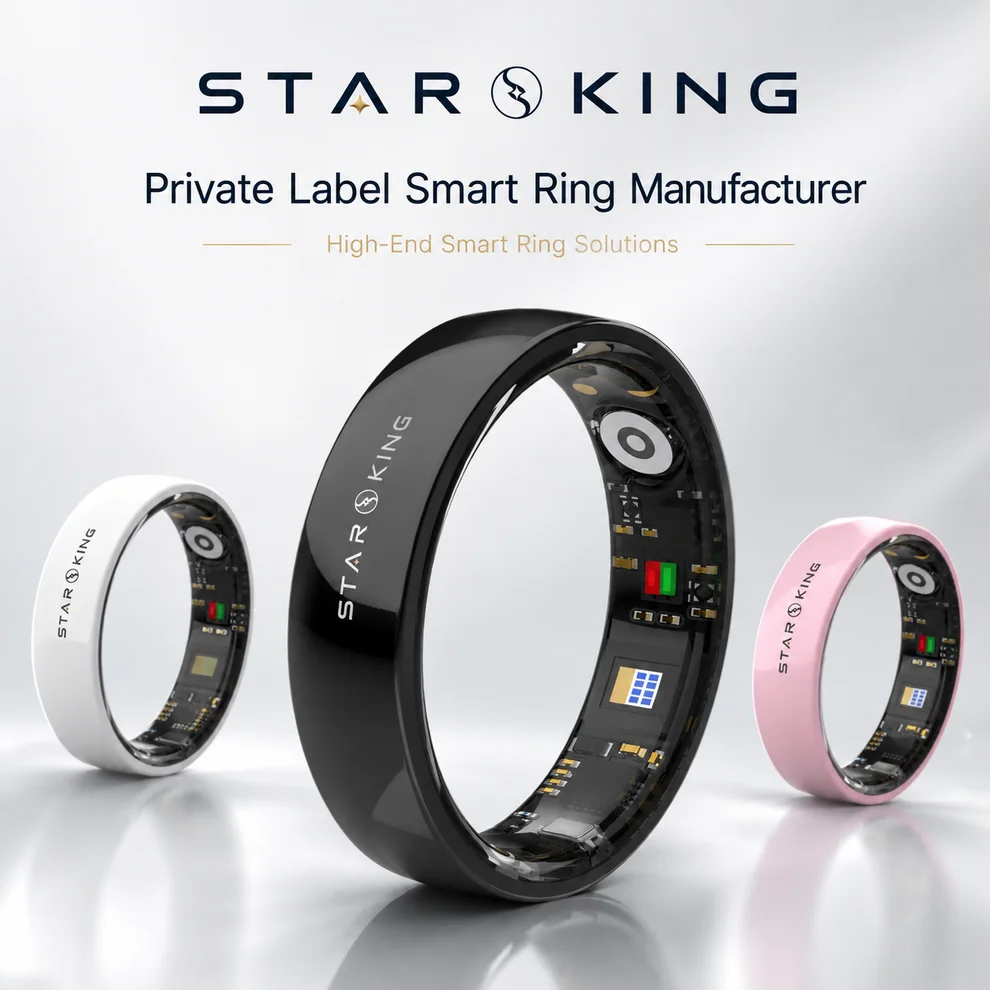
Explore Fitness & Wellness ↗STAR KING smart ring OEM/ODM programs support private-label wearable brands, wellness businesses and digital health partners. Compare the reference model, ring sizes, materials, customization and data interfaces, then request model-specific samples and a written quotation.
For smart rings, the right sourcing decision connects the device to its user experience, brand promise and target sales channel. Start with the intended use, then evaluate the sample against measurable requirements.
| Sensor configuration | Specify your requirements and validate the chosen configuration on samples. |
|---|---|
| Ring sizing and fit | Specify your requirements and validate the chosen configuration on samples. |
| Material, finish and engraving | Specify your requirements and validate the chosen configuration on samples. |
| Charging and battery use profile | Specify your requirements and validate the chosen configuration on samples. |
| App branding and data access | Specify your requirements and validate the chosen configuration on samples. |
This is a procurement configuration checklist. Final specifications and test results are model-specific.
Discuss appearance, logo, colors, accessories and retail packaging. If your project needs firmware, app or data integration work, agree the interfaces, release owner and development scope before sampling.
Test fit, setup, charging and the main user workflows, not just the appearance. Use the same software version and accessory packout that you plan to order. Keep a written issue log and sign off a golden sample.
K100 / BK20 / K20 smart ring reference terms: MOQ 100 pcs · Samples 2–5 days · Mass production 15 days for orders of 500–10,000 pcs. View model terms, features and ring sizes.
Published standard reference terms for K100, BK20 and K20. Confirm the selected configuration, size assortment, schedule start point and transport scope in the written quotation. Production timing for orders outside 500–10,000 pieces or additional development is confirmed separately.
| Applicable models | K100 · BK20 · K20 |
|---|---|
| Minimum order quantity | 100 pcs |
| Standard sample cycle | 2–5 days |
| Standard mass-production cycle | 15 days for orders of 500–10,000 pcs |
Confirm the selected functions and app behavior for each model and project. The 5 ATM rating is stated for the applicable model configuration; request model-specific supporting documentation.
| Ring size | Inner diameter (mm) |
|---|---|
| #8 | 18.2 mm |
| #9 | 19.0 mm |
| #10 | 19.9 mm |
| #11 | 20.7 mm |
| #12 | 21.5 mm |
| #13 | 22.3 mm |
Supplier-provided ring sizes and inner diameters; confirm fit and size assortment during sample review.
Use this checklist to obtain model-specific purchasing terms. No single MOQ, sample cycle or production cycle applies to every smart ring configuration.
| MOQ and size assortment | Confirm the reference model, order quantity, size mix, finish, logo and packaging. Request the minimum quantity and price tiers for the agreed configuration. |
|---|---|
| Sample cycle | Confirm reference-sample availability and preparation time separately from custom hardware, artwork, firmware or app work. Include transit time and the sample acceptance checklist. |
| Mass-production cycle | Request a written schedule after specification and sample approval. Confirm tooling, components, software freeze, inspection and shipment milestones. |
| Certification and reports | Request model-specific compliance documents for the intended use and destination. Verify document holder, issuer, model, number, date, validity and test scope. |
| SDK/API integration | Confirm platform availability, BLE or other supported interfaces, data fields, units, timestamps, access permissions, licensing and support. Review a working sample before integration approval. |
| Firmware and app customization | Define branding, language, onboarding, data display, update process and maintenance. Confirm feasibility and agree deliverables, costs, licensing or ownership and acceptance tests. |
| Quotation and currency | Ask for unit price, quantity tier, MOQ, samples, development/tooling, packaging, testing, freight, currency, validity and payment conditions as separate written terms. |
| Delivery and repeat orders | Agree destination, shipping method, Incoterm and shipment scope. For repeat orders, confirm the hardware/software revision and continued accessory and support requirements. |
Smart ring pricing and procurement guide · Request smart ring samples · Request a private-label smart ring quotation
The standard MOQ is 100 pieces for K100, BK20 and K20 smart rings. Confirm the selected model, ring sizes, finish, functions, branding and packaging in the quotation. The 15-day mass-production reference applies to orders of 500–10,000 pieces; timing for 100–499 pieces or other quantities is confirmed separately.
The standard sample cycle is 2–5 days for K100, BK20 and K20 in the confirmed reference configuration. Agree the schedule start point, preparation work and transport scope in writing. Additional materials, hardware, firmware or app development may require a separate schedule.
The standard mass-production cycle is 15 days for K100, BK20 and K20 orders of 500–10,000 pieces in the confirmed standard configuration. Agree the production release conditions, schedule start point, size mix and transport scope in the written quotation. Orders outside this quantity range or additional development require separate timing confirmation.
Request documents covering the exact ordered model, hardware and target market. Where applicable, ask about CE/FCC documentation, RoHS declarations, wireless requirements and relevant test reports. Verify the holder, issuer, model list, report number, date, validity and scope; one certificate does not cover every configuration.
SDK, API and device-protocol availability must be confirmed for the selected platform. Define required data fields, units, timestamps, permissions, supported mobile systems, licensing and support responsibilities, then review documentation and a working integration sample.
Firmware and app changes are evaluated against the reference platform and development scope. Discuss logo, onboarding, language, data display and device behavior, then agree deliverables, licensing or ownership, release milestones, testing and maintenance before development.
Provide the reference model or use case, required functions, quantity and size mix, finish and materials, logo and packaging, firmware/app or SDK/API scope, target market, compliance requirements, destination and launch date. Request separate lines for samples, development/tooling, unit pricing and freight, with currency and quote validity stated.
Do not assume that a wellness configuration or a component test report establishes medical-device approval. Agree the intended use and permitted claims, and request the exact model-specific regulatory and validation evidence required for the target market before marketing medical functions.
Fitness and wellness brands need devices that fit a clear customer promise: activity, sleep, recovery or daily wellbeing. Validate the complete product experience before a launch.
Explore Fitness & Wellness ↗Create a wearable offer around your audience, intended use and brand experience.
Explore For Health Brands ↗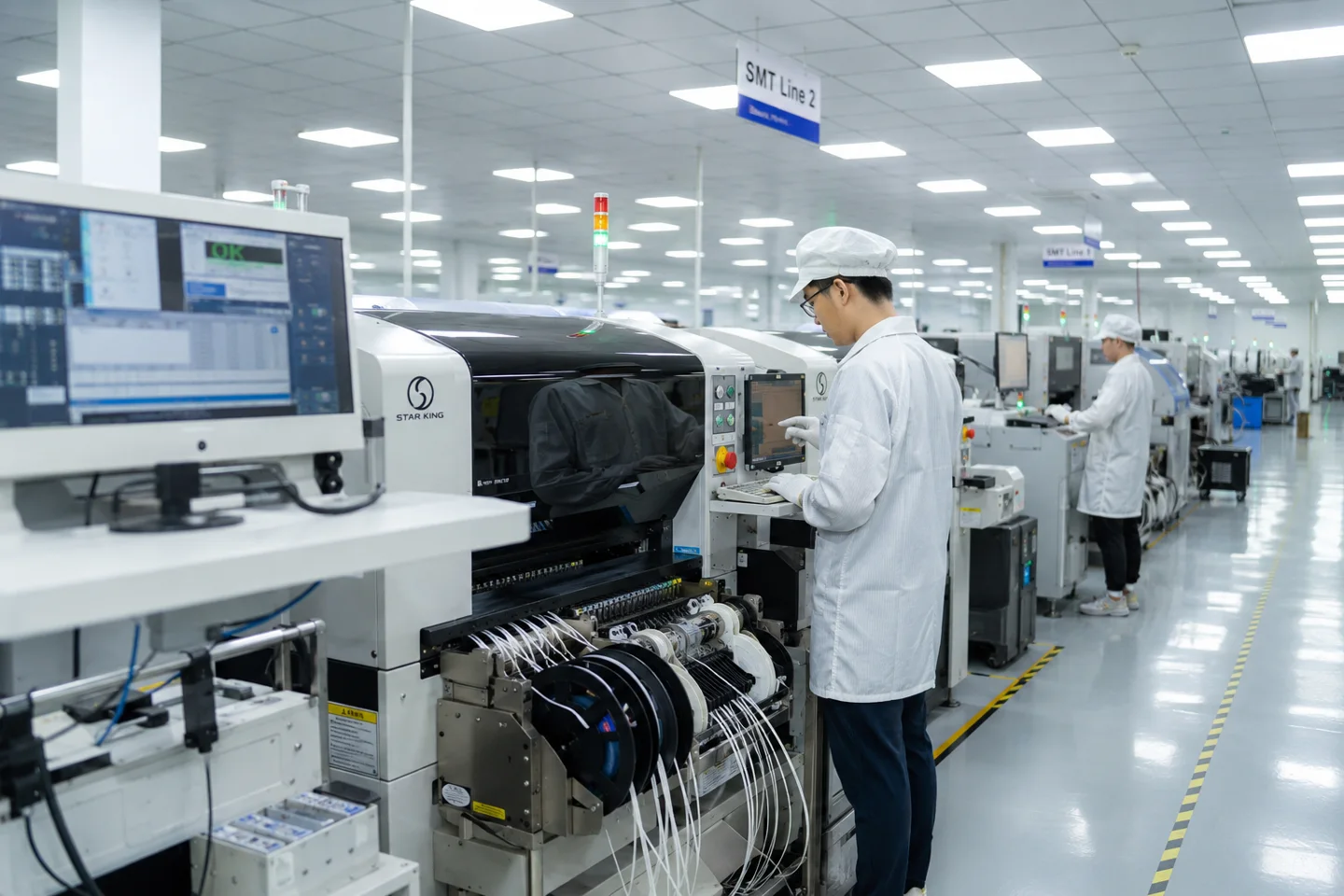
A private-label program adapts an available product platform to your brand. It is a practical route when your priority is market entry rather than a new architecture.
Explore Private Label ↗Share your product, market and customization requirements.