
EXPLORE
OEM Product Development
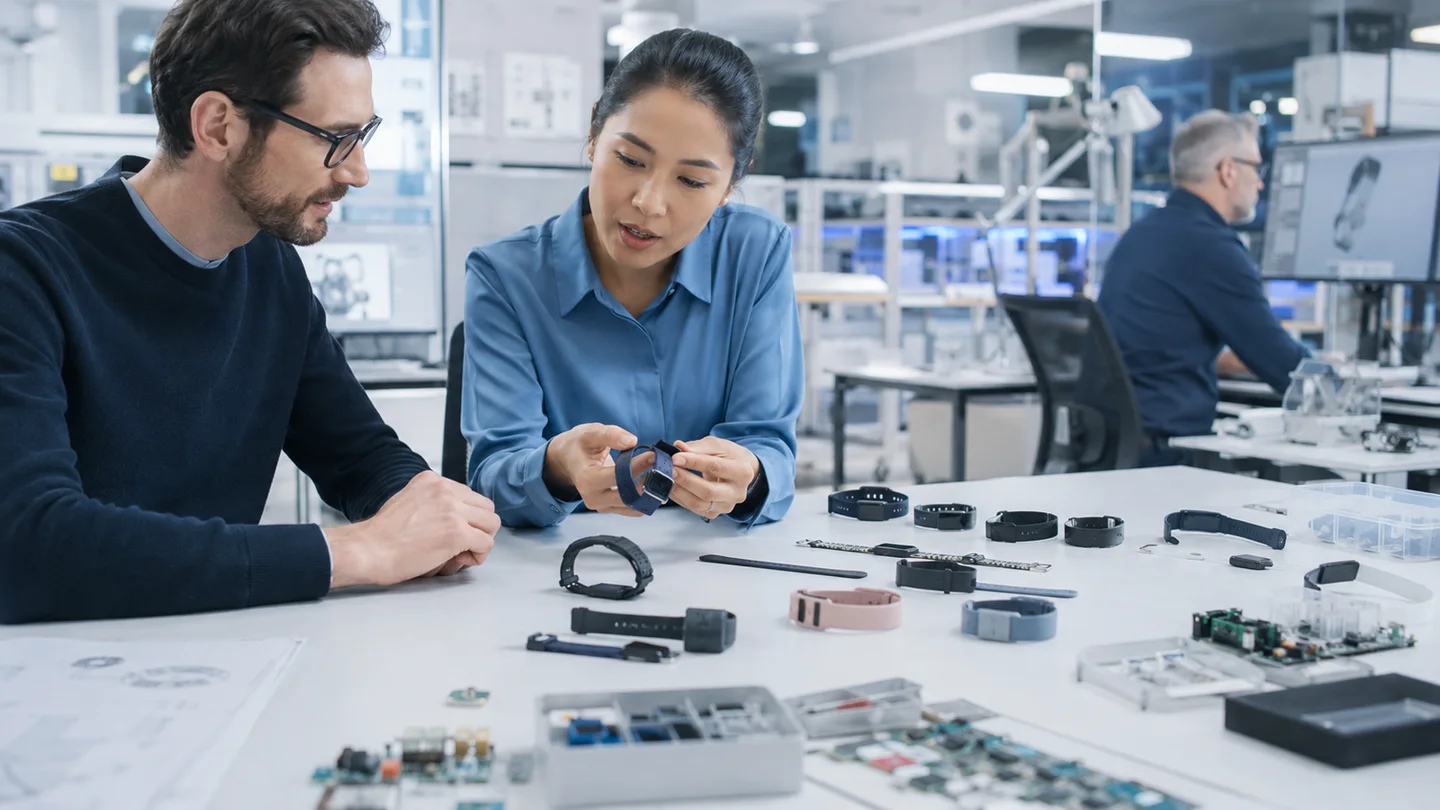
A product development brief turns a commercial idea into engineering inputs, milestones and an agreed manufacturing scope.
Explore OEM Product Development ↗Explore OEM / ODM Manufacturing for smart wearable and AI hardware OEM/ODM procurement.
A product development brief turns a commercial idea into engineering inputs, milestones and an agreed manufacturing scope.
Explore OEM Product Development ↗Hardware changes should be evaluated against the reference platform, enclosure constraints, component availability and the test plan.
Explore Hardware Customization ↗Define the device, firmware and app as one user journey. A clear release plan prevents hardware and software versions drifting apart.
Explore Firmware & App Development ↗Integration begins with the exact data and device commands your platform needs. Agree sample data, permissions and interfaces before committing to volume.
Explore SDK & API Integration ↗Cloud-enabled hardware needs a service model as well as a device specification. Clarify data flow, operating costs and the long-term owner of the service.
Explore Cloud Platform & SaaS ↗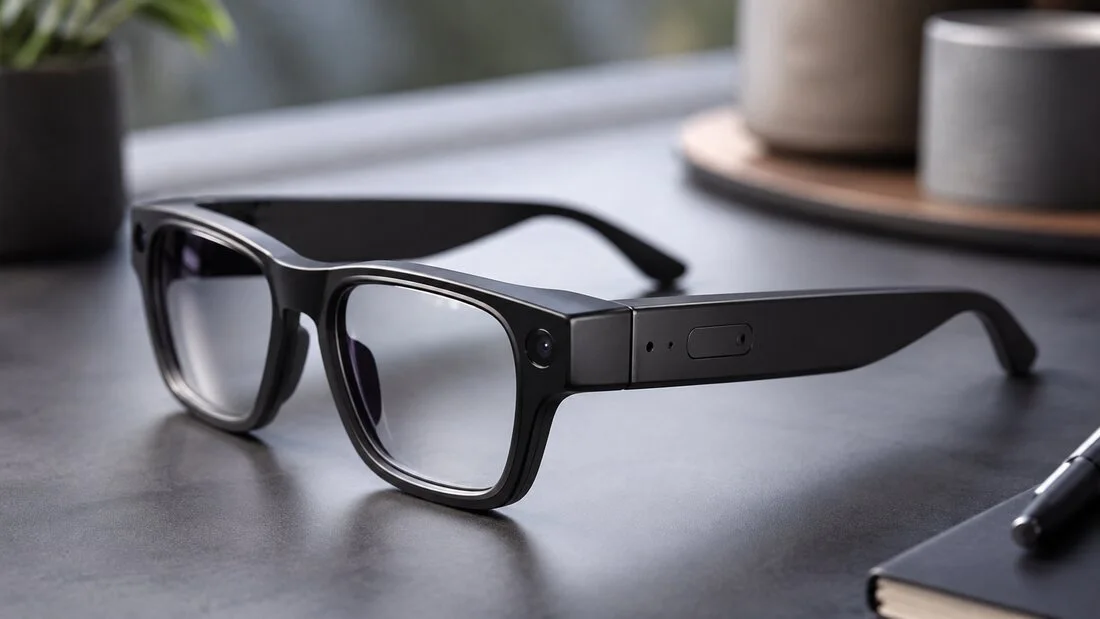
Industrial design connects brand positioning with comfort, manufacturability and daily use. Review appearance models before tooling approval.
Explore Industrial Design ↗Mechanical engineering brings enclosure, assembly and service requirements into one controlled drawing set.
Explore Mechanical Engineering ↗Sensor selection and algorithm behavior depend on the signal, use environment and validation evidence required by the buyer.
Explore Sensor & Algorithm Development ↗Prototype builds answer technical questions before tooling and production commitments. Each build should have a defined purpose and acceptance checklist.
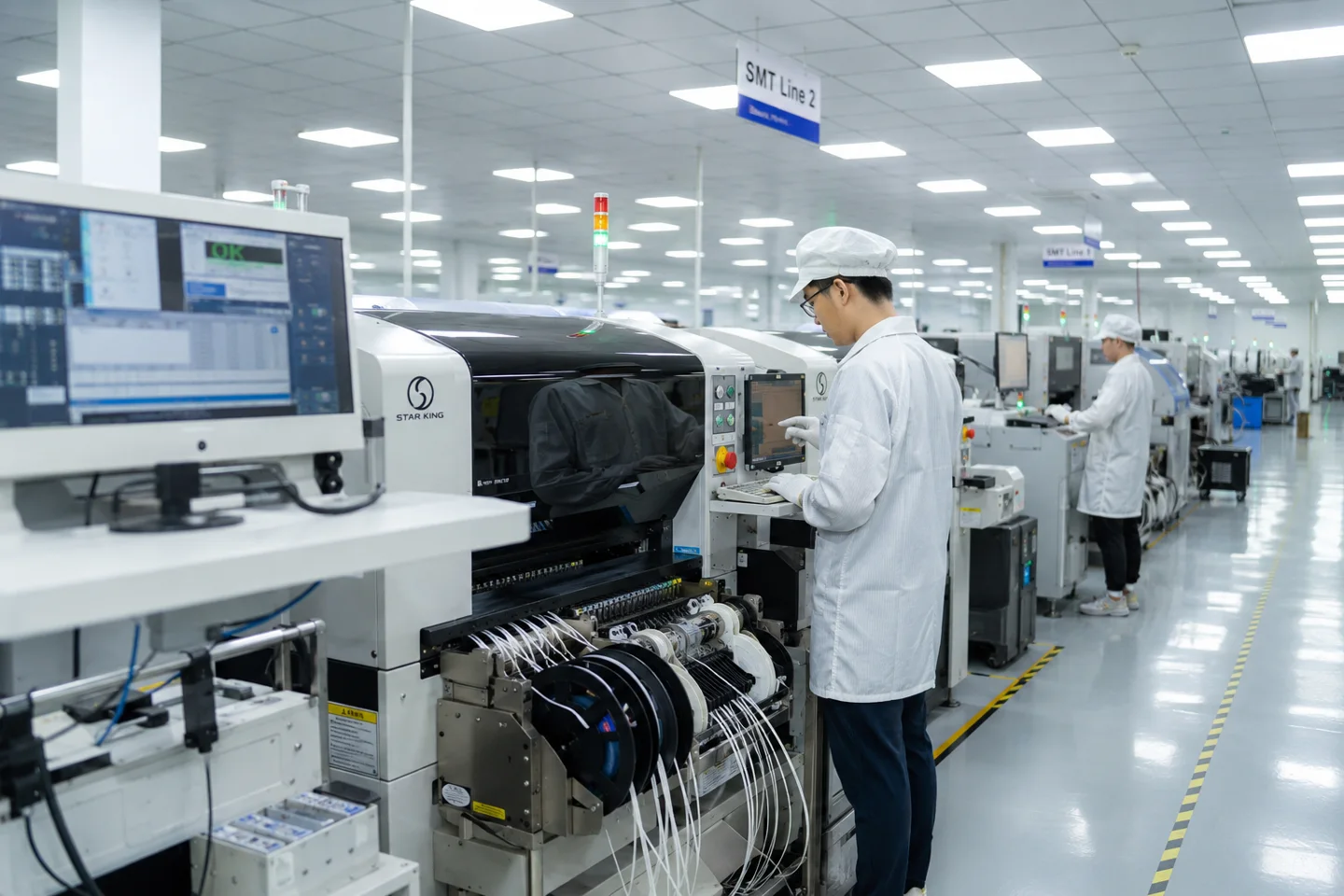
Explore Prototype Development ↗A pilot build checks that an approved design can be assembled, tested and packed repeatedly before the production order scales.
Explore Pilot Production ↗Mass production begins with frozen specifications, approved samples and a clear quality agreement. Changes after release follow a controlled review.
Explore Mass Production ↗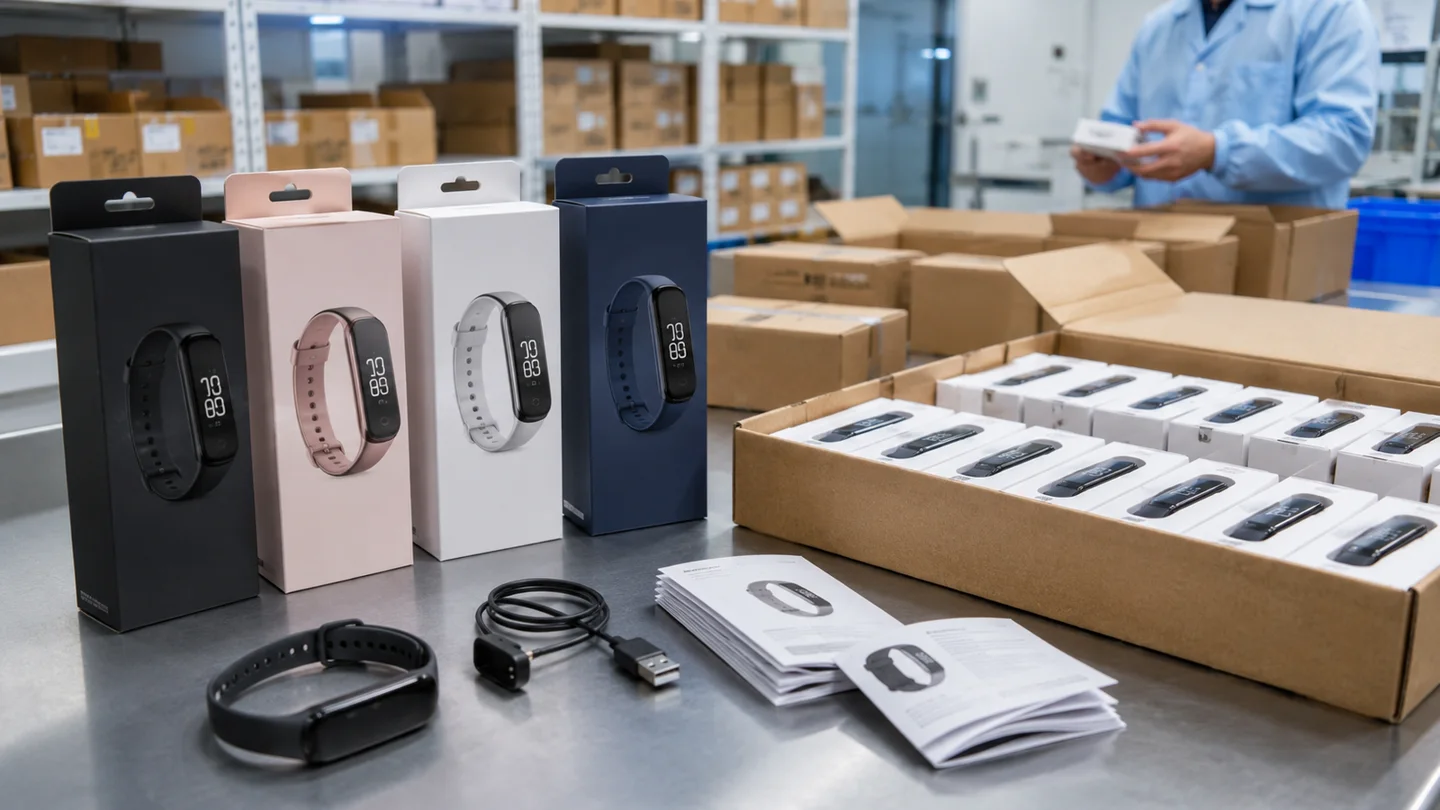
Packaging must fit the product, sales channel and destination. Review a physical packout with the final accessories before printing at scale.
Explore Packaging Customization ↗A private-label program adapts an available product platform to your brand. It is a practical route when your priority is market entry rather than a new architecture.
Explore Private Label ↗White-label sourcing uses an established product with limited brand and configuration changes. Confirm exactly what can be changed and what remains shared.
Explore White Label ↗A staged OEM/ODM process makes decisions reviewable, from the first brief to the first reorder. Each phase has inputs, outputs and a buyer approval.
Explore Complete OEM/ODM Process ↗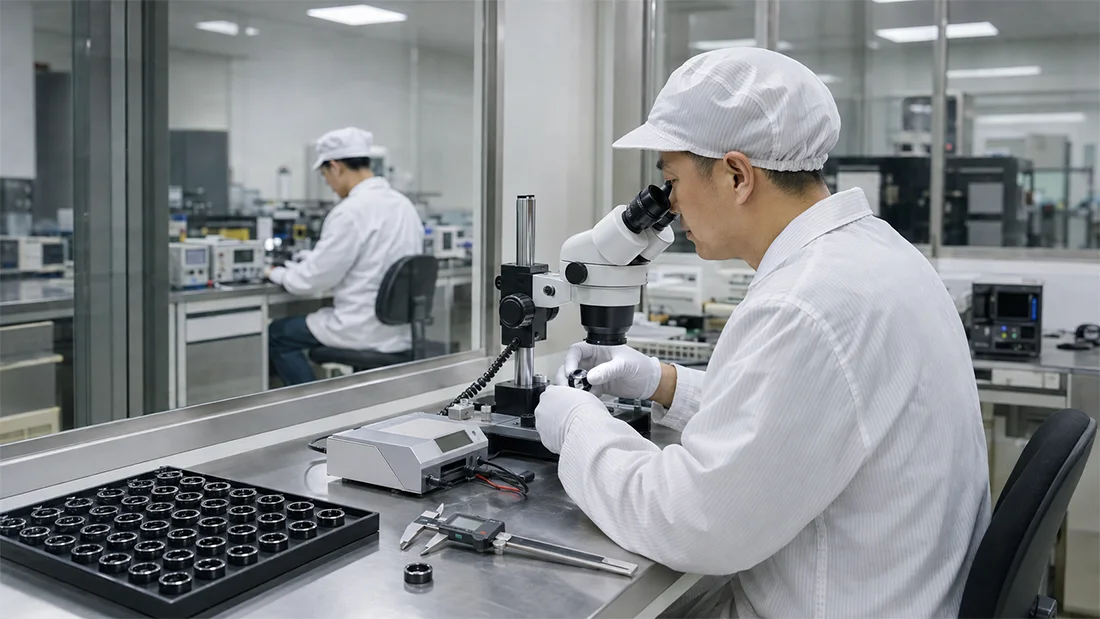
Testing and certification discussions start with the exact SKU, intended use and destination market. Ask for current documents covering the ordered configuration.
Explore Testing & Certification ↗Share your product, market and customization requirements.