
Smart Watches for Startup Brands: 7 Proven Steps to Launch a Private Label Line in the US
November 13, 2026 · Team Star King
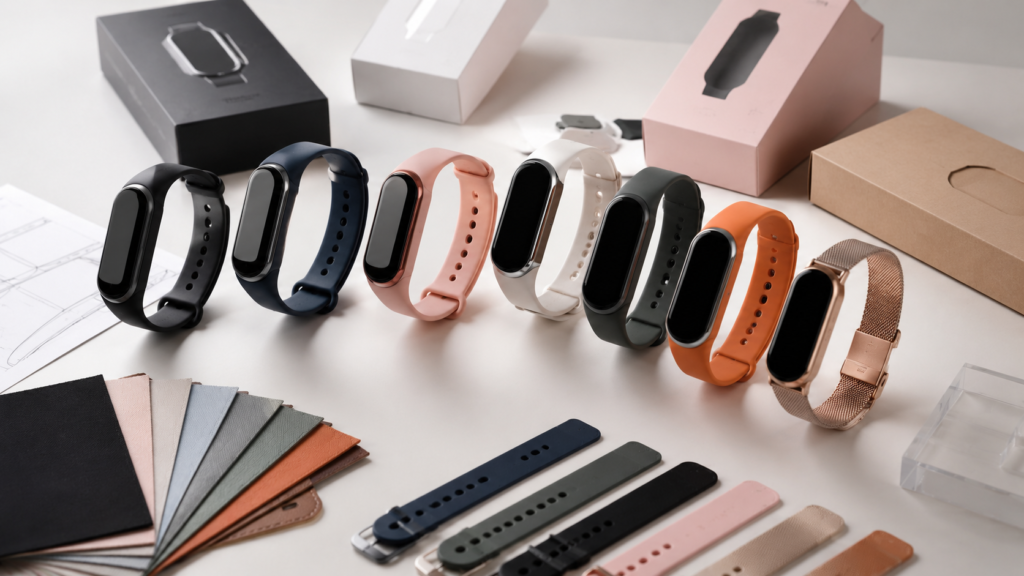
Smart Watches for Startup Brands: 7 Proven Steps to Launch a Private Label Line in the US
Smart watches for startup brands are privately labeled, OEM/ODM-manufactured wearables that let new brands enter the US market with customized hardware, software, packaging, and certification. The typical path involves selecting a manufacturing partner, defining specifications, validating samples, confirming compliance, and planning a launch that fits your budget and volume. Most startups begin with MOQs in the hundreds to low thousands, but terms vary by supplier and configuration [STAR KING TO CONFIRM].
Table of Contents
Table of Contents
smart watches for startup brands: Table of Contents
- Short Answer
- Key Takeaways
- Key Facts for Buyers
- Step 1: Define Your Smart Watch Product Concept and Target US Audience
- Step 2: Choose the Right OEM/ODM Manufacturing Model
- Step 3: Understand MOQ, Pricing, and Cost Drivers
- Step 4: Evaluate Samples and Prototypes Thoroughly
- Step 5: Verify Quality Control and Testing Protocols
- Step 6: Confirm US Certifications and Compliance Requirements
- Step 7: Plan Packaging, Branding, and Logistics
- Comparison Table: OEM vs. ODM vs. Private Label
- Common Mistakes and Buyer Red Flags
- Practical Buyer Checklist
- FAQ
- Conclusion
Short Answer
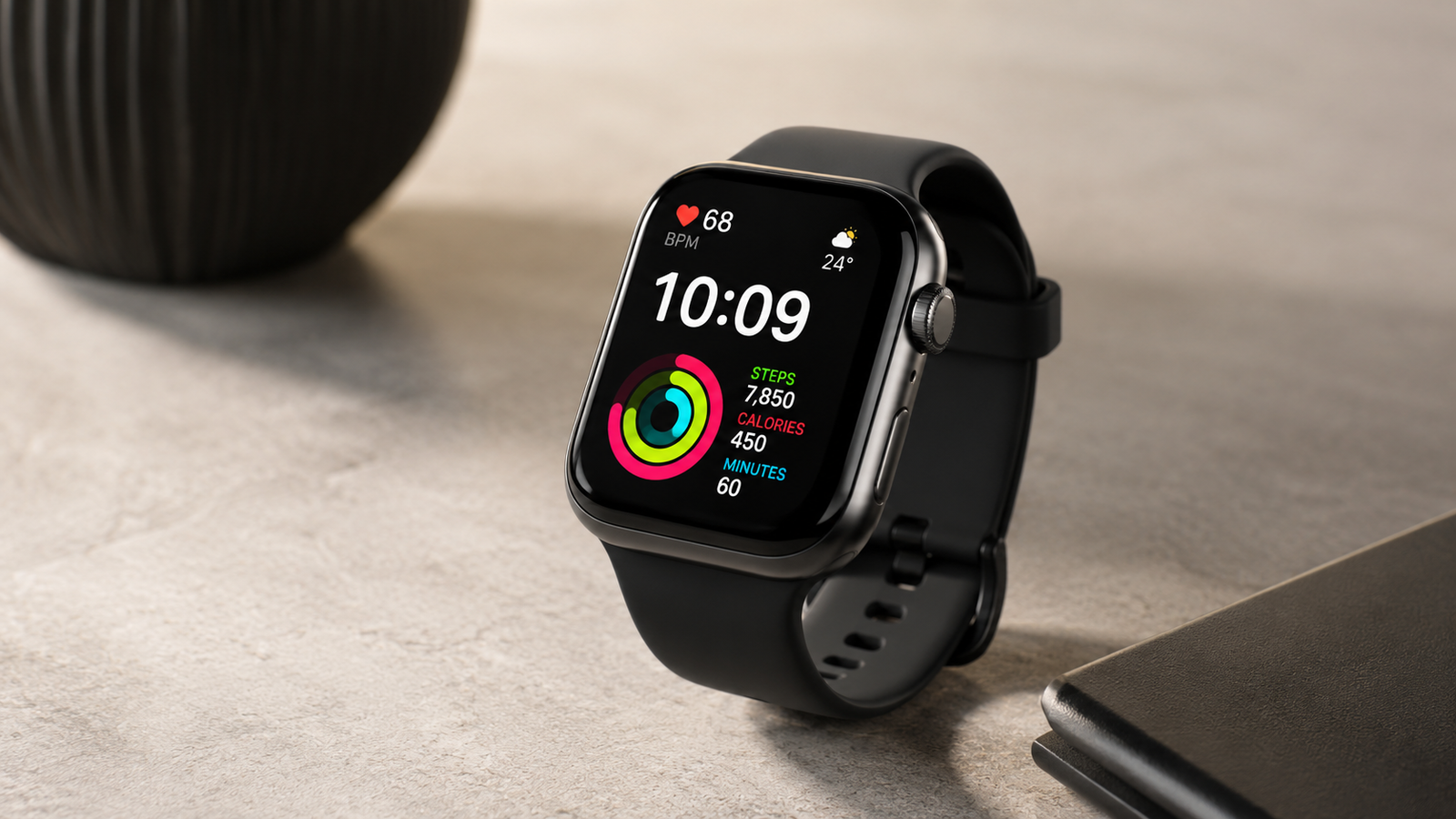
Launching smart watches for startup brands in the US requires a structured approach: define a focused product concept, select an experienced OEM/ODM partner, validate samples against your specifications, confirm regulatory compliance (FCC, CE, RoHS, UN38.3 as applicable), and plan branding and logistics. Expect development timelines of 8–16 weeks and initial MOQs that vary by supplier, often starting in the hundreds to low thousands of units [STAR KING TO CONFIRM].
Key Takeaways
- Start with a clear use case (fitness, sleep, notifications) to narrow specifications and reduce development cost.
- OEM offers full customization but higher upfront investment; ODM and private label provide faster time-to-market with lower MOQs.
- MOQ, tooling, and certification costs are the biggest budget drivers for startup brands.
- Always test pre-production samples for battery life, sensor accuracy, app stability, and build quality.
- US market entry requires FCC certification for wireless devices, and often UN38.3 for lithium batteries; confirm with your supplier.
- Packaging and branding customization can differentiate your brand but may add 2–4 weeks to lead time.
- Request a detailed quotation that separates unit cost, tooling, certification, and logistics.

Key Facts for Buyers
| Factor | Typical Range / Consideration |
|---|---|
| MOQ (private label) | 500–1,000 units (varies by supplier and customization) [STAR KING TO CONFIRM] |
| Sample lead time | 7–15 days for stock models; 3–5 weeks for customized samples [STAR KING TO CONFIRM] |
| Production lead time | 30–60 days after sample approval and deposit [STAR KING TO CONFIRM] |
| Certification (US) | FCC required for wireless; UN38.3 for lithium batteries; RoHS may apply for EU |
| Customization options | Logo, packaging, app UI, firmware features (depends on model) [STAR KING TO CONFIRM] |
| Payment terms | Typically 30% deposit, 70% before shipment (negotiable) |

Step 1: Define Your Smart Watch Product Concept and Target US Audience
Before contacting suppliers, clarify what problem your smart watch solves for US consumers. Startup brands often succeed by targeting a specific niche: fitness enthusiasts, seniors, busy professionals, or budget-conscious students. Your concept should outline core features, price point, and channel strategy (DTC, Amazon, retail).
For example, a fitness-focused watch may prioritize heart rate monitoring, GPS, and water resistance, while a senior-focused device might emphasize fall detection, long battery life, and simple UI. Documenting these requirements early helps suppliers propose suitable platforms and reduces back-and-forth.
Consider how your product will integrate with smartphones: iOS and Android compatibility, app features, and data privacy are critical for US buyers. Review health and fitness wearable solutions for feature ideas.
Step 2: Choose the Right OEM/ODM Manufacturing Model
Startup brands typically choose among three models: OEM (you design, manufacturer builds), ODM (manufacturer’s design, you customize), and private label (rebrand an existing product). Each has trade-offs in cost, speed, and differentiation.
OEM (Original Equipment Manufacturer)
You own the design and specifications; the factory manufactures to your requirements. This model offers maximum differentiation but requires significant investment in tooling, engineering, and certification. It suits startups with a unique product vision and adequate funding.
ODM (Original Design Manufacturer)
The manufacturer offers a proven design that you can customize (logo, packaging, app, minor hardware tweaks). ODM reduces development time and cost, making it popular for first-time brands. However, your product may resemble other brands’ devices unless you invest in customization.
Private Label
You select an existing product and apply your brand. This is the fastest and least expensive route, ideal for testing the market. Customization is usually limited to logo, packaging, and maybe app branding.
For a deeper comparison, see private label OEM/ODM solutions.
Step 3: Understand MOQ, Pricing, and Cost Drivers
MOQ (Minimum Order Quantity) is often the first barrier for startup brands. MOQs vary widely based on the model, customization level, and supplier. Typical private-label MOQs range from 500 to 1,000 units, but some suppliers may accept 300 units for stock models [STAR KING TO CONFIRM].
Pricing depends on several factors:
- Hardware specifications: Display type, sensors, battery, materials.
- Customization: Logo printing, custom packaging, app development.
- Certification: FCC, CE, RoHS, UN38.3 testing and documentation.
- Order volume: Larger orders typically reduce unit cost.
- Payment terms and logistics: Incoterms (FOB, CIF, DDP) affect landed cost.
Always request a detailed quotation that separates unit price, tooling fees, certification costs, and shipping. Avoid suppliers who quote only a unit price without clarifying what’s included.
For budgeting, consider total landed cost, including tariffs, freight, and insurance. US import duties on smart watches may apply; check the latest HTS codes and consult a customs broker.
Step 4: Evaluate Samples and Prototypes Thoroughly
Never commit to mass production without testing samples. Request pre-production samples that match your final specifications. Evaluate:
- Build quality: Materials, finish, water resistance (IP rating).
- Battery life: Test under realistic usage; compare with claimed specs.
- Sensor accuracy: Heart rate, SpO2, step counting (note: consumer devices are not medical-grade).
- App experience: Stability, syncing, user interface, language support.
- Compatibility: iOS and Android pairing, notification reliability.
Test multiple units to check consistency. Document any issues and discuss fixes with the supplier before placing a bulk order.
If you need guidance on sample development, see our blog for related articles.
Step 5: Verify Quality Control and Testing Protocols
Ask potential suppliers about their quality management system and testing procedures. A robust QC process typically includes:
- Incoming material inspection.
- In-process quality checks.
- Functional testing of every unit (or AQL sampling).
- Reliability tests: drop, vibration, waterproof, aging.
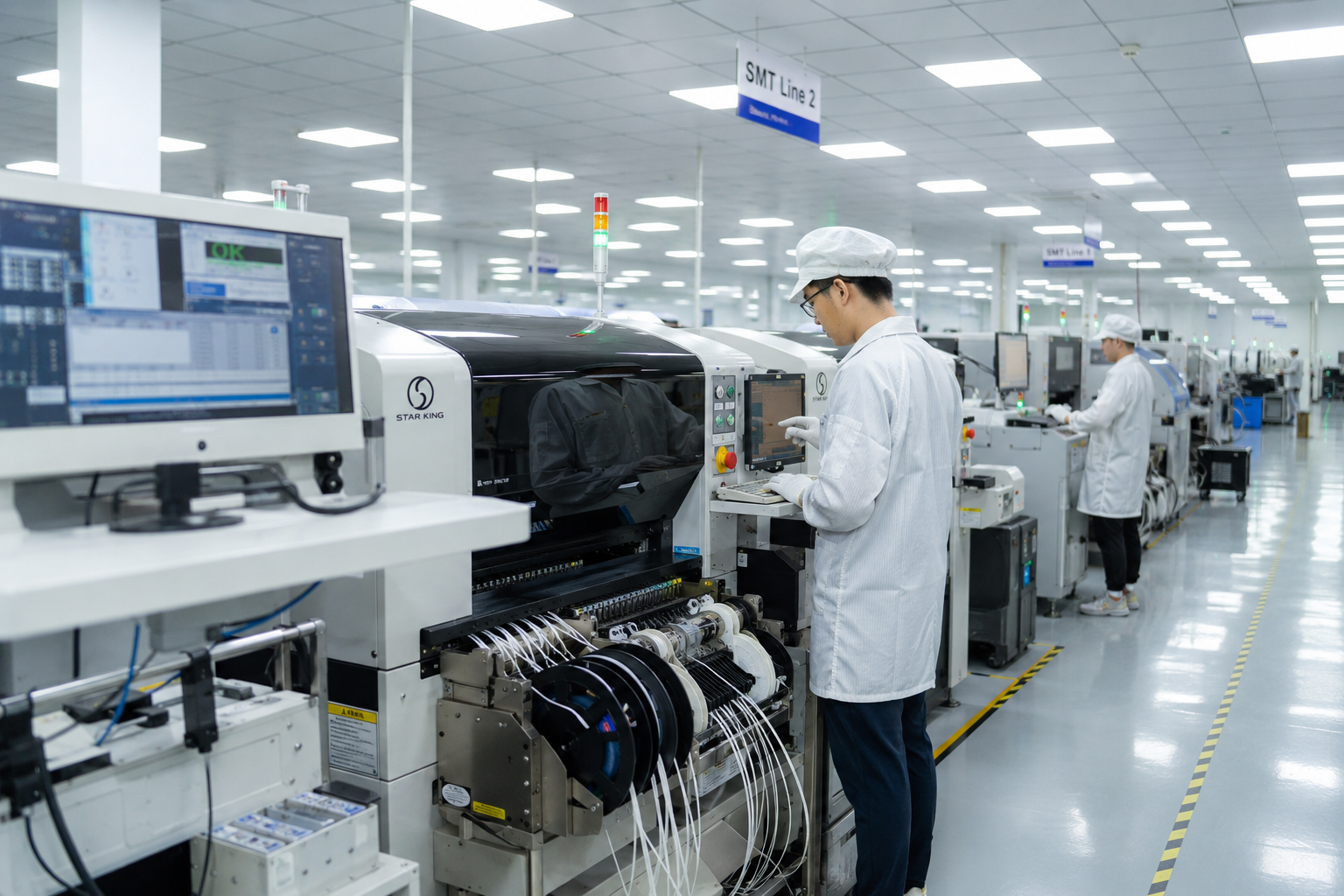
- Pre-shipment inspection (PSI) by a third party if desired.
Request test reports for critical components, such as battery safety (UN38.3) and charger compliance. For more on quality, explore OEM/ODM quality control.
Consider a factory audit if order volume is significant. Third-party inspection services can verify production conditions and catch issues early.
Step 6: Confirm US Certifications and Compliance Requirements
For the US market, smart watches with Bluetooth or other wireless radios require FCC certification. The FCC regulates radio frequency devices to ensure they don’t cause interference. Additionally, lithium-ion batteries must meet UN38.3 for safe transport. Depending on your product’s features, other regulations may apply (e.g., California Proposition 65 for materials).
CE and RoHS are required for the EU, not the US, but many suppliers obtain them as standard. Confirm which certifications are included in your quotation and whether they cover your specific model. Certificates are model-specific; a generic certificate may not apply to your customized device.
Always verify certificates through the issuing body’s database. For FCC, you can search the FCC ID database. For UN38.3, request the test summary report.
Note: Certification requirements depend on product configuration and target market. Buyers should verify with a compliance specialist.
Step 7: Plan Packaging, Branding, and Logistics
Packaging is a key brand touchpoint. Custom boxes, manuals, and inserts can elevate perceived value. Discuss packaging design, materials, and printing with your supplier. Lead time for custom packaging may add 2–4 weeks.
For logistics, decide between air and sea freight based on volume and urgency. Lithium batteries are classified as dangerous goods; ensure your supplier provides UN38.3 and MSDS documentation for shipping. Work with a freight forwarder experienced in battery-containing products.
Consider drop-testing your retail packaging to ensure it survives transit.
Comparison Table: OEM vs. ODM vs. Private Label
| Factor | OEM | ODM | Private Label |
|---|---|---|---|
| Customization level | High (own design) | Medium (customize existing design) | Low (logo/packaging) |
| Upfront investment | High (tooling, engineering) | Medium | Low |
| Time to market | Long (6–12 months) | Medium (3–6 months) | Short (1–3 months) |
| MOQ | High (often 1,000+) | Medium (500–1,000) | Low (300–500) |
| Differentiation | High | Medium | Low |
| Best for | Brands with unique IP | Brands seeking balance | Market testing |
Common Mistakes and Buyer Red Flags
- Choosing on price alone: Ultra-low quotes often mean cut corners on components or certification.
- Ignoring certification validity: Certificates must match your exact model; generic certificates are a red flag.
- Skipping sample testing: Never rely on spec sheets alone; test real units.
- Unclear IP ownership: For OEM, clarify who owns tooling and design files.
- No pre-shipment inspection: Always arrange QC before final payment.
- Underestimating logistics: Lithium battery shipping requires special documentation.
- Supplier communication gaps: Poor responsiveness before order often signals poor after-sales support.
Practical Buyer Checklist
- Define product concept and target price.
- Shortlist 3–5 suppliers with relevant experience.
- Request samples and evaluate against specs.
- Confirm MOQ, lead time, and payment terms.
- Verify certifications (FCC, UN38.3, etc.) for your model.
- Clarify customization scope (logo, packaging, app).
- Agree on QC process and pre-shipment inspection.
- Review logistics and Incoterms.
- Sign contract with clear IP and warranty terms.
- Place deposit and monitor production milestones.
Buyers can also review STAR KING Smart Watches OEM/ODM options to compare product positioning, customization scope, and sample planning.
FAQ
1. What is the typical MOQ for private label smart watches?
MOQs vary by supplier and customization. Many suppliers set MOQs between 500 and 1,000 units for private label, but some offer lower MOQs for stock models. Always confirm with your specific supplier [STAR KING TO CONFIRM].
2. How long does it take to develop a custom smart watch?
ODM projects typically take 3–6 months from concept to mass production, including sampling and certification. OEM projects can take 6–12 months. Timelines depend on complexity and supplier capacity [STAR KING TO CONFIRM].
3. Do I need FCC certification for my smart watch in the US?
Yes, if your smart watch includes wireless communication (Bluetooth, Wi-Fi, cellular), it requires FCC certification. Ensure your supplier provides FCC ID and test reports for your specific model.
4. Can I customize the app for my smart watch?
Many ODM suppliers offer app customization (branding, UI colors, feature toggles) for a fee. Full app development is more involved. Discuss options and costs with your supplier [STAR KING TO CONFIRM].
5. What are the shipping requirements for smart watches with lithium batteries?
Lithium batteries are regulated as dangerous goods. You need UN38.3 test reports and MSDS for shipping. Work with a freight forwarder experienced in battery-containing electronics to ensure compliance.
6. How do I verify a supplier’s quality control?
Ask for their QC process, request test reports, and consider a third-party factory audit. Pre-shipment inspection is highly recommended for first orders.
7. What payment terms are typical for smart watch orders?
Common terms are 30% deposit with 70% balance before shipment. Some suppliers may accept letters of credit or other arrangements for larger orders. Negotiate terms that protect both parties.
Conclusion
Launching smart watches for startup brands in the US is achievable with careful planning and the right manufacturing partner. Focus on a clear product concept, validate samples rigorously, confirm compliance, and plan logistics. By following these seven steps, you can reduce risk and build a product that meets market demand.
For personalized guidance, request samples or discuss your OEM/ODM project with our team.
Useful Official References for Buyers
- FCC equipment authorization guidance
- European Commission CE marking information
- Bluetooth SIG specifications
Discuss Your Smart Wearable OEM/ODM Project
Planning a smart ring, smart watch, smart band, AI glasses, AI translator, or AI voice mouse project? Contact STAR KING to discuss product positioning, sample testing, customization scope, certification requirements, lead time, and quotation details.

Team Star King

Scan WhatsApp QR code
Leave a Reply