
AI voice mouse suppliers: AI Voice Mouse for Amazon Sellers: 7 Steps to Middle East Market Success
November 13, 2026 · Team Star King
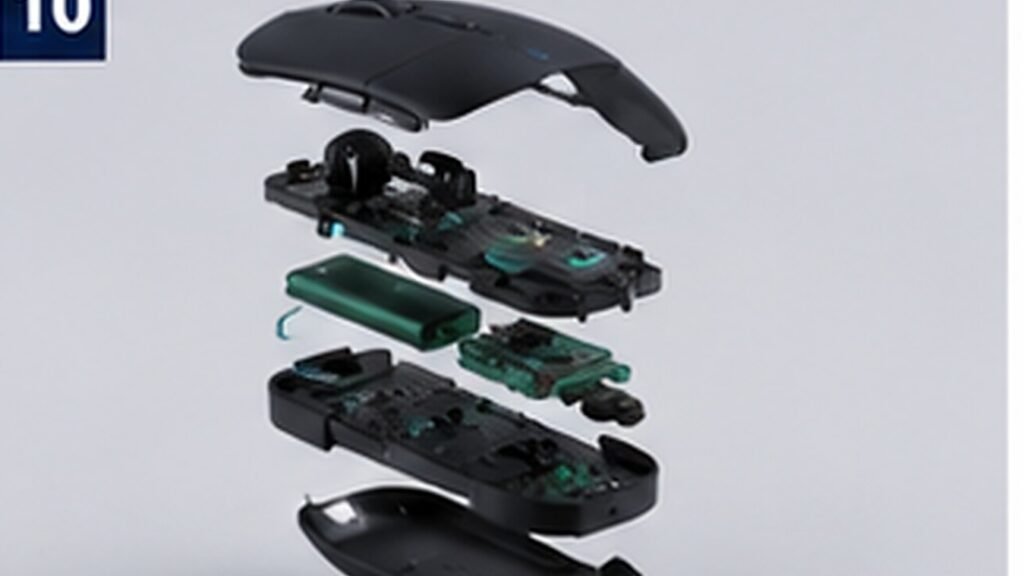
AI voice mouse suppliers buyers need a supplier evaluation process that checks product fit, OEM/ODM capability, compliance documents, quality control, pricing, lead time, and after-sales support before placing a bulk order.
Table of Contents
Table of Contents
AI Voice Mouse for Amazon Sellers: 7 Steps to Middle East Market Success
If you are an Amazon seller targeting the Middle East, an AI voice mouse can be a strong addition to your catalog—but only if you source it correctly. This guide walks you through seven critical steps to select a reliable supplier, customize the product for local needs, navigate certification, and manage logistics. By following these steps, you can reduce risk and launch a competitive AI voice mouse that meets buyer expectations in the GCC and wider Middle East.
AI voice mouse suppliers: Table of Contents
- Short Answer
- Key Takeaways
- Key Facts for Buyers
- Step 1: Understand the Middle East Market for AI Voice Mice
- Step 2: Choose Between OEM, ODM, and Private Label
- Step 3: Evaluate Supplier Capabilities and Certifications
- Step 4: Plan MOQ, Pricing, and Lead Times
- Step 5: Customize for Local Languages and Features
- Step 6: Arrange Testing and Compliance for the Middle East
- Step 7: Manage Logistics and After-Sales
- Comparison Table: OEM vs. ODM vs. Private Label
- Common Mistakes and Buyer Red Flags
- Practical Buyer Checklist
- FAQ
- Conclusion
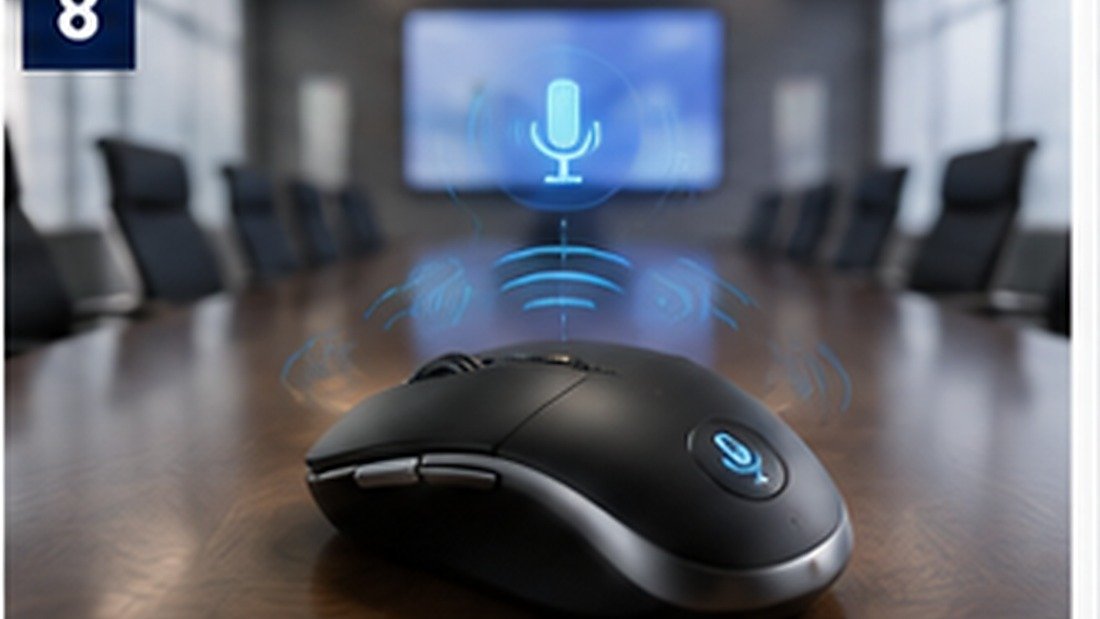
Short Answer
To successfully launch an AI voice mouse on Amazon in the Middle East, sellers should: (1) partner with a manufacturer experienced in AI hardware OEM, (2) ensure the device supports Arabic and English voice commands, (3) obtain required certifications such as G-Mark and CE, (4) plan for MOQs and lead times that match Amazon FBA cycles, and (5) customize packaging and branding for local appeal. Due diligence on supplier capabilities and compliance is essential.
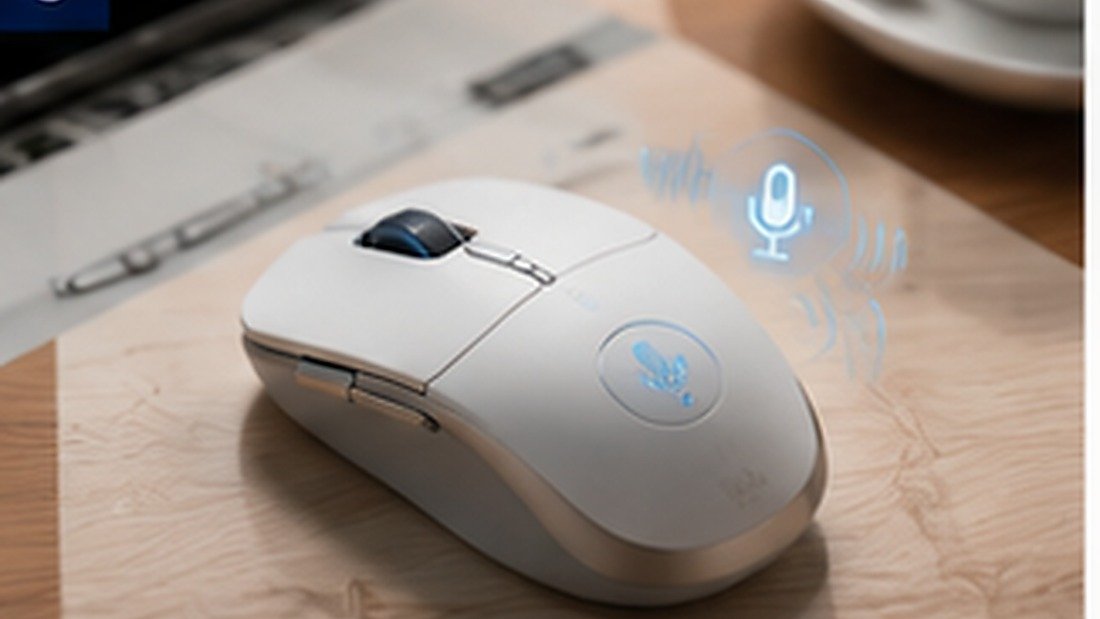
Key Takeaways
- Middle East Amazon marketplaces (UAE, Saudi Arabia) offer growth potential for AI voice mice, but require Arabic language support and local certification.
- Private label and ODM models allow Amazon sellers to differentiate without heavy R&D investment.
- MOQs for AI voice mice typically range from 500 to 1,000 units, depending on customization [STAR KING TO CONFIRM].
- Certifications such as G-Mark (GCC), CE, and RoHS are often required; confirm with your supplier.
- Plan for 30–45 days production lead time plus shipping to Middle East FBA warehouses.
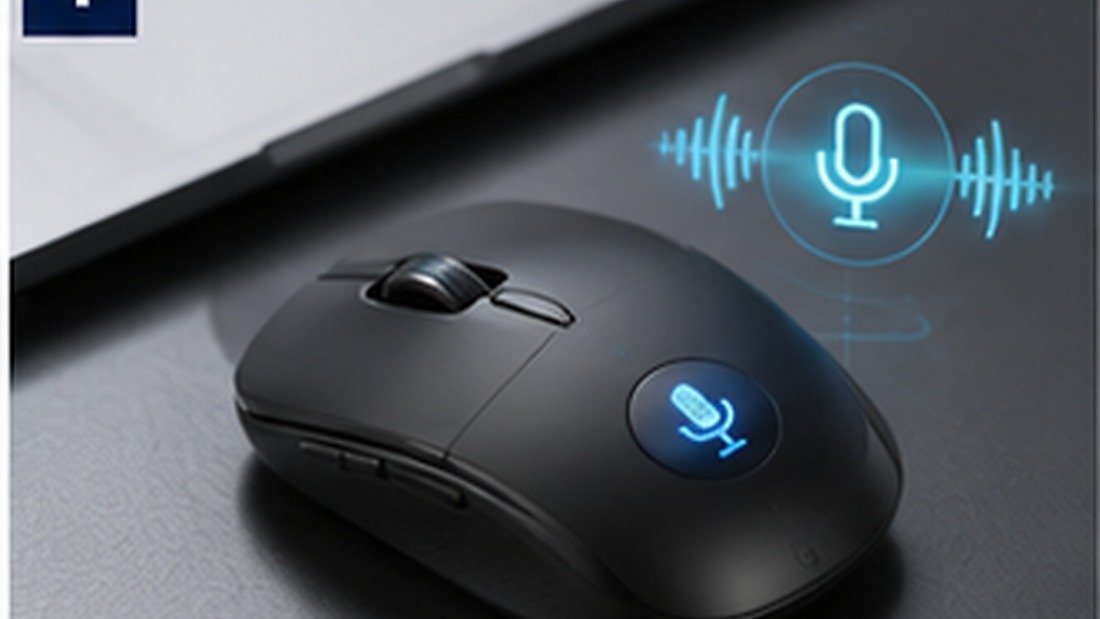
Key Facts for Buyers
| Consideration | Details |
|---|---|
| Target Market | Middle East (UAE, Saudi Arabia, etc.) |
| Key Certifications | G-Mark (GCC), CE, RoHS, UN38.3 (if battery) |
| Language Support | Arabic and English essential |
| Typical MOQ | 500–1,000 units for private label [STAR KING TO CONFIRM] |
| Production Lead Time | 30–45 days after sample approval [STAR KING TO CONFIRM] |
| Shipping to Middle East | Air freight 5–10 days; sea freight 20–30 days |
| Customization Options | Logo, packaging, firmware, app |

Step 1: Understand the Middle East Market for AI Voice Mice
The Middle East e-commerce market is growing, with Amazon.ae and Amazon.sa being key platforms. Consumers increasingly adopt smart office devices and productivity tools. An AI voice mouse, which combines a traditional mouse with voice control and AI features like real-time translation, can appeal to professionals, students, and multilingual users. However, success depends on localization: Arabic language support is critical, as is compatibility with local software and operating systems. Additionally, consider cultural factors such as preferred brands and price sensitivity. Conduct market research to identify demand and competitive pricing.
Step 2: Choose Between OEM, ODM, and Private Label
Amazon sellers can source AI voice mice through three main models:
- OEM (Original Equipment Manufacturer): You provide specifications, and the factory builds to your design. Requires higher investment and longer development time.
- ODM (Original Design Manufacturer): The factory offers existing designs that you can customize with your branding. Faster time to market.
- Private Label: You use a manufacturer’s existing product and apply your brand. Lowest barrier to entry but less differentiation.
For most Amazon sellers, ODM or private label is practical for initial launches. If you have unique features in mind, consider OEM. Evaluate your budget, timeline, and desired level of differentiation.
Step 3: Evaluate Supplier Capabilities and Certifications
When selecting a supplier for AI voice mice, assess their experience with AI hardware OEM, their quality control processes, and their ability to support Middle East certifications. Request samples, audit reports, and certification documents. Verify that the supplier can provide G-Mark (required for GCC countries), CE, and RoHS compliance. If the device contains a lithium battery, UN38.3 and MSDS are necessary for shipping. Ask about their firmware customization capabilities to ensure Arabic language support and integration with AI features. A reliable supplier will be transparent about their capabilities and limitations.
Step 4: Plan MOQ, Pricing, and Lead Times
MOQs for AI voice mice vary by supplier and customization level. For private label with standard packaging, MOQs may start at 500 units; for full ODM with custom firmware, MOQs can be 1,000 units or more [STAR KING TO CONFIRM]. Pricing is influenced by features (e.g., voice recognition accuracy, translation languages), materials, and order volume. Request detailed quotations that break down costs. Lead times typically range from 30 to 45 days after sample approval, plus shipping. Plan your Amazon FBA inventory to avoid stockouts, especially during peak seasons like Ramadan and White Friday.
Step 5: Customize for Local Languages and Features
Arabic language support is non-negotiable for the Middle East. Ensure the AI voice mouse can accurately recognize Arabic dialects and provide translation between Arabic and English. Additionally, consider features like voice-to-text for Arabic, compatibility with local office software, and ergonomic design for extended use. Customize packaging with Arabic and English text, and include a user manual in both languages. If you plan to sell in multiple countries, ensure the device supports multiple languages. Work with your supplier to test language accuracy and user experience.
Step 6: Arrange Testing and Compliance for the Middle East
Compliance is critical for Amazon sellers. For the UAE and Saudi Arabia, G-Mark certification is often required for electronic devices. This involves testing for safety and electromagnetic compatibility. Additionally, CE marking may be accepted in some markets. Work with your supplier to obtain necessary test reports from accredited laboratories. Ensure the product labeling includes required information in Arabic. For lithium battery-powered devices, UN38.3 test reports and MSDS are needed for shipping. Verify all documentation before shipment to avoid customs delays.
Step 7: Manage Logistics and After-Sales
Shipping AI voice mice to the Middle East can be done via air or sea freight. Air freight is faster but more expensive; sea freight is cost-effective for larger volumes. Consider Amazon FBA’s inbound requirements, including labeling and packaging. For after-sales, establish a warranty policy (typically 12 months) and provide replacement parts. Ensure your supplier can offer technical support and firmware updates. Plan for spare units to handle returns efficiently. A good after-sales strategy enhances customer satisfaction and reviews.
Comparison Table: OEM vs. ODM vs. Private Label
| Factor | OEM | ODM | Private Label |
|---|---|---|---|
| Customization Level | High (custom design) | Medium (modify existing design) | Low (branding only) |
| Time to Market | Long (6–12 months) | Medium (3–6 months) | Short (1–3 months) |
| MOQ | High (often 1,000+) | Medium (500–1,000) | Low (500) |
| Investment | High | Medium | Low |
| Differentiation | High | Medium | Low |
Common Mistakes and Buyer Red Flags
- Ignoring Arabic language support: A voice mouse without accurate Arabic recognition will fail in the Middle East.
- Skipping certification verification: Without G-Mark, your product may be blocked at customs.
- Underestimating MOQs: Ordering too little can lead to higher unit costs and limited customization.
- Not testing samples: Always test samples for voice accuracy and build quality before mass production.
- Choosing a supplier without Middle East experience: Work with suppliers familiar with GCC regulations.
- Overlooking after-sales: Ensure spare parts and support are available.
Practical Buyer Checklist
- ☐ Confirm Arabic language support and accuracy.
- ☐ Verify supplier’s experience with AI hardware OEM and Middle East certifications.
- ☐ Request samples and test voice recognition, translation, and build quality.
- ☐ Obtain copies of G-Mark, CE, RoHS, UN38.3, and MSDS certificates.
- ☐ Clarify MOQ, pricing, and lead times in writing.
- ☐ Plan packaging and manual in Arabic and English.
- ☐ Arrange logistics to Amazon FBA warehouses in UAE/Saudi.
- ☐ Establish warranty and after-sales terms.
Buyers can also review STAR KING AI Voice Mouse OEM/ODM options to compare product positioning, customization scope, and sample planning.
FAQ
1. What certifications are required for selling an AI voice mouse on Amazon Middle East?
For GCC countries like UAE and Saudi Arabia, G-Mark certification is typically required. CE and RoHS may also be needed. Lithium battery devices require UN38.3 and MSDS. Always verify with your supplier and local authorities.
2. What is the typical MOQ for private label AI voice mice?
MOQs vary by supplier and customization. For standard private label, MOQs often start at 500 units. Custom firmware or packaging may require 1,000 units or more [STAR KING TO CONFIRM].
3. How long does production and shipping take?
Production lead time is typically 30–45 days after sample approval. Shipping via air freight takes 5–10 days; sea freight 20–30 days, depending on destination [STAR KING TO CONFIRM].
4. Can the AI voice mouse support Arabic dialects?
Support varies by model. Modern AI voice mice can support Modern Standard Arabic, but dialect accuracy depends on the software. Test with your supplier.
5. What customization options are available?
Common options include logo printing, custom packaging, user manual localization, and firmware customization for language support. Some suppliers offer app integration.
6. How do I ensure quality before mass production?
Request pre-production samples, conduct drop testing and aging testing, and arrange pre-shipment inspection. A reputable supplier will provide test reports.
7. What after-sales support should I expect?
Suppliers should offer a 12-month warranty and spare parts. Confirm the process for handling defective units and firmware updates.
Conclusion
Launching an AI voice mouse on Amazon in the Middle East requires careful planning and due diligence. By following these seven steps, you can select a reliable supplier, ensure compliance, and deliver a product that meets local expectations. Focus on Arabic language support, certification, and logistics to avoid common pitfalls. With the right partner, you can capture a growing market for AI-powered productivity devices.
STAR KING CTA
Ready to source your AI voice mouse for the Middle East? STAR KING offers OEM/ODM and private label solutions with customization for language, packaging, and firmware. Request a quotation or discuss your project with our team. We can provide samples and certification guidance to help you launch successfully.
Useful Official References for Buyers
- FCC equipment authorization guidance
- European Commission CE marking information
- Bluetooth SIG specifications
Discuss Your Smart Wearable OEM/ODM Project
Planning a smart ring, smart watch, smart band, AI glasses, AI translator, or AI voice mouse project? Contact STAR KING to discuss product positioning, sample testing, customization scope, certification requirements, lead time, and quotation details.

Team Star King

Scan WhatsApp QR code
Leave a Reply