
Smart Watches Private Label in 2026: 7 Critical Steps for US Brands
November 12, 2026 · Team Star King
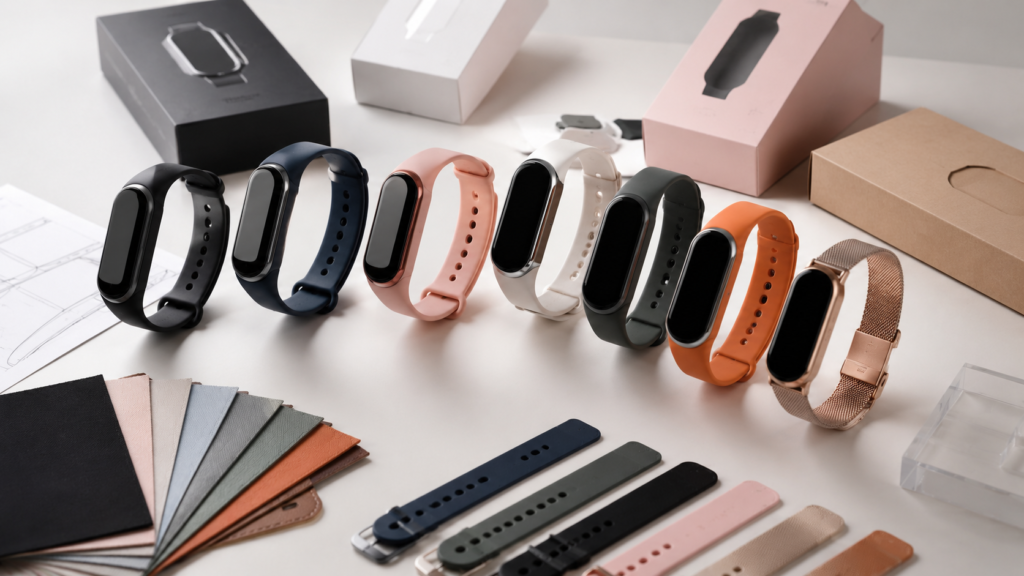
Smart Watches Private Label in 2026: 7 Critical Steps for US Brands
Smart watches private label is a product development and manufacturing model where a brand sources a smart watch from an OEM/ODM factory and customizes it with its own logo, packaging, app, and firmware for sale under its own name. For US private-label brands in 2026, the process typically involves seven steps: defining product requirements, selecting a manufacturer, choosing OEM vs. ODM, customizing hardware and software, testing samples, securing certifications, and planning mass production and logistics. Each step carries its own cost, timeline, and risk profile.
Table of Contents
Table of Contents
Table of Contents
- Short Answer: How Does Smart Watches Private Label Work?
- Key Takeaways
- Key Facts for Buyers
- Step 1: Define Your Product Requirements and Target Price
- Step 2: Select the Right Smart Watch Manufacturer
- Step 3: Choose Between OEM, ODM, and Private Label Models
- Step 4: Customize Hardware, Firmware, and App
- Step 5: Validate Samples and Prototypes
- Step 6: Understand Certification and Compliance for the US Market
- Step 7: Plan MOQ, Lead Time, and Logistics
- Comparison Table: OEM vs. ODM vs. Private Label
- Common Mistakes and Buyer Red Flags
- Practical Buyer Checklist
- FAQ: Smart Watches Private Label
- Conclusion
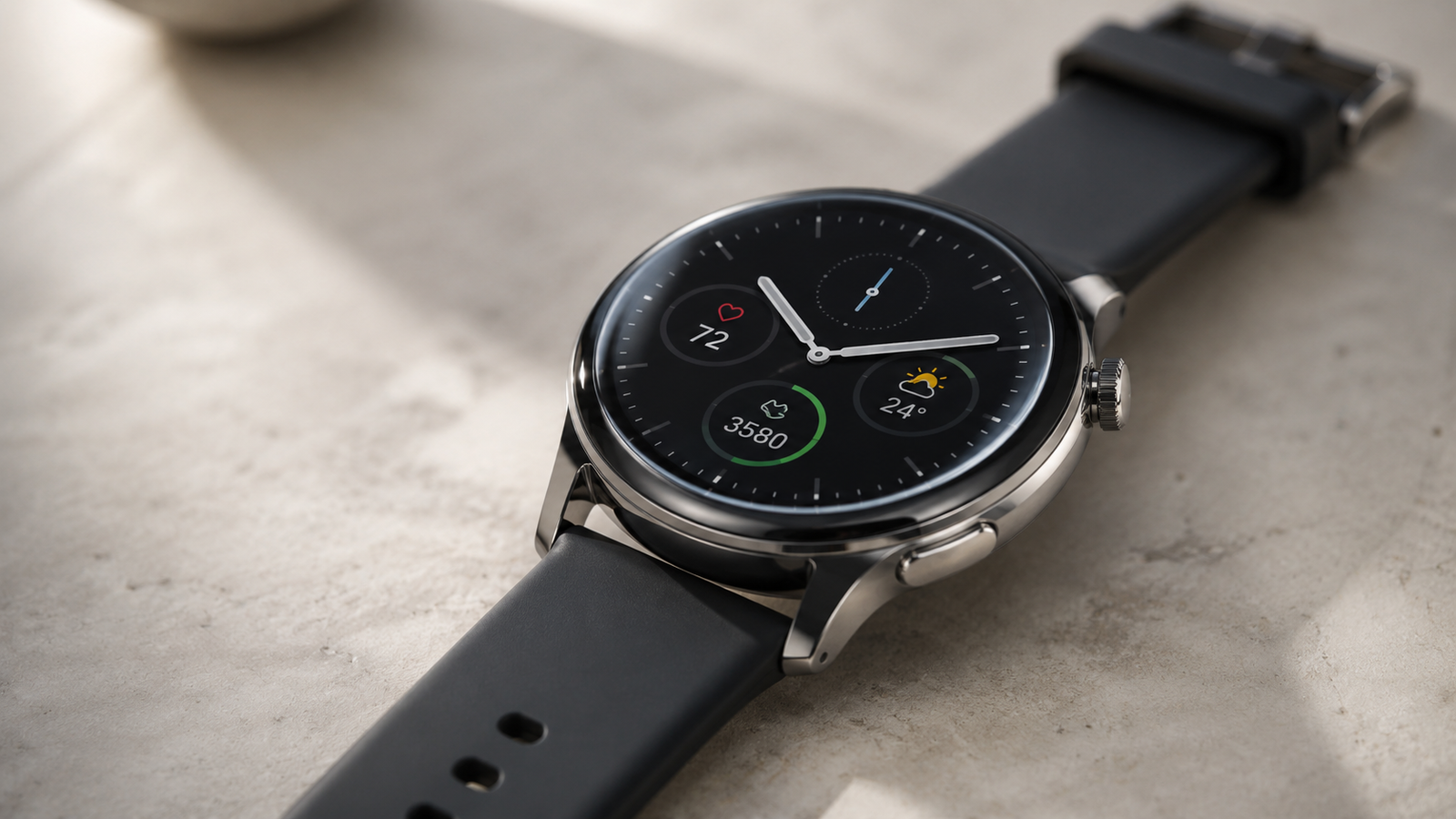
Short Answer: How Does Smart Watches Private Label Work?
Smart watches private label involves sourcing a smart watch from a factory and customizing it for your brand. The process starts with product requirements, moves through manufacturer selection, customization, sample testing, certification, and mass production. For US brands, key considerations include FCC certification, MOQ (often 500–1,000 units), lead times of 30–60 days, and app integration. Working with an experienced OEM/ODM partner can reduce risks and speed up market entry.
Key Takeaways
- Define requirements first: Clarify features, target price, and sales channel before contacting suppliers.
- Manufacturer selection matters: Verify factory capabilities, quality processes, and communication responsiveness.
- OEM, ODM, or private label: Choose the model that fits your customization needs and budget.
- Customization goes beyond logo: Consider firmware, app, and packaging for brand differentiation.
- Testing and certification are non-negotiable: FCC, RoHS, and battery safety compliance are essential for US market entry.
- Plan MOQ and lead times early: Understand minimum order quantities, production schedules, and shipping logistics.
Key Facts for Buyers
| Factor | Typical Range / Consideration |
|---|---|
| MOQ (private label) | 500–1,000 units (depends on customization) |
| Sample lead time | 7–15 days |
| Mass production lead time | 30–60 days after sample approval |
| Certification (US) | FCC, RoHS, UN38.3 for battery, [STAR KING TO CONFIRM] |
| Customization options | Logo, packaging, app, firmware, straps, colors |
| Shipping | Air/sea freight; lithium battery handling required |
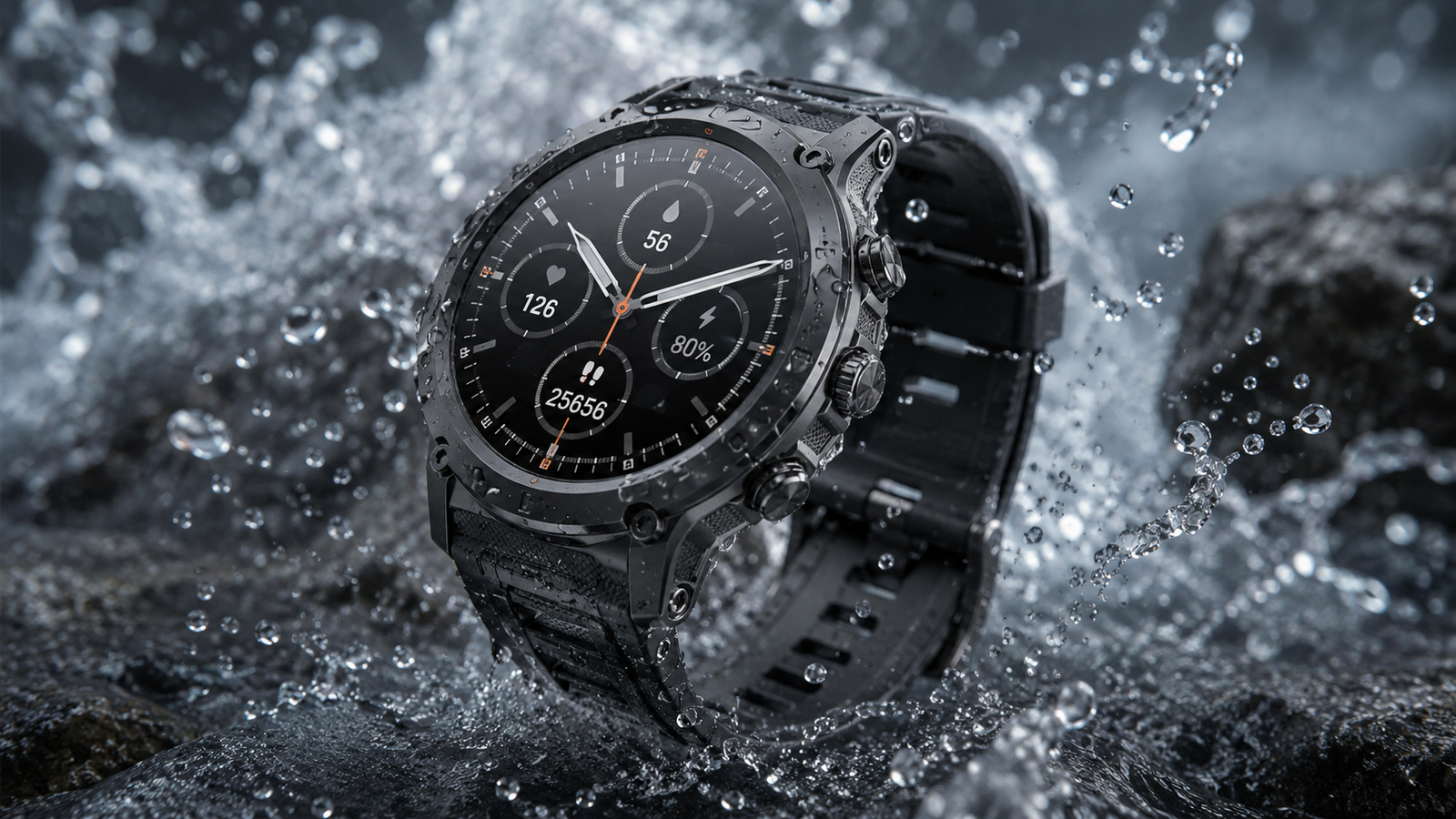
Step 1: Define Your Product Requirements and Target Price
Before approaching suppliers, outline what your smart watch should do and who will buy it. Consider:
- Core features: Health monitoring (heart rate, blood oxygen, sleep), GPS, notifications, Bluetooth calling, battery life.
- Target price: Retail price point influences component selection and manufacturing cost.
- Sales channel: Amazon, direct-to-consumer, retail chains, or corporate wellness programs.
- Differentiation: What makes your brand unique? Design, app ecosystem, or specialized health features.
Document these requirements in a product brief. This will be your reference for evaluating suppliers and samples.
Step 2: Select the Right Smart Watch Manufacturer
Choosing a manufacturer is a critical decision. Look for:
- Experience with US brands: Familiarity with FCC and US market requirements.
- Product portfolio: Off-the-shelf models that can be customized or full ODM development.
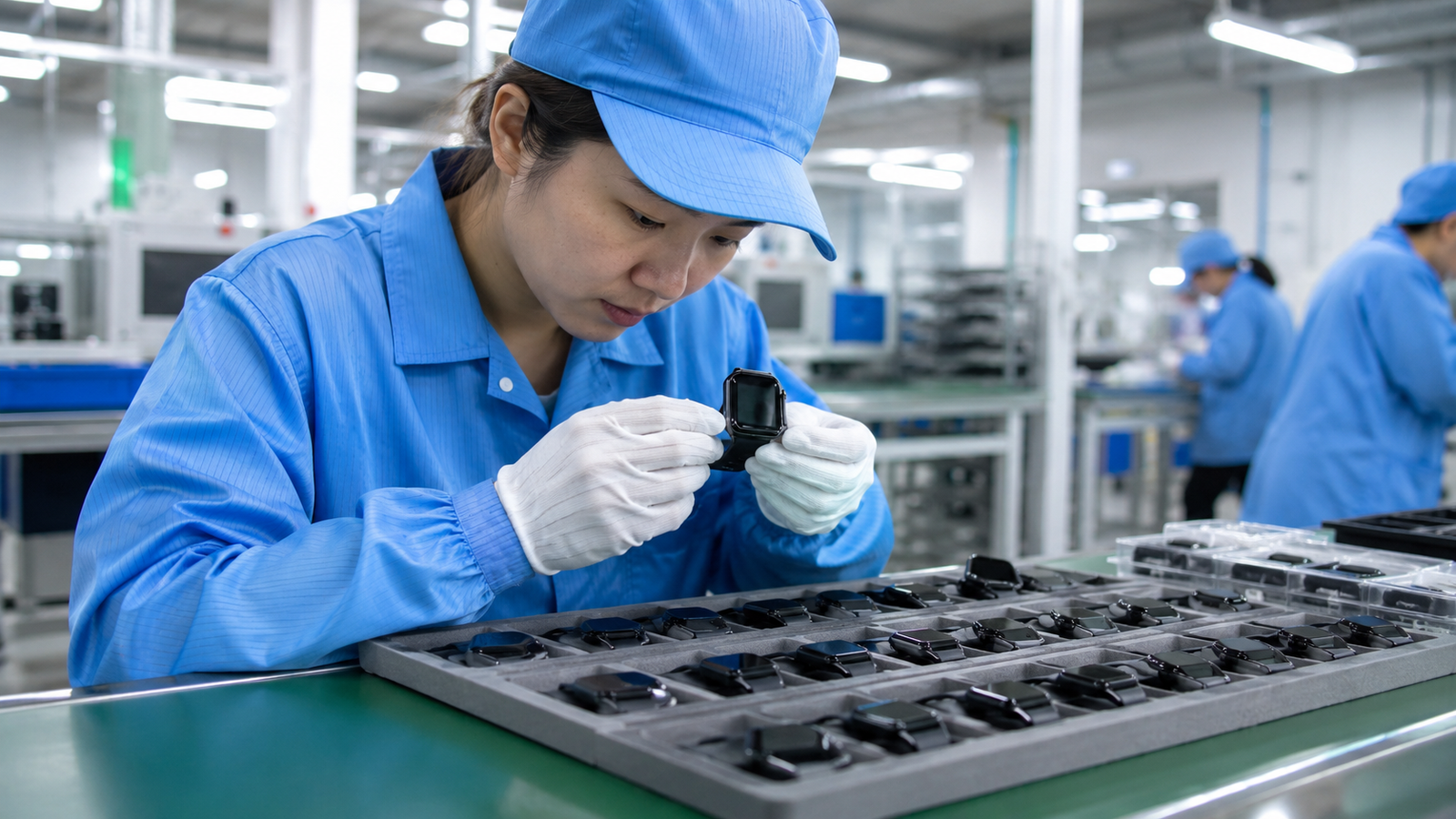
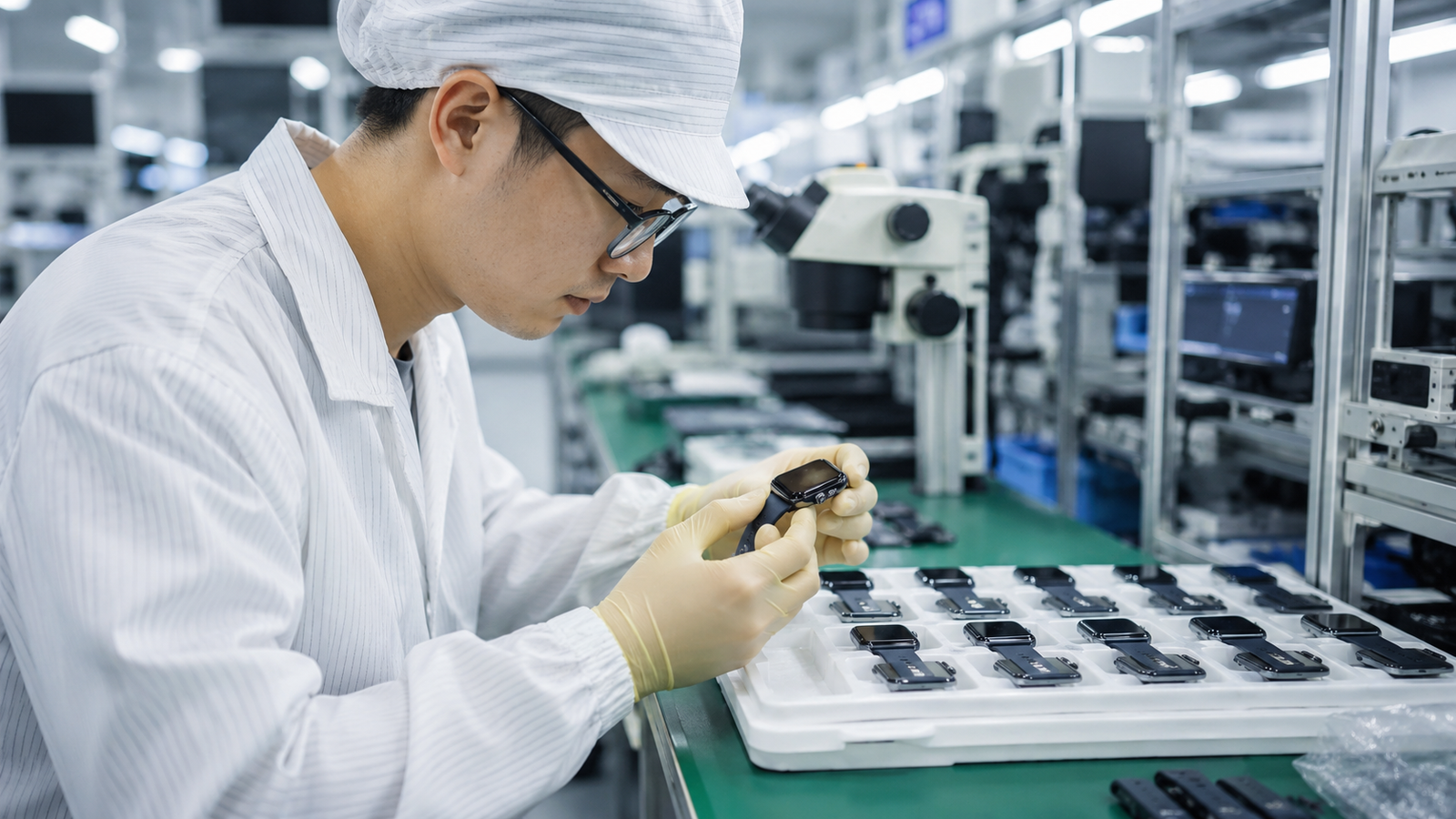
- Quality processes: In-house testing, QC inspections, and traceability.
- Communication: Responsive English-speaking support and clear documentation.
- References: Ask for case studies or client testimonials (respecting confidentiality).
Request a factory audit or use third-party verification services. For more on supplier evaluation, see our private label OEM/ODM solutions.
Step 3: Choose Between OEM, ODM, and Private Label Models
Understand the differences:
- OEM (Original Equipment Manufacturer): You provide the design and specifications; the factory builds to your requirements. Higher upfront investment, but full control.
- ODM (Original Design Manufacturer): The factory offers existing designs that you can customize (logo, packaging, minor hardware changes). Faster and lower cost.
- Private Label: A subset of ODM where you apply your brand to an existing product with minimal changes. Lowest cost and fastest time-to-market.
For many new brands, private label or ODM is a practical starting point. As volume grows, you can transition to OEM for greater differentiation.
Step 4: Customize Hardware, Firmware, and App
Customization is what makes the product yours. Key areas:
- Hardware: Logo on case and strap, color options, packaging design, additional sensors.
- Firmware: Boot logo, UI colors, pre-installed apps, language settings.
- App: White-label app with your branding, or integration with existing health platforms. Consider data ownership and privacy.
Discuss feasibility and cost with your manufacturer. Some customizations may require tooling investment or higher MOQ.
Step 5: Validate Samples and Prototypes
Always test samples before committing to mass production. Evaluate:
- Build quality: Materials, finish, durability.
- Performance: Battery life, sensor accuracy, connectivity.
- App experience: Pairing, data sync, user interface.
- Packaging: Retail readiness and branding.
Conduct drop tests, waterproof tests (if applicable), and aging tests. For health features, remember that consumer smart watches are not medical devices; accuracy claims should be qualified.
Step 6: Understand Certification and Compliance for the US Market
US market entry requires specific certifications. The exact requirements depend on product configuration and wireless capabilities:
- FCC: Required for devices with Bluetooth or other radio transmitters. See FCC official site for details.
- RoHS: Restricts hazardous substances; often required by retailers.
- UN38.3: Mandatory for lithium batteries shipping.
- Prop 65: California warning requirements.
Confirm with your manufacturer which certifications are available and whether they cover your specific model. Certification costs and timelines vary.
Step 7: Plan MOQ, Lead Time, and Logistics
MOQ and lead time are major considerations:
- MOQ: Typically 500–1,000 units for private label, higher for custom tooling.
- Lead time: Samples 7–15 days; mass production 30–60 days after sample approval.
- Logistics: Lithium batteries require special shipping (air/sea). Work with freight forwarders experienced in battery logistics.
Plan for buffer time and consider air freight for urgent orders.
Comparison Table: OEM vs. ODM vs. Private Label
| Model | Customization Level | Upfront Investment | MOQ | Time to Market |
|---|---|---|---|---|
| OEM | High (design, specs) | High | High (1,000+) | Long (6–12 months) |
| ODM | Medium (logo, packaging, minor hardware) | Medium | Medium (500–1,000) | Medium (3–6 months) |
| Private Label | Low (logo, packaging) | Low | Low (500) | Short (1–3 months) |
Common Mistakes and Buyer Red Flags
- Ignoring certification requirements: Selling without FCC can lead to customs seizure and fines.
- Underestimating MOQ: Ordering too few units may result in higher per-unit costs.
- Not testing samples: Skipping sample validation risks mass production defects.
- Overlooking app integration: A poor app experience leads to negative reviews.
- Choosing on price alone: Low quotes often mean lower quality or hidden costs.
Practical Buyer Checklist
- Define product requirements and target price.
- Research and shortlist 3–5 manufacturers.
- Request samples and evaluate quality.
- Confirm certification availability (FCC, RoHS, UN38.3).
- Clarify MOQ, lead time, and payment terms.
- Review app and firmware customization options.
- Plan logistics and shipping.
- Execute pre-shipment inspection.
FAQ: Smart Watches Private Label
What is the typical MOQ for smart watches private label?
MOQ varies by manufacturer and customization. For simple logo and packaging changes, MOQ is often 500–1,000 units. Custom hardware or tooling may require higher volumes.
How long does it take to get a private label smart watch to market?
From initial contact to mass production, expect 2–4 months for private label with existing designs. Custom OEM projects can take 6–12 months.
What certifications are needed for selling smart watches in the US?
FCC certification is required for Bluetooth-enabled devices. RoHS and UN38.3 are also commonly required. California Prop 65 may apply. Confirm with your supplier and a compliance specialist.
Can I customize the app for my private label smart watch?
Yes, many manufacturers offer white-label apps or app customization. Discuss data ownership, privacy policies, and integration with third-party health platforms.
How do I ensure quality before mass production?
Request samples, conduct your own testing, and arrange a pre-shipment inspection. Check for build quality, battery performance, and sensor accuracy.
What are the payment terms for private label orders?
Typical terms are 30% deposit, 70% before shipment. Negotiate based on your relationship and order size.
Can I visit the factory before placing an order?
Yes, most reputable manufacturers welcome factory visits. Alternatively, use third-party inspection services.
Conclusion
Smart watches private label offers a viable path for US brands to enter the wearable market with controlled investment. By following these seven steps—defining requirements, selecting a manufacturer, choosing the right model, customizing, testing, certifying, and planning logistics—you can reduce risks and build a successful product line. Partnering with an experienced OEM/ODM manufacturer is key to navigating the complexities of certification, quality, and supply chain.
Ready to start your smart watch private label project? Request product samples from STAR KING to evaluate quality and discuss your customization needs. Our team can guide you through the process and provide a tailored quote.
Explore our smart watch product portfolio to see available models for private label.
For official FCC guidelines, visit FCC.gov. For UN38.3 battery testing, refer to the IATA Dangerous Goods Regulations.
Discuss Your Smart Wearable OEM/ODM Project
Planning a smart ring, smart watch, smart band, AI glasses, AI translator, or AI voice mouse project? Contact STAR KING to discuss product positioning, sample testing, customization scope, certification requirements, lead time, and quotation details.

Team Star King

Scan WhatsApp QR code
Leave a Reply