
AI translators for Southeast Asia: How Distributors Can Evaluate AI Translators for Southeast Asia: 7 Steps to a Smarter Supply Chain
November 10, 2026 · Team Star King
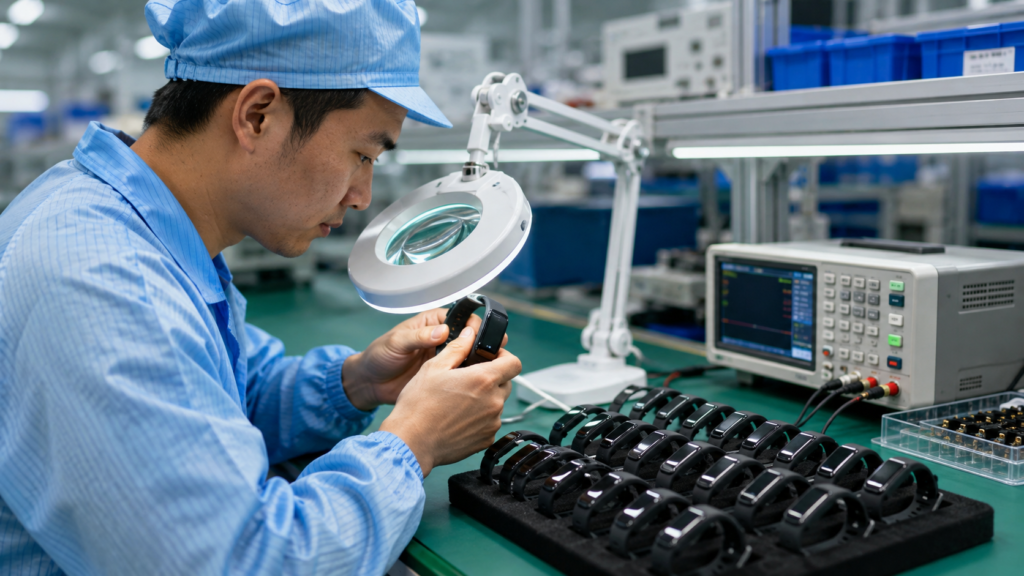
How Distributors Can Evaluate AI Translators for Southeast Asia: 7 Steps to a Smarter Supply Chain
When sourcing AI translators for Southeast Asia, distributors should evaluate suppliers on five core criteria: real-time translation accuracy across regional languages, offline functionality, device durability, certification for target markets, and OEM/ODM flexibility. A structured 7-step evaluation reduces risk and ensures you select a partner capable of supporting your distribution channels.
Table of Contents
Table of Contents
This guide provides a framework to assess AI translator suppliers, compare specifications, and make informed procurement decisions for markets like Indonesia, Thailand, Vietnam, and the Philippines.
AI translators for Southeast Asia: Table of Contents
- Short Answer
- Key Takeaways
- Key Facts for Buyers
- What Are AI Translators and Why Do They Matter for Distributors?
- Step 1: Define Your Target Market and Use Cases
- Step 2: Evaluate Translation Accuracy and Language Coverage
- Step 3: Assess Hardware Design and Durability
- Step 4: Understand Software, Connectivity, and Data Privacy
- Step 5: Verify Certifications and Compliance for Southeast Asia
- Step 6: Evaluate OEM/ODM Capabilities and Customization
- Step 7: Plan MOQ, Pricing, and Logistics
- Comparison Table: AI Translator Specifications
- Common Mistakes and Buyer Red Flags
- Practical Buyer Checklist
- FAQ
- Conclusion
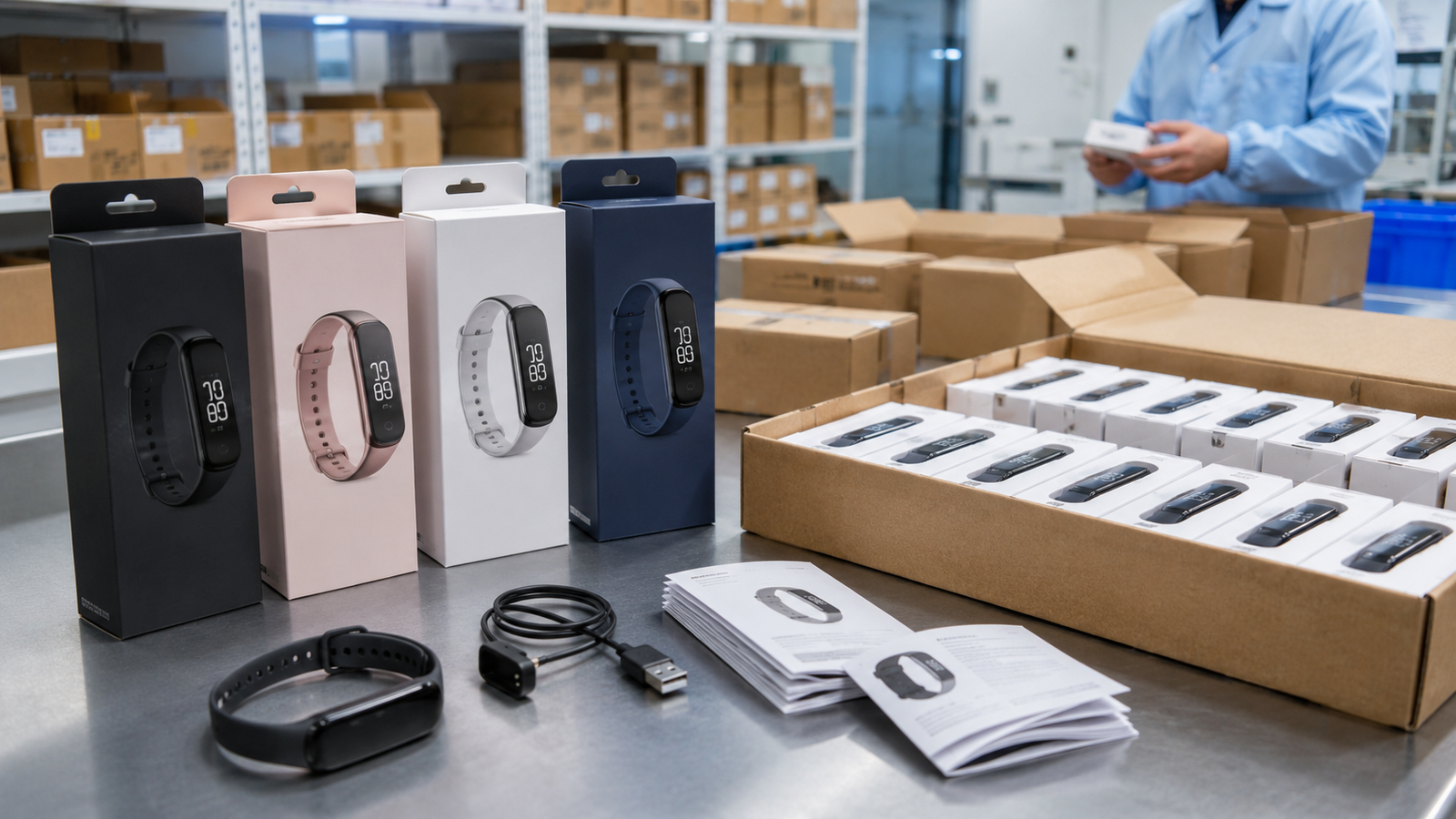
Short Answer
Distributors sourcing AI translators for Southeast Asia should prioritize suppliers that offer proven accuracy in regional languages, offline translation capability, rugged hardware, and necessary certifications. A structured evaluation of 7 key areas—use case, accuracy, hardware, software, compliance, customization, and logistics—helps mitigate risks and select a reliable partner.
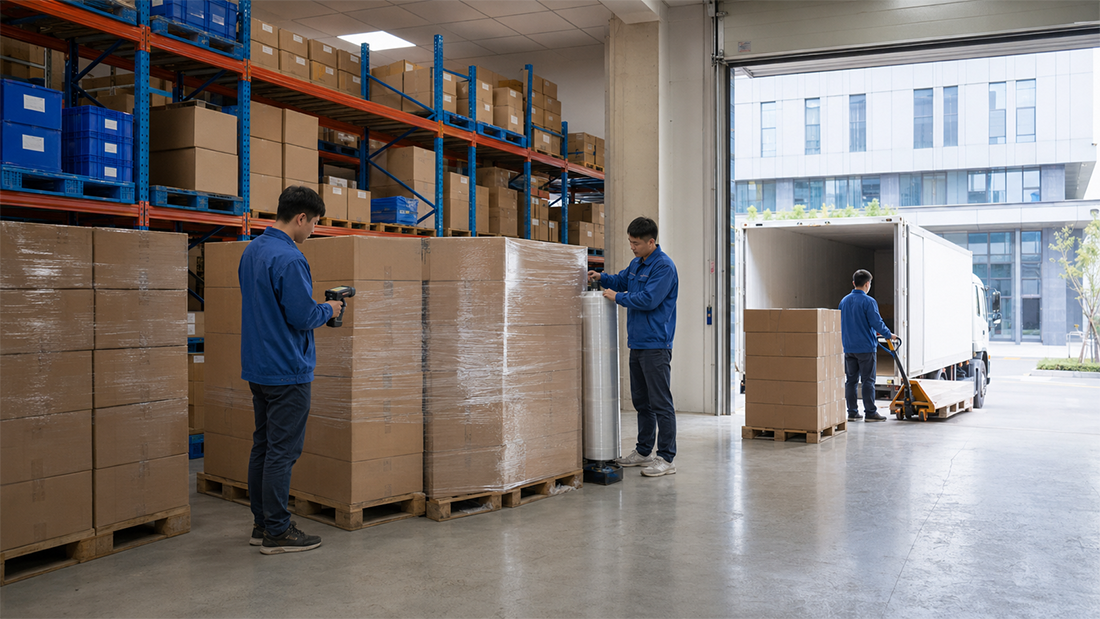
Key Takeaways
- Evaluate AI translators based on regional language support, offline functionality, and durability for Southeast Asian markets.
- Certification requirements vary by country; verify supplier claims and request test reports.
- OEM/ODM flexibility and clear MOQ terms are critical for distributors seeking differentiation.
- Factor in total landed cost and logistics, especially for lithium battery devices.
- Use a structured checklist to compare suppliers objectively and avoid common pitfalls.
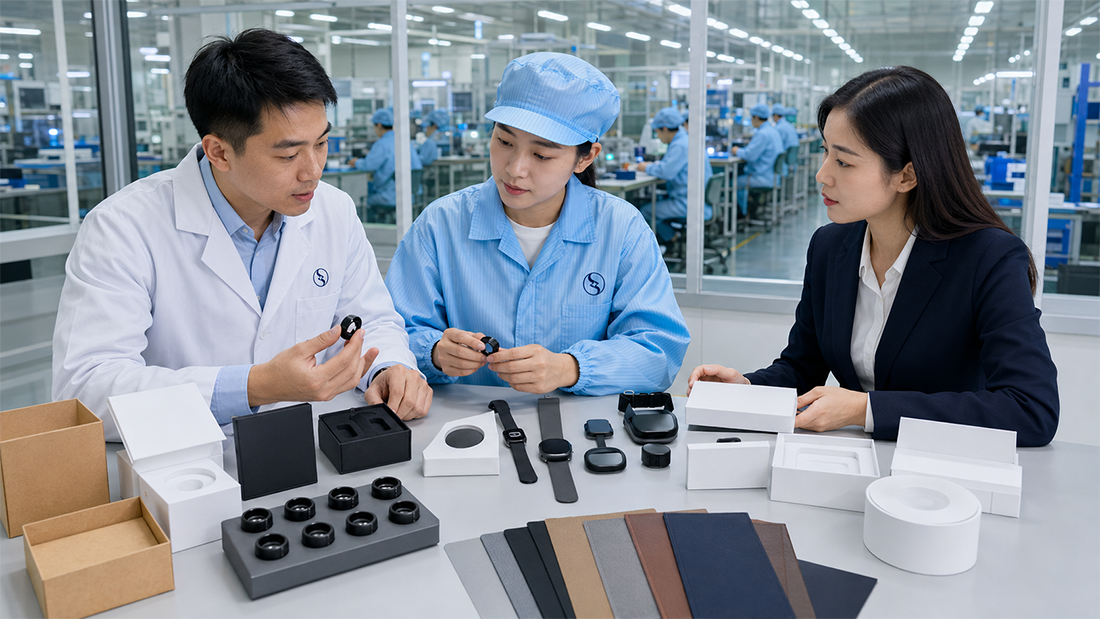
Key Facts for Buyers
| Factor | What to Look For | Why It Matters |
|---|---|---|
| Language Support | Major SEA languages (Indonesian, Thai, Vietnamese, etc.) with high accuracy | Ensures usability across target markets |
| Offline Translation | On-device models for key languages | Reliability in areas with poor connectivity |
| Hardware Durability | IP rating, drop resistance, battery life | Withstands daily use in varied environments |
| Certifications | CE, FCC, RoHS, UN38.3, and local telecom approvals | Legal compliance and market access |
| OEM/ODM Options | Logo, packaging, app customization | Brand differentiation and channel control |
| MOQ & Lead Time | Clear terms, scalability | Inventory planning and cash flow management |
| Landed Cost | Product cost + shipping + duties + taxes | True profitability assessment |
What Are AI Translators and Why Do They Matter for Distributors?
AI translators are portable devices that use speech recognition and machine translation to enable real-time conversation across languages. For distributors in Southeast Asia, they address a growing need for cross-border communication in tourism, business, and education. The region’s linguistic diversity—over 1,000 languages—makes reliable translation devices valuable.
As a distributor, you need to evaluate not only the technology but also the supplier’s ability to deliver consistent quality and support your market entry strategy. This guide walks you through a 7-step evaluation process.
Step 1: Define Your Target Market and Use Cases
Southeast Asia comprises diverse markets with different language needs and purchasing power. Identify which countries you will target and the primary use cases: tourism, business travel, healthcare, or education. For example, a device supporting Indonesian and Thai may be critical for Indonesia and Thailand, while Vietnamese is key for Vietnam.
Consider offline functionality: in areas with unreliable internet, on-device translation is a must. Also, assess the competitive landscape and price expectations to position your product effectively.
Step 2: Evaluate Translation Accuracy and Language Coverage
Accuracy is paramount. Request a demo unit and test translation quality for your target languages. Check for latency, error rates, and naturalness. For AI translators for Southeast Asia, ensure support for major languages like Indonesian, Thai, Vietnamese, Filipino, and Malay. Also, consider dialect variations.
Ask suppliers about their translation engine: is it proprietary or third-party? How often is the model updated? What is the process for adding new languages? Reliable suppliers will provide transparent information and may offer customization for specific vocabularies (e.g., medical or legal terms).
Step 3: Assess Hardware Design and Durability
The device must withstand daily use in humid, tropical climates and occasional drops. Look for IP ratings (e.g., IP54 or higher) for dust and water resistance. Battery life should last at least a full day of typical use. Check screen readability under sunlight and button ergonomics.
Request samples and perform drop tests from 1 meter onto concrete. Evaluate build quality: materials, fit and finish, and port durability. For distributors, a rugged design reduces returns and enhances brand reputation.
Step 4: Understand Software, Connectivity, and Data Privacy
AI translators rely on software for translation and connectivity (Wi-Fi, cellular, or Bluetooth). Evaluate ease of use: interface intuitiveness, setup process, and app integration. For markets with limited connectivity, offline mode is essential.
Data privacy is a growing concern. Ask where translation data is processed and stored. Does the device comply with local data protection laws? (e.g., Indonesia’s PDP Law, Thailand’s PDPA). Suppliers should provide clear documentation on data handling.
Step 5: Verify Certifications and Compliance for Southeast Asia
Certification requirements vary by country. Common requirements include CE (for EU), FCC (for US), RoHS (hazardous substances), and UN38.3 (lithium battery transport). For Southeast Asia, check specific telecom approvals: Indonesia (SDPPI), Thailand (NBTC), Vietnam (MIC), and Philippines (NTC). Additionally, some countries require local language labeling.
Request copies of certificates and test reports from the supplier. Verify their authenticity and confirm they cover the exact model you plan to import. Do not accept claims without evidence. FCC and IEC standards provide a baseline for quality and safety.
Step 6: Evaluate OEM/ODM Capabilities and Customization
Distributors often require customization to build brand loyalty and differentiate from competitors. Check if the supplier offers logo printing, custom packaging, and app branding. For deeper customization, ask about firmware modifications to include your preferred languages or features.
Clarify intellectual property ownership: who owns the tooling and designs? Ensure you have agreements in place. STAR KING provides private label and OEM/ODM solutions for AI translators, allowing distributors to tailor devices to their market.
Step 7: Plan MOQ, Pricing, and Logistics
Discuss minimum order quantities (MOQ) and pricing tiers. MOQ may depend on customization level. For initial market testing, negotiate a lower MOQ for standard products. Understand lead times: standard products may ship in 15-30 days, while customized orders may take 45-60 days.
Calculate total landed cost: product cost + shipping (especially for lithium batteries) + import duties + taxes. For Southeast Asia, consider shipping by air or sea and required documentation for lithium batteries (MSDS, UN38.3).
Comparison Table: AI Translator Specifications
| Feature | Basic Model | Advanced Model | Premium Model |
|---|---|---|---|
| Languages Supported | 40+ | 80+ | 100+ |
| Offline Translation | 5 languages | 10 languages | 20 languages |
| Battery Life | 8 hours | 12 hours | 16 hours |
| Connectivity | Wi-Fi only | Wi-Fi + 4G | Wi-Fi + 4G + Bluetooth |
| Durability | IP54 | IP55 | IP67 |
| Customization | Logo | Logo + Packaging | Full ODM |
| MOQ | 500 units | 1000 units | 2000 units |
Common Mistakes and Buyer Red Flags
- Overlooking language accuracy: Test with real conversations, not just sample phrases.
- Ignoring local certifications: Lack of required approvals can lead to customs seizures.
- Underestimating logistics: Lithium batteries require special handling; factor in cost and time.
- Accepting vague MOQ terms: Get written commitments on MOQ, lead times, and penalties.
- Red flags: Supplier reluctance to provide test reports, unclear IP ownership, or unrealistic lead times.
Practical Buyer Checklist
- Define target countries and languages.
- Request samples and test translation accuracy.
- Verify certifications for each target market.
- Assess hardware durability (drop test, IP rating).
- Clarify data privacy and software update policies.
- Negotiate OEM/ODM terms and IP ownership.
- Confirm MOQ, lead times, and total landed cost.
- Check supplier references and past export experience.
Buyers can also review STAR KING AI Translators OEM/ODM options to compare product positioning, customization scope, and sample planning.
FAQ
What languages should an AI translator support for Southeast Asia?
At minimum, Indonesian, Thai, Vietnamese, Filipino, and Malay. Additional languages like Khmer or Lao can be advantageous for specific markets.
How can I verify a supplier’s certifications?
Request copies of certificates and test reports directly from the supplier, and verify with issuing authorities or accredited labs where possible.
What is a typical MOQ for AI translators?
MOQ varies by supplier and customization. Standard models may have MOQ of 500-1000 units; customized orders may require 2000+ units.
How long does shipping take to Southeast Asia?
Air freight: 5-10 days; sea freight: 15-30 days, depending on destination and customs clearance.
Can I customize the device with my brand?
Yes, many suppliers offer logo, packaging, and app customization. Confirm IP ownership and minimum order quantities for customization.
What are the key risks when sourcing AI translators?
Risks include inaccurate translations, non-compliance with local regulations, poor build quality, and logistics delays. Mitigate by testing samples and verifying certifications.
How do I assess translation accuracy?
Conduct real-world tests with native speakers in various scenarios (e.g., business meetings, casual conversations) and compare against known benchmarks.
Conclusion
Evaluating AI translators for Southeast Asia requires a systematic approach covering market needs, technical specifications, compliance, and supplier reliability. By following the 7 steps outlined, distributors can minimize risks and select a partner that supports their growth. STAR KING offers AI translator solutions with OEM/ODM flexibility, ready to support your distribution strategy.
Ready to Evaluate AI Translators for Your Market?
Request product samples and discuss customization options with our team to see how STAR KING can meet your distribution needs. Request samples or a quotation today.
Note: Certification requirements depend on specific product configurations and target markets; buyers should verify all compliance details.
Discuss Your Smart Wearable OEM/ODM Project
Planning a smart ring, smart watch, smart band, AI glasses, AI translator, or AI voice mouse project? Contact STAR KING to discuss product positioning, sample testing, customization scope, certification requirements, lead time, and quotation details.

Team Star King

Scan WhatsApp QR code
Leave a Reply