
AI Translators for Amazon Sellers in Southeast Asia: 7 Critical Steps for a Profitable Private Label Launch
November 5, 2026 · Team Star King
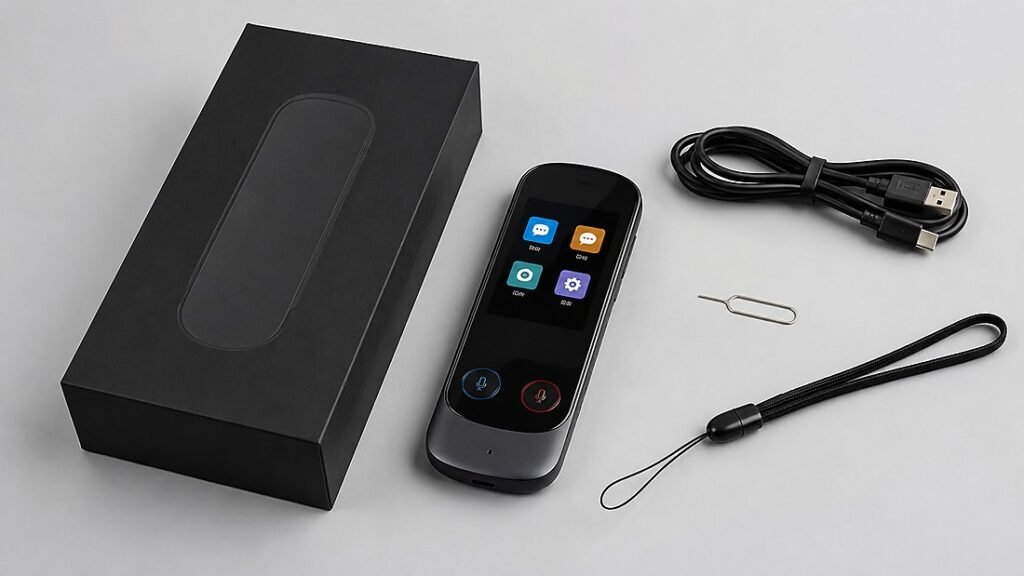
AI Translators for Amazon Sellers in Southeast Asia: 7 Critical Steps for a Profitable Private Label Launch
If you are an Amazon seller targeting Southeast Asia, AI translators offer a high-demand, high-margin opportunity. But success requires more than picking a product; it demands a strategic approach to sourcing, certification, and market fit. This guide provides a 7-step framework to help you launch a profitable private label AI translator business in Southeast Asia, covering everything from supplier evaluation to logistics and after-sales support. By following these steps, you can avoid common pitfalls and build a sustainable brand in this fast-growing region.
Table of Contents
Table of Contents
AI translators for Amazon sellers: Table of Contents
- Step 1: Understand the Southeast Asian Market for AI Translators
- Step 2: Define Your Target Audience and Use Cases
- Step 3: Source the Right AI Translator Supplier
- Step 4: Navigate Certifications and Compliance for Southeast Asia
- Step 5: Plan Your Private Label Customization
- Step 6: Optimize Logistics and Fulfillment
- Step 7: Build a Post-Sale Strategy for Reviews and Retentions
- Common Mistakes to Avoid
- Buyer Checklist
- FAQ
Short Answer
To succeed with AI translators for Amazon sellers in Southeast Asia, focus on sourcing from a reliable OEM/ODM manufacturer with proven experience in the region, ensure compliance with local certifications (such as SIRIM in Malaysia or TISI in Thailand), customize software and packaging for local languages, and plan for efficient logistics to keep costs low. Prioritize quality control and after-sales support to build trust and earn positive reviews.
Key Takeaways
- Southeast Asia’s multilingual population drives demand for AI translators, but success requires localized strategies.
- Choose a manufacturer with OEM/ODM capabilities and experience with Southeast Asian certifications.
- Private label customization—including language support and packaging—is critical for brand differentiation.
- Compliance with local regulations (e.g., SIRIM, TISI) and battery shipping rules (UN38.3) is non-negotiable.
- Plan for realistic MOQs, lead times, and logistics to avoid stockouts and excess costs.
- Implement a robust quality control process and after-sales strategy to reduce returns and boost reviews.

Key Facts for Buyers
| Consideration | Details for AI Translators in Southeast Asia |
|---|---|
| Popular target countries | Indonesia, Thailand, Vietnam, Philippines, Malaysia, Singapore |
| Key languages to support | Indonesian, Thai, Vietnamese, Filipino, Malay, English, Mandarin |
| Typical certifications | SIRIM (Malaysia), TISI (Thailand), MIC (Vietnam), FCC/CE for global |
| Battery shipping requirements | UN38.3 test summary, MSDS, and proper labeling for air freight |
| Common MOQs from Chinese OEMs | 500–1,000 units for private label (varies by customization) |
| Lead times | 30–60 days after sample approval and deposit |
| Average landed cost | Depends on features, but budget $30–$60 per unit for mid-range devices |
Step 1: Understand the Southeast Asian Market for AI Translators
Southeast Asia is a diverse region with over 600 million people and hundreds of languages. Business travelers, tourists, and locals increasingly rely on translation tools for communication. While smartphone apps are common, dedicated AI translators offer advantages: longer battery life, offline translation, and specialized features like noise-canceling microphones. Amazon customers in the region value portability, accuracy, and support for local languages.
Market research is essential. Identify which countries you plan to target and what languages are most needed. For example, Indonesia has a huge population but lower average spending power, while Singapore offers higher margins but smaller volume. Use Amazon’s Best Sellers and customer reviews to gauge demand and pain points.
Step 2: Define Your Target Audience and Use Cases
Your product’s success depends on solving a specific problem. Consider these use cases:
- Business professionals: Need accurate translation for meetings and negotiations, often requiring support for English, Mandarin, and local languages.
- Travelers: Want a pocket-sized device with offline translation for common phrases and long battery life.
- Students: Look for affordable devices to help with language learning and international studies.
- Healthcare workers: May require specialized vocabulary and confidentiality features.
Your chosen use case will influence product specifications, marketing messages, and pricing. For instance, a business-focused device might include dual microphones and a larger screen, while a travel device might prioritize durability and offline capabilities.
Step 3: Source the Right AI Translator Supplier
Finding a reliable supplier is critical. Look for manufacturers with:
- OEM/ODM experience: Proven ability to customize hardware and software.
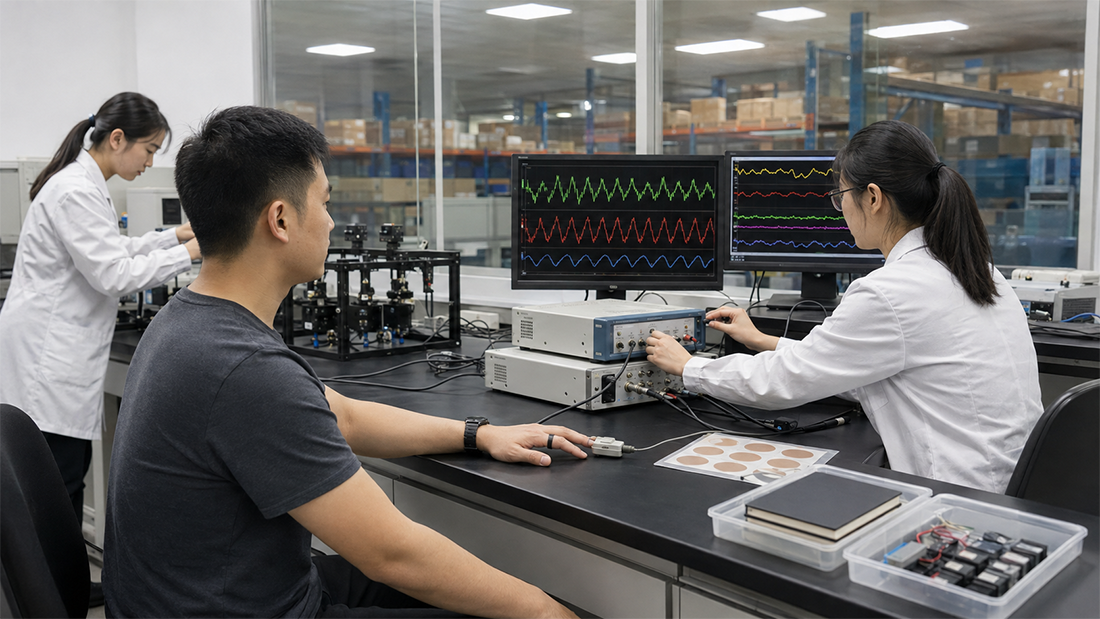
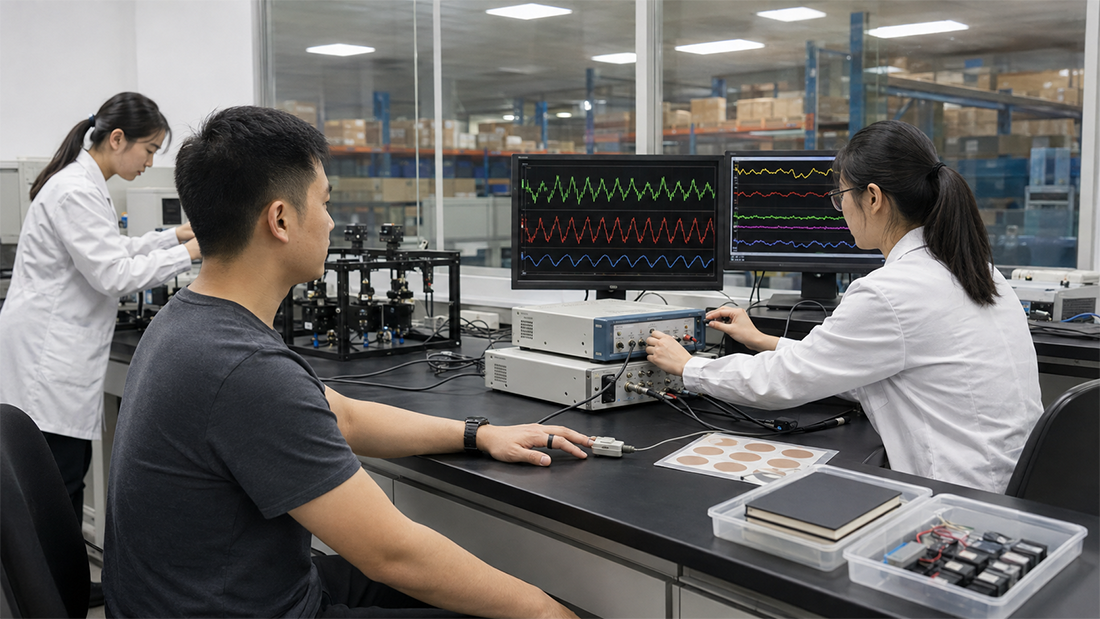
- Quality certifications: ISO 9001, and product-specific certifications like CE, FCC, RoHS.
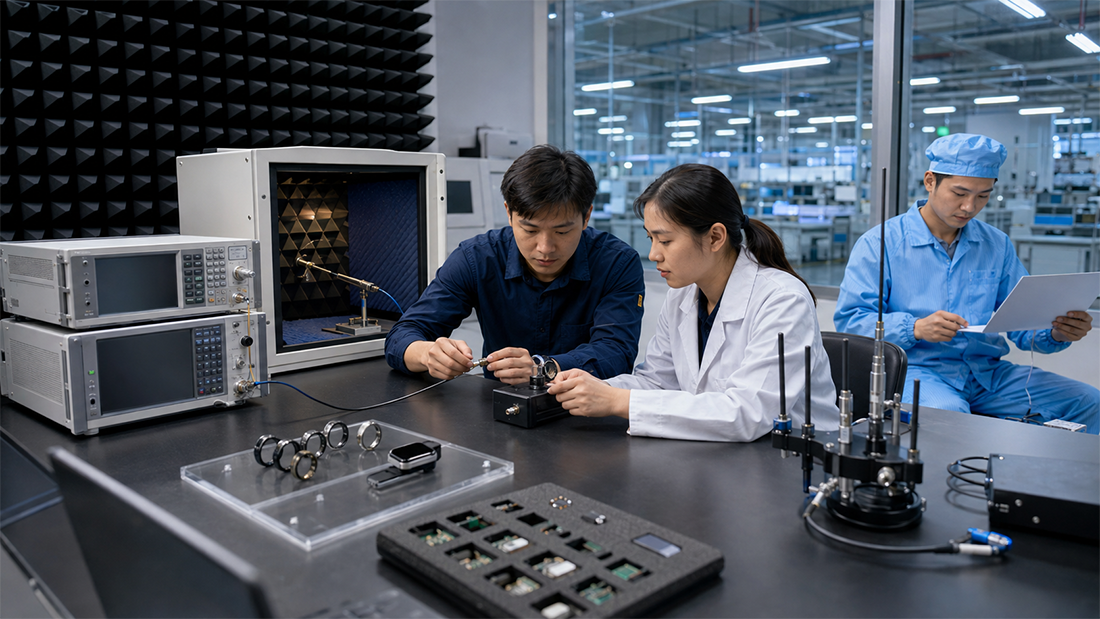
- Battery safety: Compliance with UN38.3 and MSDS for lithium batteries.
- Software expertise: Ability to integrate translation engines and customize the user interface.
- Communication: Responsive English-speaking support and clear documentation.
Request samples and evaluate translation accuracy, build quality, and battery life. Check references from other Amazon sellers if possible. STAR KING, for example, offers AI translators with OEM/ODM services, allowing you to customize language packs, branding, and packaging.
Step 4: Navigate Certifications and Compliance for Southeast Asia
Each Southeast Asian country has its own certification requirements. Common ones include:
- Malaysia: SIRIM certification for electrical products.
- Thailand: TISI certification for certain electronics.
- Vietnam: MIC certification for telecom and IT equipment.
- Indonesia: SDPPI for wireless devices.
- Singapore: IMDA for telecom equipment.
Additionally, lithium batteries require UN38.3 testing and MSDS documentation for shipping. Work with your supplier to ensure all necessary certifications are obtained before shipping. The FCC and CE marks may be accepted in some cases, but local certifications are often mandatory. Verify with a local compliance expert or the relevant authority.
Step 5: Plan Your Private Label Customization
Private label allows you to build brand equity. Customization options include:
- Logo and packaging: Your brand on the device and box, plus custom inserts and manuals.
- Software and UI: Pre-installed language packs, branded splash screens, and possibly a companion app.
- Accessories: Custom cables, cases, or lanyards.
Discuss MOQs for each customization with your supplier. Typically, higher MOQs apply to custom tooling or packaging. Plan for a realistic budget and timeline. Ensure your supplier can provide pre-production samples for approval.
Step 6: Optimize Logistics and Fulfillment
Southeast Asia’s geography and infrastructure vary, so logistics planning is crucial. Consider:
- Shipping methods: Air freight for faster restocking, sea freight for cost savings on larger orders.
- FBA vs. 3PL: Amazon FBA is available in some countries (e.g., Singapore), but you may need third-party logistics for others.
- Battery shipping: Lithium batteries are classified as dangerous goods; comply with IATA regulations and ensure proper labeling.
- Landed cost: Calculate import duties, taxes, and shipping fees to set a profitable price.
Use a freight forwarder experienced in shipping electronics to Southeast Asia. Keep buffer stock to avoid stockouts during peak seasons.
Step 7: Build a Post-Sale Strategy for Reviews and Retentions
Amazon success hinges on reviews. Provide excellent customer service:
- Warranty: Offer a clear warranty (e.g., 12 months) and honor it.
- Support: Respond to inquiries within 24 hours and provide troubleshooting guides.
- Spare parts: Stock common replacements like chargers or earphones.
- Software updates: Ensure your supplier can provide firmware updates to fix bugs or add languages.
Encourage satisfied customers to leave reviews, but never incentivize them. Use feedback to improve your product and listings.
At this stage, you may want to discuss customization options with a manufacturer. Explore STAR KING’s private label solutions for AI translators tailored to your brand.
Common Mistakes to Avoid
- Ignoring local certifications: Selling without required certifications can lead to customs seizures or fines.
- Underestimating language support: Missing key local languages reduces product appeal.
- Choosing a supplier without OEM experience: Leads to poor customization and quality issues.
- Skipping sample testing: Always test translation accuracy and battery life before bulk orders.
- Overlooking battery shipping rules: Non-compliant shipments may be rejected, causing delays.
- Setting unrealistic MOQs: High MOQs strain cash flow; negotiate with suppliers.
- Neglecting after-sales: Poor support leads to negative reviews and returns.
Buyer Checklist
- ☐ Identify target countries and required languages.
- ☐ Research local certification requirements.
- ☐ Shortlist suppliers with OEM/ODM capabilities and battery compliance.
- ☐ Request samples and test translation accuracy, battery life, and build quality.
- ☐ Confirm MOQs, lead times, and customization costs.
- ☐ Verify certifications (SIRIM, TISI, etc.) and UN38.3/MSDS for batteries.
- ☐ Plan packaging and software customization.
- ☐ Calculate landed cost and set competitive pricing.
- ☐ Arrange logistics and fulfillment (FBA or 3PL).
- ☐ Establish warranty and after-sales support.
FAQ
1. What is the typical MOQ for private label AI translators from Chinese manufacturers?
MOQs vary by supplier and customization. Standard models may require 500 units, while custom tooling could push MOQs to 1,000 units or more. Negotiate based on your order volume and long-term potential.
2. Which certifications are mandatory for selling AI translators on Amazon in Southeast Asia?
It depends on the country. For example, Malaysia requires SIRIM for electrical products, Thailand requires TISI for certain electronics, and Indonesia requires SDPPI for wireless devices. Always check with local authorities or a compliance consultant.
3. How long does shipping take from China to Southeast Asia?
Air freight typically takes 5–10 days, while sea freight can take 2–4 weeks, depending on the destination port and customs clearance. Plan for additional time during peak seasons.
4. Can I customize the translation languages and software interface?
Yes, most OEM/ODM suppliers offer software customization, including pre-installed language packs and branded UI. Discuss your requirements and test samples to ensure accuracy.
5. What are the common pitfalls when sourcing AI translators for Amazon?
Common pitfalls include ignoring local certifications, underestimating language support, choosing suppliers without OEM experience, and overlooking battery shipping regulations. Thorough due diligence and sample testing mitigate these risks.
6. How can I ensure product quality and reduce returns?
Implement a quality control process: request pre-production samples, conduct pre-shipment inspections, and ensure the supplier has a robust QC system. Also, provide clear user guides and responsive customer support.
7. What is the best way to handle after-sales service and warranty in Southeast Asia?
Offer a clear warranty (e.g., 12 months) and set up a local return address or partner with a 3PL for returns. Stock spare parts and provide troubleshooting guides to minimize downtime.
Conclusion
Launching a private label AI translator on Amazon in Southeast Asia is a promising venture, but it requires careful planning and execution. By following these seven steps, you can navigate the complexities of sourcing, certification, and logistics, and build a brand that resonates with local customers. Remember to prioritize quality, compliance, and customer satisfaction to stand out in a competitive market.
Ready to Start Your AI Translator Journey?
Whether you need product samples, a quotation, or a discussion about your OEM/ODM project, our team is here to help. Request a quote today and take the first step toward a successful Amazon launch in Southeast Asia.
Discuss Your Smart Wearable OEM/ODM Project
Planning a smart ring, smart watch, smart band, AI glasses, AI translator, or AI voice mouse project? Contact STAR KING to discuss product positioning, sample testing, customization scope, certification requirements, lead time, and quotation details.

Team Star King

Scan WhatsApp QR code
Leave a Reply