
AI Voice Mouse for Education Technology Companies in the Middle East: A 7-Step OEM Procurement Guide for 2026
November 4, 2026 · Team Star King
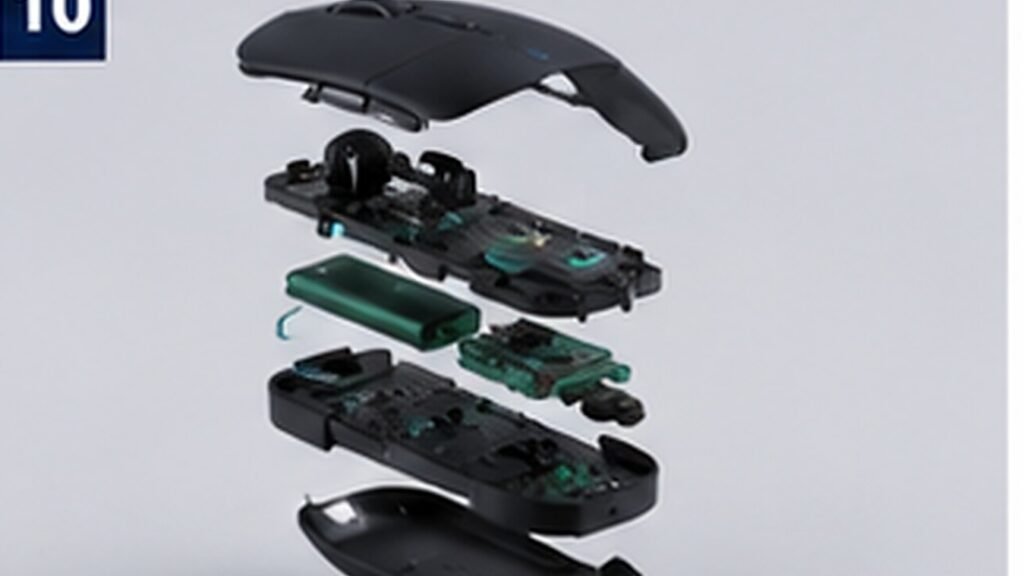
AI Voice Mouse for Education Technology Companies in the Middle East: A 7-Step OEM Procurement Guide for 2026
If you are an education technology company in the Middle East looking to integrate an AI voice mouse into your classroom or remote learning solutions, this 7-step procurement guide explains how to evaluate suppliers, customize the hardware, navigate compliance, and manage MOQ, lead times, and costs. The AI voice mouse combines a traditional pointing device with voice input, real-time translation, and productivity shortcuts, making it a practical tool for multilingual education environments. This guide is written for B2B buyers who need to move from specification to purchase order with confidence.
Table of Contents
Table of Contents
Short Answer: To source an AI voice mouse for education in the Middle East, select an OEM/ODM manufacturer with experience in AI hardware, confirm customization options (firmware, app, logo, packaging), verify compliance for your target countries, validate samples, and plan MOQ and lead times. Expect typical lead times of 4–8 weeks for production after sample approval, depending on customization depth. MOQ often starts at 500–1,000 units for private label programs, but buyers should verify with the supplier.
AI voice mouse for education: Table of Contents
- Step 1: Define Your Use Case and Feature Priorities
- Step 2: Screen Suppliers for AI Hardware OEM/ODM Capability
- Step 3: Understand Customization Options and Trade-offs
- Step 4: Plan for Compliance and Certification in the Middle East
- Step 5: Validate Samples and Run Pilot Tests
- Step 6: Negotiate MOQ, Pricing, and Lead Times
- Step 7: Finalize Packaging, Logistics, and After-Sales Support
- Comparison Table: Customization Levels
- Common Mistakes and Buyer Red Flags
- Practical Buyer Checklist
- FAQ
- Conclusion
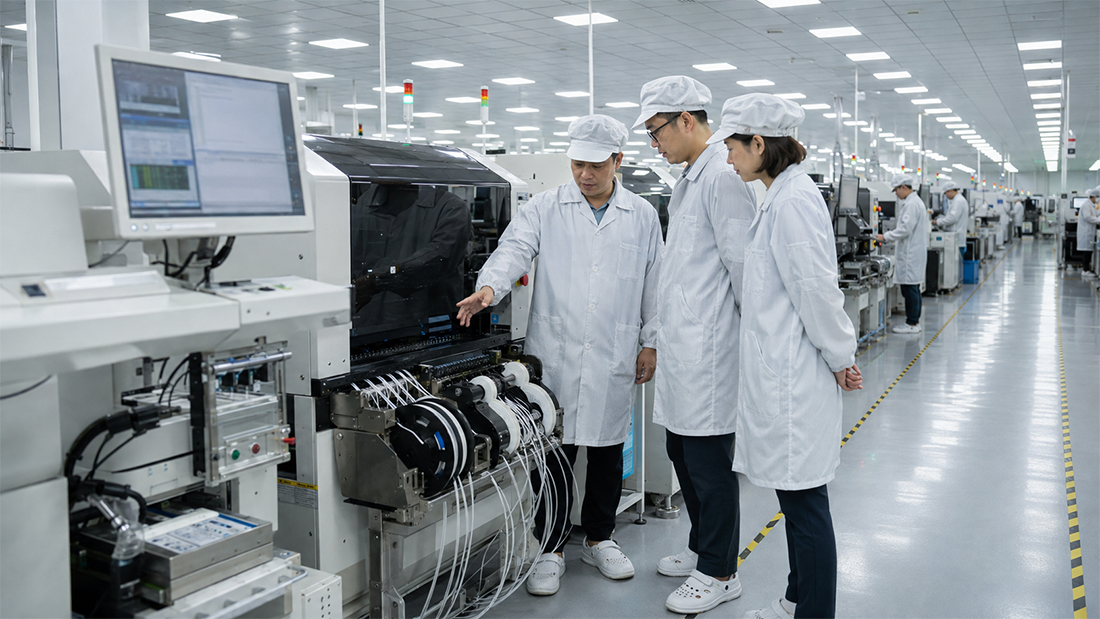
Key Takeaways
- Start with a clear use case: translation, voice-to-text, or classroom control.
- Evaluate suppliers on their firmware and app customization capabilities, not just hardware.
- Compliance in the Middle East varies by country; verify CE, FCC, and local requirements.
- Sample testing is critical for voice recognition accuracy and latency.
- MOQ and lead times are negotiable but depend on customization complexity.
- Plan packaging and logistics early, especially for lithium battery shipping.
- Secure after-sales support and spare parts availability.
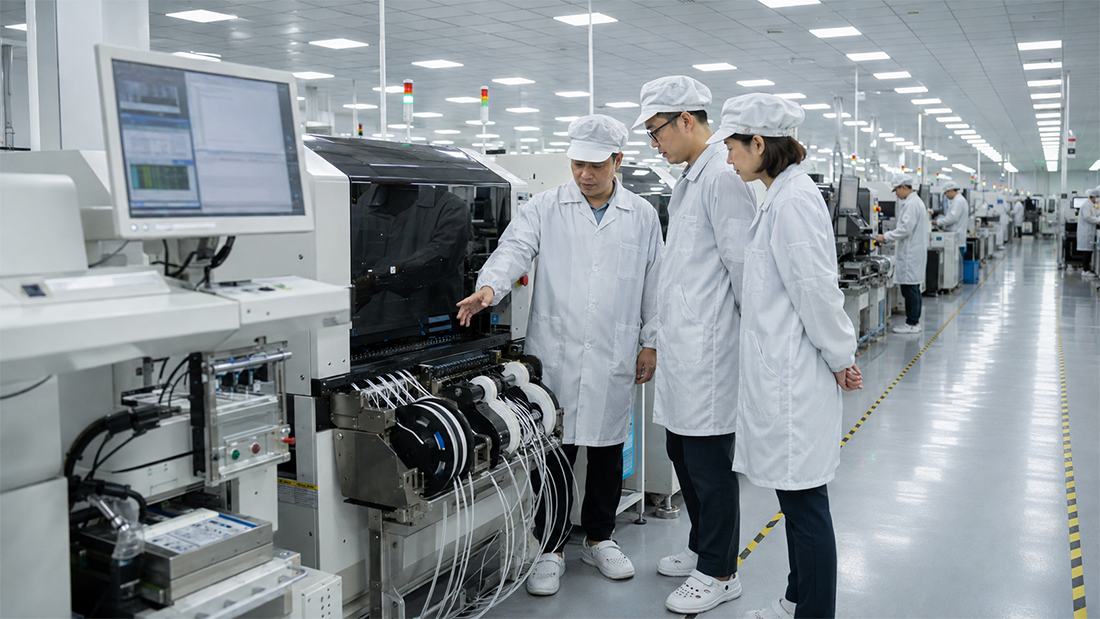
Key Facts for Buyers
| Factor | Typical Range | Notes |
|---|---|---|
| MOQ | 500–1,000 units | Depends on customization; [STAR KING TO CONFIRM] |
| Lead Time | 4–8 weeks | After sample approval; [STAR KING TO CONFIRM] |
| Sample Time | 7–15 days | For standard models; custom firmware may take longer |
| Certification | CE, FCC, RoHS | Additional local approvals may apply |
| Customization | Logo, packaging, firmware, app | Firmware and app require NRE |
| Battery Shipping | UN38.3, MSDS | Required for lithium battery products |
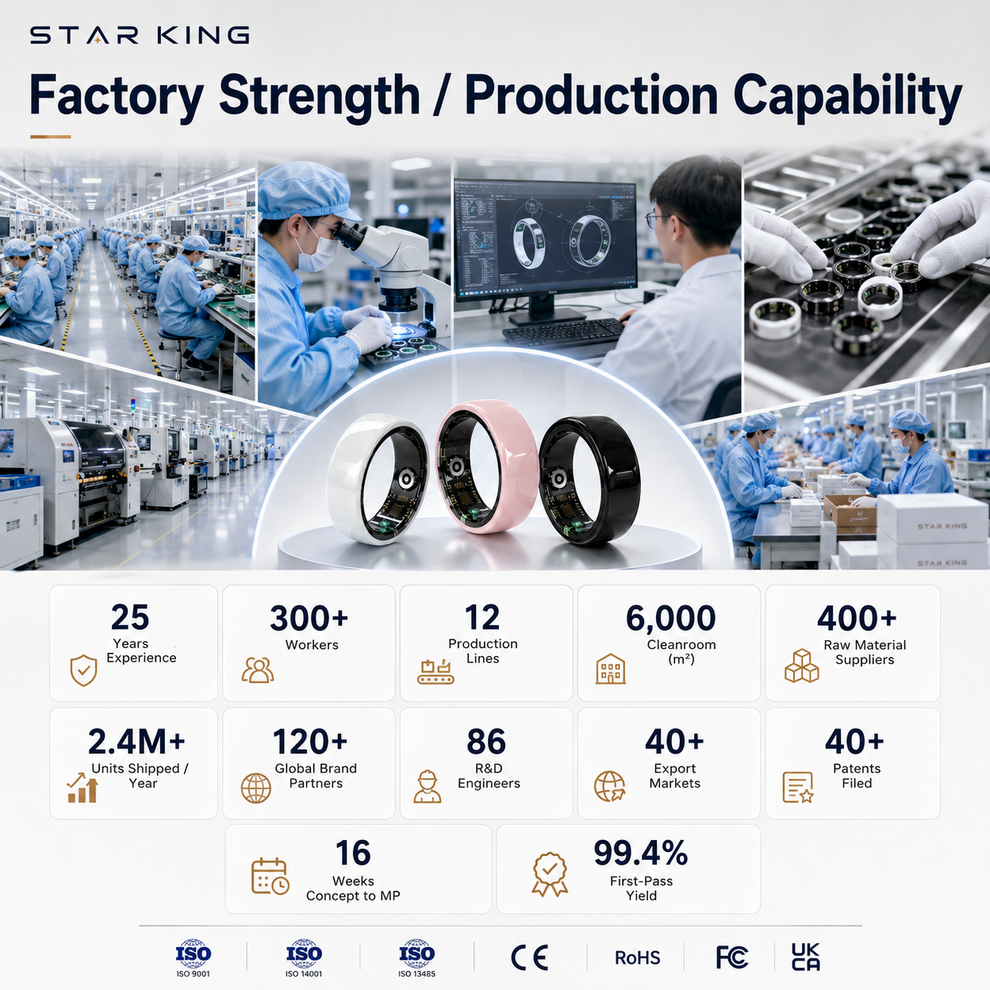
Step 1: Define Your Use Case and Feature Priorities
Before contacting suppliers, clarify how the AI voice mouse will be used. Education technology companies in the Middle East often need:
- Real-time translation for multilingual classrooms (Arabic, English, French).
- Voice-to-text for note-taking and accessibility.
- Voice commands for controlling presentations or learning software.
- Integration with learning management systems (LMS) via API or app.
Rank these features by importance. This will guide your supplier discussions and help you avoid paying for unnecessary capabilities. For example, if translation accuracy is paramount, prioritize suppliers with strong NLP partnerships. If ease of deployment matters, focus on plug-and-play USB receivers and driverless installation.
Step 2: Screen Suppliers for AI Hardware OEM/ODM Capability
Not all mouse manufacturers can deliver AI voice functionality. Look for suppliers with demonstrated experience in AI hardware, firmware development, and app integration. Request the following from potential partners:
- Existing AI voice mouse models or reference designs.
- Details on their voice recognition engine and supported languages.
- Firmware customization process and typical turnaround.
- App development capabilities (iOS, Android, Windows).
- Quality control and testing procedures.
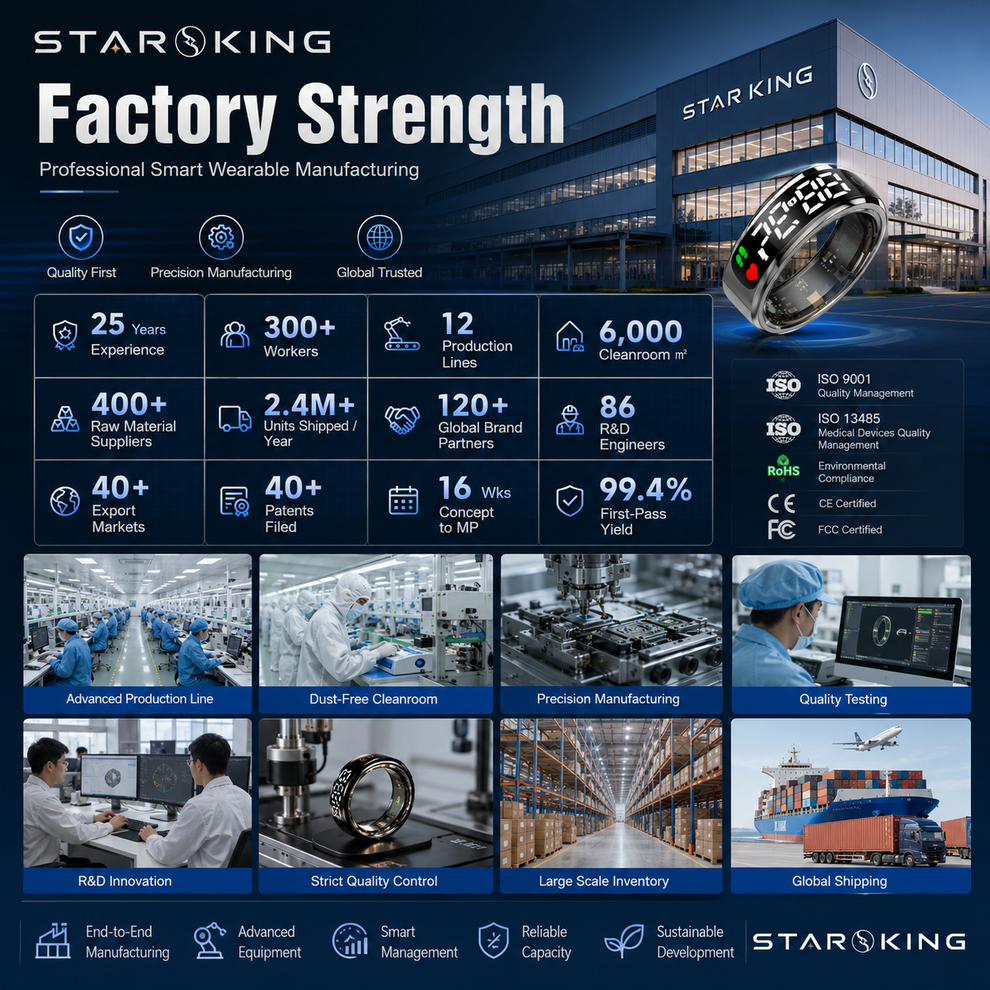
STAR KING offers AI voice mouse solutions with OEM/ODM options. Their AI office productivity solutions include customization for education and corporate environments.
Soft CTA: If you are evaluating AI voice mouse suppliers, you can request a sample and discuss your customization needs with STAR KING’s engineering team.
Step 3: Understand Customization Options and Trade-offs
Customization can range from simple logo printing to full firmware and app development. Each level affects cost, MOQ, and lead time. The table below outlines typical options.
| Customization Level | Options | Impact on MOQ/Lead Time | Typical Use Case |
|---|---|---|---|
| Basic | Logo on device, standard packaging | Low MOQ, short lead time | Quick market entry |
| Intermediate | Custom packaging, user manual, software splash screen | Moderate MOQ increase | Brand building |
| Advanced | Firmware customization, app branding, API integration | Higher MOQ, longer lead time, NRE fees | Differentiated product |
| Full ODM | New industrial design, custom PCB, dedicated app | High MOQ, significant development time | Unique solution |
Consider your budget and timeline. For education technology companies, intermediate customization often provides a good balance between branding and cost.
Step 4: Plan for Compliance and Certification in the Middle East
Compliance requirements vary by country. Common certifications for electronics in the Middle East include CE (Europe, often accepted), FCC (US, sometimes referenced), and local approvals such as SASO in Saudi Arabia or ESMA in the UAE. Additionally, products with lithium batteries require UN38.3 and MSDS for shipping.
Ask suppliers for:
- Test reports for CE, FCC, RoHS.
- UN38.3 and MSDS for the battery.
- Country-specific certificates if available.
Buyers should verify with local authorities or import brokers. STAR KING can provide documentation for their AI voice mouse, but final compliance responsibility rests with the importer. Private label OEM/ODM solutions often include support for certification documentation.
For official reference, see the FCC website and the IEC for standards.
Step 5: Validate Samples and Run Pilot Tests
Never skip sample testing. Order samples from 2–3 suppliers and test them in real classroom scenarios. Key tests include:
- Voice recognition accuracy with different accents and background noise.
- Translation quality for Arabic-English pairs.
- Latency between speech and text output.
- Compatibility with common education software (e.g., Microsoft Teams, Zoom, Google Classroom).
- Build quality and ergonomics for extended use.
Run a pilot with a small group of teachers or students. Collect feedback on usability and reliability. This step often reveals issues that spec sheets cannot capture. For more on testing, see STAR KING’s blog.
Step 6: Negotiate MOQ, Pricing, and Lead Times
MOQ and pricing are influenced by customization level, order volume, and component costs. Typical MOQ for private label AI voice mouse ranges from 500 to 1,000 units, but this can be lower for standard models. Lead times for production are usually 4–8 weeks after sample approval and deposit. Custom firmware or app development adds 2–4 weeks.
Negotiation tips:
- Request a detailed quotation breakdown (unit price, tooling, NRE, packaging, shipping).
- Ask about price breaks at higher volumes.
- Clarify payment terms (e.g., 30% deposit, 70% before shipment).
- Confirm lead time in writing and include penalties for delays if critical.
Remember that the lowest price may compromise quality or support. Balance cost with reliability and after-sales service.
Step 7: Finalize Packaging, Logistics, and After-Sales Support
Packaging should reflect your brand and meet local labeling requirements. For the Middle East, consider Arabic and English text, and ensure packaging is durable for shipping. Logistics for lithium battery products require special handling; confirm that the supplier provides UN38.3 and MSDS documents and can ship via a carrier experienced with dangerous goods.
After-sales support is crucial. Clarify:
- Warranty period and terms.
- Availability of spare parts (e.g., USB receivers, batteries).
- Technical support for firmware updates.
- Return and repair process.
A strong after-sales program reduces total cost of ownership and protects your brand reputation.
Comparison Table: Customization Levels for AI Voice Mouse
Use this table to compare typical customization options and their implications.
| Feature | Standard | Private Label | Full ODM |
|---|---|---|---|
| Logo | No | Yes | Yes |
| Packaging | Standard | Custom | Custom |
| Firmware | Standard | Minor tweaks | Full custom |
| App | Generic | Branded | Custom developed |
| MOQ | Low (e.g., 100) | Medium (500–1,000) | High (2,000+) |
| Lead Time | 2–4 weeks | 4–8 weeks | 10–16 weeks |
| NRE | None | Low | High |
Choose the level that aligns with your market entry strategy and budget.
Common Mistakes and Buyer Red Flags
- Ignoring voice recognition accuracy for local accents: Test with native speakers.
- Underestimating compliance: Check country-specific requirements early.
- Over-customizing for first order: Start with private label and scale.
- Not verifying supplier’s AI capabilities: Ask for demos and references.
- Overlooking after-sales: Ensure spare parts and support are available.
- Red flag: Supplier cannot provide test reports for certifications.
- Red flag: Unwillingness to share firmware customization process.
- Red flag: Vague lead times or no written commitment.
Practical Buyer Checklist
- Define use case and feature priorities.
- Screen suppliers for AI hardware experience.
- Request samples and test with local users.
- Confirm compliance requirements for each target country.
- Obtain quotations with clear breakdown.
- Verify MOQ, lead time, and payment terms.
- Check after-sales support and spare parts availability.
- Review packaging and logistics plan.
- Sign contract with quality and delivery clauses.
- Plan pilot rollout before full-scale order.
FAQ
What is the typical MOQ for an AI voice mouse for education?
MOQ often starts at 500–1,000 units for private label, but can be lower for standard models. Confirm with your supplier.
How long does it take to get samples?
Standard samples ship in 7–15 days. Custom firmware may add 2–3 weeks.
Which certifications are needed for the Middle East?
CE and FCC are commonly requested; local approvals like SASO (Saudi Arabia) or ESMA (UAE) may also apply. Verify with local authorities.
Can the AI voice mouse support Arabic?
Many models support multiple languages including Arabic, but accuracy varies. Test with native speakers.
What is the lead time for mass production?
Typically 4–8 weeks after sample approval and deposit, depending on customization.
Do I need to pay for firmware customization?
Yes, advanced firmware changes usually involve a non-recurring engineering (NRE) fee.
How to handle shipping with lithium batteries?
Requires UN38.3 and MSDS documents; work with a logistics provider experienced in dangerous goods.
Conclusion
Sourcing an AI voice mouse for education technology companies in the Middle East requires careful planning. By following these seven steps, you can select a capable supplier, customize the product to your brand, ensure compliance, and manage costs and timelines. Prioritize sample testing and compliance verification to avoid surprises. With the right partner, you can deliver a valuable tool that enhances multilingual learning and productivity.
STAR KING CTA
Ready to discuss your AI voice mouse project? Request a quotation or ask for samples to evaluate fit for your education solution.
Discuss Your Smart Wearable OEM/ODM Project
Planning a smart ring, smart watch, smart band, AI glasses, AI translator, or AI voice mouse project? Contact STAR KING to discuss product positioning, sample testing, customization scope, certification requirements, lead time, and quotation details.

Team Star King

Scan WhatsApp QR code
Leave a Reply