
AI translator suppliers: AI Translators for Healthcare Providers in Southeast Asia: 7 Critical Procurement Checks Before You Issue an RFQ
November 4, 2026 · Team Star King
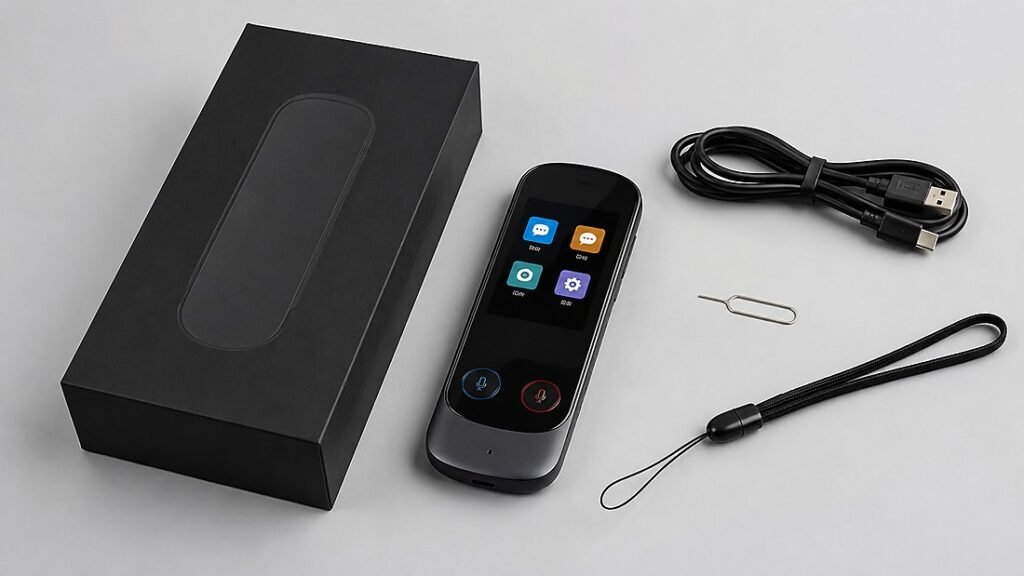
AI translator suppliers buyers need a supplier evaluation process that checks product fit, OEM/ODM capability, compliance documents, quality control, pricing, lead time, and after-sales support before placing a bulk order.
Table of Contents
Table of Contents
AI Translators for Healthcare Providers in Southeast Asia: 7 Critical Procurement Checks Before You Issue an RFQ
When sourcing AI translators for healthcare in Southeast Asia, healthcare solution providers must prioritize devices that ensure accurate real-time translation, comply with local regulations, and integrate seamlessly into clinical workflows. This guide outlines seven essential checks—from language support to battery safety—that procurement teams should verify before issuing a request for quotation (RFQ). By following these steps, you can mitigate risks and select a reliable OEM partner for your medical communication needs.
AI translator suppliers: Table of Contents
- Short Answer
- Key Takeaways
- Key Facts for Buyers
- Introduction
- 1. Language Support and Accuracy
- 2. Hardware and Connectivity
- 3. Compliance and Certification
- 4. Battery Safety and UN38.3
- 5. OEM Customization and Private Label
- 6. Quality Control and Testing
- 7. After-Sales Support and Warranty
- Comparison Table: Key Specifications
- Common Mistakes and Red Flags
- Practical Buyer Checklist
- FAQ
- Conclusion
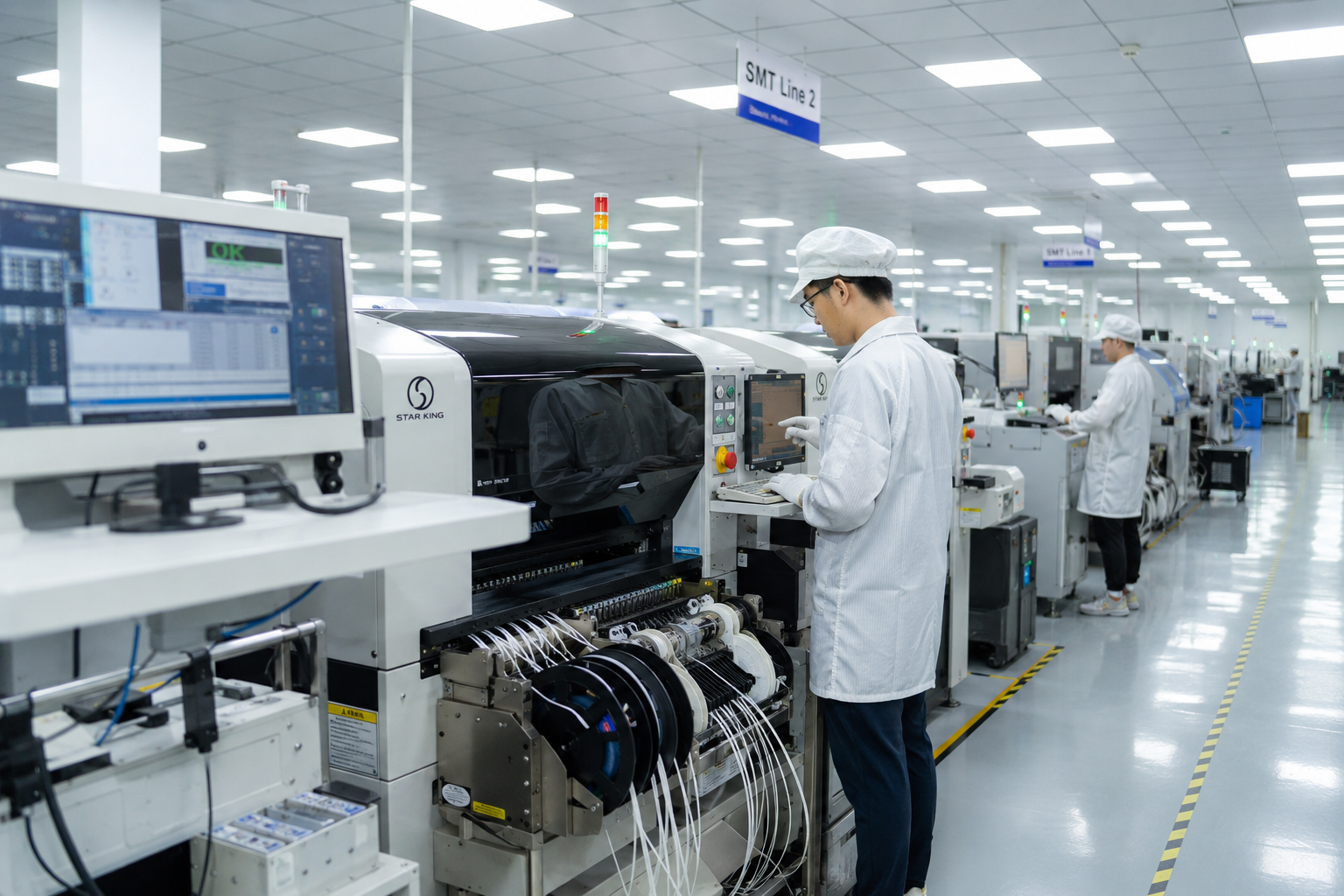
Short Answer
To select AI translators for healthcare in Southeast Asia, verify that the device supports critical local languages (e.g., Bahasa Indonesia, Thai, Vietnamese) with high accuracy, holds necessary certifications (CE, FCC, RoHS), and offers robust OEM customization. Prioritize suppliers that provide sample testing, transparent MOQs, and after-sales support to ensure long-term reliability in clinical settings.
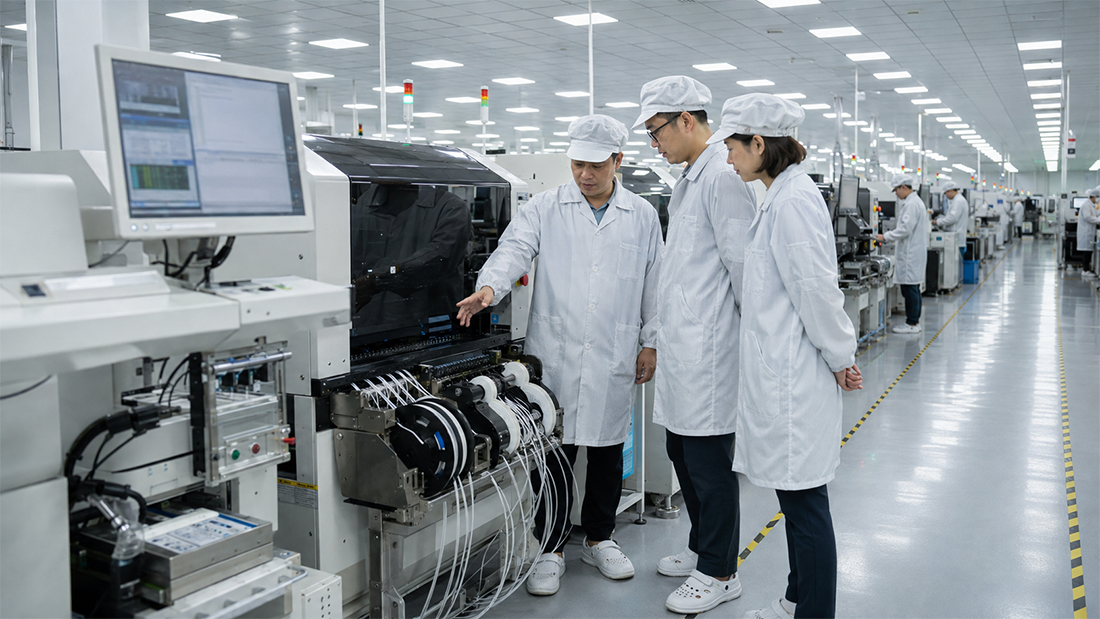
Key Takeaways
- Language accuracy and coverage of Southeast Asian languages are non-negotiable for patient safety.
- Compliance with local regulations and battery safety standards (UN38.3) is mandatory for import.
- OEM/ODM flexibility allows healthcare providers to customize devices for branding and workflow integration.
- Rigorous quality control and pre-shipment inspections reduce failure rates in the field.
- A clear RFQ should specify sample testing, certification requirements, and after-sales terms.
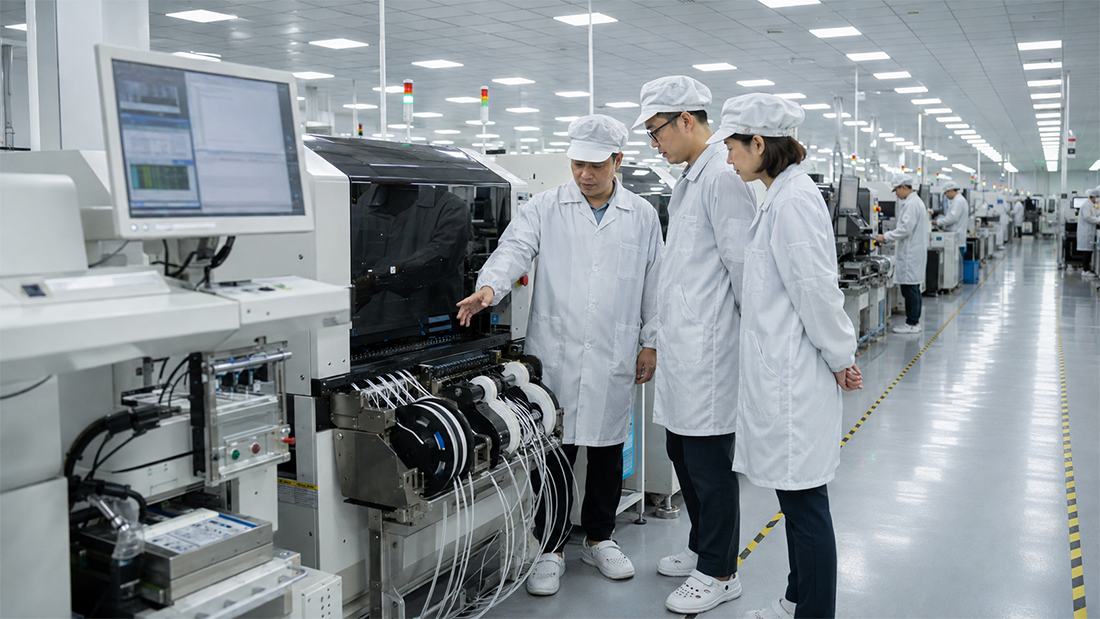
Key Facts for Buyers
| Consideration | Details |
|---|---|
| Target languages | Must include major Southeast Asian languages: Indonesian, Thai, Vietnamese, Filipino, Malay, etc. |
| Connectivity | Wi-Fi, Bluetooth, optional cellular; ensure compatibility with hospital networks. |
| Certifications | CE, FCC, RoHS, UN38.3 for battery; additional local certifications may apply. |
| OEM/ODM | Custom branding, packaging, firmware, and app integration available from established manufacturers. |
| MOQ | Typically 500-1000 units for OEM; lower for private label with standard specs. |
| Lead time | Sample: 7-15 days; mass production: 30-60 days depending on customization. |
| Warranty | Standard 12 months; extended options may be available. |
Introduction
Southeast Asia’s healthcare sector is rapidly digitizing, with hospitals and clinics facing increasing linguistic diversity. From Indonesia’s 700+ languages to Thailand’s booming medical tourism, effective communication is critical. AI translators for healthcare in Southeast Asia offer a solution, but their success depends on careful procurement. As a healthcare solution provider, you need devices that not only translate accurately but also meet regulatory, safety, and operational standards. This guide provides seven critical checks to conduct before issuing an RFQ, ensuring you partner with a capable manufacturer and avoid costly pitfalls.
Whether you are equipping a hospital network, telemedicine platform, or community clinic, the right AI translator can enhance patient outcomes and streamline operations. However, the market is flooded with consumer-grade devices that lack the robustness required for medical environments. By focusing on the following criteria, you can narrow down suppliers and secure a solution tailored to your needs.
1. Language Support and Accuracy
Assess Local Language Coverage
Southeast Asia is home to hundreds of languages and dialects. Your AI translator must support the languages prevalent in your target market. For example, in Indonesia, Bahasa Indonesia is essential, but regional languages like Javanese may also be needed. In the Philippines, Tagalog and English are widely spoken, but Cebuano and Ilocano are also common. Verify that the device’s language library includes these languages and that translations are accurate in medical contexts.
Evaluate Accuracy and Medical Terminology
Translation errors can have serious consequences in healthcare. Request a demo or sample to test the device’s performance with medical terminology, such as symptoms, diagnoses, and medication instructions. The device should handle context and idiomatic expressions, not just word-for-word translation. Ask the supplier about their translation engine and whether it can be customized to include specialized medical glossaries.
2. Hardware and Connectivity
Form Factor and Usability
Consider how the device will be used. Handheld translators with clear displays and intuitive interfaces are suitable for doctor-patient consultations. Wearable options like AI smart glasses or earpieces may be better for hands-free scenarios. Ensure the device is durable, easy to clean (important for infection control), and has sufficient battery life for a full shift.
Connectivity and Integration
Reliable connectivity is crucial for real-time translation. Check if the device supports Wi-Fi and Bluetooth, and whether it can connect to hospital networks securely. For telemedicine, integration with EHR systems via API may be required. Discuss with the supplier the possibilities for firmware customization to meet your integration needs.
3. Compliance and Certification
Understand Local Regulatory Requirements
Each Southeast Asian country has its own regulations for medical devices and electronic products. In Singapore, for instance, health products are regulated by HSA, while in Malaysia, the Medical Device Authority (MDA) oversees registration. AI translators may not always be classified as medical devices; however, if they are used for diagnostic purposes, they may fall under stricter regulations. Always verify with local authorities and ensure the supplier can provide the necessary documentation, such as FCC certification if exporting to the US, and CE marking for Europe. For Southeast Asia, check for country-specific certifications like SIRIM in Malaysia or TISI in Thailand.
Certification Scope and Validity
Do not assume a product is certified for all markets. Ask the supplier for certificates specific to your target country and verify their authenticity. Ensure the certificates cover the exact model and configuration you plan to purchase. Also, confirm that the certifications are current and not expired.
4. Battery Safety and UN38.3
AI translators are powered by lithium-ion batteries, which are subject to strict transport regulations. For international shipping, UN38.3 certification is mandatory. This ensures the battery has passed altitude simulation, thermal cycling, vibration, shock, and other tests. Without UN38.3, your shipment may be rejected by carriers. Additionally, check for MSDS documentation and compliance with local battery disposal regulations. In healthcare settings, battery safety is paramount to avoid fire hazards.
5. OEM Customization and Private Label
Branding and Packaging
For healthcare providers, branding can reinforce trust and professionalism. Discuss options for logo customization on the device and packaging. Some manufacturers offer full private label services, including custom packaging design, user manuals, and even app branding.
Software and App Customization
If the translator includes a companion app for managing translations or integrating with other systems, you may need customization. This could involve adding your organization’s logo, preloading specific medical glossaries, or integrating with your patient management system. Clarify the supplier’s capabilities in firmware and app development, and whether they offer an API for integration.
6. Quality Control and Testing
Manufacturing Standards
Ask about the supplier’s quality management system. Are they ISO 9001 certified? What testing procedures do they follow? For healthcare applications, devices should undergo rigorous testing, including drop tests, waterproof tests (at least IPX4 for splash resistance), and aging tests to ensure longevity.
Pre-Shipment Inspection
Before shipment, arrange for a pre-shipment inspection or request the supplier’s inspection report. This can catch defects early and ensure the batch meets your specifications. Consider third-party inspection services for added assurance.
7. After-Sales Support and Warranty
Warranty Terms
Understand the standard warranty period and what it covers. A 12-month warranty is typical, but some suppliers may offer extended warranties. Clarify the process for repairs or replacements, including shipping costs and turnaround time.
Technical Support and Spare Parts
Ensure the supplier provides adequate technical support for setup and troubleshooting. For large deployments, consider negotiating a spare parts kit or a service agreement. Also, inquire about firmware updates and how they will be delivered.
Comparison Table: Key Specifications for AI Translators in Healthcare
| Feature | Basic Model | Advanced Model | Recommendation |
|---|---|---|---|
| Languages Supported | Up to 10 languages | 40+ languages | Choose based on patient demographics; ensure medical terminology. |
| Connectivity | Wi-Fi, Bluetooth | Wi-Fi, Bluetooth, 4G LTE | 4G for remote areas; Wi-Fi for hospital networks. |
| Battery Life | 8 hours | 12+ hours | Longer battery for busy clinics. |
| Display | 2.4-inch touchscreen | 3.5-inch touchscreen | Larger display for easy reading. |
| Durability | IPX4 splash-resistant | IP54 dust and water-resistant | Higher IP rating for clinical environments. |
| Certifications | CE, FCC, RoHS | CE, FCC, RoHS, UN38.3, local certs | Must have UN38.3 for shipping; local certs as needed. |
| OEM Options | Logo on device | Full private label incl. packaging, app | Full private label for brand consistency. |
| Warranty | 12 months | 24 months | Longer warranty reduces total cost of ownership. |
Common Mistakes and Red Flags
- Overlooking language accuracy for local dialects: Testing only major languages can lead to miscommunication in rural areas.
- Assuming certifications are universal: A CE mark does not guarantee compliance in Southeast Asian countries; verify local requirements.
- Ignoring battery shipping regulations: Without UN38.3, your shipment may be delayed or confiscated.
- Choosing a supplier without OEM experience: Healthcare providers often need custom branding and app integration; confirm the supplier’s capabilities.
- Skipping sample testing: Always test a sample in your actual environment before committing to a bulk order.
- Underestimating after-sales support: A cheap device with poor support can become a liability.
Practical Buyer Checklist
- ☐ Define the languages required for your patient population.
- ☐ Request a sample to test translation accuracy, especially medical terms.
- ☐ Verify certifications for each target country (e.g., CE, FCC, UN38.3, SIRIM, TISI).
- ☐ Confirm OEM/ODM capabilities: logo, packaging, app, firmware.
- ☐ Ask for MOQ, lead time, and payment terms.
- ☐ Review quality control processes and request inspection reports.
- ☐ Clarify warranty, after-sales support, and spare parts availability.
- ☐ Check shipping terms and ensure UN38.3 for battery.
- ☐ Obtain a quotation with all costs included (landed cost).
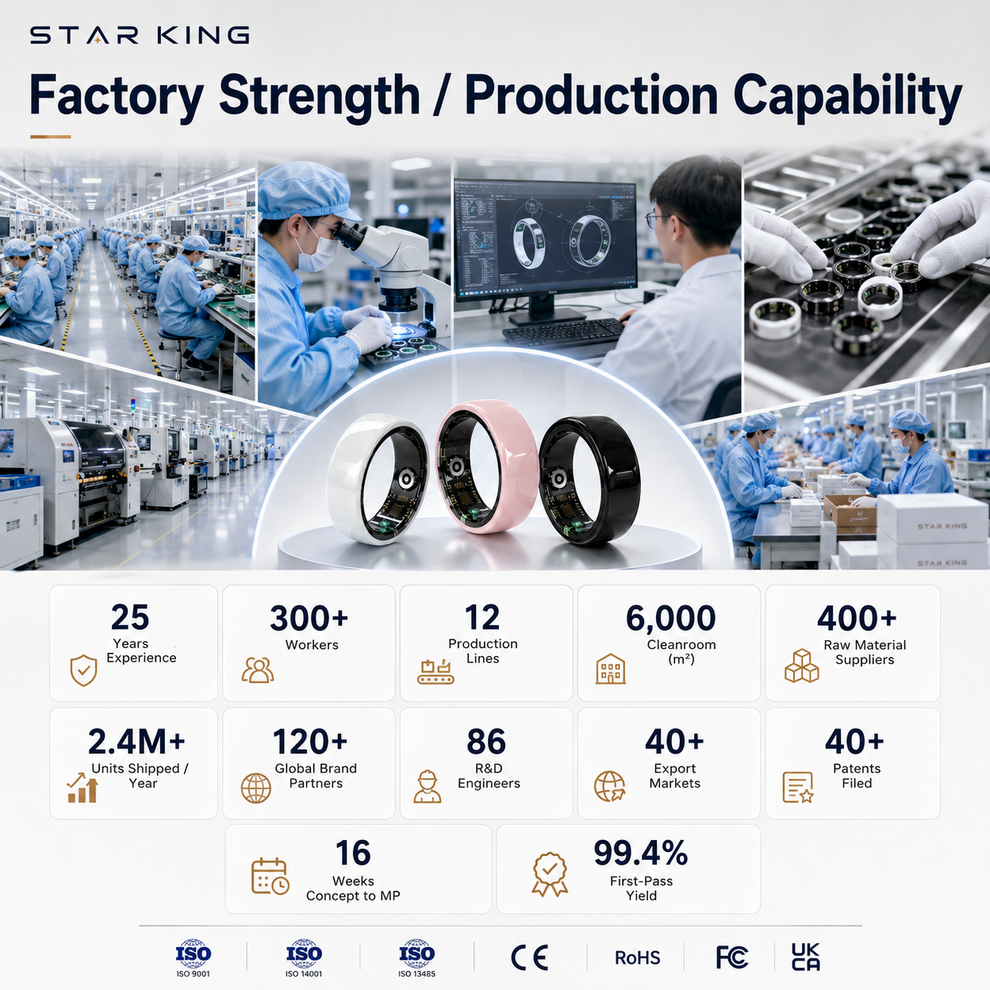
Buyers can also review STAR KING AI Translators OEM/ODM options to compare product positioning, customization scope, and sample planning.
FAQ
1. What is the typical MOQ for AI translators in healthcare?
MOQ varies by supplier and customization level. For standard models with logo printing, MOQ may start at 500 units. For full OEM with custom packaging, MOQ is often 1000 units. Discuss with suppliers to negotiate based on your project.
2. How can I ensure the translation accuracy for medical terms?
Request a sample and test it with common medical phrases in your target languages. Ask if the supplier can customize the translation engine with a medical glossary. Some advanced models allow uploading custom terminology.
3. What certifications are required for importing AI translators into Southeast Asia?
Requirements vary by country. Generally, you need CE or FCC for the device, UN38.3 for the battery, and local certifications such as SIRIM (Malaysia), TISI (Thailand), or HSA (Singapore) for health products. Always check with local authorities.
4. Can I integrate the translator with my hospital’s EHR system?
This depends on the device’s software. Look for suppliers that offer an API or SDK for integration. Custom firmware development may be possible for large orders.
5. What is the typical lead time for bulk orders?
Sample lead time is usually 7-15 days. Mass production for 1000 units can take 30-60 days, depending on customization and component availability. Plan accordingly.
6. How do I verify the supplier’s quality control?
Ask for their QC process documentation, certifications like ISO 9001, and sample inspection reports. Conduct a factory audit or use a third-party inspection service for large orders.
7. What after-sales support should I expect?
Reputable suppliers offer at least a 12-month warranty, technical support via email or phone, and availability of spare parts. Clarify the process for repairs and replacements.
Conclusion
Procuring AI translators for healthcare in Southeast Asia requires a thorough approach. By following the seven checks outlined above, you can ensure that the devices you select meet the linguistic, regulatory, and operational demands of your healthcare setting. Remember to test samples, verify certifications, and clarify OEM terms before committing to a bulk order. A reliable supplier partner will be transparent about their capabilities and support you throughout the process.
STAR KING CTA
Ready to equip your healthcare organization with AI translators? STAR KING offers OEM/ODM services for AI translators with customizable languages, branding, and compliance support. Contact us to discuss your project, request samples, or obtain a detailed quotation.
Request a quotation for AI translators
Discuss Your Smart Wearable OEM/ODM Project
Planning a smart ring, smart watch, smart band, AI glasses, AI translator, or AI voice mouse project? Contact STAR KING to discuss product positioning, sample testing, customization scope, certification requirements, lead time, and quotation details.

Team Star King

Scan WhatsApp QR code
Leave a Reply