
smart rings for EdTech: How to Source Smart Rings for EdTech: 2026 Buyer’s Guide
October 11, 2026 · Team Star King

How to Source Smart Rings for EdTech: A 2026 OEM Buyer’s Guide
Smart rings for EdTech are wearable devices that track physiological and activity data—such as heart rate, sleep patterns, and step counts—and are integrated into educational platforms to support student wellness, research, or institutional health initiatives. For education technology companies, sourcing these devices requires evaluating OEM/ODM partners on data privacy, app integration, battery safety, and compliance with regional regulations. This guide outlines the key steps to select a manufacturing partner, navigate MOQs, and ensure your smart ring program meets both technical and legal requirements.
Table of Contents
Table of Contents
Table of Contents
- Introduction
- Key Takeaways
- Key Facts for Buyers
- Why Smart Rings for EdTech?
- OEM vs. ODM: Which Model Fits Your EdTech Program?
- Evaluating Smart Ring Manufacturers: 8 Critical Checks
- MOQ and Pricing Factors for Smart Rings
- Certifications and Compliance for EdTech Wearables
- Data Privacy and App Integration
- Packaging, Branding, and Private Label
- Sample Testing and Validation Checklist
- Common Mistakes in EdTech Wearable Sourcing
- Practical Buyer Checklist
- FAQ
- Conclusion
Key Takeaways
- Smart rings for EdTech can support student wellness, research, and institutional health programs, but require careful attention to data privacy and compliance.
- OEM and ODM models offer different trade-offs: OEM provides greater customization and IP control, while ODM reduces upfront costs and time-to-market.
- MOQs typically range from 500 to 1,000 units; pricing depends on sensors, materials, app features, and order volume.
- Certifications such as CE, FCC, RoHS, and UN38.3 are often required for market access; verify specific requirements with your supplier and regulatory bodies.
- Data privacy regulations (e.g., GDPR, FERPA, COPPA) are critical for EdTech; ensure your app and device comply with local laws.
- Always request samples, conduct pilot testing, and verify supplier claims through third-party inspections.
Key Facts for Buyers
| Factor | Typical Range / Consideration |
|---|---|
| Minimum Order Quantity (MOQ) | 500–1,000 units for custom designs; lower for stock models |
| Unit Price | $15–$40 depending on sensors, materials, and volume |
| Lead Time | 45–75 days after sample approval |
| Sample Lead Time | 7–15 days (if not fully custom) |
| Tooling Cost | $5,000–$15,000 for custom molds (if applicable) |
| Certifications | CE, FCC, RoHS, UN38.3, MSDS (depends on market) |
| Battery Life | 3–7 days typical |
| Data Privacy Compliance | GDPR, FERPA, COPPA (verify per market) |
Introduction
As education technology companies look to differentiate their offerings, integrating wearable devices like smart rings into learning platforms is gaining traction. Smart rings for EdTech can provide continuous health and activity data, enabling personalized wellness programs, research studies, and remote monitoring. However, sourcing these devices presents unique challenges: you must balance technical specifications, data privacy, regulatory compliance, and supply chain reliability. This guide is designed for EdTech procurement teams, product managers, and founders evaluating smart ring manufacturers. We’ll walk through the key decisions—from choosing an OEM/ODM partner to navigating certifications and ensuring data security. By the end, you’ll have a clear framework to source smart rings that align with your educational mission and operational requirements.
Why Smart Rings for EdTech?
Smart rings offer a discreet, screenless form factor that can be worn 24/7, making them ideal for continuous data collection in educational settings. Unlike smartwatches, they are less distracting in classrooms and can be integrated into existing school management systems. Potential applications include:
- Student wellness programs: tracking sleep, stress, and activity to support mental health initiatives.
- Research: collecting physiological data for studies in kinesiology, psychology, or public health.
- Remote learning: monitoring engagement and well-being for distance education students.
- Institutional health: managing staff wellness or campus health campaigns.
Before committing to a smart ring program, assess whether your target users will accept wearing a ring daily. Pilot testing with a small group can reveal adoption barriers and data accuracy issues.
OEM vs. ODM: Which Model Fits Your EdTech Program?
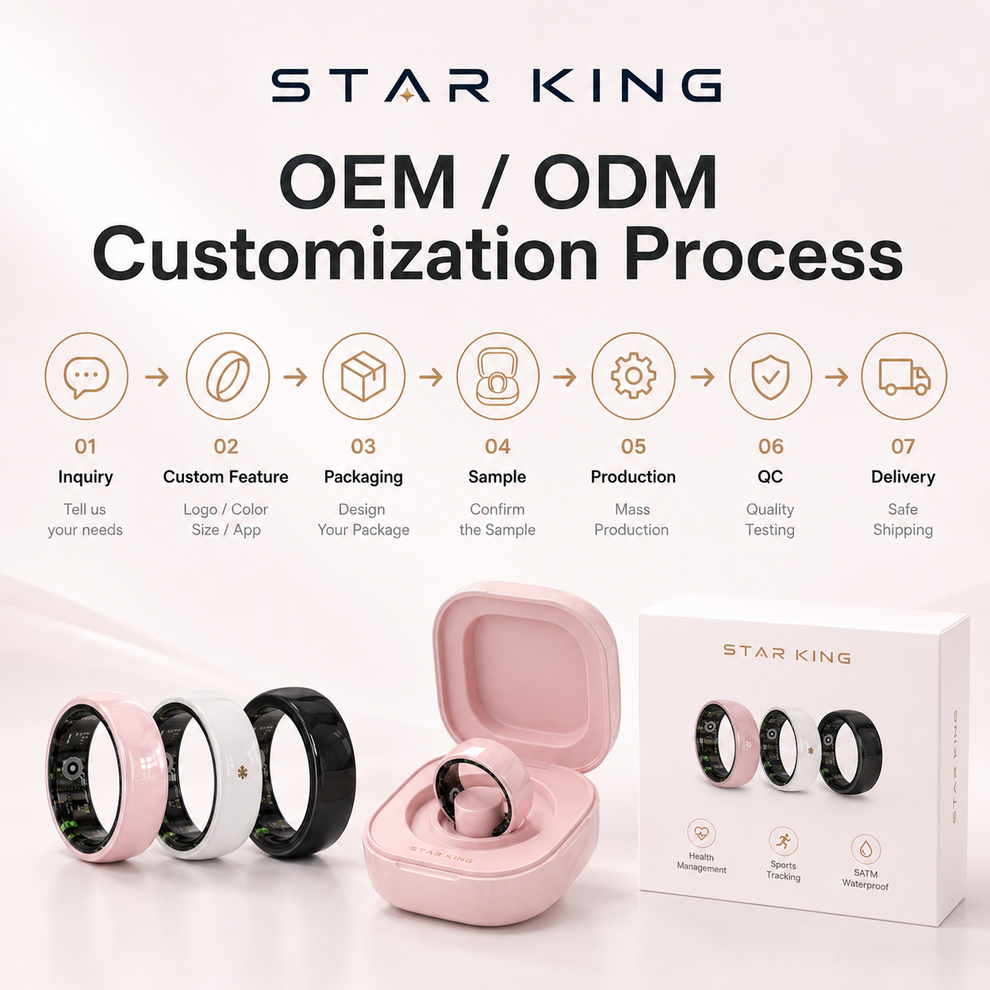
When sourcing smart rings for EdTech, you’ll typically choose between OEM (Original Equipment Manufacturer) and ODM (Original Design Manufacturer) models. The right choice depends on your budget, timeline, and desired level of customization.
| Aspect | OEM | ODM |
|---|---|---|
| Customization | High: custom design, firmware, app, branding | Low to medium: limited to logo, packaging, minor app tweaks |
| Upfront Cost | Higher (tooling, development) | Lower (uses existing design) |
| Time to Market | Longer (3–6 months) | Shorter (1–3 months) |
| IP Ownership | You own custom molds and designs (if specified) | Manufacturer retains design IP |
| MOQ | Higher (often 1,000+) | Lower (500+) |
| Best For | Brands needing unique features and full control | Startups or pilots needing quick entry |
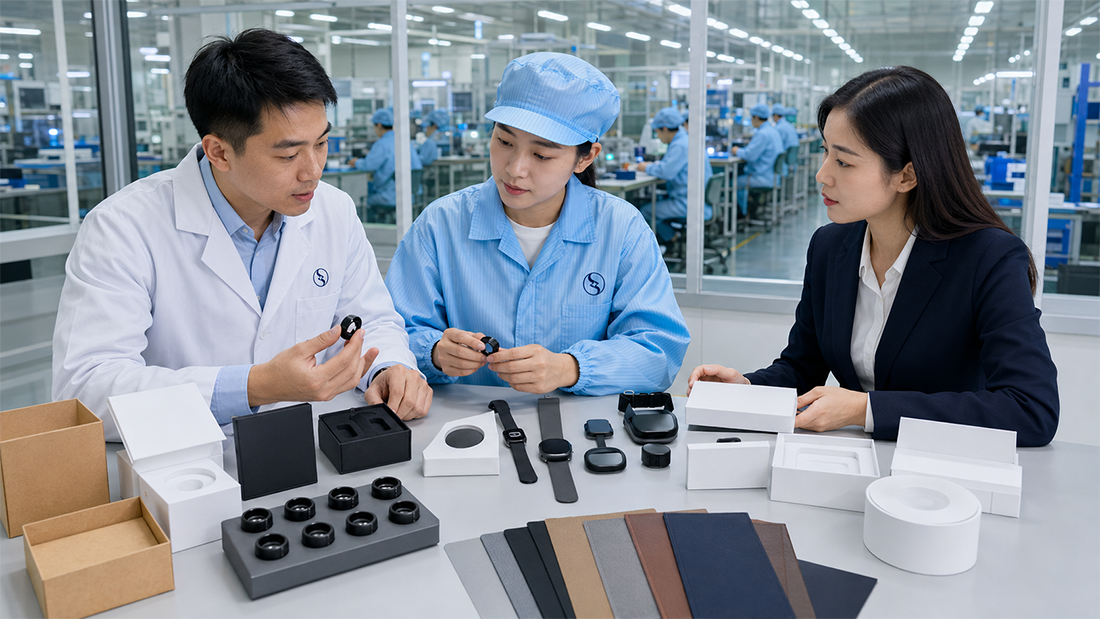
For EdTech companies, OEM may be necessary if you require specific sensors, custom algorithms, or deep integration with your learning management system. ODM can be a cost-effective way to test the market before investing in a fully custom solution.
Image suggestion: Side-by-side comparison of OEM vs. ODM smart ring designs. Alt text: “Smart rings for EdTech OEM vs ODM comparison”
Evaluating Smart Ring Manufacturers: 8 Critical Checks
Selecting the right manufacturing partner is crucial. Use these eight checks to evaluate potential suppliers:
- Experience in wearable health technology: Look for a track record in producing smart rings or similar devices with heart rate, SpO2, and sleep tracking.
- Certifications: Verify the manufacturer holds relevant quality management certifications (e.g., ISO 9001) and can support product certifications like CE, FCC, RoHS, and UN38.3.
- App and firmware development: Can they customize the companion app to integrate with your platform? Ask about API availability and data export formats.
- Data privacy and security: Ensure they follow best practices for data encryption and can comply with GDPR, FERPA, or COPPA as needed.
- Manufacturing capacity: Assess their monthly output to ensure they can meet your scaling needs.
- Quality control: Inquire about their QC processes, including incoming material inspection, in-process checks, and final testing.
- References: Request case studies or client references, particularly from education or healthcare sectors.
- Communication and support: Evaluate responsiveness, English proficiency, and willingness to collaborate on custom requirements.
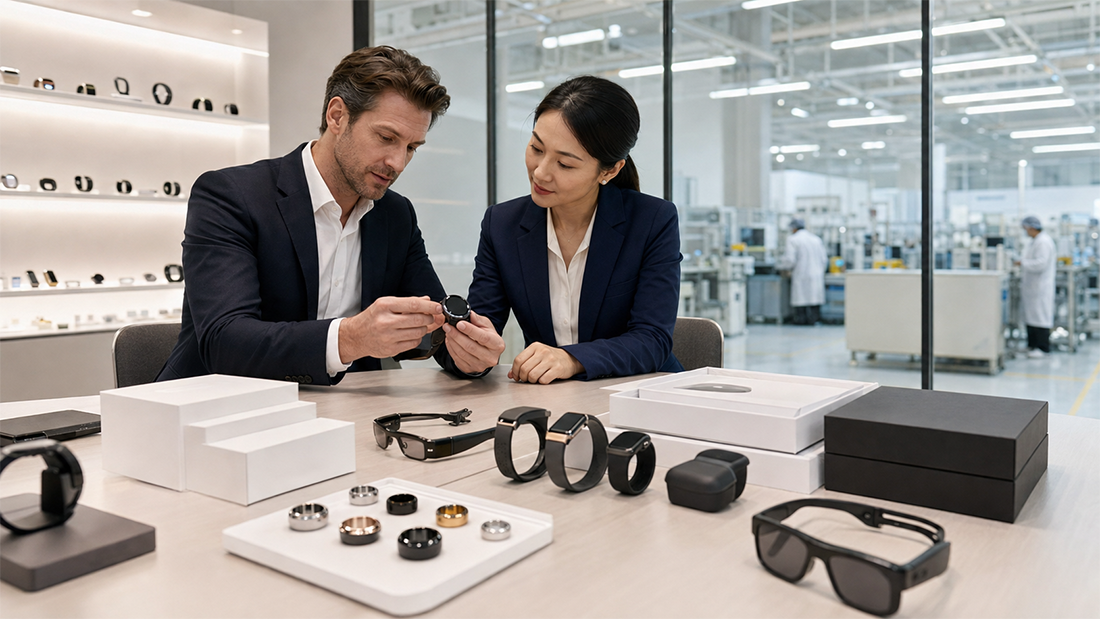
Conduct video audits or third-party inspections to verify claims. A supplier that hesitates to provide transparency is a red flag.
For a deeper dive into OEM/ODM capabilities, visit our Private Label OEM/ODM solutions page.
MOQ and Pricing Factors for Smart Rings
Minimum order quantities for smart rings typically start at 500 units for ODM and 1,000 units for OEM. However, these numbers vary by manufacturer, design complexity, and component sourcing. Key factors influencing price include:
- Sensors: Advanced sensors (e.g., for blood oxygen or ECG) increase cost.
- Materials: Titanium, ceramic, or medical-grade stainless steel cost more than plastic.
- Battery: Longer battery life may require a larger or more efficient battery.
- App development: Custom app features, integration, and maintenance add to the total cost.
- Packaging: Custom retail packaging and branding increase per-unit cost.
- Order volume: Larger orders benefit from economies of scale.
Always request a detailed quotation that breaks down unit price, tooling, certification, and shipping costs. Be wary of unusually low quotes—they may indicate inferior components or hidden fees.
Certifications and Compliance for EdTech Wearables
Depending on your target market, smart rings may require various certifications. Common requirements include:
- CE marking for the European Union, indicating conformity with health, safety, and environmental protection standards. Refer to the European Commission’s CE marking page for details.
- FCC certification for the United States, ensuring electromagnetic compatibility. See the FCC’s RF device authorization page.
- RoHS compliance restricting hazardous substances in electrical equipment.
- UN38.3 certification for lithium batteries during transport, along with MSDS documentation.
Certification requirements typically depend on the product’s specific configurations and the destination market. Buyers should verify with the manufacturer and local regulatory bodies. STAR KING can provide guidance on certification processes but does not guarantee that all products are pre-certified.
Data Privacy and App Integration
For EdTech, data privacy is paramount. Smart rings collect sensitive health data, which may be subject to regulations like GDPR (EU), FERPA (US), and COPPA (US, for children under 13). Your manufacturing partner should:
- Implement end-to-end encryption for data transmission.
- Provide clear data retention and deletion policies.
- Allow for on-premise or private cloud data storage if required.
- Support compliance with institutional review boards (IRBs) for research.
Ensure the companion app can integrate with your existing platforms via APIs. Discuss data ownership and access controls upfront.
Image suggestion: Diagram of smart ring data flow from device to app to dashboard. Alt text: “Smart rings for EdTech data integration diagram”
Packaging, Branding, and Private Label
Private label smart rings allow you to build brand recognition. Customization options include:
- Logo engraving on the ring or charging case.
- Custom packaging design and inserts.
- App branding (splash screen, colors, icon).
- User manuals and quick start guides in multiple languages.
Discuss these options early, as they impact MOQ and lead time. For more on private label, see our Private Label Solutions.
Sample Testing and Validation Checklist
Before committing to mass production, request samples and validate them against your requirements. Use this checklist:
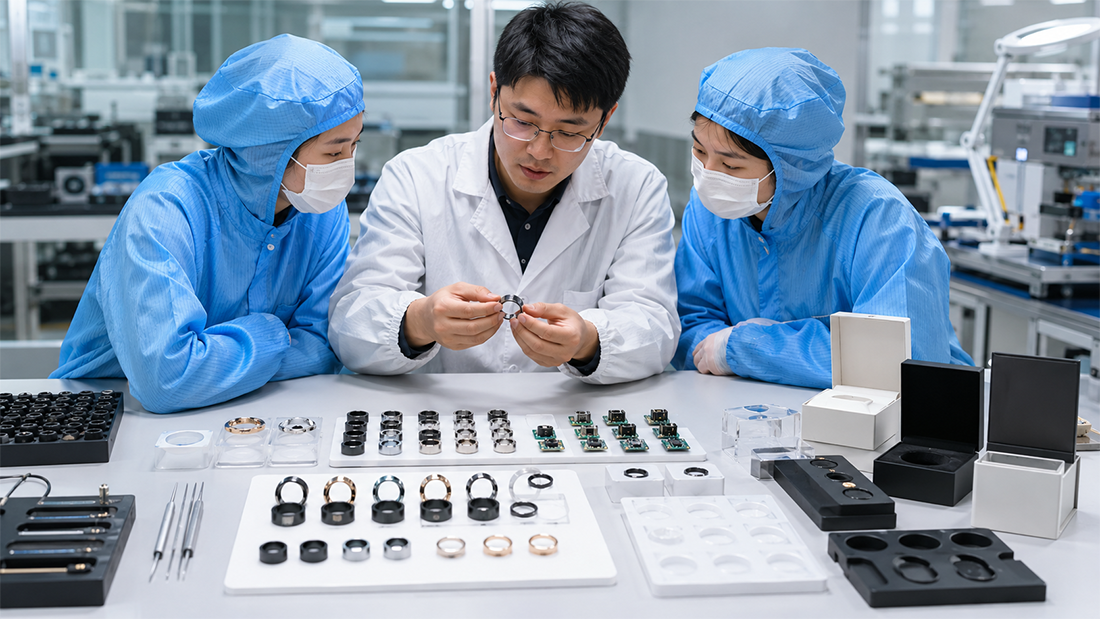
- Verify sensor accuracy (heart rate, SpO2, sleep stages) against a reference device.
- Test battery life under typical usage conditions.
- Assess comfort and fit for different finger sizes.
- Check app functionality: pairing, data sync, dashboard, and export.
- Review data privacy features: encryption, account management.
- Evaluate build quality: water resistance (IP rating), durability.
- Confirm packaging and branding match your specifications.
Run a pilot with a small group of users to gather feedback on usability and data reliability.
Common Mistakes in EdTech Wearable Sourcing
- Overlooking data privacy: Failing to address GDPR, FERPA, or COPPA can lead to legal issues and loss of trust.
- Choosing a supplier solely on price: Low-cost manufacturers may cut corners on components or QC, leading to high return rates.
- Ignoring MOQ constraints: Underestimating MOQs can strain budgets and warehousing.
- Skipping sample testing: Assuming the final product will match the spec sheet without validation.
- Underestimating certification timelines: Certification can add weeks or months; plan accordingly.
- Not clarifying IP ownership: Ensure you own custom designs and molds if you invest in them.
- Neglecting after-sales support: Clarify warranty terms, spare parts availability, and technical support.
Practical Buyer Checklist
| Task | Completed? |
|---|---|
| Define use case and data requirements | ☐ |
| Determine target markets and applicable regulations | ☐ |
| Decide between OEM and ODM | ☐ |
| Identify potential suppliers (3–5) | ☐ |
| Request samples and evaluate quality | ☐ |
| Verify certifications and compliance | ☐ |
| Negotiate MOQ, price, and lead time | ☐ |
| Clarify data privacy and app integration | ☐ |
| Sign contract with clear IP and warranty terms | ☐ |
| Plan pilot testing | ☐ |
FAQ
What is the typical MOQ for custom smart rings?
MOQs for custom smart rings usually range from 500 to 1,000 units, depending on the level of customization and the manufacturer. Some suppliers may accept lower quantities for stock models or initial pilot runs, but expect higher per-unit costs.
Which certifications are required for smart rings in schools?
Certification requirements depend on the country. In the EU, CE marking is often mandatory; in the US, FCC certification for wireless devices. Additionally, if the smart ring collects health data from children, compliance with COPPA and FERPA may apply. Always verify with local authorities and your supplier.
How long does it take to manufacture smart rings after order confirmation?
Standard lead time is 45–75 days after sample approval, excluding shipping. Custom designs and new tooling may extend this to 90–120 days. Factor in certification and shipping time when planning your launch.
Can smart ring data integrate with our learning management system?
Yes, many OEM/ODM manufacturers offer API access or custom app development to integrate with third-party platforms. Discuss your integration needs early, as it may affect development cost and timeline.
What are the key factors affecting smart ring pricing?
Pricing depends on sensor type, materials, battery, app features, packaging, order volume, and certification requirements. Request a detailed quotation to understand all cost components.
How can we ensure data privacy for students using smart rings?
Choose a manufacturer that implements encryption, allows data storage in your preferred region, and complies with relevant regulations. Conduct a privacy impact assessment and ensure clear user consent mechanisms are in place.
What should we include in a smart ring pilot program?
A pilot should include a diverse user group, a defined testing period (e.g., 4–6 weeks), pre- and post-surveys, and technical validation of data accuracy. Use the pilot to identify usability issues and refine your rollout plan.
Conclusion
Sourcing smart rings for EdTech is a strategic decision that requires careful evaluation of manufacturing partners, compliance, and data privacy. By following the steps outlined in this guide, you can mitigate risks and select a supplier that aligns with your educational goals. Remember to prioritize transparency, request samples, and validate all claims before committing to mass production.
Next Steps
Ready to evaluate smart rings for your EdTech program? Request samples from STAR KING to test our smart ring capabilities. Our team can also discuss OEM/ODM customization, certification support, and MOQ options tailored to your needs.
Discuss Your Smart Wearable OEM/ODM Project
Planning a smart ring, smart watch, smart band, AI glasses, AI translator, or AI voice mouse project? Contact STAR KING to discuss product positioning, sample testing, customization scope, certification requirements, lead time, and quotation details.

Team Star King

Scan WhatsApp QR code
Leave a Reply