
AI Hardware Buyer Guide for Glasses, Translators & Voice Devices
AI hardware procurement requires review of both the physical product and the software services behind its functions. STAR KING helps buyers discuss model selection and customization; this guide explains what to confirm before planning a branded AI device project.
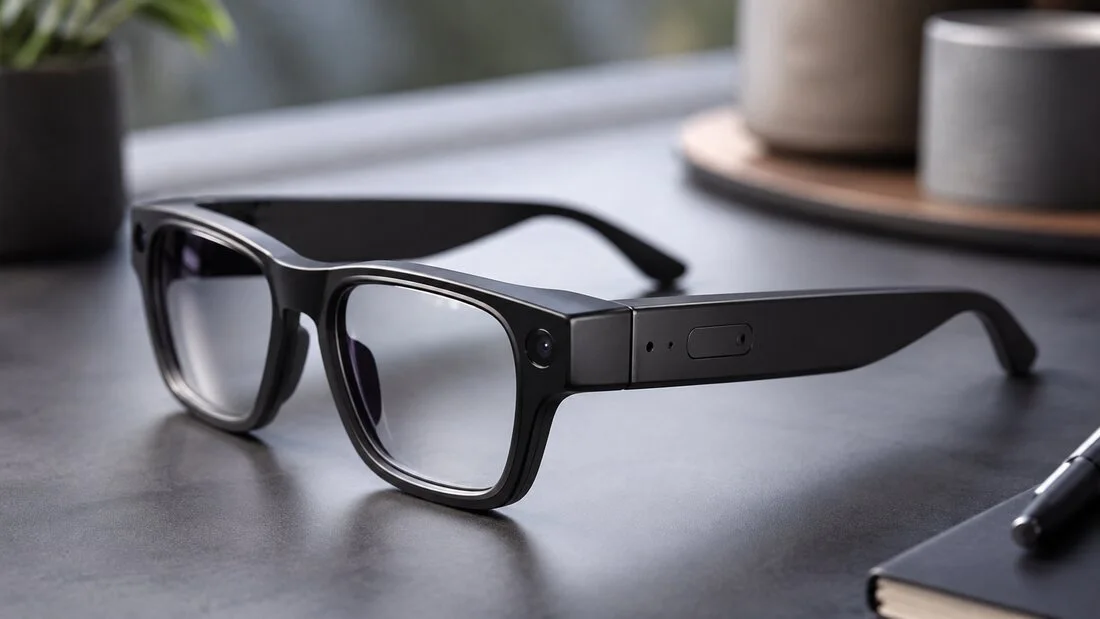
Who this page is for
AI hardware brands, office-electronics distributors, integrators and buyers evaluating connected eyewear, translators, headphones or voice devices.
Star King is a brand powered by Chudong Technology Ltd., serving global B2B smart electronics buyers since 2000. Discuss product selection, branding, packaging and OEM/ODM requirements with our team; functions and project deliverables are confirmed for the selected configuration.
Define the task and a success test
Describe the actual workflow: voice input, translation, recording, hands-free access or office productivity. Specify the environment, languages, target users and the software they already use.
Turn expectations into testable criteria. A translation project needs representative language pairs and conditions. A voice-input project needs tasks, noise levels and target applications. A recording project needs clarity, storage and export requirements. The term AI alone is not a specification.
Identify local and cloud dependencies
Ask which functions run on the device and which require a companion app, internet access, an account or a third-party API. Confirm regional availability, usage limits and whether a subscription is needed.
Compare recurring costs separately from device pricing. Establish who owns the service account, who handles renewals and what happens if a service changes. A hardware supply agreement does not necessarily include unlimited access to an external AI platform.
Review software scope and intellectual property
For custom projects, define interfaces, supported platforms and development deliverables. Request documentation for available SDK/API access rather than assuming the device can be integrated with any system.
Agree ownership of artwork, tooling and commissioned work. Clarify background firmware, third-party licenses, source-code access and update responsibilities. Discuss confidentiality before sharing proprietary workflows or technical materials.
Test the full commercial configuration
Evaluate the model with its actual firmware, app, services and accessories. Include network loss, language variations, ambient noise and typical user mistakes. Review privacy permissions and the handling of recordings or other captured information.
Approve packaging, manuals and claims alongside the functions. Keep a reference configuration and an issue list so pilot production and later orders can be checked against the same acceptance criteria.
Procurement checklist
Use these points to prepare a reviewable brief and request written confirmation before approving an order.
| AI product area | Buyer test | Commercial question |
|---|---|---|
| Translation | Representative languages and environments | Service access and recurring fees |
| Voice input | Real tasks and target applications | Platform compatibility and licensing |
| Camera glasses | Recording and export workflow | Storage, privacy and supported apps |
| Custom integration | Sample data and interface behavior | Deliverables, ownership and maintenance |
Frequently asked questions
Do AI devices work without internet access?
That depends on the exact product and function. Ask which features are local and which require connected services, then verify them on samples.
Is an AI subscription included in the hardware price?
Do not assume inclusion. Confirm account access, usage limits, subscription fees and third-party service terms in writing.
Can STAR KING supply private-label AI hardware?
Discuss the selected platform, branding, packaging, software scope and estimated order quantity. Feasibility and terms are project-specific.
How should we evaluate AI performance?
Use representative tasks, languages and environments with agreed acceptance criteria. Record limitations and software versions rather than relying only on a demonstration.
Related products and buyer resources
Discuss your project with STAR KING
Send the product category, intended use, destination countries, estimated quantity, customization and target schedule. Add your acceptance checklist or reference files so the team can discuss a suitable configuration and identify open requirements.
Request a quotation that separates samples, product supply, engineering, packaging and delivery scope. MOQ, lead time and available documents are confirmed for the actual project.
Prepare Your RFQ Contact the team