
Complete OEM/ODM Process for Wearable & AI Hardware Projects
STAR KING’s OEM/ODM project discussions connect the buyer brief with model selection, customization, evaluation and supply. Use explicit decisions and controlled records at each stage so the final order matches the configuration you approved.
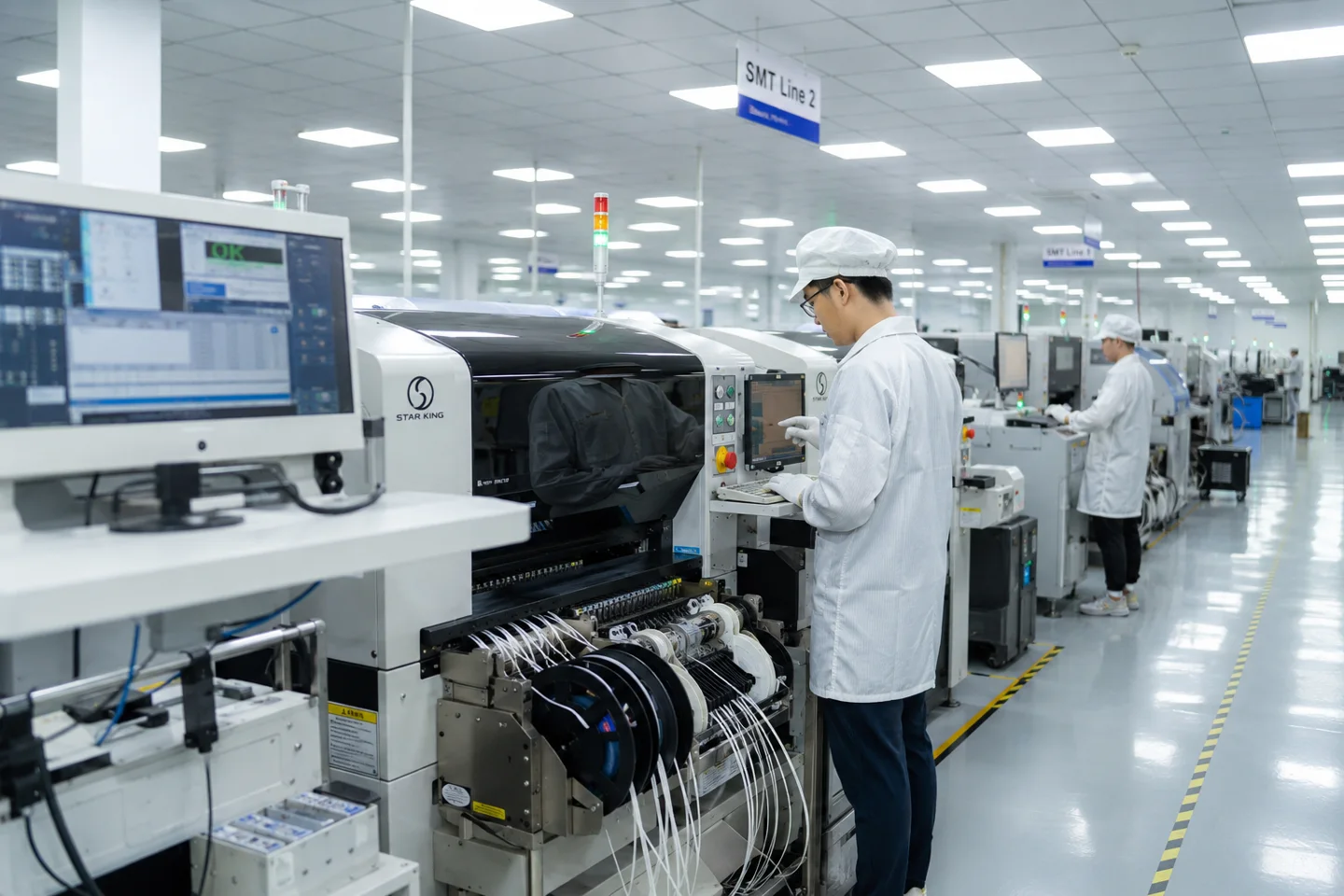
Who this service discussion is for
Brands, distributors, importers, startups and technology partners sourcing smart wearables or AI electronics. The required scope depends on your platform, markets and customization rather than a universal service package.
Star King is a brand powered by Chudong Technology Ltd., serving global B2B smart electronics buyers since 2000. Discuss product selection, branding, packaging and engineering requirements with the team. Confirm functions, deliverables, ownership and commercial terms for the selected project.
Stage 1: brief and feasibility
Provide the intended users, product category, functions, countries, quantity and launch target. State software interfaces, branding and any technical constraints. Identify confidential documents before sharing them and define the evidence needed for acceptance.
Review available platforms, gaps and proposed alternatives. Agree engineering scope, samples, tooling, licensing and ownership where relevant. Request a quotation that separates non-recurring work, unit supply, packaging and delivery assumptions.
Stage 2: design and sample evaluation
Confirm drawings, artwork, software interfaces and sample objectives. Identify which configuration and revisions will be evaluated. A visual concept, existing-model sample and custom prototype serve different purposes, so agree their scope.
Test the device and complete user experience against a written checklist. Record findings, unresolved issues and approved changes. Retain the reference specification and sample so later stages can be compared with the same requirements.
Stage 3: pilot and production release
Use a pilot where needed to evaluate assembly, programming, tests, packout and consistency. Review defects and verify corrective actions. Agree a release decision and identify who can authorize volume production.
Before the batch begins, freeze the configuration, inspection plan, labels, manuals and packaging. Review model-specific documents required for the intended market and confirm responsibility for additional work. Changes after approval need an explicit impact review.
Stage 4: shipment, support and repeat orders
Review batch results, quantities, packaging and documents before shipment. Confirm Incoterms, logistics, payment milestones and delivery contacts. Keep records tying the shipped order to the approved revision.
Agree defect-reporting, warranty and software-support responsibilities. Use support feedback and configuration records in repeat-order planning. STAR KING supports 12–24 month warranty arrangements depending on category and order agreement; exact coverage must be confirmed in the order.
Project roadmap and approval gates
- Define the brief and approve the scope or platform.
- Evaluate design and sample outputs; close key issues.
- Accept pilot findings and release the controlled batch.
- Confirm shipment evidence, support and repeat-order revisions.
Keep a written decision at each gate. Record open requirements and approved changes so the quotation, sample, engineering outputs and production configuration remain aligned.
Scope, deliverables and acceptance checklist
Use this matrix to prepare the buyer brief and confirm what evidence or agreement is needed before moving forward.
| Project gate | Required evidence | Buyer decision |
|---|---|---|
| Feasibility | Requirements, gaps and proposal | Approve scope and commercial assumptions |
| Samples | Configuration and evaluation results | Accept or revise the sample |
| Pilot | Process results and issue closure | Authorize scaling or further work |
| Batch | Inspection, artwork and documents | Release the shipment |
| Lifecycle | Support findings and revision records | Approve repeat-order configuration |
Frequently asked questions
Does every project follow the same timeline?
No. Existing-platform branding, software integration and custom hardware have different dependencies. Agree milestones for the actual scope.
When should we approve mass production?
After the agreed sample or pilot requirements are met and configuration, inspection, packaging and documents are controlled.
Can requirements change during development?
Yes, through an agreed review process. Document impact on cost, schedule, evidence and acceptance before implementing changes.
What should we retain for repeat orders?
Keep the approved specification, sample, software and artwork revisions, inspection criteria, market documents and after-sales agreement.
Related services and procurement resources
Prepare your OEM/ODM project brief
Send the product or reference model, intended use, target countries, estimated quantity and schedule. Add customization, software interfaces, required documents and acceptance criteria. Identify confidential files before sharing a BOM, drawing or proprietary workflow.
Request a written proposal that separates samples, engineering, tooling, product supply, packaging and delivery. MOQ, lead time and included support are confirmed for the actual configuration.
Start an OEM Project Submit a BOM or Reference File