
Industrial Design for Smart Wearables & AI Electronics
STAR KING supports industrial-design discussions for selected wearable and AI hardware projects. Connect the intended user experience with appearance, ergonomics and production constraints, then agree concepts, evaluation and deliverables before commissioning new design work.
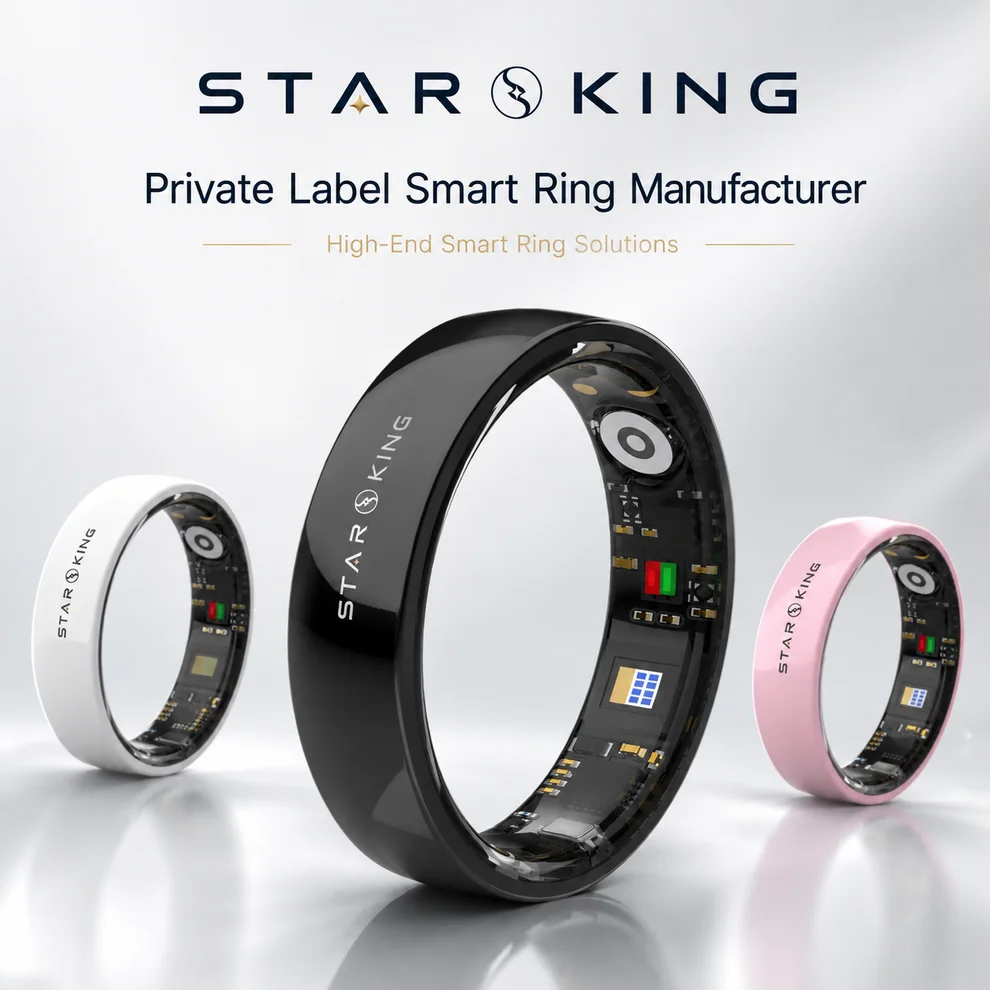
Who this service discussion is for
Brands, distributors, importers, startups and technology partners sourcing smart wearables or AI electronics. The required scope depends on your platform, markets and customization rather than a universal service package.
Star King is a brand powered by Chudong Technology Ltd., serving global B2B smart electronics buyers since 2000. Discuss product selection, branding, packaging and engineering requirements with the team. Confirm functions, deliverables, ownership and commercial terms for the selected project.
Build a user-led design brief
Describe the audience, wearing or handling situation, target market and brand position. Identify the interactions that matter: fit, controls, charging, visibility, audio or another supported workflow. Include size ranges and accessibility considerations.
Reference products can communicate preferences but do not grant permission to copy protected designs. Provide your own brand guidelines and explain what should be distinctive. Separate appearance changes on an existing platform from a new form factor requiring engineering review.
Balance design direction with technical constraints
Discuss dimensions, component space, battery, sensors, radio, thermal behavior and assembly needs with the engineering team. A concept must leave room for required functions and the charging or accessory arrangement.
Consider materials, colors, finishes and practical wear or handling. Ask how the proposed surfaces behave under the intended use and how they can be evaluated on samples. Images or renderings communicate direction but do not demonstrate final fit, finish durability or production readiness.
Agree design outputs and review stages
Define concepts, renderings, drawings, physical appearance samples and source deliverables included in the proposal. State the number of review rounds, approval owners and how requests beyond the agreed scope are handled.
Record ownership of commissioned design work and the use of any background platform. Confirm confidentiality and what files are needed for mechanical engineering or tooling. An approved visual concept should be followed by checks of ergonomics and technical feasibility.
Validate the design before tooling or production
Use representative samples to review dimensions, fit, handling, control access and charging. Document the materials and finish proposed for the actual product. Resolve issues before treating the concept as a production specification.
Hand over the approved design with revision records, drawings and acceptance requirements. Confirm the relationship between appearance samples and production samples. Review labels, manuals and packaging so the design supports the complete branded user experience.
Project roadmap and approval gates
- Submit user context, brand direction and technical constraints.
- Review concepts and platform feasibility.
- Evaluate appearance and ergonomic samples.
- Approve design revision, ownership and engineering handover.
Keep a written decision at each gate. Record open requirements and approved changes so the quotation, sample, engineering outputs and production configuration remain aligned.
Scope, deliverables and acceptance checklist
Use this matrix to prepare the buyer brief and confirm what evidence or agreement is needed before moving forward.
| Design area | Buyer input | Review deliverable |
|---|---|---|
| User experience | Fit, interactions and environment | Ergonomic requirements |
| Brand | Guidelines, materials and appearance | Concepts and proposed finishes |
| Constraints | Functions, dimensions and accessories | Feasibility review |
| Ownership | Required files and rights | Deliverable and IP agreement |
| Handover | Acceptance and production target | Approved revision and sample record |
Frequently asked questions
Can an existing wearable have a new appearance?
Discuss the reference platform and desired changes. Available colors or finishes differ from new enclosures or form factors, which may require additional engineering and tooling.
Does a rendering prove the product can be manufactured?
No. Review technical constraints and evaluate representative samples before approving tooling or production.
Who owns the industrial design files?
Agree commissioned deliverables, background design rights, source files and permitted use in the project terms.
What should a design brief include?
Include users, use environment, brand direction, reference preferences, dimensions, functions, target markets and the required handover files.
Related services and procurement resources
Prepare your OEM/ODM project brief
Send the product or reference model, intended use, target countries, estimated quantity and schedule. Add customization, software interfaces, required documents and acceptance criteria. Identify confidential files before sharing a BOM, drawing or proprietary workflow.
Request a written proposal that separates samples, engineering, tooling, product supply, packaging and delivery. MOQ, lead time and included support are confirmed for the actual configuration.
Start an OEM Project Submit a BOM or Reference File