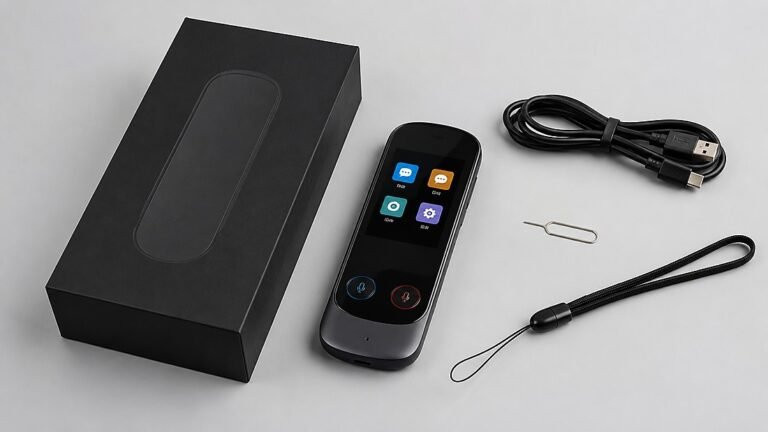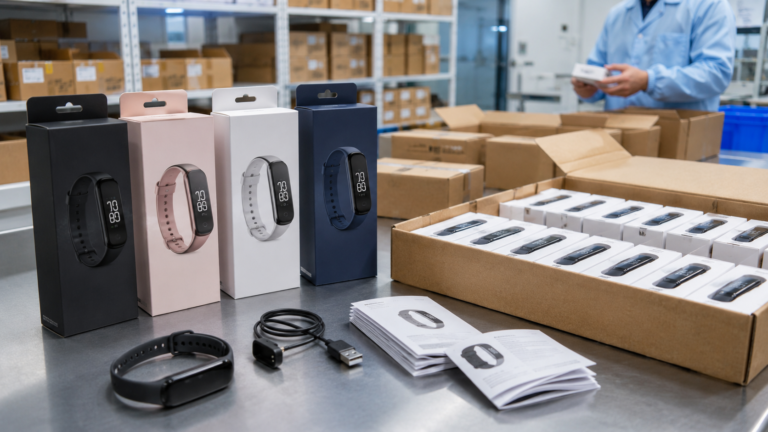
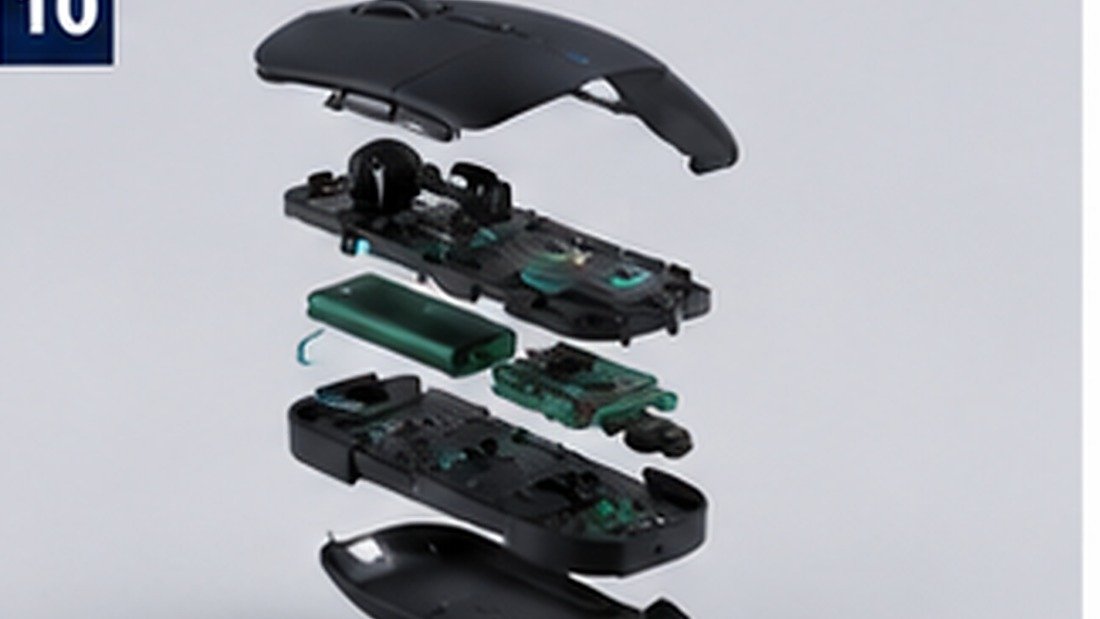
AI voice mouse suppliers: How Middle East Distributors Should Evaluate an AI Voice Mouse for Private Label in 2026: 7-Point RFQ Checklist
AI voice mouse suppliers buyers need a supplier evaluation process that checks product fit, OEM/ODM capability, compliance documents, quality control, pricing, lead time, and after-sales support before placing a bulk order.
Table of Contents
Table of Contents
How Middle East Distributors Should Evaluate an AI Voice Mouse for Private Label in 2026: 7-Point RFQ Checklist
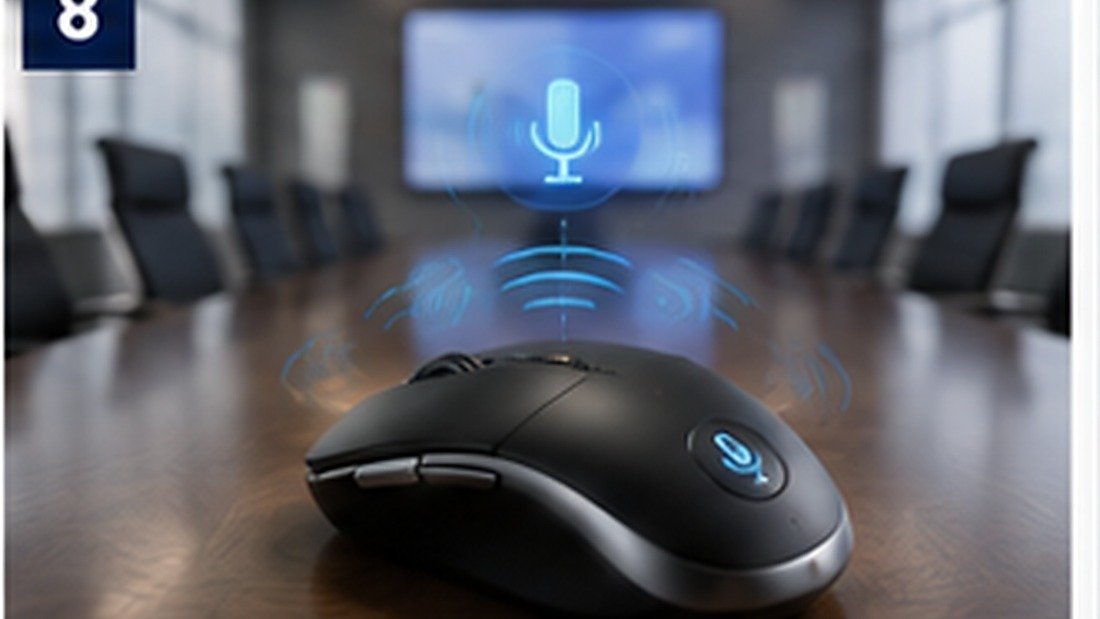
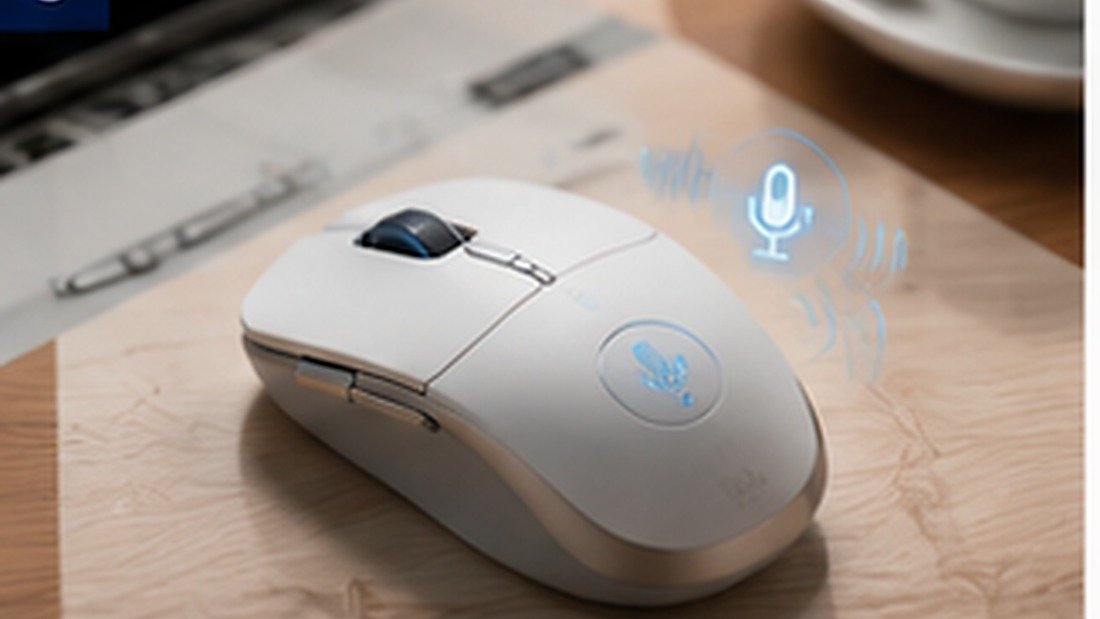
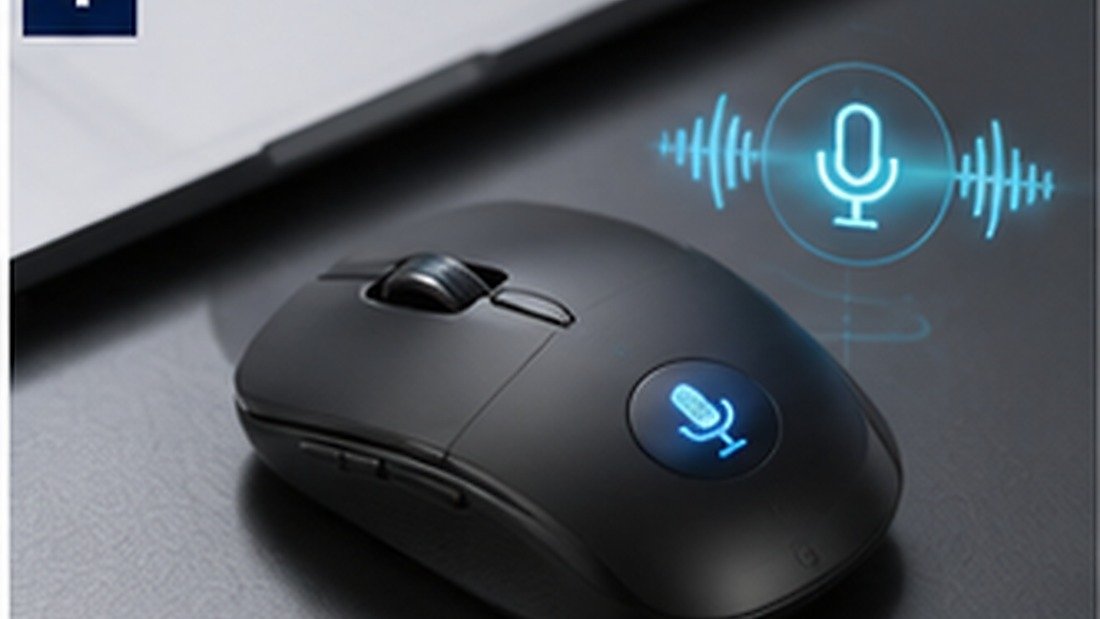
An AI voice mouse for Middle East distributors is a wireless or USB input device that captures spoken input and turns it into text or commands inside desktop software, and for distributors the buying decision usually comes down to one question: does the device deliver dependable Arabic or bilingual voice-to-text performance at a price and MOQ that support local resale. In most cases, the commercial risk sits less in the hardware and more in language quality, compliance paperwork, and after-sales support. This guide walks through seven evaluation points you can turn directly into an RFQ. Distributors evaluating private-label AI hardware can compare baseline options on the AI Voice Mouse product page before opening a supplier discussion.
AI voice mouse suppliers: Table of Contents
- Short Answer: What Should Middle East Distributors Know?
- Key Takeaways
- Key Facts for Buyers
- Why the Middle East Is an Attractive Market for Voice Input Devices
- Step 1: Define the Language Matrix Before You Compare Hardware
- Step 2: Separate Hardware, Firmware, App, and Cloud Layers
- Step 3: Map Certifications to Each Destination Country
- Step 4: Plan for Lithium Battery Shipping and Documentation
- Step 5: Understand MOQ, Tooling, and How Packaging Affects Unit Economics
- Step 6: Decide Between OEM, ODM, and Light Private Label
- Step 7: Engineer Support, Warranty, and Spare Parts Before Launch
- OEM vs ODM vs Private Label Comparison Table
- Common Mistakes and Distributor Red Flags
- Practical Buyer Checklist for an AI Voice Mouse RFQ
- Frequently Asked Questions
- Conclusion
Short Answer: What Should Middle East Distributors Know?
A successful AI voice mouse program for the Middle East depends on three things in order: documented Arabic and bilingual voice-to-text quality, certification and battery documentation appropriate to each destination market, and an MOQ, packaging plan, and warranty structure that protect your margin and after-sales reputation. Hardware specs are easy to compare; language quality and compliance paperwork are where distributors usually gain or lose money. Treat every specification as something you must verify with samples and documentation, not marketing copy.
Key Takeaways
- Language performance, not mouse ergonomics, is the primary technology risk for AI voice mouse buyers in the Middle East.
- Certification requirements typically depend on the specific product configuration and destination country; buyers should verify before committing to volume.
- MOQ, tooling, and packaging customization usually drive the real minimum order value more than the unit cost itself.
- A lithium battery inside a wireless mouse affects shipping classification and documentation, so confirm battery paperwork early.
- Warranty, spare parts, and firmware update policy shape long-term cost of ownership for distributors and their resellers.
Key Facts for Buyers
| Factor | What Distributors Should Confirm |
|---|---|
| Product type | AI voice mouse (wireless/USB) with voice-to-text software integration |
| Primary buyer | Distributors, importers, and B2B resellers in the Middle East |
| Main evaluation risk | Arabic and bilingual voice-to-text accuracy and software stability |
| Typical MOQ driver | Logo, packaging, and firmware customization level |
| Compliance focus | Radio, EMC, safety, battery, and regional import rules per country |
| Documentation to request | Test reports, battery documents, software compatibility notes, warranty terms |
| Commercial lever | Sample testing, staged MOQ, and packaging reuse across future AI hardware |

Why the Middle East Is an Attractive Market for Voice Input Devices
Bilingual work environments, strong government digitization agendas, and high smartphone and PC penetration make the Gulf and wider Middle East a reasonable market for input devices that save typing time. Distributors in the region therefore need a repeatable RFQ process, not a single unit price, so they can evaluate every new AI hardware SKU on the same terms.
Step 1: Define the Language Matrix Before You Compare Hardware
Most AI voice mouse specifications look identical on a product page: connectivity, DPI, battery capacity, and a list of supported languages. The differences that decide whether the product succeeds in the Middle East appear only at the language layer. Before you compare suppliers, define the matrix you actually need.
- Which languages must be supported at launch? Arabic is often the baseline; many distributors also want English, and sometimes French, Turkish, or Urdu.
- Must voice-to-text handle right-to-left rendering correctly in common Windows and macOS text fields?
- Is offline voice-to-text required, or is cloud processing acceptable on the target device?
- How does the device switch between languages?
Current published product information for the AI Voice Mouse does not yet state the supported language list or right-to-left behavior, so this is a question to raise directly with the supplier and verify with samples: [STAR KING TO CONFIRM].

If you are building a broader AI input and productivity portfolio, it helps to compare how the same supplier handles related device categories such as AI translators, because language coverage and app logic often reuse the same development team.
Step 2: Separate Hardware, Firmware, App, and Cloud Layers
An AI voice mouse is not one product; it is at least four layers. Buyers who price it as a single unit tend to undercount the cost of software maintenance.
Hardware Layer
Connectivity, DPI, battery, microphone array, and physical durability. This is the easiest layer to compare and the least likely to be your competitive differentiator.
Firmware Layer
Firmware controls button mapping, power behavior, and how the device hands data to software. If you need custom key behavior for a vertical market, confirm the device supports firmware customization.
App and Driver Layer
Desktop software compatibility, hotkey conflicts, and driver stability are common sources of returns.
Cloud and Processing Layer
Whether voice-to-text is processed on-device or in the cloud affects latency, accuracy, data policy, and whether the device functions without a stable connection.
For each layer, confirm what is owned by the supplier, what is documented, and what can be customized for your private label.

If your buyers also sell office hardware bundles, the same four-layer thinking applies to voice-control devices and productivity accessories described in the AI office productivity solution overview.
Step 3: Map Certifications to Each Destination Country
Certification is the most frequently mishandled line item in an AI voice mouse RFQ, and it is also the one that can stop a shipment at customs. Requirements typically depend on the specific device configuration and destination market.
What to Ask For
- Radio or wireless approvals, if applicable
- EMC and safety documentation
- RoHS materials documentation
- Battery documentation where a rechargeable battery is present
How to Read the Answer
A supplier that presents one folder of certificates as universally valid is a warning sign. The correct answer explains that approvals are typically issued for a specific product configuration and destination market, and that the buyer must verify which documents apply.
As a general reference, radio equipment rules and product safety frameworks are published by regulators such as the U.S. FCC equipment authorization pages and the EU market rules summarized at EU product compliance guidance.
Step 4: Plan for Lithium Battery Shipping and Documentation
A wireless AI voice mouse generally contains a rechargeable lithium battery, so battery documentation matters.
- UN38.3 test reports: Confirm the battery is covered by a current test summary you can pass to forwarders.
- MSDS/SDS: Confirm this document exists for the battery configuration.
- Shipping mode: Confirm whether the supplier ships via air or sea.
Ask for these documents before you commit to a shipment schedule rather than after. If you are also sourcing other battery-powered devices, see the compliance note on the private label OEM/ODM solution page.
Step 5: Understand MOQ, Tooling, and How Packaging Affects Unit Economics
Distributors often anchor a new SKU on unit price. For AI input devices, the minimum order value is driven by customization far more than by the unit.
What Moves MOQ
- Logo printing or laser marking: usually lowest entry barrier.
- Retail packaging: a new box or insert with your artwork can raise the MOQ.
- Firmware or app branding: if splash screens or default settings are customized, the supplier may require engineering time plus minimum quantity.
- Tooling or industrial design changes: typically longest lead time and highest cost.
Choose the smallest customization set that supports your brand and channel. Retail packaging is usually the best first investment because it carries the brand on shelf, is easier to revise later, and can, in some cases, be reused for future AI hardware programs.
Distributors planning both smart wearables and AI hardware can look at private label wearables as a reference point for how packaging-led customization is usually structured.
Planning a private-label AI voice mouse program? At this stage, the most useful next step is to request samples with the specific language and packaging configuration you intend to sell, so the evaluation reflects your actual product rather than a generic demo unit.
Step 6: Decide Between OEM, ODM, and Light Private Label
For an evaluation-stage distributor, three models are realistic.
- Light private label: existing product, your logo, your packaging, approved language matrix. Fastest to market.
- ODM with modifications: existing platform plus some firmware, language, or packaging changes.
- Full OEM: more industrial design and tooling work, longer timeline.
For Middle East distribution, light private label is usually the lowest-risk first step because you can validate demand for voice input devices before funding deeper development.

The right level depends on your channel: retail chains usually benefit from branded packaging, while B2B resellers may value documentation and warranty terms over packaging.
Step 7: Engineer Support, Warranty, and Spare Parts Before Launch
Warranty is one of the few things that can erase an otherwise healthy margin, because every return has a cost even when a customer refund is not issued.
- Warranty term and process: Confirm length, what is covered, and who pays inward and outward freight.
- Spare parts: Ask about USB receivers, cables, and replaceable parts.
- Firmware updates: Clarify how updates are delivered and whether they can be applied easily in-market.
- Technical support: Establish an escalation contact and response time expectation.
- Return rates: If a supplier claims a very low defect rate for a new AI voice mouse SKU, ask for the basis of that number rather than accepting it.
OEM vs ODM vs Private Label Comparison Table
| Model | Customization Scope | Typical MOQ Pressure | Timeline | Best For |
|---|---|---|---|---|
| Light private label | Logo, packaging, selected settings | Lowest | Shortest | First market test |
| ODM with modifications | Firmware, language, packaging | Medium | Medium | Established distributors |
| Full OEM | Industrial design, tooling, software | Highest | Longest | Brands with committed volume |
Common Mistakes and Distributor Red Flags
Common Mistakes
- Evaluating the mouse as hardware only, without testing the voice-to-text software.
- Requesting certification documents after the order rather than as part of the RFQ.
- Choosing a packaging design that raises MOQ before first sales data exists.
- Assuming a warranty promise is operational without a defined return process.
Red Flags
- One certificate folder presented as globally valid.
- No clear answer on language and right-to-left support.
- MOQ that changes after samples are ordered.
- Vague or informal warranty language.
- Unwillingness to provide battery documentation before commitment.
Practical Buyer Checklist for an AI Voice Mouse RFQ
- Language matrix defined in writing, including right-to-left requirements
- Sample units tested for Arabic and bilingual voice-to-text accuracy
- Software compatibility confirmed for target operating systems
- Certification scope confirmed for each destination country
- Battery test summary and MSDS (or SDS) reviewed
- MOQ and lead time quoted per customization level
- Packaging artwork approval and reuse rights understood
- Warranty term, claim process, and freight responsibility documented
- Spare parts and firmware update path confirmed
- Private-label and brand-ownership terms clarified in writing
Distributors who plan several AI hardware categories should keep this checklist consistent across products, since the same questions apply whether you are evaluating an AI voice mouse or any other private label AI device.
Frequently Asked Questions
What MOQ should a Middle East distributor expect for an AI voice mouse?
MOQ typically depends on customization level. Logo-only programs usually carry lower minimums than programs that change packaging or firmware, so most distributors quote MOQ per customization tier rather than a single figure.
Can an AI voice mouse support Arabic voice-to-text?
Arabic support is a software and firmware question rather than a hardware one, so buyers should confirm the supported language list and test right-to-left rendering with sample units, since published product information may not yet list this.
Which certifications are required for Middle East markets?
Requirements typically depend on the specific device configuration and destination country. Distributors should ask for the relevant radio, EMC, safety, and battery documents per market and verify them with a local importer or customs authority.
How is a rechargeable AI voice mouse shipped?
Battery-powered devices are generally shipped under specific lithium battery rules. Ask the supplier for the battery test summary and MSDS or SDS and confirm forwarder requirements before booking logistics.
Can packaging be customized without full OEM tooling?
Yes. Light private label normally covers logo and packaging customization using an existing product platform, which avoids the cost and lead time of new tooling.
What should distributors verify before signing an annual volume commitment?
Verify sample performance, certification scope, battery documentation, warranty process, spare parts availability, and firmware update policy, then confirm that MOQ and lead time are stable across all the customization tiers you plan to order.
Conclusion
For a Middle East distributor, a good AI voice mouse program is built on language performance, verifiable compliance, and an MOQ and support structure that protect margin. The seven steps above turn a product page comparison into a real procurement decision, and the checklist gives you a repeatable way to score every supplier. Treat every specification as something to confirm with samples and documentation rather than accepting at face value. This evaluation-stage version of the list is deliberately about preparation, not commitment.
STAR KING CTA
When you are ready to move from evaluation to testing, request samples in the language, packaging, and configuration you plan to sell, and ask for a quotation that clearly separates unit cost, customization cost, and estimated lead time. You can start with the sample and quotation request page and discuss your AI voice mouse private label requirements directly with our team.
Discuss Your Smart Wearable OEM/ODM Project
Planning a smart ring, smart watch, smart band, AI glasses, AI translator, or AI voice mouse project? Contact STAR KING to discuss product positioning, sample testing, customization scope, certification requirements, lead time, and quotation details.

Team Star King

Scan WhatsApp QR code