AI translators for healthcare: How to Source AI Translators for Healthcare in Southeast Asia: 2026 Buyer’s Guide
How to Source AI Translators for Healthcare in Southeast Asia: 2026 Buyer’s Guide
For healthcare solution providers in Southeast Asia, sourcing AI translators for healthcare requires careful evaluation of language support, compliance, and hardware reliability. This guide helps you navigate specifications, OEM/ODM options, MOQ, and certification to make an informed purchase decision in 2026.
Table of Contents
Table of Contents
Table of Contents
- Short Answer
- Key Takeaways
- Key Facts for Buyers
- Why AI Translators for Healthcare?
- Critical Specifications to Evaluate
- OEM/ODM and Private Label Options
- Compliance and Certification
- MOQ, Cost, and Lead Time
- Common Mistakes and Red Flags
- Buyer Checklist
- FAQ
- Conclusion
Short Answer: What should healthcare providers in Southeast Asia look for in AI translators?
Healthcare providers in Southeast Asia should prioritize AI translators with robust language support (including local languages), clear audio, secure data handling, and relevant certifications (e.g., CE, FCC, RoHS). Evaluate suppliers for OEM/ODM flexibility, MOQ, and after-sales support. A pilot test with real-world scenarios is essential before bulk purchase.
Key Takeaways
- Focus on languages critical to your patient population, such as Bahasa, Thai, Vietnamese, and Filipino.
- Verify compliance with local regulations, including radio frequency and electrical safety standards.
- Consider private label and OEM options to align devices with your brand and specific clinical needs.
- Assess total cost of ownership, including MOQ, shipping, and potential import duties.
- Request samples and conduct pilot testing in clinical environments.
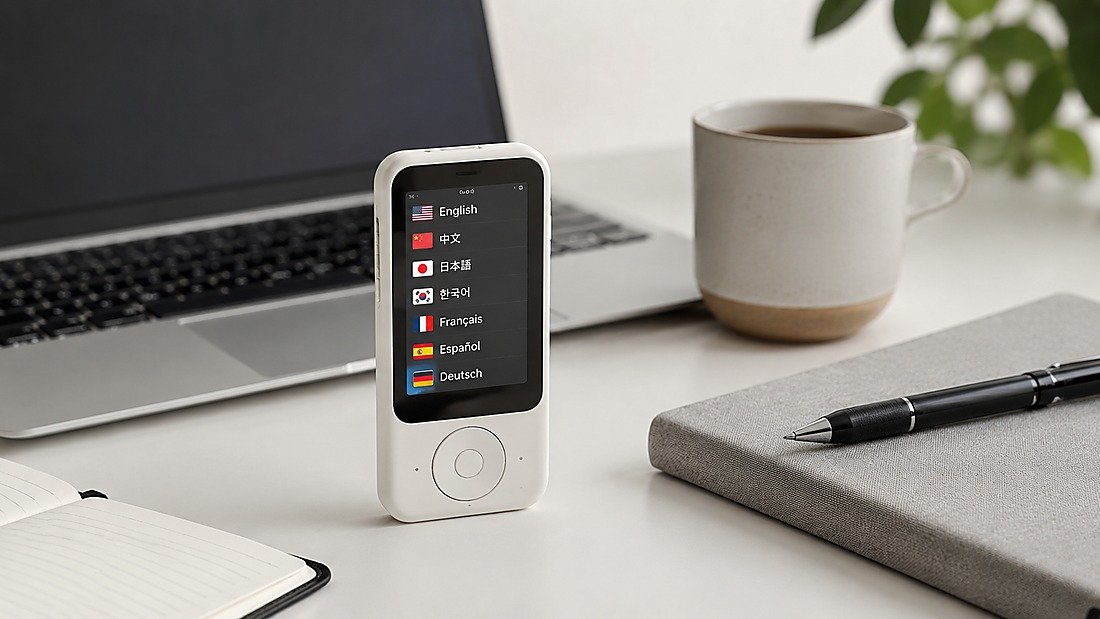
Key Facts for Buyers
| Factor | Considerations for Southeast Asia |
|---|---|
| Language Support | Must include major local languages; verify accuracy for medical terminology. |
| Connectivity | Wi-Fi, cellular, or offline mode; ensure coverage in rural clinics. |
| Certifications | CE, FCC, RoHS, and local equivalents (e.g., SIRIM in Malaysia, TISI in Thailand). |
| OEM/ODM | Customization of software, branding, and packaging; check MOQ and tooling costs. |
| MOQ | Typically 500-1000 units for OEM; lower for private label may be negotiable. |
| Lead Time | Sample: 2-4 weeks; mass production: 6-10 weeks after sample approval. |
| Compliance | Battery shipping (UN38.3), data privacy (PDPA in Singapore, Thailand). |
Why AI Translators for Healthcare in Southeast Asia?
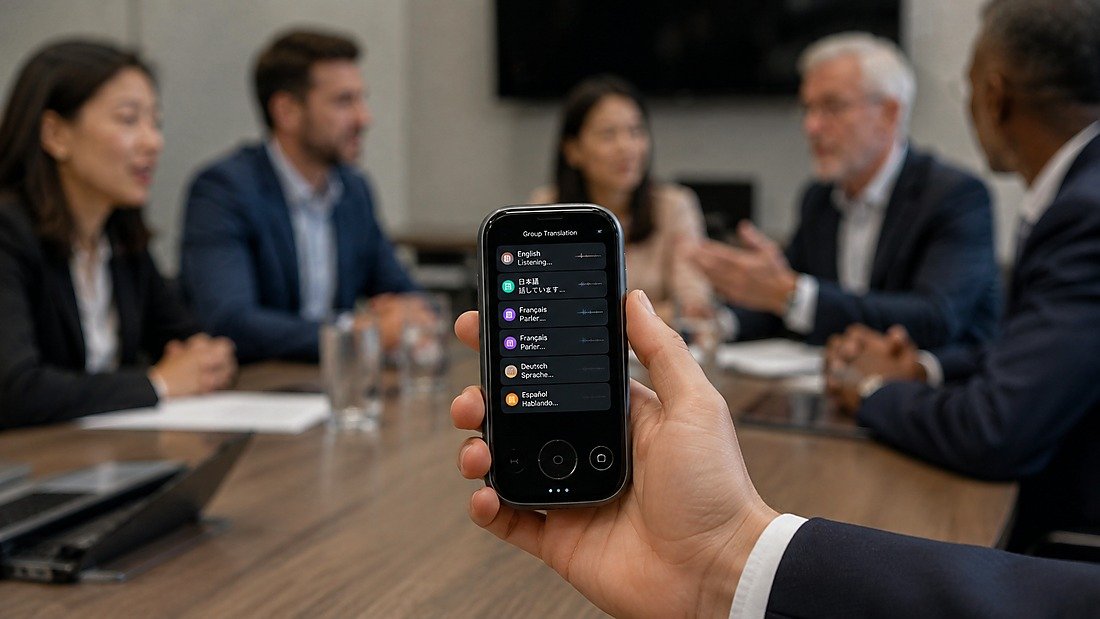
Southeast Asia’s linguistic diversity presents communication challenges in healthcare. With over 1,000 languages spoken, accurate translation is critical for patient safety and quality of care. AI translators offer real-time interpretation, reducing reliance on human interpreters and improving efficiency. For healthcare solution providers, offering these devices can be a valuable addition to your portfolio, addressing a growing need in hospitals, clinics, and telemedicine.
Moreover, the region’s digital health transformation, accelerated by the pandemic, has increased acceptance of technology-driven solutions. Governments are investing in smart healthcare infrastructure, creating opportunities for providers who can supply reliable, compliant devices.
Critical Specifications to Evaluate
Language Accuracy and Medical Terminology
Not all AI translators are equal. Test the device with medical phrases in target languages. Look for models that allow custom glossaries or can be fine-tuned for healthcare terms. AI Translators from reputable manufacturers often support multiple languages and may offer customization.
Audio Quality and Noise Cancellation
Healthcare settings can be noisy. Choose devices with dual microphones and noise cancellation to ensure clear capture of speech, especially for elderly patients or those with speech impediments.
Connectivity and Offline Capability
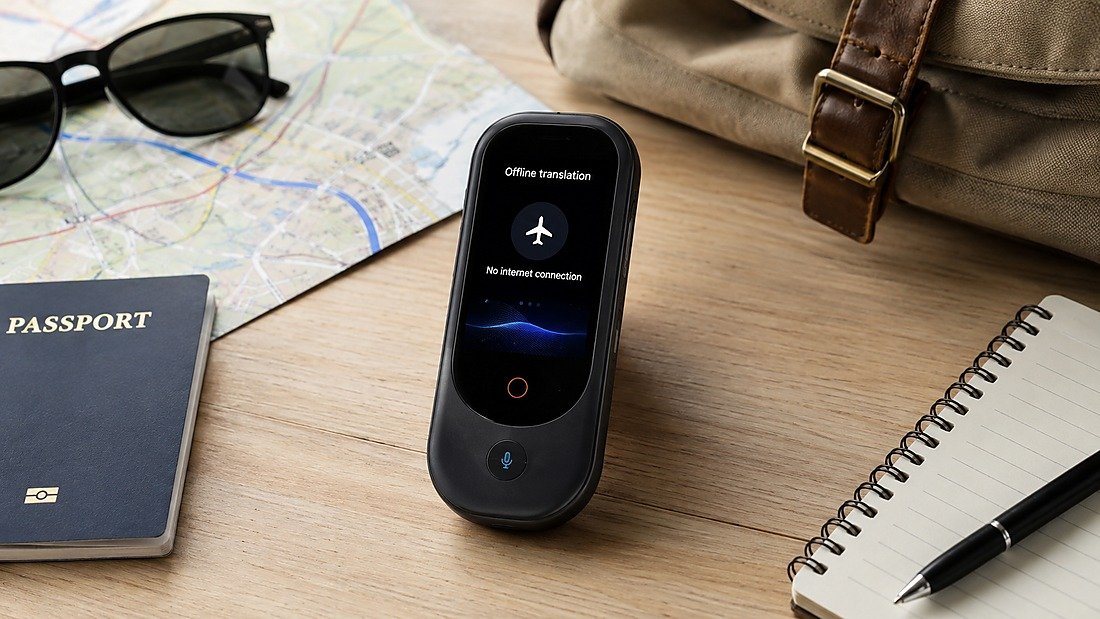
Reliable connectivity is essential, but offline mode is a backup for areas with poor network coverage. Determine whether the device requires a constant internet connection or has onboard processing.
Battery Life and Charging
Long shifts require all-day battery life. Look for devices with at least 8-10 hours of continuous use and fast charging options.
Data Privacy and Security
Ensure the device and accompanying app comply with local data privacy laws. Data should be encrypted in transit and at rest. Some devices may offer local processing to avoid transmitting sensitive information.
OEM/ODM and Private Label Options
For healthcare solution providers looking to differentiate, OEM/ODM and private label options allow you to customize devices. This can include:
- Software Customization: Adding your branding, preloading specific languages, or integrating with your existing systems.
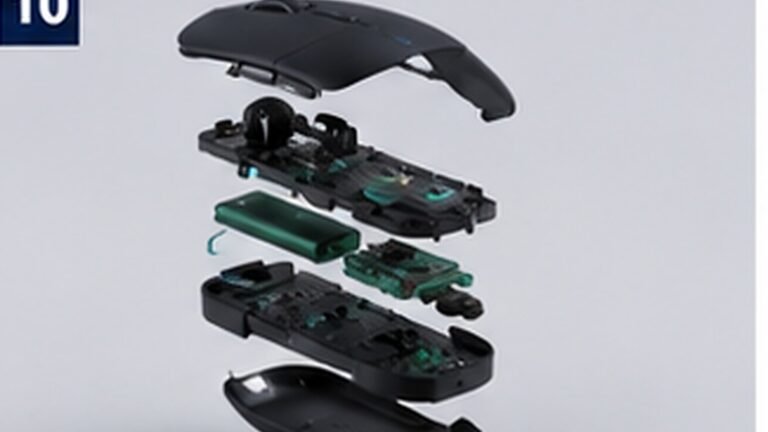
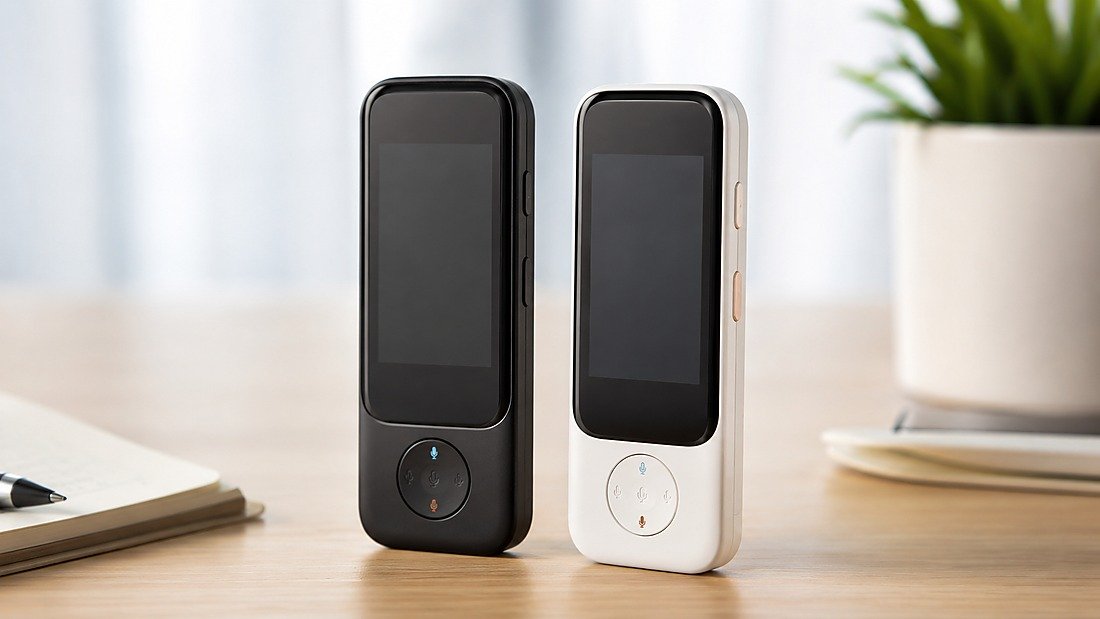
- Hardware Customization: Logo printing, custom colors, or even modifying the form factor for clinical use.
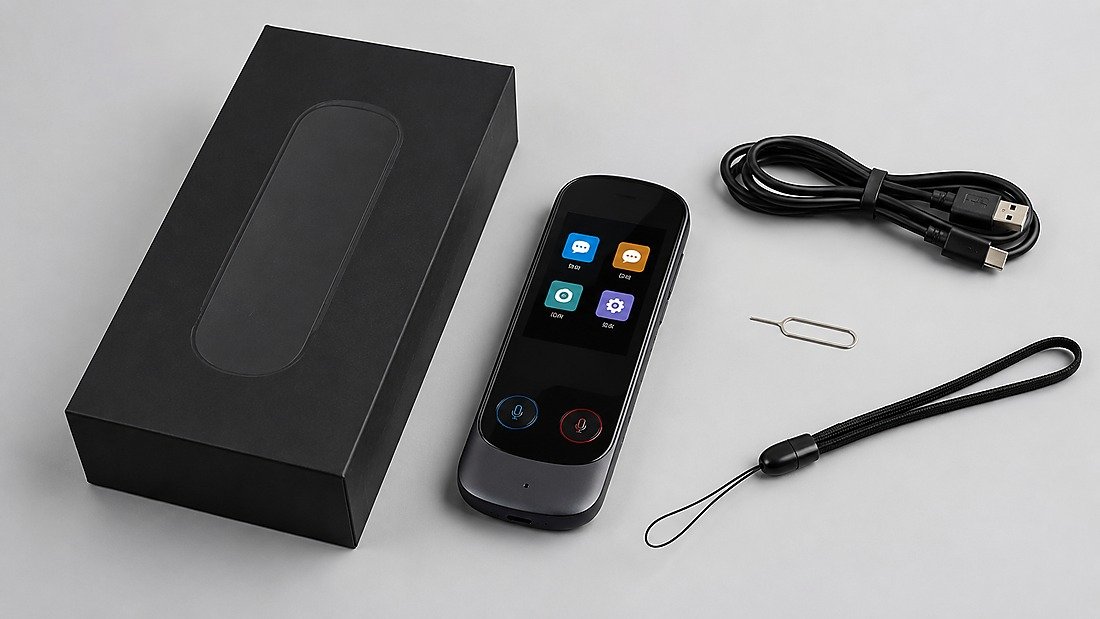
- Packaging and Documentation: Localized manuals and compliance labels.
When evaluating suppliers, ask about their Private Label OEM/ODM capabilities. MOQs for customization can vary; some suppliers may require higher volumes for tooling changes.
Compliance and Certification for Southeast Asia
Compliance is non-negotiable. In Southeast Asia, requirements vary by country. Common certifications include:
- Electrical Safety: IEC 62368-1 or equivalent.
- Radio Equipment: FCC (US) or CE (EU) may be accepted, but local approvals like SIRIM (Malaysia) or TISI (Thailand) are often required.
- Battery Safety: UN38.3 for lithium batteries, MSDS for shipping.
- Data Privacy: Compliance with Singapore’s PDPA, Thailand’s PDPA, etc.
Always verify with local authorities. For example, in Indonesia, devices must meet SDPPI regulations. Buyers should request test reports and certificates from suppliers. Note that certification requirements typically depend on the specific product configuration and target market. Work with suppliers who can provide documentation and support the certification process.
For official information, refer to the FCC and EU websites.
MOQ, Cost, and Lead Time
Understanding MOQ, cost drivers, and lead times is crucial for budgeting and planning.
| Factor | Typical Range | Notes |
|---|---|---|
| MOQ (OEM) | 500-1000 units | May be higher for custom tooling. |
| Unit Cost | $50-$200 | Depends on features, order volume. |
| Sample Cost | $100-$300 | Often refundable upon bulk order. |
| Lead Time (Sample) | 2-4 weeks | After specifications confirmed. |
| Lead Time (Mass) | 6-10 weeks | After sample approval. |
| Shipping | Air/Sea | Consider UN38.3 for batteries. |
Costs are influenced by features like language packs, connectivity, and customization. Always request a detailed quotation that includes all fees.
Common Mistakes and Red Flags
- Ignoring Local Language Support: Assuming English is enough; many patients speak only local languages.
- Overlooking Compliance: Importing devices without proper certification can lead to customs delays or fines.
- Underestimating MOQ: Not planning for minimum order quantities can disrupt supply.
- Skipping Pilot Testing: Failing to test in real clinical settings may reveal usability issues too late.
- Neglecting After-Sales: Ensure warranty, spare parts, and technical support are available.
- Red Flag: Supplier Cannot Provide Certificates: May indicate non-compliance.
- Red Flag: No Customization Options: Limits ability to tailor to your market.
- Red Flag: Unclear Data Privacy Policies: Risk of violating patient privacy laws.
Practical Buyer Checklist for AI Translators in Healthcare
- Define required languages and medical terminology coverage.
- Verify device certifications for each target country.
- Request samples and conduct pilot tests with healthcare staff.
- Evaluate OEM/ODM capabilities and MOQ.
- Confirm data privacy and security measures.
- Check after-sales support and warranty terms.
- Calculate total landed cost, including shipping and duties.
- Review supplier’s manufacturing and quality control processes.
- Negotiate a contract that includes IP protection and delivery timelines.
FAQ
1. What languages should AI translators support for Southeast Asia?
At minimum, Bahasa Indonesia, Thai, Vietnamese, Filipino, and Malay, in addition to English and Mandarin for medical tourism.
2. Do AI translators need to be certified for use in hospitals?
Certification requirements vary by country. Typically, electrical safety and radio equipment certifications are needed. Check with local health authorities.
3. What is the typical MOQ for private label AI translators?
MOQs often range from 500 to 1000 units for OEM/ODM projects, but some suppliers may offer lower MOQs for standard models with minor branding changes.
4. How long does it take to get samples and then mass production?
Sample lead time is usually 2-4 weeks. Mass production takes 6-10 weeks after sample approval, depending on order size and customization.
5. Can AI translators be integrated with existing healthcare systems?
Some devices offer APIs or SDKs for integration. Discuss with the supplier about compatibility with your EHR or telemedicine platforms.
6. What are the shipping considerations for AI translators with lithium batteries?
Lithium batteries must comply with UN38.3 and be shipped with MSDS. Air shipping may have restrictions; sea freight is common for bulk orders.
7. How can I ensure data privacy when using AI translators in healthcare?
Choose devices with end-to-end encryption and local processing where possible. Ensure the supplier complies with local data protection laws and provides a data processing agreement.
Conclusion
Sourcing AI translators for healthcare in Southeast Asia requires a strategic approach that balances functionality, compliance, and cost. By focusing on language accuracy, certification, and supplier reliability, healthcare solution providers can enhance patient communication and expand their service offerings. As the region’s digital health landscape evolves, early adoption of reliable AI translation tools can position your organization as a leader in inclusive care.
Ready to Equip Your Healthcare Solution with AI Translators?
STAR KING specializes in OEM/ODM smart hardware, including AI translators. We support healthcare solution providers with customizable devices, compliance documentation, and flexible MOQs. To discuss your specific requirements and receive a quotation, please request a quote or contact our team to schedule a consultation.
Discuss Your Smart Wearable OEM/ODM Project
Planning a smart ring, smart watch, smart band, AI glasses, AI translator, or AI voice mouse project? Contact STAR KING to discuss product positioning, sample testing, customization scope, certification requirements, lead time, and quotation details.

Team Star King

Scan WhatsApp QR code