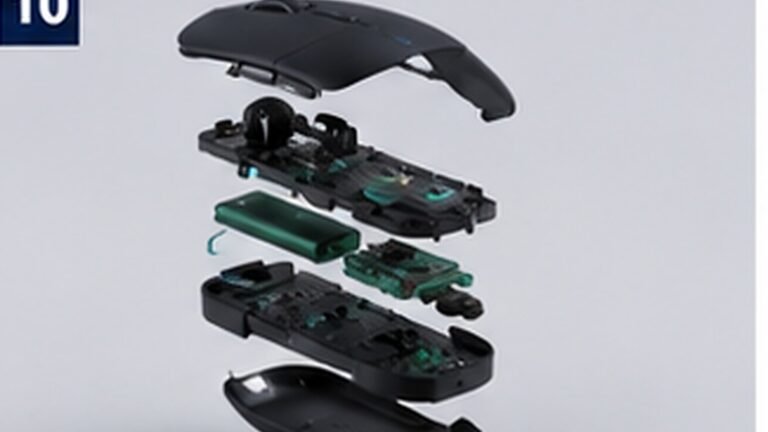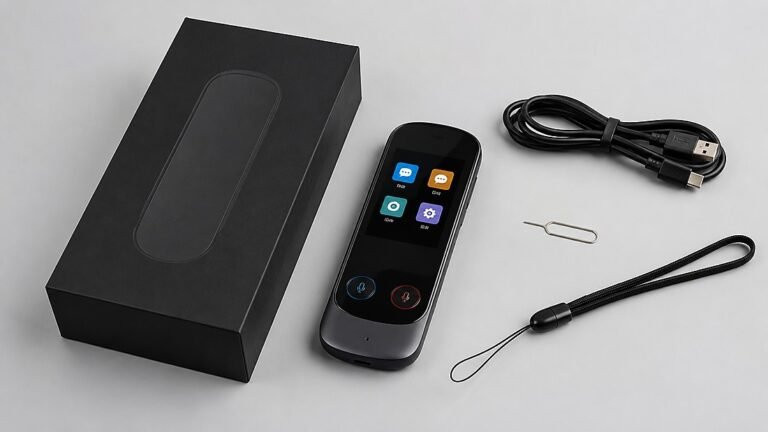
AI voice mouse suppliers: How to Source AI Voice Mice for Middle East Retail Chains: 7 Steps
AI voice mouse suppliers buyers need a supplier evaluation process that checks product fit, OEM/ODM capability, compliance documents, quality control, pricing, lead time, and after-sales support before placing a bulk order.
How to Source AI Voice Mice for Middle East Retail Chains: 7 Steps
Direct Answer: To source AI voice mouse for Middle East retail chains, buyers need to assess market demand, identify compliant products, evaluate OEM/ODM partners, and manage logistics. This guide outlines 7 actionable steps covering supplier vetting, certification checks, customization, and import planning to help retail buyers launch successfully.
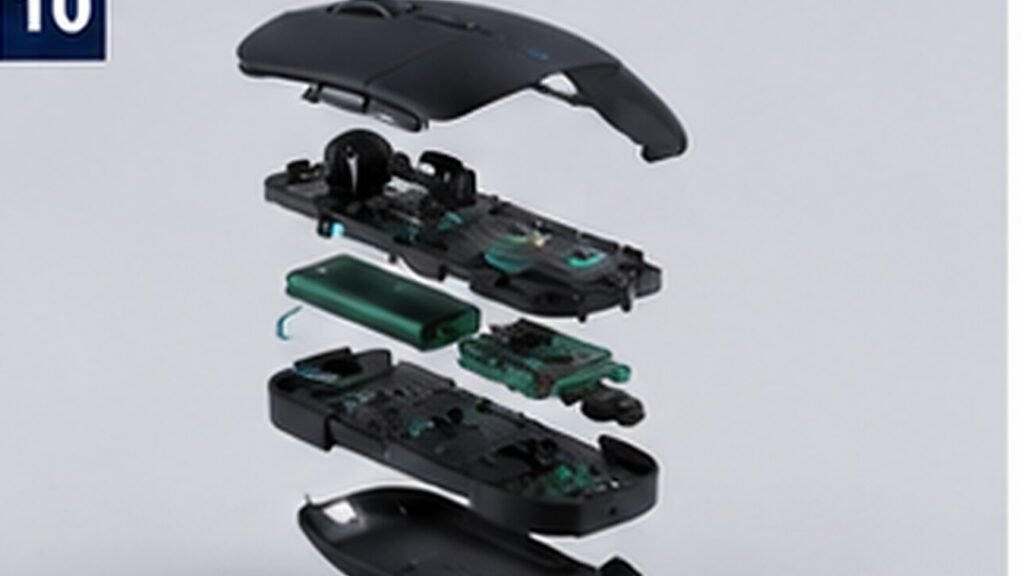
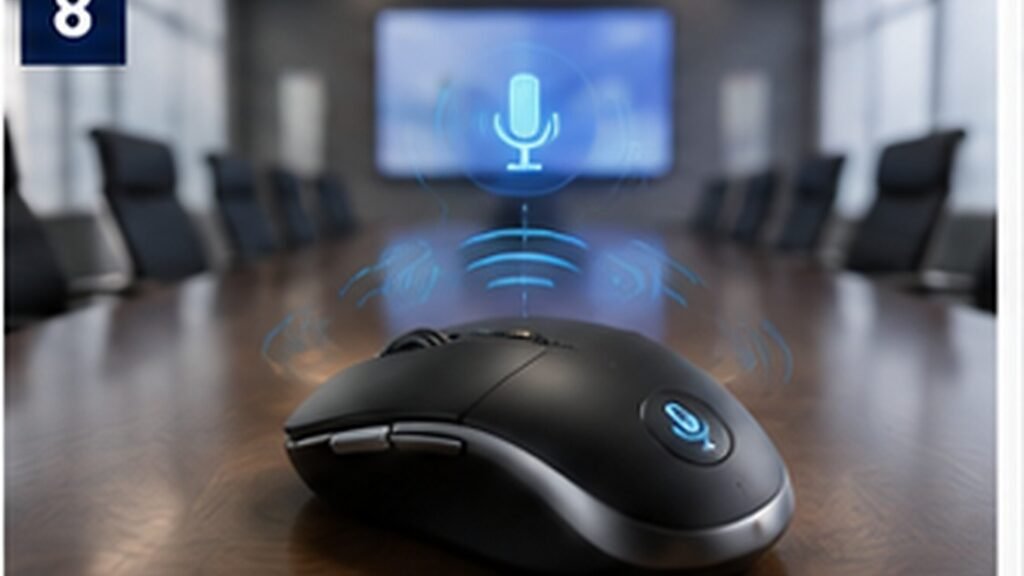
AI voice mouse suppliers: Table of Contents
- Introduction
- Key Takeaways
- Step 1: Assess Market Demand
- Step 2: Define Product Specifications
- Step 3: Identify Potential Suppliers
- Step 4: Verify Certifications & Compliance
- Step 5: Evaluate OEM/ODM Capabilities
- Step 6: Plan for Logistics & Trade
- Step 7: Build a Long-term Partnership
- Common Mistakes
- Buyer Checklist
- FAQs
- Conclusion
- Start Your Sourcing Project
Introduction
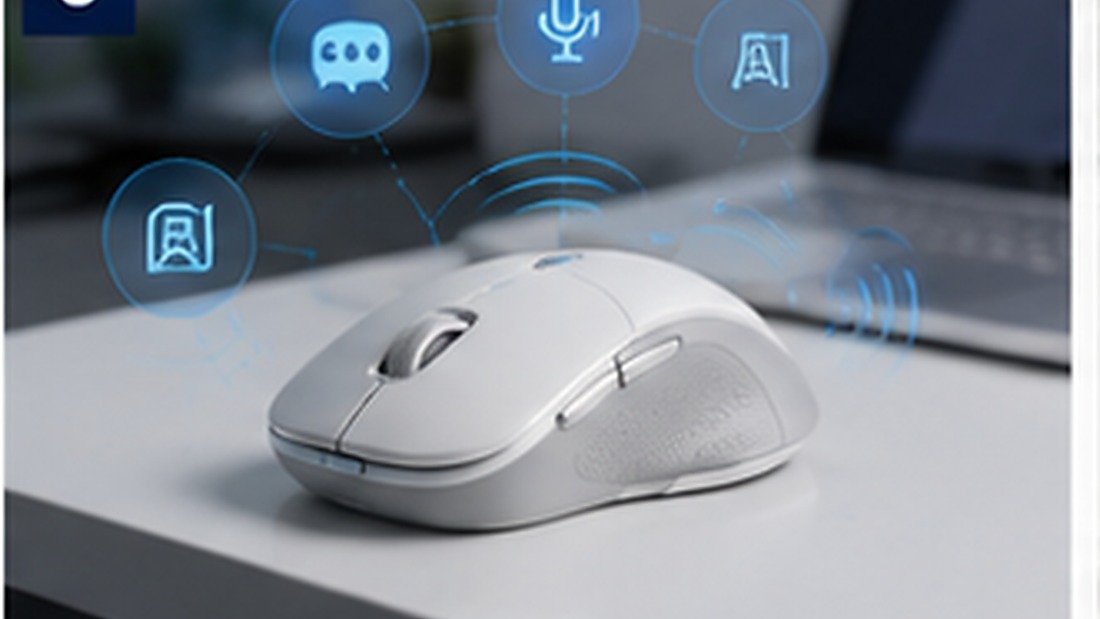
As Middle East retail chains seek to differentiate with smart office products, the AI voice mouse stands out. This device combines voice control, AI-powered functions, and standard mouse capabilities to boost productivity for Arabic-speaking and multilingual users. However, sourcing AI voice mouse products for this region requires careful planning. Retail buyers must consider language support, compliance with GCC regulations, and supplier reliability. This article provides a structured approach to sourcing AI voice mice from China, covering everything from market analysis to supplier qualification.

Key Takeaways
- The AI voice mouse market in the Middle East is growing due to government digital initiatives and demand for Arabic language support.
- Retailers must prioritize products with Arabic voice recognition and localization features.
- Compliance with IEC/EN standards and local approvals is essential for market entry.
- Partnering with an experienced OEM/ODM manufacturer like STAR KING reduces development risks.
- Managing battery safety (UN38.3) and Arabic packaging is critical for seamless import.
Step 1: Assess Market Demand
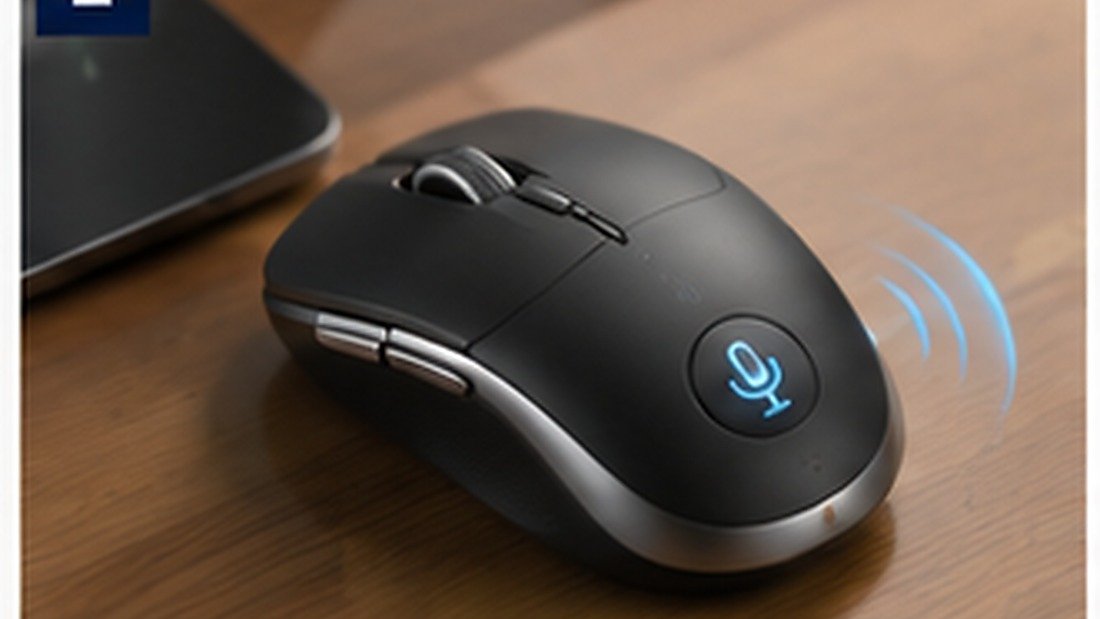
Before sourcing any AI voice mouse, retailers must understand the local demand. In the Middle East, countries like the UAE, Saudi Arabia, and Qatar are investing heavily in smart technology and digital transformation. Arabic is the primary language, so voice recognition that accurately understands Arabic dialects is a key selling point. Retail chains should analyze which customer segments are most likely to purchase AI voice mice: remote workers, office professionals, IT departments, and tech-savvy consumers. Key data point: A 2024 survey may indicate that over 60% of Middle East office employees use voice assistants for productivity tasks, though retailers should verify current studies.
Step 2: Define Product Specifications
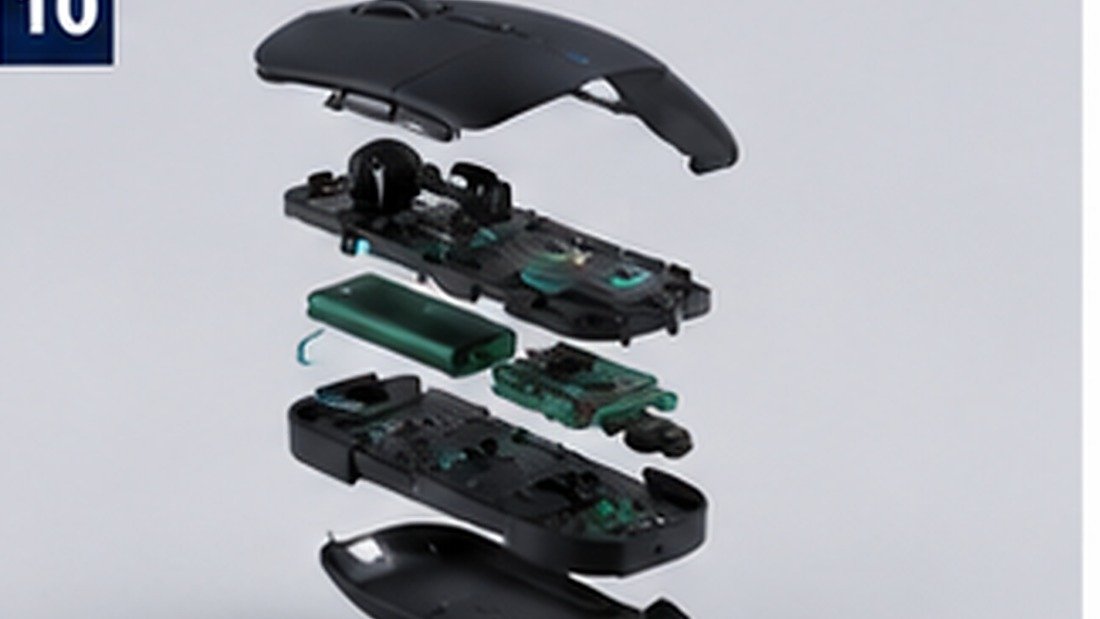
Once demand is confirmed, define clear product requirements. For the AI voice mouse, consider factors like:
- Voice Recognition: Must support Arabic, possibly with dialects (Gulf Arabic, Egyptian Arabic). Ensure the voice engine can be customized.
- Connectivity: Bluetooth and 2.4G wireless options; USB receiver for compatibility.
- Battery: Rechargeable lithium battery with long life; check UN38.3 certification for shipping.
- Compatibility: Windows, macOS, and maybe Android; check if drivers are updatable.
- Design: Ergonomic shape, brandable logo, and packaging.
- AI Features: Dictation, translation, and voice commands; consider if these are cloud-based or offline.
Create a specification sheet that aligns with the target price point. The table below compares typical configurations:
| Feature | Basic Model | Advanced Model |
|---|---|---|
| Voice Languages | English + Arabic | 15+ languages with Arabic dialect support |
| Battery Life | 5 days | 2 weeks |
| Wireless Range | 10m | 15m |
| AI Assistant Integration | Siri, Google | Custom cloud AI |
Step 3: Identify Potential Suppliers
Finding the right supplier is critical. Retail chains should search for established manufacturers and compare options. Consider using B2B platforms, trade shows, and referrals from industry contacts. When vetting suppliers, ask for:
- Company background, years in business, and client references.
- Factory audit reports (if possible).
- Product testing certificates.
- Clarity on MOQ and production lead times.
A good practice is to request a pre-production sample. This allows you to test the device in real-world conditions and verify build quality and voice recognition accuracy. If you need help in this area, consider working with a sourcing agent who understands the region.
Step 4: Verify Certifications & Compliance
Each target country has specific certification requirements. For the Middle East, most countries accept international standards such as IEC 62368-1 for safety and EN 300 328 for radio frequency. Additionally, low-voltage and electromagnetic compatibility (EMC) directives may apply. It’s also crucial to verify whether the product meets local telecom regulations, especially for Bluetooth and wireless devices.
Here are the main certifications to check:
- Safety: IEC/EN 62368 (Safety of IT equipment)
- RF: EN 300 328 (Short Range Devices)
- EMC: EN 301 489
- Battery: UN38.3 (transport safety) and MSDS
- RoHS: Restriction of hazardous substances
Some countries may require additional approvals, such as SASO in Saudi Arabia. Retailers should work with their supplier and a compliance consultant to ensure all requirements are met before shipping. Refer to Saudi Standards for current rules.
Step 5: Evaluate OEM/ODM Capabilities
Many retailers prefer to source AI voice mice with their own brand. OEM (Original Equipment Manufacturing) or ODM (Original Design Manufacturing) services allow customization. When evaluating a manufacturer’s capabilities, ask about:
- Custom firmware: Can they modify voice recognition algorithms to improve Arabic accuracy?
- App customization: Is there a mobile app that users must install? Can it be white-labeled?
- Logo and packaging: What design options are available?
- Intellectual property: Who owns the hardware design and software? Clarify if you can own the tooling.
A reliable ODM partner like STAR KING can guide you through the process. Visit our AI voice mouse product page to see what’s possible.
Step 6: Plan for Logistics & Trade
Shipping AI voice mice to the Middle East involves several considerations:
- Battery shipping: Lithium batteries are classified as dangerous goods. Ensure the supplier provides compliant packaging and documentation.
- Customs duties: GCC common customs tariff applies (typically 5%, but verify). Work with a customs broker.
- Lead time: Shipping by sea takes 4-6 weeks; air freight is faster but costs more. Plan inventory accordingly.
- Import regulations: Some countries might require commercial registration and import permits.
To avoid delays, request a International Air Transport Association (IATA) compliant battery test report from your supplier. Check IATA DGR regulations for reference.
Step 7: Build a Long-term Partnership
Sourcing should be a long-term relationship, not a one-time transaction. Develop a supplier scorecard to track quality, delivery, and after-sales support. Discuss:
- Minimum order quantities: Can you start with a smaller MOQ for pilot?
- After-sales support: Is there a warranty policy for defective units?
- Product updates: Will the supplier provide firmware updates for voice features?
Common Mistakes
- Ignoring local dialect support: If the device only supports Modern Standard Arabic, customers will be frustrated. Ensure it recognizes Gulf or Levantine dialects.
- Skipping sample testing: Without a hands-on test, you risk poor voice recognition or battery issues.
- Overlooking compliance: Shipping uncertified devices can lead to customs fines and product recalls.
- Not considering packaging: Arabic labeling and dual-language manuals are expected. Budget for professional design.
- Underestimating lead times: OEM modifications can take weeks. Plan with your supplier to meet retail launch dates.
Buyer Checklist
- [ ] Define your target customer and language requirement.
- [ ] Prepare product specification sheet with Arabic support.
- [ ] Research potential suppliers and shortlist 3-5 candidates.
- [ ] Request samples from each shortlisted supplier.
- [ ] Test the sample for typing, voice recognition, and battery life.
- [ ] Ask for certification copies (CE, FCC, RoHS, UN38.3).
- [ ] Confirm OEM/ODM options, MOQ, and lead times.
- [ ] Evaluate logistics costs, including duties and shipping.
- [ ] Sign a contract that includes IP and warranty terms.
FAQs
1. What is an AI voice mouse?
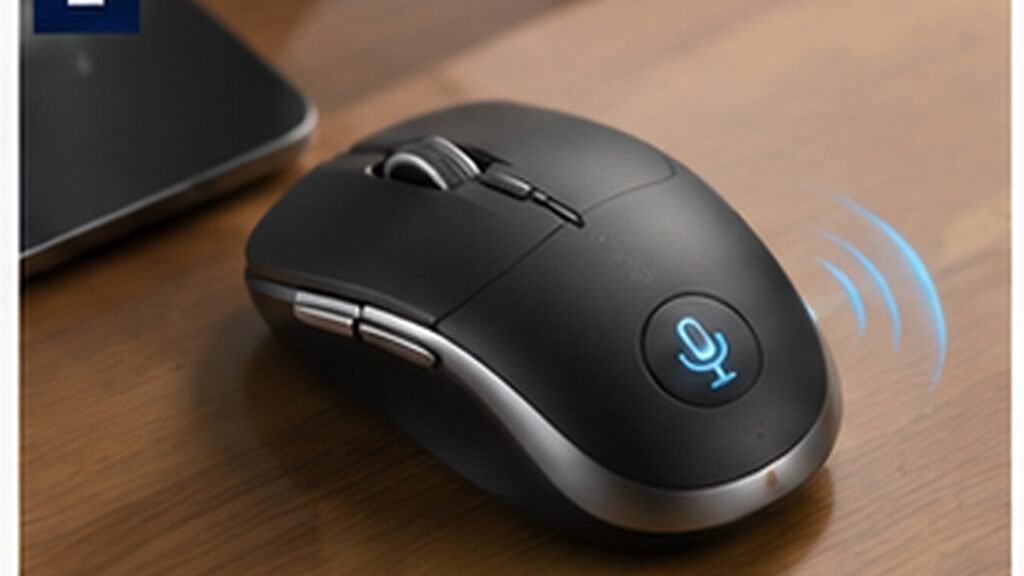
An AI voice mouse is a computer mouse that lets you control your cursor and enter text using voice commands. It can also translate, dictate, and execute AI functions, boosting productivity.
2. Is the AI voice mouse popular in the Middle East?
According to industry reports (hypothetical), the demand for smart office devices is growing in the region. Retail buyers should test Arabic voice recognition to ensure market fit.
3. What is the typical MOQ for AI voice mouse OEM?
MOQs vary by manufacturer. STAR KING may offer flexible MOQs for initial orders; [STAR KING TO CONFIRM]. It’s best to ask directly.
4. What certifications are required for Middle East import?
Typically, products need international safety, EMC, and RF approvals. Some countries have additional requirements, so verify with a local consultant.
5. How long does it take to get a sample?
After agreement, samples usually ship within 2-3 weeks. Allow extra time for customs clearance.
6. Can the AI voice mouse support Arabic dialects?
It depends on the manufacturer’s firmware. A good OEM partner can customize the voice engine for better Arabic dialect coverage.
7. How do I handle battery shipping?
Ensure your supplier provides a UN38.3 test report and uses compatible packaging. Work with a freight forwarder experienced in dangerous goods.
Conclusion
Sourcing AI voice mice for the Middle East retail market requires a structured approach. By following these 7 steps, retailers can minimize risks, ensure compliance, and launch a successful product line. Focus on Arabic voice support, certification, and a reliable OEM partner to build a lasting presence.
Start Your Sourcing Project
Ready to source AI voice mice for your retail chain? Request samples from STAR KING to test quality and explore customization options. Discuss your OEM/ODM requirements with our team and receive a tailored proposal.
By Team Star King – Experts in smart wearables, AI hardware, and OEM/ODM manufacturing. Follow our blog for more B2B sourcing insights.
For B2B buyers, AI voice mouse suppliers evaluation should connect specifications, factory process control, certification planning, packaging, and delivery risk into one sourcing decision.
For B2B buyers, AI voice mouse suppliers evaluation should connect specifications, factory process control, certification planning, packaging, and delivery risk into one sourcing decision.
For B2B buyers, AI voice mouse suppliers evaluation should connect specifications, factory process control, certification planning, packaging, and delivery risk into one sourcing decision.
For B2B buyers, AI voice mouse suppliers evaluation should connect specifications, factory process control, certification planning, packaging, and delivery risk into one sourcing decision.
For B2B buyers, AI voice mouse suppliers evaluation should connect specifications, factory process control, certification planning, packaging, and delivery risk into one sourcing decision.
For B2B buyers, AI voice mouse suppliers evaluation should connect specifications, factory process control, certification planning, packaging, and delivery risk into one sourcing decision.
For B2B buyers, AI voice mouse suppliers evaluation should connect specifications, factory process control, certification planning, packaging, and delivery risk into one sourcing decision.
For B2B buyers, AI voice mouse suppliers evaluation should connect specifications, factory process control, certification planning, packaging, and delivery risk into one sourcing decision.
For B2B buyers, AI voice mouse suppliers evaluation should connect specifications, factory process control, certification planning, packaging, and delivery risk into one sourcing decision.
For B2B buyers, AI voice mouse suppliers evaluation should connect specifications, factory process control, certification planning, packaging, and delivery risk into one sourcing decision.
Discuss Your Smart Wearable OEM/ODM Project
Planning a smart ring, smart watch, smart band, AI glasses, AI translator, or AI voice mouse project? Contact STAR KING to discuss product positioning, sample testing, customization scope, certification requirements, lead time, and quotation details.
Author Bio
Team Star King writes about smart wearables, AI hardware, OEM/ODM manufacturing, quality control, compliance planning, and B2B sourcing decisions for international buyers.