10 Checks Importers Must Perform Before Selecting a Smart Watch Manufacturer for the US Market
10 Checks Importers Must Perform Before Selecting a Smart Watch Manufacturer for the US Market
Importers entering the US smart watch market need a reliable manufacturing partner, but choosing the wrong supplier can result in compliance failures, quality issues, and unexpected costs. This guide outlines 10 critical checks importers should perform when evaluating a smart watch manufacturer for the US market, covering certifications, OEM/ODM capabilities, MOQ, quality control, and logistics.
Short Answer: What Should Importers Check in a Smart Watch Manufacturer?
Importers should verify a manufacturer’s quality control systems, relevant certifications (e.g., FCC, RoHS, battery safety), OEM/ODM experience, MOQ flexibility, lead times, and logistics capabilities. They must also assess the manufacturer’s track record, financial stability, and ability to support firmware and app customization. A thorough factory audit and sample validation are essential before committing.
Table of Contents
- Introduction
- Key Takeaways
- 1. Verify Quality Control and Factory Audits
- 2. Confirm Certification and Compliance for the US
- 3. Evaluate OEM/ODM Experience and Process
- 4. Assess MOQ, Pricing, and Hidden Costs
- 5. Review Firmware and App Customization Capabilities
- 6. Understand Battery Safety and Logistics
- 7. Check Lead Times and Production Planning
- 8. Evaluate Intellectual Property Protection
- 9. Review Warranty, After-Sales, and Spare Parts
- 10. Red Flags and Warning Signs
- Buyer Checklist
- FAQ
- Conclusion
Key Takeaways
- Always verify a manufacturer’s quality control processes and factory audits before partnership.
- US market entry requires certifications like FCC, RoHS, and battery safety (UN38.3).
- OEM/ODM capabilities determine customization flexibility for branding, firmware, and design.
- Understand MOQ, pricing breakdowns, and hidden costs to avoid budget overruns.
- Battery and logistics compliance are critical for safe importation.
- Plan for lead times and have contingency strategies.
- Protect your intellectual property with clear contracts.
Introduction
The US smart watch market is growing rapidly, presenting a significant opportunity for importers. However, success depends on selecting a reliable manufacturing partner. As an importer, you must evaluate more than just price and product features; you need a supplier that can meet US compliance standards, deliver high-quality products consistently, and support your business goals through flexible OEM/ODM services. This article provides a structured checklist to help you make an informed decision, reduce risk, and build a profitable smart watch line.
1. Verify Quality Control and Factory Audits
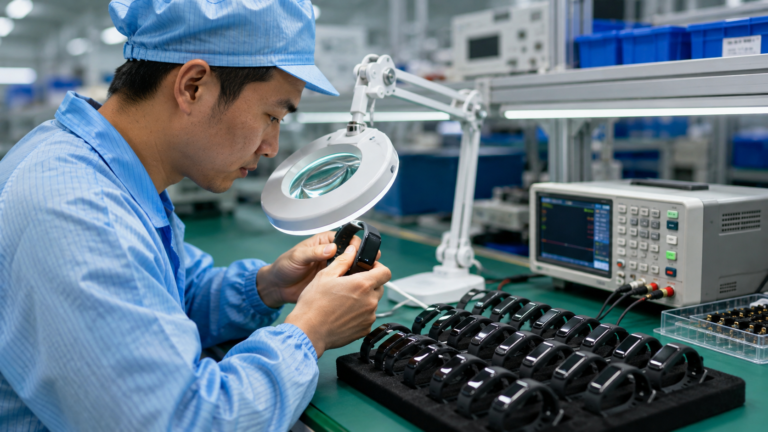
Before signing a contract, conduct a thorough factory audit. Look for a manufacturer that has a robust quality management system in place. Ask about their incoming material inspection, in-process quality checks, and final pre-shipment inspection procedures. A reputable manufacturer will welcome audits and provide transparent documentation. During the audit, observe the factory’s cleanliness, equipment maintenance, and employee training. You can also request references from existing clients, especially those serving the US market.
Consider hiring a third-party inspection agency to verify the factory’s capabilities and compliance. This step can uncover issues that may not be visible during a virtual tour. Remember, a factory that demonstrates consistent quality control is more likely to deliver products that meet your expectations and reduce returns.
2. Confirm Certification and Compliance for the US
Smart watches intended for the US market must comply with Federal Communications Commission (FCC) regulations. Additionally, the Restriction of Hazardous Substances (RoHS) directive is often required by US retailers and may be enforced by state laws. Battery safety is critical; if your smart watch contains a lithium battery, it must meet UN38.3 transport safety standards. Other certifications, such as UL or CE, may also be needed depending on the product’s features and target distribution channels. Discuss these requirements with your manufacturer early and request evidence of certifications for similar products they have produced. Remember that certification requirements can vary based on the product’s specific configuration, so it is essential to confirm with the manufacturer and, if necessary, consult a regulatory expert.
For more details on FCC requirements, visit the official FCC Electronic Equipment page.
3. Evaluate OEM/ODM Experience and Process
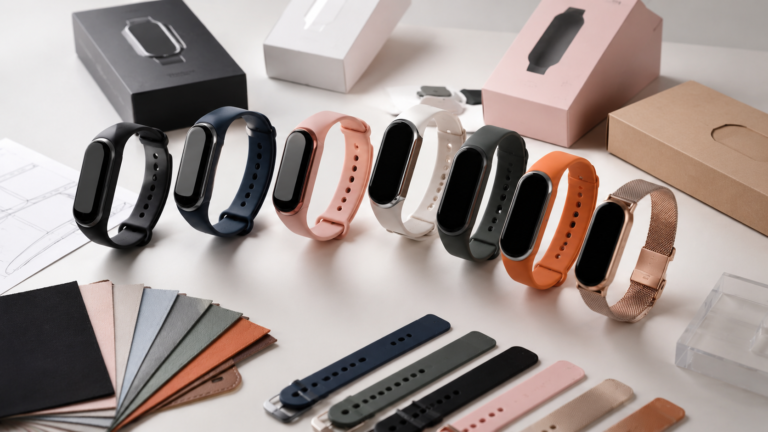
Depending on your business model, you may need OEM (manufacturing based on your design) or ODM (manufacturing based on the manufacturer’s design with modifications). Understand the manufacturer’s process for customizations, including logo placement, casing materials, strap options, and color choices. Ask about their engineering support for modifications, sample development, and tooling costs. A manufacturer with strong ODM experience can guide you through design-for-manufacturability, while OEM capability allows you to bring your proprietary design to life. Clarify the ownership of any tooling and molds upfront to avoid future disputes.
4. Assess MOQ, Pricing, and Hidden Costs
Minimum Order Quantity (MOQ) is a key commercial term. The MOQ will impact your inventory investment and cash flow. Negotiate a MOQ that aligns with your market entry strategy. In pricing, ask for a detailed breakdown of costs including materials, labor, tooling, packaging, and any certification fees. Be cautious of significantly low unit prices that may indicate compromised quality. Also, consider landed costs—including shipping, insurance, import duties, and customs clearance—to fully understand your profit margins. Always request a proforma invoice that itemizes all charges.
5. Review Firmware and App Customization Capabilities
Smart watches rely on firmware and companion apps. Decide whether you need a customized app for your brand, or if the manufacturer’s existing app can be white-labeled. Inquire about the manufacturer’s capability to develop or customize firmware for features like heart rate monitoring, sleep tracking, and notifications. Also, check whether the app is compatible with iOS and Android and how updates are managed. Satisfactory answers will ensure a smooth user experience for your customers and reduce after-sales support issues.
For more information on smart watch features and testing, refer to the Bluetooth SIG website to understand wireless technology standards that may affect performance and certification.
6. Understand Battery Safety and Logistics
Lithium batteries used in smart watches require careful handling. Confirm that the manufacturer uses high-quality cells and has passed UN38.3 certification for air transport. Discuss packaging requirements for hazardous materials, labeling, and documentation for customs. Ensure the manufacturer is familiar with International Air Transport Association (IATA) regulations for shipping lithium batteries. This knowledge will prevent delays and penalties during import.
7. Check Lead Times and Production Planning
Establish clear lead times for sample development, mass production, and final delivery. A typical lead time for a smart watch order ranges from 30 to 60 days after sample approval, depending on complexity. Factor in buffer time for unexpected delays. Understand the manufacturer’s production capacity and whether they can scale up to meet your growing demand. Ask about their current production schedule and how they allocate resources to new clients.
8. Evaluate Intellectual Property Protection
If you are designing a unique smart watch, you must protect your intellectual property (IP). Ensure the manufacturer signs a non-disclosure agreement (NDA) and clarify IP ownership in the contract. Discuss mold ownership; typically, the buyer owns the molds after paying tooling costs. Check whether the manufacturer is willing to use a secure cloud system for sharing design files. Additionally, consider registering your trademark and design patents in the US.
9. Review Warranty, After-Sales, and Spare Parts
Determine the manufacturer’s warranty policy for your products. Typically, a 12-month warranty is standard, but negotiate terms for defective units and repair services. Ask about their spare parts availability and whether they can provide after-sales support directly to your end customers or through a service center. Clarify the process for returns, replacements, and the cost of additional spare parts. A manufacturer that stands behind its products demonstrates confidence and reliability.
10. Red Flags and Warning Signs
Be aware of warning signals that indicate an unreliable manufacturer. These include:
- Unrealistically low prices that seem too good to be true.
- Lack of transparency about their factory location or ownership.
- Refusal to provide certifications or test reports.
- Inconsistent communication or unprofessional responses.
- Poor reviews from other international buyers.
- Beware of companies that are not registered or cannot provide verifiable business registration.
Conduct thorough due diligence to avoid potential fraud or defective products.
Buyer Checklist
| Check Item | Questions to Ask | Status |
|---|---|---|
| Quality Control | Is there a documented QC process? Can I audit the factory? | [ ] |
| Certifications | Do you have FCC, RoHS, and UN38.3 reports for similar products? | [ ] |
| OEM/ODM Experience | Can you handle custom logos, packaging, and firmware? | [ ] |
| MOQ and Pricing | What is the MOQ? Can you provide a detailed cost breakdown? | [ ] |
| Firmware/App | Do you offer app customization? iOS/Android compatible? | [ ] |
| Battery Safety | Are batteries UN38.3 certified? How are they packaged for shipping? | [ ] |
| Lead Times | What are your sample and production lead times? | [ ] |
| IP Protection | Will you sign an NDA? Who owns the molds? | [ ] |
| Warranty | What is the warranty policy? How do you handle returns? | [ ] |
| Red Flags | Are there any warning signs? Have you verified their business registration? | [ ] |
FAQ
What is the typical MOQ for a smart watch order?
MOQs vary by manufacturer, often ranging from 500 to 2,000 units. Some factories may offer lower MOQs for pre-designed models, while custom designs require higher quantities. Negotiate based on your budget and market plan.
What are the key certifications for smart watches in the US?
For the US, FCC certification is required for wireless devices. RoHS compliance is often expected by retailers. Battery safety may require UN38.3 certification for shipping. Additional certifications may be needed depending on features like GPS or NFC.
How long does it take to receive samples?
Standard samples are typically available within 1-3 weeks. Customized samples with hardware or firmware changes may take longer, depending on complexity.
Can I use my own app with the manufacturer’s smart watch?
If the manufacturer provides an open API, you may integrate your own app. However, many manufacturers offer white-labeled versions of their existing app. Discuss your requirements to determine the best approach.
What should I do if the manufacturer fails to meet quality standards?
Include quality clauses in your contract, such as pre-shipment inspection and remedies for non-conforming products. If issues arise, communicate with the manufacturer to resolve them, and have a contingency plan to switch suppliers if necessary.
Who owns the intellectual property of a custom-designed smart watch?
Typically, the buyer owns IP for custom designs, especially if they pay for tooling and development. However, contracts must explicitly state ownership. Always have a clear agreement to avoid disputes.
How can I verify a manufacturer’s legitimacy?
Conduct a factory audit, request business licenses, and check for membership in trade associations. Use third-party verification services to confirm the factory’s address and production capacity.
Conclusion
Selecting the right smart watch manufacturer is a critical decision that impacts your product quality, compliance, and market success. By performing these 10 checks, you can mitigate risks and build a solid foundation for your smart watch brand in the US. Remember to prioritize transparency, quality, and long-term partnership capabilities.
Ready to find a reliable smart watch manufacturer for your US market entry? Contact our team at STAR KING to discuss your project, request samples, or learn more about our OEM/ODM capabilities. We support importers with comprehensive smart watch solutions tailored to your needs.