AI translators for retail chains: 7 Steps to Evaluate AI Translators for Retail Chains in Southeast Asia
AI Translators for Retail Chains in Southeast Asia: A 7-Step Evaluation Guide
Short Answer: Retail chains in Southeast Asia should evaluate AI translators based on language coverage for ASEAN languages, offline capability, battery life, durability, ease of software management, OEM/ODM support, and compliance for local import. A structured evaluation process ensures ROI and reduces procurement risk.
Table of Contents
Table of Contents
Retail chains operating in Southeast Asia face increasing multilingual customer interactions. AI translators offer a practical solution to bridge language gaps, but not all devices suit the retail environment. This guide presents seven steps to evaluate AI translators for retail chains in Southeast Asia, covering everything from linguistic needs to long-term supplier reliability.
Table of Contents
AI translators for retail chains: Key Takeaways
- AI translators for retail chains in Southeast Asia must support ASEAN languages and regional dialects.
- Offline capability and adequate battery life are critical for busy retail environments.
- Choosing a reliable OEM partner matters for private label programs.
- Certification requirements vary by country—always verify with import authorities.
- A clear procurement plan reduces cost and operational risk.

Introduction
Retail chains in Southeast Asia operate in a region of immense linguistic diversity. While English and Mandarin reach some customers, everyday staff may need to communicate in Thai, Vietnamese, Bahasa Indonesia, Tagalog, and multiple Chinese dialects. AI translators have emerged as a practical tool for real-time communication, but purchasing decisions should be based on more than marketing claims. This article provides a structured framework for evaluating AI translators for retail chains in Southeast Asia, with a focus on commercial viability and long-term deployment.
Key Facts for Retail Buyers
| Factor | Typical Range / Example | Consideration |
|---|---|---|
| Language coverage | 20–100+ languages | Ensure key ASEAN languages and major dialects are included. |
| Offline functionality | Some pairs available offline | Retail spaces may have poor connectivity; verify offline accuracy. |
| Battery life | 6–18 hours of use | Long shifts require dependable power. |
| Durability | IP54 or similar | Handle daily retail spills and drops. |
| MOQ | 100–500 units (varies) | Match your rollout scale. |
| OEM/ODM support | Logo, packaging, firmware | Customization can strengthen your brand. |
| Certifications | CE, FCC, RoHS (not automatic) | Check target country import and safety rules. |
Step 1: Map Your Language Scenarios
Start by identifying the languages spoken by your customers and staff. For Southeast Asia, this typically includes Vietnamese, Thai, Malay, Indonesian, Tagalog, Mandarin, English, and possibly regional dialects. Determine whether your needs are two-way conversational (customer-to-staff), one-way instructional (signage or announcements), or broadcast over a distance. Different AI translator devices excel in different modes. Define the most common use cases in your stores: customer inquiries, product directions, returns, and payment discussions. Then test devices against those specific dialogues to measure accuracy and latency.
When evaluating AI translators for retail chains in Southeast Asia, ensure the device supports the exact language pair and works in a noisy environment. Some devices optimize for clean speech, so test in realistic conditions.

Step 2: Assess Technical Specifications
Technical parameters directly affect usability. Key specifications for retail use include:
- Microphone array: At least two microphones with noise reduction.
- Connectivity: Wi-Fi is often sufficient; cellular (SIM/eSIM) may be needed for seasonal pop-ups.
- Battery life: Aim for at least 8 hours of talk time to last a full shift.
- Offline translation: Check whether critical languages are available offline and the quality drop is acceptable.
- Response time: Less than 2 seconds is typical; longer delays frustrate customers.
- Display and controls: Touchscreen size and a speaker volume are important for loud stores.
Create a specification sheet that reflects your operations and compare devices side by side. Avoid over-specifying on features your staff will not use.
Step 3: Compare OEM, ODM, or Off-the-Shelf Models
You have three main sourcing models:
| Model | Ideal For | Customization | Lead Time | Cost per Unit |
|---|---|---|---|---|
| Off-the-shelf | Quick test or small store count | None | Short | Low |
| OEM (branding) | Retail chains with an existing brand | Logo, packaging | Medium (4-8 weeks) | Moderate |
| ODM (customizable) | Chains wanting unique features or private label | Firmware, design, hardware tweaks | Longer (10-20 weeks) | Higher |
For retail chains planning to deploy widespread store associates, an OEM program can create a consistent brand image without developing hardware from scratch. If you need specific language engines or custom user interface, an ODM partner with development capabilities is necessary. Evaluate your market strategy early: if you plan to sell the devices to consumers or other businesses, a private label program will yield better margins.
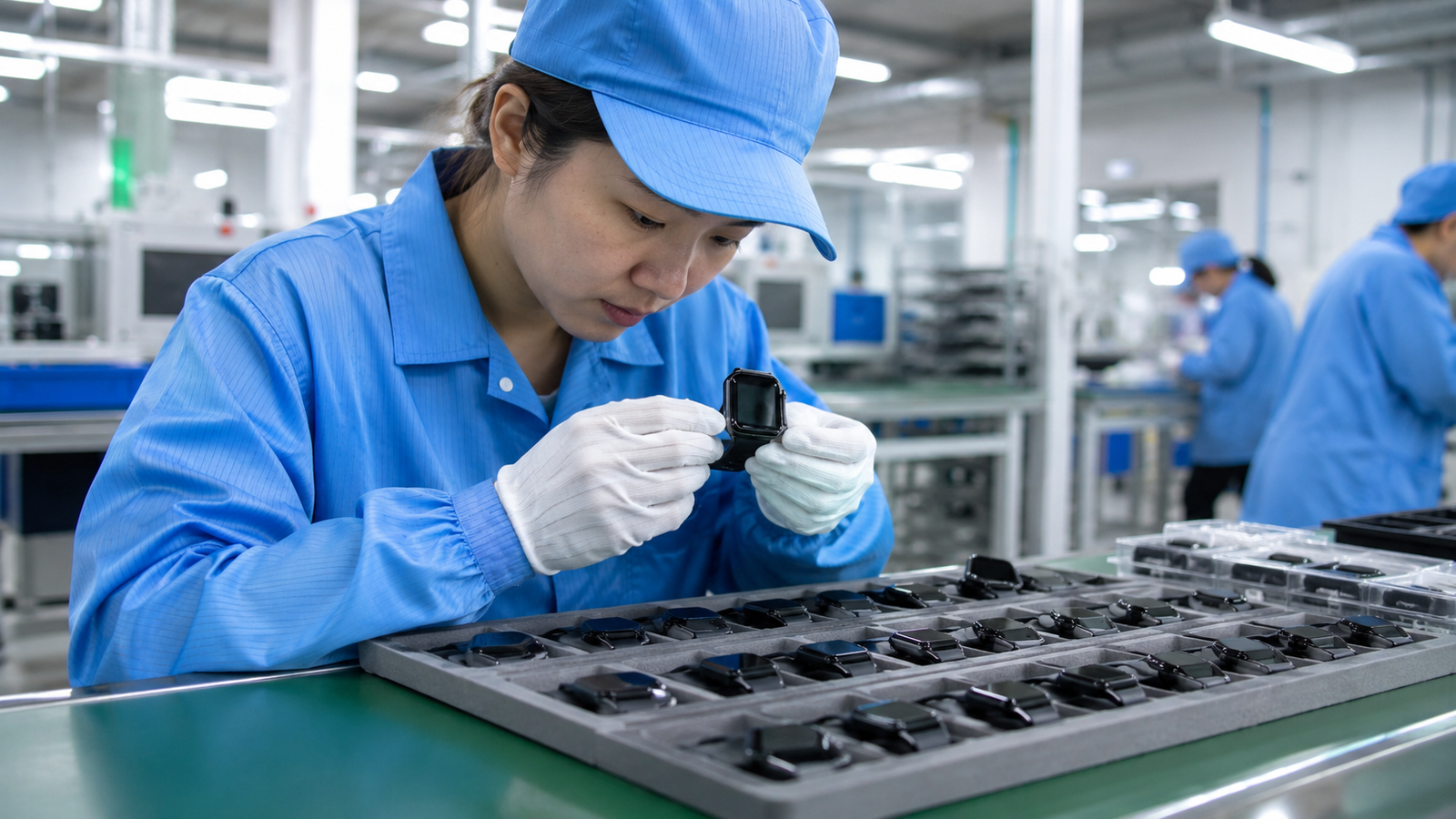
Step 4: Evaluate Quality and Manufacturing Capability
Quality control is essential for consistent performance. When contacting suppliers, ask:
- Are you an OEM or ODM? What is your factory capacity?
- What quality certifications do you hold (ISO9001, etc.)?
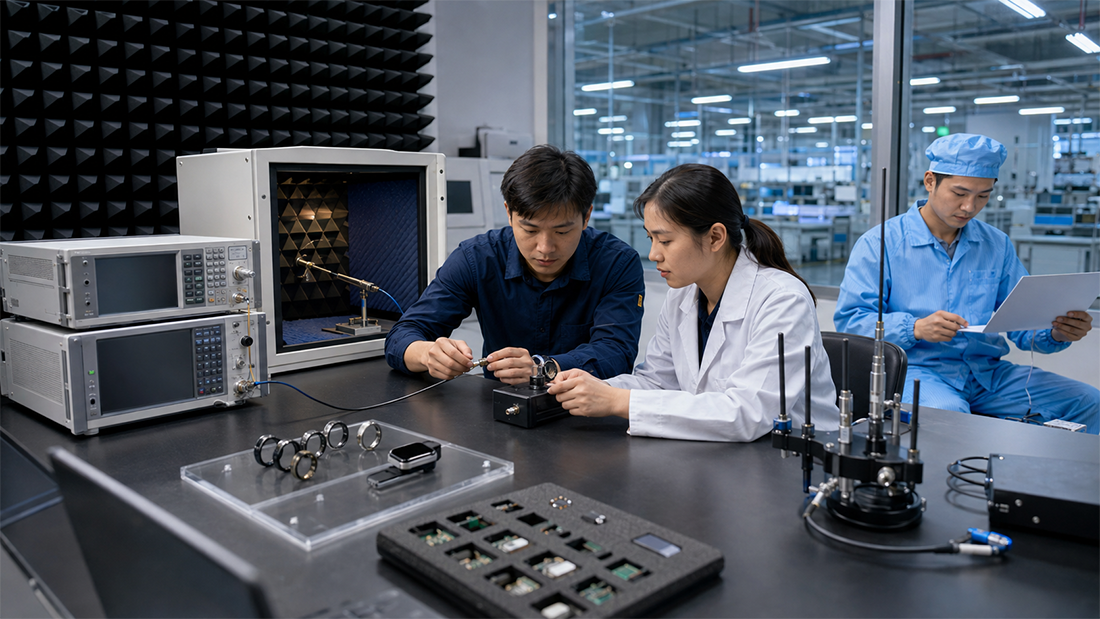
- What test procedures are in place (aging, drop, battery)?
- Can you provide unit-level test reports or mass product test records?
ASTER KING (if using their services) emphasizes rigorous testing or you may choose another verified manufacturer. For any candidate, request pre-shipment inspection from an independent third party. Check the product’s actual firmware and app stability by using a sample for at least a week.
Step 5: Check Certification and Compliance
Import regulations in Southeast Asia vary. AI translators typically have wireless communication modules, so they may require CE, FCC, RoHS, and possibly local type approvals. For shipments involving batteries, you’ll need UN38.3, MSDS, and proper transport documentation. Note that certifications depend on the product’s specific module and target market. Buyers should verify the exact requirements with their importer of record or local authorities. A reputable OEM/ODM supplier can provide current certificates, but the buyer is ultimately responsible for compliance.
Given the evolving nature of import rules, consult official sources and customs brokers. Consider applying for certifications in advance, especially for large orders.
Step 6: Plan Packaging and Deployment
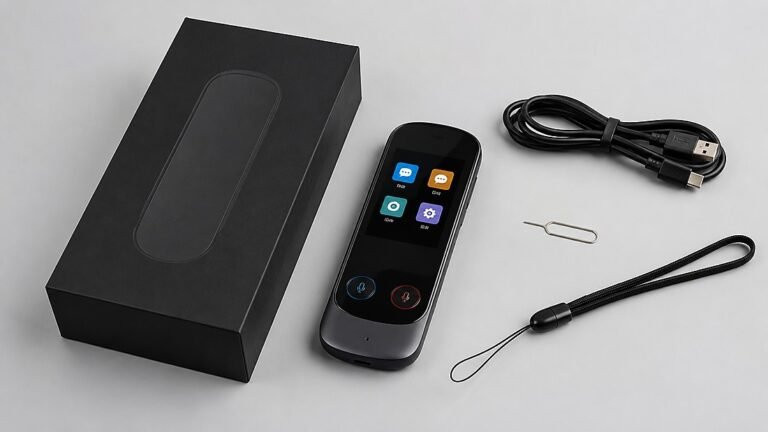
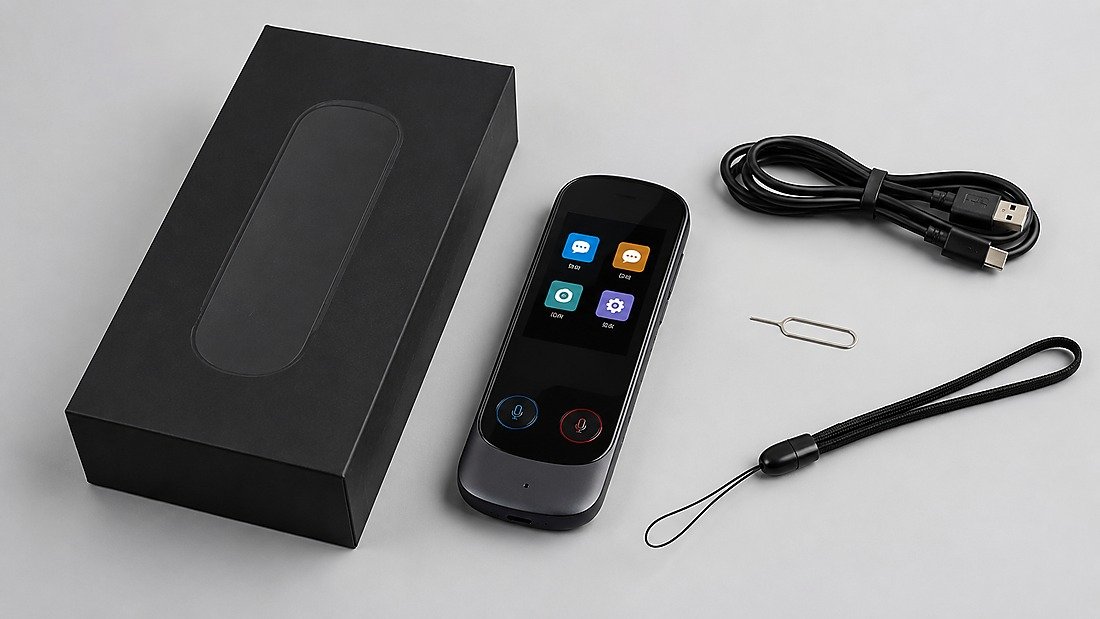
Packaging goes beyond aesthetics; it protects the device during shipping and should accommodate your retail roll-out. If you are deploying devices across hundreds of stores, packaging could include tamper-evident features or QR codes linking to training materials. For private label programs, packaging is a key differentiator. Ensure the box includes a user manual in the primary languages of your market. Plan for the firmware update process: can you centrally manage device updates over the air (OTA)? Some OEMs offer remote device management. If not, consider how to update devices in stores.
Step 7: Build After-Sales Support and Risk Mitigation
After-sales support is crucial for B2B purchases. Establish the warranty period (usually 1 year) and the repair process. Ask whether the supplier provides a buffer stock for replacements. For retail chains, a device failure in one store can cause a customer service setback. Therefore, maintain a small inventory of spare devices per store. Clarify lead times for replacements and consumables like chargers. Equally, define a process for firmware updates and feature enhancements. Work with suppliers who offer regular upgrades and decent after-sales SLA (e.g., 48-hour response).
Common Mistakes and Red Flags
- Assuming all vendors are the same without factory verification.
- Focusing only on the device price and ignoring landed cost (including shipping, duties, certifications).
- Overlooking data privacy requirements for AI translation, which may record conversations.
- Choosing a device with too few languages for the region.
- Contracting with a supplier that has no quality control process or proper warranty.
Also beware of suppliers who promise unrealistic battery life or translation accuracy. Always test with your target languages and retail noise.
Buyer Checklist
- Determine the exact languages and dialect coverage.
- Set maximum response time and minimum battery life.
- Confirm offline capability for key languages.
- Evaluate OEM/ODM options for branding and custom features.
- Contact at least three suppliers and request samples.
- Run a 7-day pilot in your busiest store.
- Verify certifications and import paperwork with a customs broker.
- Clarify MOQ, lead time, and warranty.
- Plan maintenance and spare unit allocation.
Frequently Asked Questions
What is an AI translator device suitable for retail?
It’s a portable device that translates speech in real time. Retail version should have a durable body, long battery, and support major regional languages.
Can AI translators replace human interpreters in retail?
No, but they can handle basic interactions, orientation, and product inquiries. For complex negotiations, involve a human interpreter.
What accents and dialects are commonly supported?
Many support standard versions of Vietnamese, Thai, Malay, Filipino, and Mandarin. Some dialects may have reduced accuracy; test with actual recordings.
What is the minimum order quantity for private label AI translators?
Typically ranges from 100 to 500 units, but some suppliers have higher MOQs. Confirming volumes can lower per-unit costs but increase inventory risk.
How long does it take to produce an OEM batch?
Depending on complexity, expect 4-12 weeks. ODM designs may take longer. Plan ahead to meet store launch deadlines.
Are these devices CE and FCC certified for import to Southeast Asia?
Certification is not always automatic. It depends on the device’s radio module. Buyers should request current certificates and verify they cover the target market. Some Southeast Asian countries have additional local approvals.
This is general information, not legal advice. Confirm with your own regulatory counsel or customs broker.
Conclusion
Selecting AI translators for retail chains in Southeast Asia requires a careful assessment of language support, device reliability, sourcing model, and compliance. A step-by-step evaluation reduces the risk of costly mistakes and ensures the devices actually improve customer service. By partnering with a capable OEM/ODM supplier and running thorough pilot tests, retail chains can implement a scalable multilingual solution that provides a better experience for both staff and shoppers.
Request Samples or Discuss Your Project
If you are ready to evaluate specific AI translator devices for your retail chain, request samples and review their performance in your environment. STAR KING (if relevant) offers a range of AI translators and supports OEM/ODM development. Contact us to discuss your store footprint, language requirements, and possible custom features. Our team can provide specification sheets and samples for your testing.
Buyers can also review STAR KING AI Translators OEM/ODM options to compare product positioning, customization scope, and sample planning.
Useful Official References for Buyers
- FCC equipment authorization guidance
- European Commission CE marking information
- Bluetooth SIG specifications
Discuss Your Smart Wearable OEM/ODM Project
Planning a smart ring, smart watch, smart band, AI glasses, AI translator, or AI voice mouse project? Contact STAR KING to discuss product positioning, sample testing, customization scope, certification requirements, lead time, and quotation details.

Team Star King

Scan WhatsApp QR code