AI voice mouse suppliers: AI Voice Mouse for Middle East EdTech Procurement: 7 Checks Before You Buy
AI voice mouse suppliers buyers need a supplier evaluation process that checks product fit, OEM/ODM capability, compliance documents, quality control, pricing, lead time, and after-sales support before placing a bulk order.
Table of Contents
Table of Contents
AI Voice Mouse for Middle East EdTech Procurement: 7 Checks Before You Buy
Procurement teams at education technology companies in the Middle East face specific hurdles when sourcing an AI voice mouse for Middle East EdTech deployments. Arabic dialect coverage, Windows and macOS compatibility, classroom noise handling, and total landed cost per unit must all be verified before a purchase decision. This guide provides seven concrete checks — from voice model accuracy to MOQ planning — to help you evaluate suppliers, avoid costly missteps, and select a device that works in Gulf classrooms, university labs, and remote learning settings.
AI voice mouse suppliers: Table of Contents
- Direct Answer
- Key Takeaways
- Key Facts for Buyers
- 7 Checks for Evaluating an AI Voice Mouse for Middle East EdTech
- Common Mistakes in EdTech Hardware Sourcing
- Practical Buyer Checklist
- FAQ
- Conclusion
- Contact STAR KING for Samples
Direct Answer
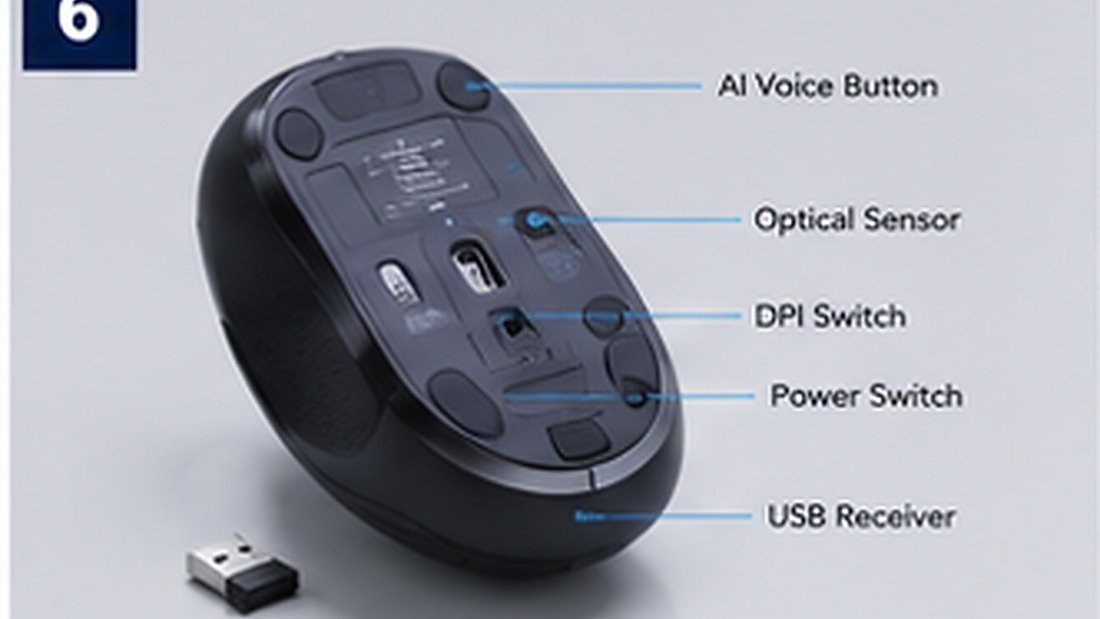
When procuring an AI voice mouse for Middle East EdTech, verify support for Gulf Arabic dialects, check compatibility with your school’s operating systems (Windows, macOS, ChromeOS), test performance in noisy classrooms, and confirm the landed cost per unit. Request sample units to run a pilot in real classrooms before committing to a bulk order. Also assess OEM/ODM flexibility, certification for your destination countries, and after-sales support.
Key Takeaways
- Dialect accuracy — especially for Gulf Arabic — is the single most important technical check.
- Operating system compatibility and driver availability directly affect classroom deployment speed.
- Battery life and charging infrastructure must suit school use cycles.
- OEM/ODM customization lets you align voice commands with your learning platform.
- Certification and customs requirements vary by GCC country; verify before ordering.
- Samples and pilot testing reduce procurement risk and reveal hidden costs.
Key Facts for Buyers
| Factor | Typical Specification Range | Impact on EdTech Deployment |
|---|---|---|
| Voice recognition languages | Up to 30+ languages; Arabic variants vary | Determines usability for Arabic-speaking students |
| Battery life | 10–30 days (standby), 20–50 hours (continuous use) | Reduces charging frequency in schools |
| Compatibility | Windows 7/8/10/11, macOS 10.x+, Android, iOS | Ensures seamless integration with existing IT infrastructure |
| Microphone | Built-in noise-cancelling mic or external headset support | Affects accuracy in noisy classrooms |
| Connectivity | 2.4GHz wireless, Bluetooth | Flexibility for different classroom setups |
Note: Specifications above are general market ranges. Actual product specifications from STAR KING depend on model and configuration; [STAR KING TO CONFIRM] precise parameters.
7 Checks for Evaluating an AI Voice Mouse for Middle East EdTech
Use these seven checks to structure your evaluation process. Each includes the purchasing reason, why it matters in your context, and how to verify it.
1. Arabic Dialect Support and Voice Model Accuracy
Why it matters: Students and teachers in the Gulf use Gulf Arabic, which differs from Modern Standard Arabic. An AI voice mouse that only supports MSA may perform poorly in everyday classroom speech.
How to verify: Request sample devices and ask students to dictate in their natural dialect. Measure word error rate (WER) across common commands like “open file,” “search for,” and “type.” Aim for WER under 10% for reliable use.
2. Operating System and Platform Compatibility
Why it matters: Middle East schools often use a mix of Windows laptops, MacBooks, and Chromebooks. A device that lacks drivers for one platform can stall deployment.
How to verify: Check the manufacturer’s compatibility list. Test plug-and-play functionality with your standard school device images. Confirm driver availability for all OS versions used in your institutions.
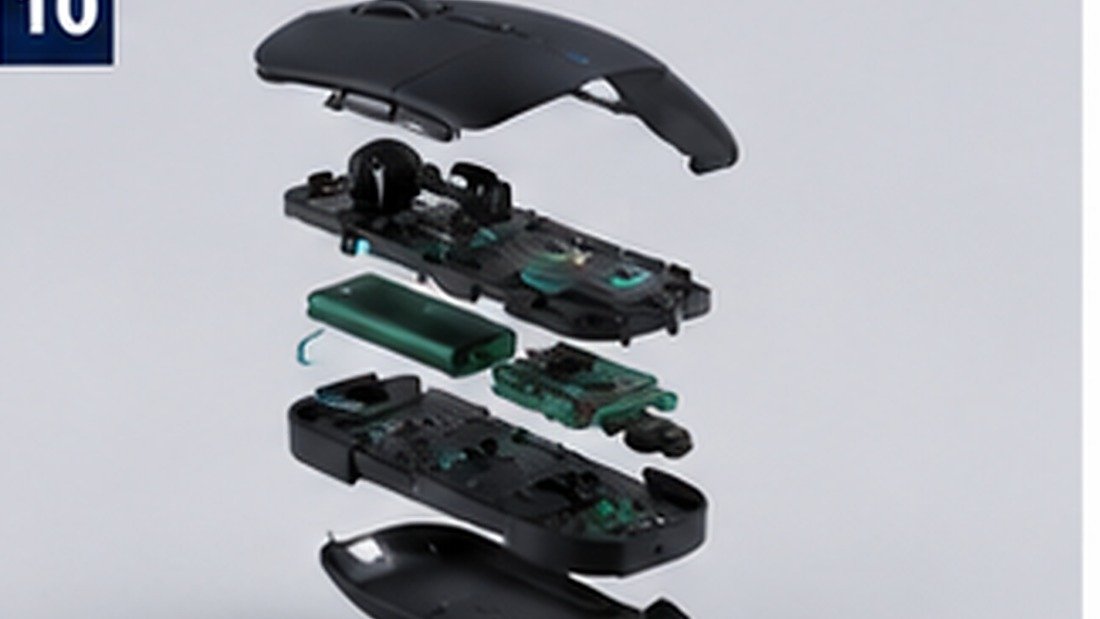
Image suggestion: 
3. Classroom Noise Handling and Microphone Quality
Why it matters: Classrooms are noisy. A microphone that picks up every background whisper will frustrate users and degrade learning.
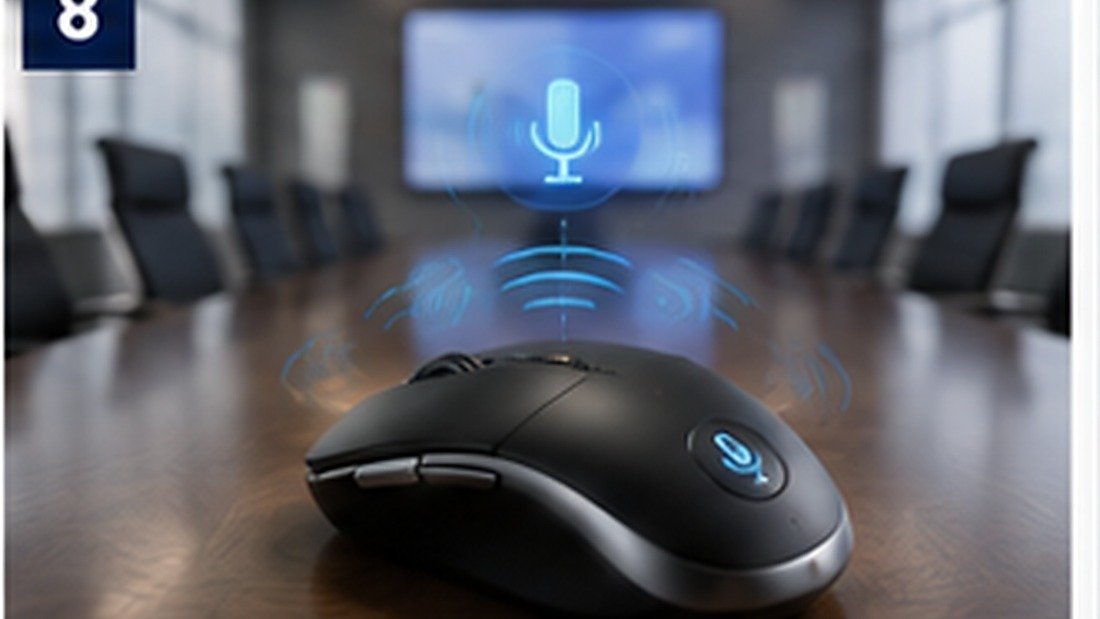
How to verify: Test the device in a room with ambient noise at 60–70 dB. Check if it uses noise-cancelling technology or beamforming. Ask the supplier for a demo recording in a simulated classroom.
4. Battery Life and Charging Logistics
Why it matters: Schools lack time to charge devices daily. Long battery life reduces IT workload.
How to verify: Look for at least 20 hours of active use or 10 days standby. Check whether it uses standard USB-C or proprietary charging — standard is easier to support.
5. Device Management and Deployment Scalability
Why it matters: Deploying hundreds of units requires efficient setup, often via MDM or group policies.
How to verify: Ask if the supplier offers bulk pairing, remote firmware updates, or IT admin guides. Test enrolling multiple devices simultaneously.
6. OEM/ODM Customization for Your EdTech Brand
Why it matters: You may need custom voice commands linked to your learning platform, or your logo on the device.
How to verify: Discuss firmware customization, SDK availability, and logo/packaging options. Request MOQ for customized versions. The Private Label OEM/ODM solution can clarify typical processes.
7. Certification, Compliance, and Import Requirements
Why it matters: Middle East countries enforce different certification schemes. Missing documents can delay customs clearance.
How to verify: Confirm the device complies with required standards (e.g., CE, FCC, RoHS, and any local GCC marks). Ask the supplier for test reports. Verify current regulations with your customs broker because requirements change.
Common Mistakes in EdTech Hardware Sourcing
- Ignoring dialect differences: Assuming all Arabic is the same leads to poor user adoption.
- Skipping pilot testing: Not testing with real students can reveal issues too late.
- Underestimating total cost: Focusing only on unit price neglects shipping, customs, and support.
- Overlooking certification: Each GCC country may have unique requirements; verify early.
- Choosing a supplier without OEM experience: Customization becomes difficult later.
Practical Buyer Checklist
| Item | Verification Method | Status |
|---|---|---|
| Arabic dialect accuracy | Field test with native speakers | ☐ |
| OS compatibility | Test with school devices | ☐ |
| Noise handling | Simulated classroom test | ☐ |
| Battery life | Review spec sheet; confirm USB-C | ☐ |
| Management features | Request admin guide; bulk test | ☐ |
| OEM/ODM capability | Discuss customization options | ☐ |
| Certification | Verify with customs broker | ☐ |
Buyers can also review STAR KING AI Voice Mouse OEM/ODM options to compare product positioning, customization scope, and sample planning.
FAQ
What is the typical MOQ for an AI voice mouse from a Chinese supplier?
MOQ varies by model and customization level. For standard units, MOQ may be as low as 100–500 pieces. Customized firmware or branding typically raises MOQ. Confirm with your supplier.
Can an AI voice mouse work with existing educational software?
Most function as standard input devices, so they work with any application that accepts keyboard input. However, voice command features may require software integration; ask for an SDK if needed.
How can I verify the accuracy for Gulf Arabic dialects?
Request sample units and conduct a controlled test with native Gulf Arabic speakers. Ask the supplier for word error rate data and demo recordings.
What certifications are required for importing electronics into the UAE?
Typically, products must comply with UAE standards and may require a certificate of conformity. Requirements vary by product type; check with the Emirates Authority for Standardization and Metrology (ESMA) or your customs broker.
How long does it take to receive samples?
Sample lead time is usually 3–10 working days for standard models, depending on shipping. Customized samples may take longer.
What is the production lead time for bulk orders?
Production lead time typically ranges from 15–30 days after sample approval, depending on order quantity and customization. Confirm with your supplier.
Conclusion
Procuring an AI voice mouse for Middle East EdTech requires careful evaluation beyond the spec sheet. By focusing on dialect support, compatibility, classroom noise handling, battery logistics, deployment scalability, OEM/ODM flexibility, and certification, you can make a decision that supports teachers and students effectively. Use the checklist and pilot testing to minimize risk, and engage suppliers early to clarify customization and compliance details.
Contact STAR KING for Samples
STAR KING supplies AI voice mice and other AI hardware for OEM/ODM projects. To evaluate our AI voice mouse for your Middle East EdTech deployment, request samples and discuss your requirements with our team. We can provide technical specifications, customization options, and compliance documentation to support your procurement process.
Request AI voice mouse samples or contact us to discuss your specific needs.
Useful Official References for Buyers
- FCC equipment authorization guidance
- European Commission CE marking information
- Bluetooth SIG specifications
Discuss Your Smart Wearable OEM/ODM Project
Planning a smart ring, smart watch, smart band, AI glasses, AI translator, or AI voice mouse project? Contact STAR KING to discuss product positioning, sample testing, customization scope, certification requirements, lead time, and quotation details.

Team Star King
Scan WhatsApp QR code