AI Translators for Healthcare in Southeast Asia: 10 Checks for B2B Buyers
AI Translators for Healthcare in Southeast Asia: 10 Checks for B2B Buyers
AI translators are increasingly adopted by healthcare solution providers in Southeast Asia to support multilingual patient communication. This guide gives B2B buyers 10 practical checks to evaluate AI translators for clinical and community health use. It covers accuracy, medical terminology, privacy, connectivity, hardware robustness, language support, integration, certification, cost, and after-sales support—so procurement teams can make informed decisions in a fast-evolving market.
Table of Contents
Table of Contents
Table of Contents
- 1. What Are AI Translators and Why Healthcare Buyers in Southeast Asia Care
- 2. Key Facts for Buyers: AI Translators for Healthcare
- 3. 10 Checks for B2B Buyers: AI Translators in Southeast Asia
- 4. Comparison Table: AI Translators vs. Human Interpreters
- 5. Common Mistakes and Red Flags
- 6. Practical Buyer Checklist
- 7. FAQ
- 8. Conclusion
- 9. Request Samples and OEM/ODM Options
Short Answer
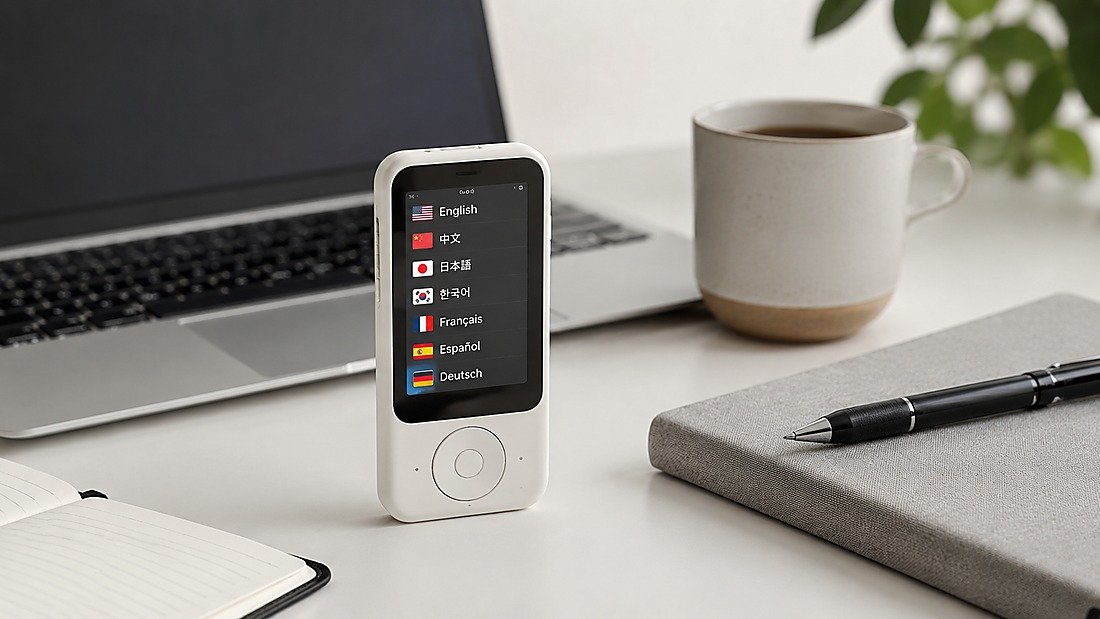
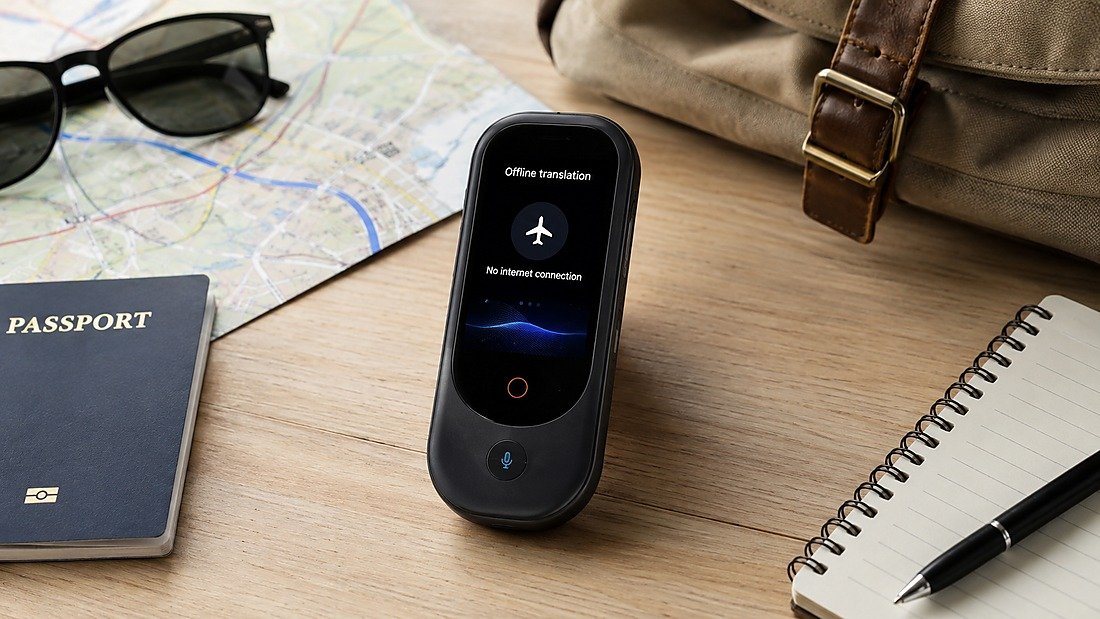
AI translators are handheld or wearable devices that use real-time speech recognition and machine translation to support communication across languages. For healthcare solution providers in Southeast Asia, they can be effective for non-diagnostic interactions when accuracy, privacy, connectivity, and staff workflow are carefully evaluated. Buyers should request samples, confirm language coverage, and verify data handling before scaling.
Key Takeaways
- AI translators can support multilingual patient engagement but are not a substitute for professional medical interpreters for high-stakes communication.
- Healthcare buyers should prioritize medical terminology accuracy, privacy of patient data, and reliability in low-connectivity environments.
- Regional language support (e.g., Bahasa Indonesia, Vietnamese, Thai, Tagalog) and dialect variance should be tested with real scenarios.
- OEM/ODM options allow customization—firmware, app, branding—but require clear agreements on data ownership, compliance, and after-sales support.
- Total cost of ownership includes device, connectivity, software updates, training, and potential integration with existing health IT systems.
1. What Are AI Translators and Why Healthcare Buyers in Southeast Asia Care
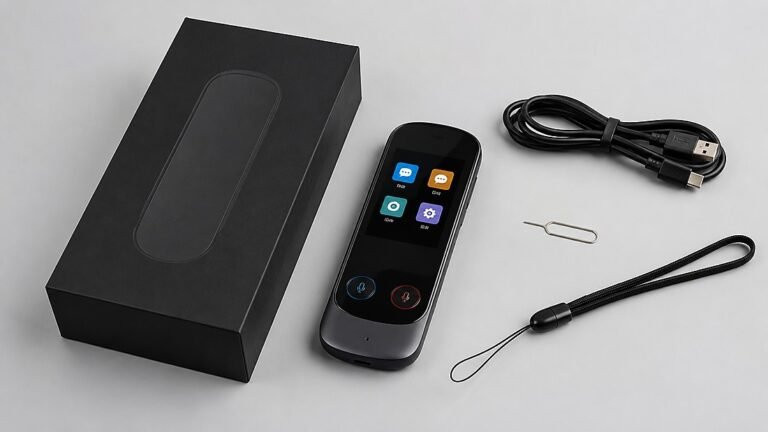
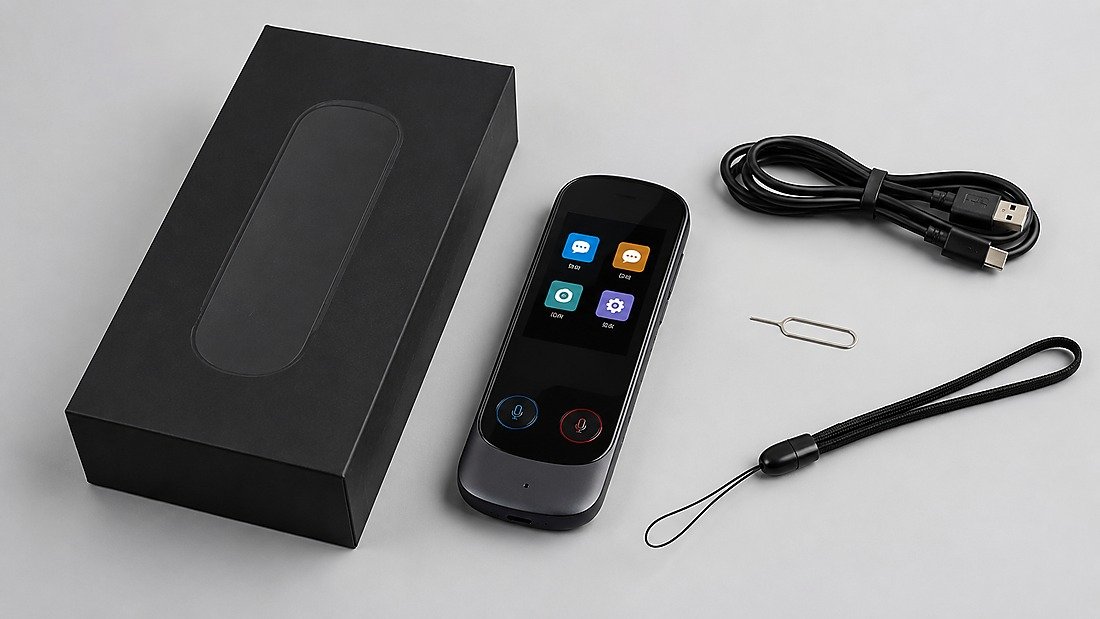
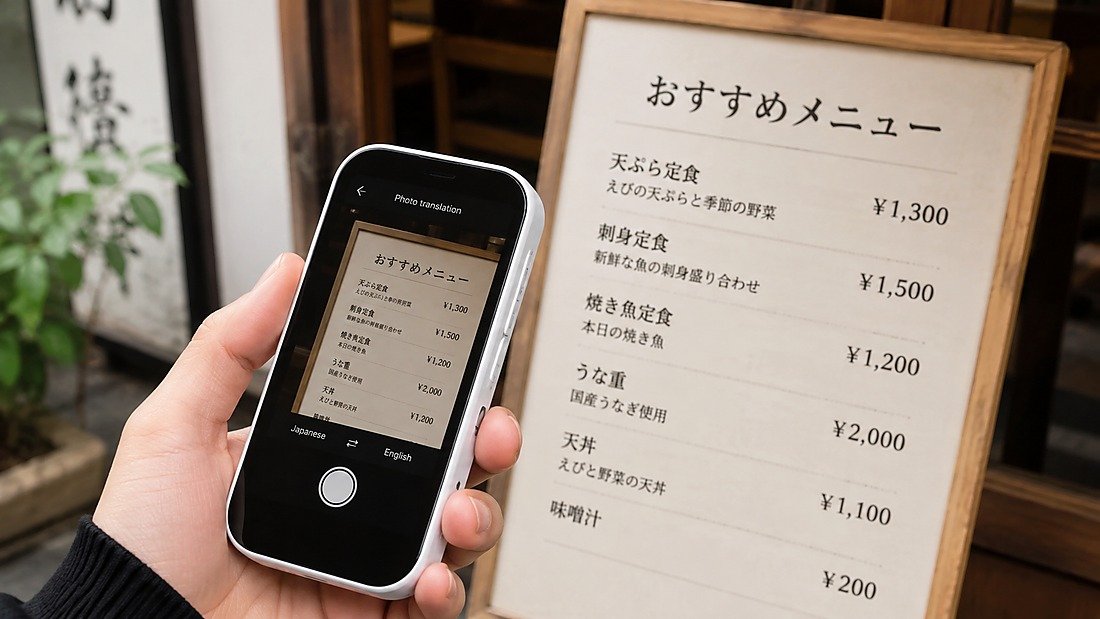
AI translators are portable electronic devices that capture spoken language, process it through speech-to-text and machine translation engines, and output translated speech or text in near real time. They differ from consumer translation apps by offering dedicated hardware with microphones, speakers, and often offline or hybrid processing.
Healthcare solution providers across Southeast Asia—hospitals, clinics, telemedicine platforms, NGOs, and government health programs—face a common challenge: serving patients who speak diverse local languages and dialects. In Indonesia alone, over 700 languages are spoken. In the Philippines, while Filipino and English are official, regional languages like Cebuano and Ilocano are common in community health settings. This diversity creates communication gaps that can affect patient understanding, informed consent, and follow-up care.
AI translators offer a scalable way to bridge these gaps, particularly for non-emergency consultations, health education, and administrative interactions. However, they are not medical devices and should not be used for diagnostic interpretation unless specifically validated for that purpose. Buyers must evaluate them as communication aids that require clear protocols and staff training.
For STAR KING, our AI translators are designed for B2B deployment, with options for OEM/ODM customization to meet specific regional needs.
2. Key Facts for Buyers: AI Translators for Healthcare
| Factor | What to Check | Why It Matters |
|---|---|---|
| Accuracy | Test with medical terms, accents, and background noise | Reduces miscommunication risks in patient interactions |
| Language Coverage | Confirm supported Southeast Asian languages and dialects | Ensures usability across diverse patient populations |
| Privacy & Data | Check data processing location, encryption, and retention | Compliance with local health data regulations |
| Connectivity | Assess offline mode, Wi-Fi, cellular, Bluetooth | Reliability in rural or low-infrastructure areas |
| Hardware | Battery life, durability, hygiene (wipeable), drop protection | Withstands clinical environments and frequent use |
| Integration | API/SDK availability, EHR compatibility | Streamlines workflows and record-keeping |
| Certification | CE, FCC, RoHS, battery safety (UN38.3) | Market access and safety compliance |
| Cost & TCO | Unit price, subscription fees, support, training | Budget planning and scalability |
| After-Sales | Warranty, spare parts, firmware updates | Long-term reliability and vendor accountability |
3. 10 Checks for B2B Buyers: AI Translators in Southeast Asia
Check 1: Translation Accuracy and Medical Terminology
Machine translation engines vary in their handling of medical terminology, abbreviations, and colloquialisms. For healthcare use, even minor errors can lead to misunderstandings. Buyers should request a demo unit and test it with scripts that include common complaints (e.g., “chest pain,” “shortness of breath”), medication instructions, and consent language. Check if the device allows custom glossaries or terminology databases to improve accuracy for your specific use case.
Ask vendors about the underlying translation engine and whether it can be fine-tuned. Some AI translators allow offline models or industry-specific customization. [STAR KING TO CONFIRM: supported languages, custom glossary features, and accuracy metrics for medical terms.]
Check 2: Language and Dialect Coverage
Southeast Asia’s linguistic landscape is complex. Beyond national languages (Bahasa Indonesia, Vietnamese, Thai, Filipino, etc.), many patients speak regional dialects or indigenous languages. AI translators typically support major languages, but coverage for less common dialects may be limited. Buyers should map the languages spoken in their target communities and verify device support. Consider whether a single device can switch languages easily or if multiple devices are needed.
Check 3: Privacy and Data Security
Patient communication may involve personal health information (PHI). AI translators may process audio in the cloud or on-device. Cloud processing raises concerns about data residency, encryption, and third-party access. On-device processing offers better privacy but may limit language coverage or accuracy. Buyers should ask vendors for details on data flow, storage, and compliance with local regulations such as Indonesia’s PDP Law or Thailand’s PDPA. Ensure that any data shared with third parties is governed by a data processing agreement.
Also check whether the device stores conversation history and if it can be disabled. For healthcare, opt for devices that minimize data retention by default.
Check 4: Connectivity and Offline Capability
Healthcare settings in Southeast Asia range from modern urban hospitals to rural clinics with intermittent internet. AI translators that rely solely on cloud connectivity may fail in low-signal areas. Buyers should evaluate offline translation capabilities, or at least ensure the device can cache common phrases. Hybrid models that use on-device processing for basic phrases and cloud for complex sentences can be a practical compromise.
Check battery life under heavy use and whether the device can be charged via USB-C or power bank. For mobile health units, portability and long battery life are critical.
Check 5: Hardware Durability and Hygiene
Clinical environments demand devices that can be cleaned frequently, resist drops, and operate reliably. Look for IP-rated devices (water and dust resistance) and materials that can withstand alcohol wipes. Consider form factor: handheld devices with clear speakers and microphones are common, while wearable AI translators (e.g., earbuds or badges) may be suitable for hands-free interactions. Test ergonomics with actual staff—ease of use affects adoption.
STAR KING offers AI translators with durable designs; specific IP ratings and materials are [STAR KING TO CONFIRM].
Check 6: Integration with Health IT Systems
For healthcare providers, integrating translation output into electronic health records (EHR) or telehealth platforms can streamline documentation. Check if the AI translator offers APIs or SDKs for integration. Some devices can output text transcripts that can be pasted into notes; others may support direct integration. Buyers should assess their existing IT infrastructure and whether the vendor can provide technical support for integration. This is especially relevant for telemedicine providers who need to embed translation into their apps.
Check 7: Certification and Regulatory Compliance
AI translators are generally consumer electronics, not medical devices. However, they still require compliance with regional regulations for electronics, radio equipment, and battery safety. Common certifications include CE (Europe), FCC (US), RoHS (hazardous substances), and UN38.3 for lithium batteries. For Southeast Asia, each country has its own requirements: Indonesia (SDPPI for telecom), Thailand (NBTC), Vietnam (MIC), Philippines (NTC). Buyers should verify that the vendor can provide necessary certificates or support local certification. Note that certification depends on the specific product configuration and target market.
For official reference, see the FCC website and IEC standards for general guidance.
Check 8: Total Cost of Ownership
Beyond unit price, consider subscription fees for cloud translation services, software updates, training, and support. Some vendors offer a one-time hardware cost but charge for premium translation engines. Others include a bundled service. Calculate TCO over 3-5 years, factoring in the number of devices needed, expected usage, and replacement cycles. For large deployments, negotiate volume pricing and service-level agreements (SLAs).
Check 9: After-Sales Support and Warranty
Healthcare providers need reliable support. Check warranty terms (typically 12 months), availability of spare parts, and turnaround time for repairs. Does the vendor offer firmware updates to improve accuracy or add languages? Is there local support in Southeast Asia? A vendor with regional presence can reduce downtime. Also clarify whether the warranty covers battery degradation and accidental damage.
Check 10: OEM/ODM and Customization Options
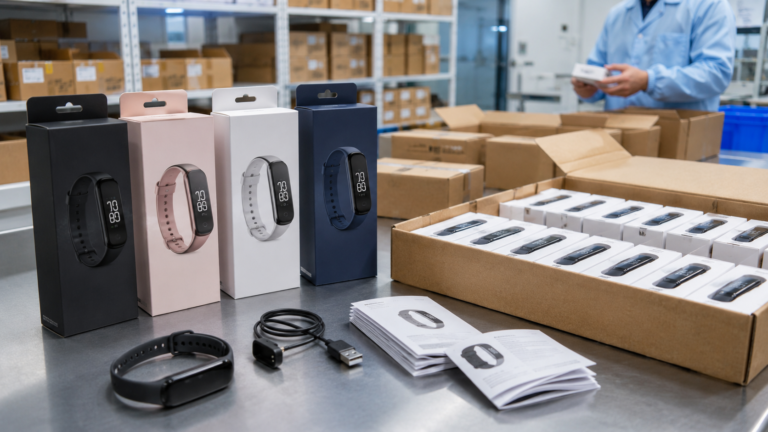
For healthcare solution providers looking to differentiate or integrate translation into their own branded solutions, OEM/ODM services are valuable. Customization can include logo, packaging, firmware, app, and even hardware design. Buyers should discuss MOQ, lead times, and development costs. Ensure contracts cover intellectual property (IP) ownership, tooling, and exclusivity if needed. For healthcare, customization might also involve specific language models or privacy features. STAR KING offers Private Label OEM/ODM for AI translators, with details to be confirmed based on project requirements.
4. Comparison Table: AI Translators vs. Human Interpreters
| Aspect | AI Translators | Human Interpreters |
|---|---|---|
| Availability | 24/7, on-demand | Limited by scheduling |
| Cost | Lower per interaction after initial investment | Higher per hour |
| Accuracy | Good for common phrases; may struggle with complex medical terms | High for medical contexts, with training |
| Privacy | Depends on data processing | Confidential if protocols followed |
| Scalability | Easy to deploy multiple devices | Limited by workforce |
| Best Use | Routine communication, health education, administrative tasks | Diagnosis, informed consent, mental health, emergencies |
5. Common Mistakes and Red Flags
- Assuming AI translators are medical devices: They are not. Using them for diagnosis or high-stakes consent without human oversight can be risky.
- Ignoring data privacy: Failing to assess where audio data is processed can violate patient confidentiality and local laws.
- Underestimating language diversity: A device that supports Bahasa Indonesia may not support Javanese or Sundanese, which are common in certain regions.
- Overlooking connectivity: Rural clinics may not have reliable internet, rendering cloud-based translators ineffective.
- Not testing with real users: Staff and patients may find the device cumbersome or inaccurate without proper training.
- Vague certification claims: Vendors may claim “CE certified” without specifying which directives apply. Always request certificates for the exact model and configuration.
- No clear after-sales plan: Without local support, device failures can disrupt services.
6. Practical Buyer Checklist
- Define target languages and dialects based on patient demographics.
- Request a sample unit for hands-on testing with medical scripts.
- Verify data processing location and privacy compliance.
- Check offline capabilities and battery life.
- Assess durability and hygiene for clinical settings.
- Confirm API/SDK availability for integration.
- Request certificates: CE, FCC, RoHS, UN38.3, and local telecom approvals.
- Calculate total cost of ownership including subscriptions and training.
- Review warranty, support, and spare parts availability.
- Discuss OEM/ODM options if customization is needed.
- Clarify MOQ, lead time, and payment terms.
- Ensure contract covers IP, data ownership, and confidentiality.
7. FAQ
Q1: Are AI translators accurate enough for medical conversations?
AI translators can be accurate for common phrases and routine communication, but they may struggle with complex medical terminology, accents, and noisy environments. They should not replace human interpreters for diagnosis, informed consent, or mental health consultations. Always test with your specific use cases.
Q2: Do AI translators require internet connectivity?
Many AI translators rely on cloud-based translation engines, which require internet. Some offer offline modes for basic phrases. For healthcare in rural Southeast Asia, choose devices with robust offline capabilities or hybrid processing.
Q3: What certifications should I look for when buying AI translators for healthcare in Southeast Asia?
At minimum, look for CE, FCC, RoHS, and UN38.3 for battery safety. Additionally, each Southeast Asian country has its own telecom and safety regulations (e.g., SDPPI in Indonesia, NBTC in Thailand). Verify that the vendor can provide the necessary certificates for your target markets.
Q4: Can I customize AI translators with my own branding and medical terminology?
Yes, many manufacturers offer OEM/ODM services including logo, packaging, firmware, and app customization. You may also be able to add custom glossaries or language models. Discuss requirements, MOQ, and development costs with your vendor.
Q5: How does data privacy work with AI translators?
Data privacy depends on whether translation is processed on-device or in the cloud. Cloud processing may involve third-party servers. Ensure the vendor complies with local data protection laws (e.g., Indonesia’s PDP Law, Thailand’s PDPA) and provides encryption and data processing agreements.
Q6: What is the typical MOQ for OEM AI translators?
MOQ varies by manufacturer and customization level. It could range from 500 to 2,000 units for custom branding. [STAR KING TO CONFIRM: MOQ for AI translators.]
Q7: How long does shipping take to Southeast Asia?
Lead times depend on production schedule and shipping method. Air freight typically takes 5-10 days; sea freight 2-4 weeks. [STAR KING TO CONFIRM: standard lead times.]
8. Conclusion
AI translators offer a scalable solution for multilingual communication in Southeast Asian healthcare, but they require careful evaluation. By following the 10 checks outlined in this guide, healthcare solution providers can select devices that meet their accuracy, privacy, and durability needs. Always test samples, verify certifications, and plan for training and support. As the technology evolves, staying informed about language coverage and data security will be key to successful deployment.
9. Request Samples and OEM/ODM Options
Ready to explore AI translators for your healthcare organization? Request product samples to test accuracy and usability, or discuss OEM/ODM customization to tailor devices to your specific needs. Our team can provide specifications, certification details, and pricing based on your requirements.
Request samples for AI translators
Discuss Your Smart Wearable OEM/ODM Project
Planning a smart ring, smart watch, smart band, AI glasses, AI translator, or AI voice mouse project? Contact STAR KING to discuss product positioning, sample testing, customization scope, certification requirements, lead time, and quotation details.

Team Star King

Scan WhatsApp QR code