source AI translators from China: 7 Steps to Source AI Translators from China for Southeast Asia Startups: 2026 OEM Guide
7 Steps to Source AI Translators from China for Southeast Asia Startups: 2026 OEM Guide
To source AI translators from China for Southeast Asia, startups should follow a structured process: define product specifications and target languages, select a verified OEM/ODM supplier, agree on MOQ and pricing, validate samples, confirm quality control and certifications, plan packaging and logistics for lithium batteries, and finalize supply terms. This guide details 7 actionable steps tailored to startup brands entering Southeast Asian markets in 2026.
Table of Contents
Table of Contents
source AI translators from China: Table of Contents
- Direct Answer
- Key Takeaways
- Key Facts for Buyers
- Step 1: Define Your AI Translator Product for Southeast Asia
- Step 2: Identify and Verify OEM/ODM Suppliers in China
- Step 3: Evaluate MOQ, Pricing, and Cost Drivers
- Step 4: Request and Test Samples
- Step 5: Confirm Quality Control and Compliance for Southeast Asia
- Step 6: Plan Packaging, Logistics, and Battery Shipping
- Step 7: Finalize Contracts and Scale Production
- OEM vs. ODM Comparison
- Common Mistakes and Buyer Red Flags
- Practical Buyer Checklist
- FAQ
- Conclusion
Direct Answer
Sourcing AI translators from China for Southeast Asia involves aligning product specifications with local language and connectivity needs, vetting manufacturers through third-party verification, and managing MOQ, certifications, and battery logistics. Startups should prioritize suppliers offering OEM/ODM flexibility, verified quality processes, and clear compliance support to reduce launch risks in markets like Indonesia, Vietnam, and the Philippines.
Key Takeaways
- Define language pairs, offline capability, and form factor before contacting suppliers.
- Verify manufacturers via business licenses, audits, and references; avoid unverified intermediaries.
- MOQ and unit cost vary with customization, chipset, and order volume; negotiate transparently.
- Always test samples for translation accuracy, battery life, and build quality.
- Ensure compliance with local telecom and safety regulations; CE/FCC may not suffice.
- Plan for lithium battery shipping (UN38.3, MSDS) and customs in Southeast Asia.
- Lock in payment, warranty, and IP terms before mass production.
Key Facts for Buyers
| Factor | Typical Range/Consideration |
|---|---|
| MOQ | 500–1,000 units for OEM; lower for ODM stock models [STAR KING TO CONFIRM] |
| Unit Cost | US$25–80 depending on chipset, languages, offline capability |
| Lead Time | 15–20 days for samples; 30–45 days for mass production after deposit [STAR KING TO CONFIRM] |
| Certifications | CE, FCC, RoHS, UN38.3, MSDS; additional local approvals may apply |
| Battery Shipping | UN38.3 test report and MSDS required for air transport |
| Payment Terms | 30% deposit, 70% before shipment; negotiable [STAR KING TO CONFIRM] |
Step 1: Define Your AI Translator Product for Southeast Asia
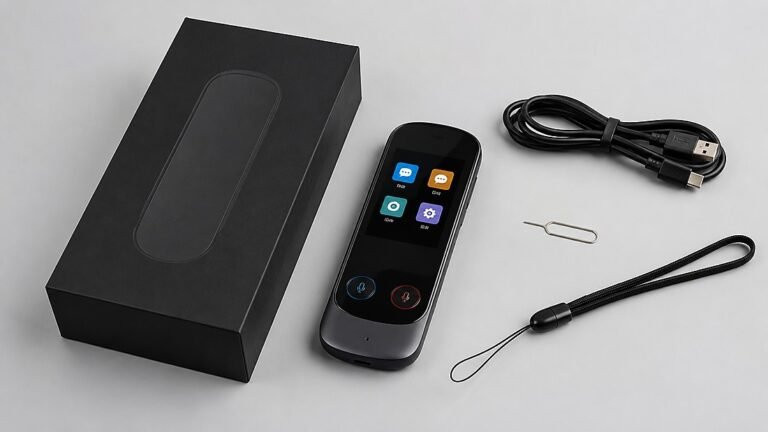
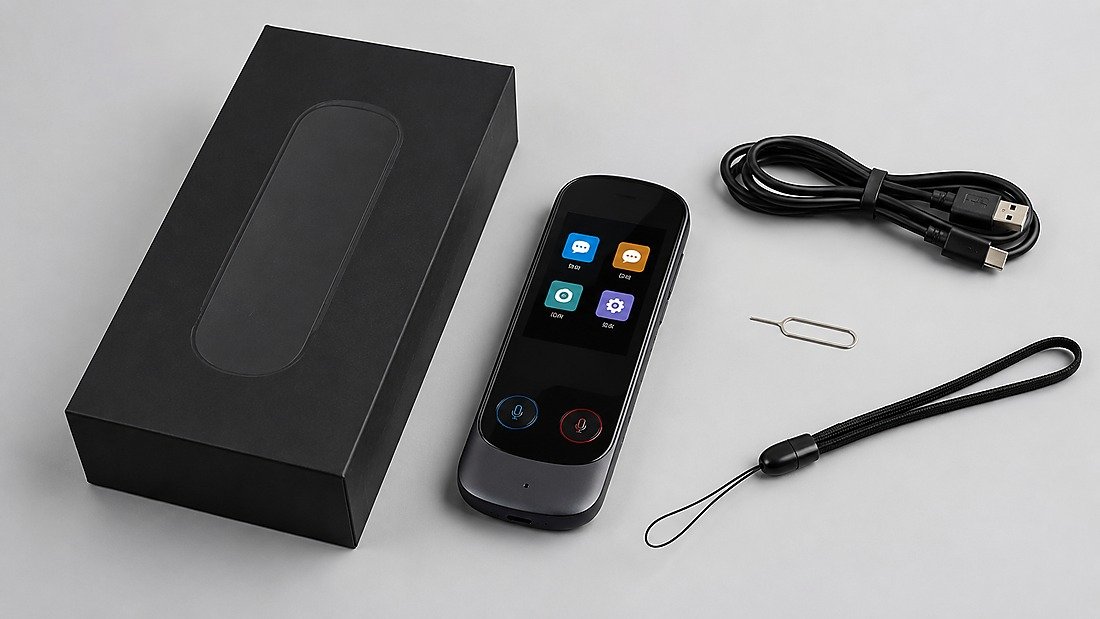
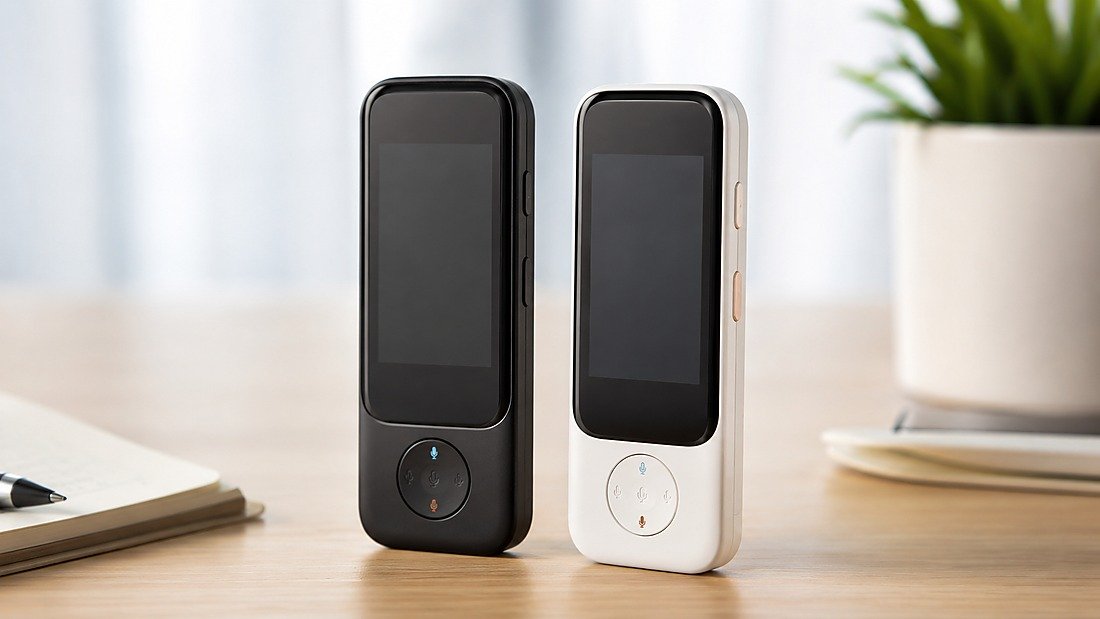
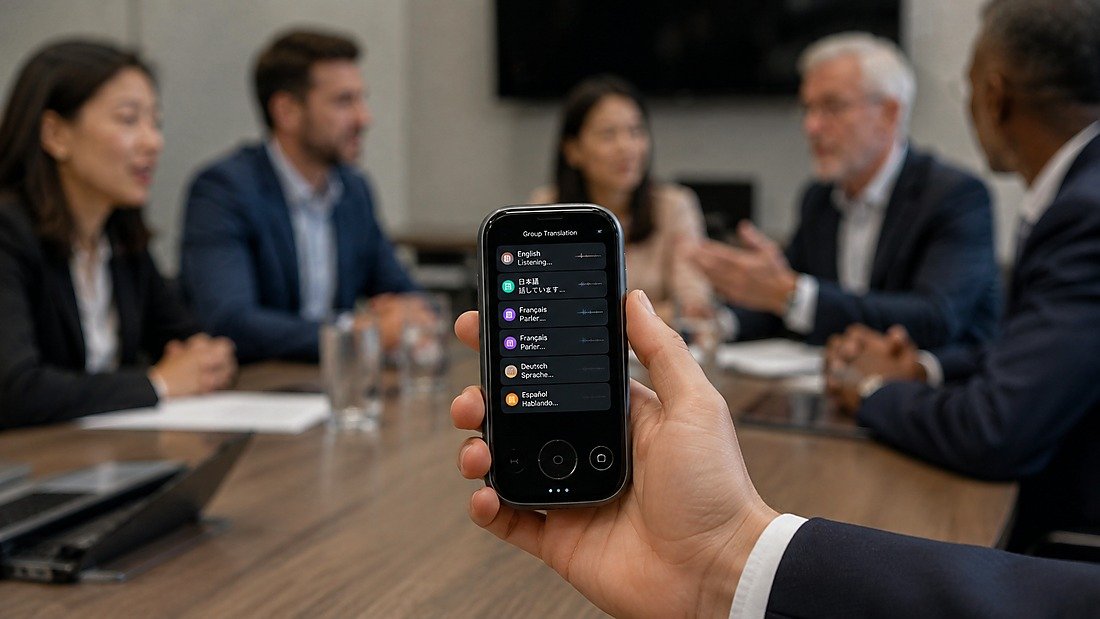
Start by specifying the product features that matter to your target users. Southeast Asia is linguistically diverse: Indonesia, Vietnam, Thailand, and the Philippines each have distinct language requirements. Your AI translator should support key local languages alongside global ones like English and Mandarin. Decide whether you need offline translation, as connectivity can be inconsistent in rural areas. Form factor—handheld, earbud, or wearable—affects usability and cost.
Key specifications to define:
- Language pairs: Prioritize languages for your launch country; expand later.
- Connectivity: Wi-Fi, cellular, or offline; offline models cost more.
- Battery life: Aim for at least 8 hours of active use.
- Form factor: Handheld devices are popular for travel and business.
- Additional features: Voice recording, photo translation, or AI assistant.
Document these requirements in a product brief to share with potential suppliers. This clarity reduces back-and-forth and helps you compare quotations accurately.
Step 2: Identify and Verify OEM/ODM Suppliers in China
China’s manufacturing hubs—Shenzhen, Dongguan, and Guangzhou—host numerous AI hardware suppliers. Use B2B platforms, trade shows, and referrals to build a shortlist. However, not all suppliers are equal. Verify each candidate:
- Business license: Check scope and validity via official records.
- Factory audit: Request a third-party inspection or video tour.
- References: Ask for contacts of existing clients (respecting NDAs).
- Certifications: Request copies of relevant quality and compliance certificates.
- Communication: Assess responsiveness and English proficiency.
For startups, working with a supplier experienced in OEM/ODM for AI translators can shorten development time. STAR KING, for example, offers private label OEM/ODM solutions that include customization and compliance support.
Step 3: Evaluate MOQ, Pricing, and Cost Drivers
MOQ and pricing are critical for startups with limited budgets. MOQs for AI translators typically start at 500–1,000 units for OEM projects, though ODM stock models may have lower thresholds. Pricing depends on:
- Chipset and components: Advanced AI chips increase cost.
- Language support: More languages require more memory and licensing.
- Customization: Logo, packaging, and firmware changes add cost.
- Order volume: Larger orders reduce unit price.
- Certifications: Some certifications involve testing fees.
Request detailed quotations that break down these costs. Be wary of unusually low prices—they may indicate inferior components or hidden fees. For a deeper understanding of cost factors, review our sourcing guides.
Step 4: Request and Test Samples
Never commit to mass production without thoroughly testing samples. Order samples from 2–3 shortlisted suppliers. Evaluate:
- Translation accuracy: Test with common phrases in your target languages.
- Battery life: Verify actual usage time versus claims.
- Build quality: Check materials, buttons, and screen.
- Connectivity: Test Wi-Fi and cellular performance.
- Ease of use: Assess setup and interface.
Consider sample costs and lead times. A typical sample order may take 15–20 days and cost US$50–100 per unit, often refundable against a bulk order. Document all findings to compare objectively.
Step 5: Confirm Quality Control and Compliance for Southeast Asia
Quality control and compliance are non-negotiable. Establish a QC plan with your supplier that includes:
- Incoming material inspection.
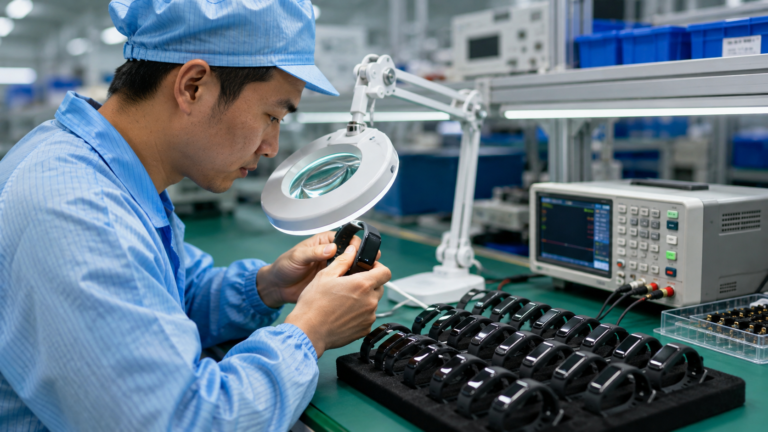
- In-process checks: During assembly and testing.
- Final inspection: Pre-shipment inspection (PSI) by a third party.
For compliance, determine which certifications are required in your target market. While CE and FCC are common, Southeast Asian countries may have specific requirements. For example, Indonesia’s SDPPI regulates wireless devices, and Vietnam’s MIC requires type approval. Verify with local authorities or a compliance consultant. Ensure your supplier can provide necessary documentation, such as UN38.3 for battery shipping and MSDS. Note that certification requirements typically depend on product configuration and destination market; buyers should verify independently.
Step 6: Plan Packaging, Logistics, and Battery Shipping
Packaging protects your product and reinforces your brand. Decide on packaging design, materials, and included accessories. For startups, custom packaging may require a minimum order quantity and additional lead time. Logistics for lithium battery-powered devices is complex. Air shipping requires UN38.3 test reports and MSDS. Sea freight is cheaper but slower. Work with a freight forwarder experienced in battery shipping to Southeast Asia. Consider landed cost, including duties and taxes, when pricing your product.
Step 7: Finalize Contracts and Scale Production
Before mass production, finalize a contract that covers:
- Payment terms: Typically 30% deposit, 70% before shipment.
- Delivery schedule: Agree on production and shipping timelines.
- Warranty: Define warranty period and defect handling.
- IP ownership: Clarify ownership of molds and custom firmware.
- Penalties: For delays or quality issues.
For OEM projects, discuss tooling development and who owns the molds. If you plan to scale, ensure your supplier has capacity and a reliable supply chain. Maintain open communication throughout production.
OEM vs. ODM Comparison
| Aspect | OEM | ODM |
|---|---|---|
| Customization | High: custom design, firmware, branding | Low: minor branding, packaging |
| MOQ | Higher (e.g., 1,000 units) | Lower (e.g., 500 units) |
| Development Time | Longer (3–6 months) | Shorter (1–2 months) |
| Cost | Higher due to tooling and development | Lower, as design is shared |
| IP Ownership | You own custom designs/tooling | Supplier retains design |
Common Mistakes and Buyer Red Flags
Avoid these pitfalls when sourcing AI translators:
- Choosing solely on price: Cheap devices may fail quality tests or lack support.
- Ignoring compliance: Missing certifications can lead to customs seizures.
- Not testing samples: Assuming samples match mass production is risky.
- Overlooking battery logistics: Incorrect shipping documentation causes delays.
- Vague contracts: Unclear terms lead to disputes.
Red flags: Supplier refuses third-party inspection, lacks business license, pressures for full payment upfront, or cannot provide references.
Practical Buyer Checklist
- Define product specs and target languages.
- Shortlist and verify suppliers.
- Request quotations with cost breakdowns.
- Order and test samples.
- Confirm QC plan and certifications.
- Plan packaging and logistics.
- Negotiate contract terms.
- Conduct pre-shipment inspection.
Buyers can also review STAR KING AI Translators OEM/ODM options to compare product positioning, customization scope, and sample planning.
FAQ
What is the typical MOQ for AI translators from China?
MOQ often ranges from 500 to 1,000 units for OEM, but ODM models may have lower minimums. Always confirm with your supplier.
How long does production take?
Sample lead time is usually 15–20 days; mass production takes 30–45 days after deposit, depending on complexity and order size.
Which certifications are needed for Southeast Asia?
Beyond CE/FCC, countries like Indonesia and Vietnam may require local type approval. Verify with local authorities.
Can I customize the firmware and app?
Many suppliers offer firmware and app customization for OEM projects, but this increases MOQ and development time.
How do I ship products with lithium batteries?
You need UN38.3 test reports and MSDS for air shipping. Work with a freight forwarder experienced in battery logistics.
What payment terms are common?
30% deposit, 70% before shipment is standard, but terms are negotiable.
How do I ensure quality?
Implement a QC plan with in-process checks and a pre-shipment inspection by a third party.
Conclusion
Sourcing AI translators from China for Southeast Asia startups requires careful planning, from defining specifications to managing compliance and logistics. By following these 7 steps, you can reduce risks and build a reliable supply chain. Partnering with an experienced OEM/ODM manufacturer like STAR KING can provide the support you need to launch successfully.
Ready to Start Your AI Translator Project?
Request a quotation or discuss your OEM/ODM requirements with our team. We’ll help you navigate specifications, MOQ, and compliance for Southeast Asia.
Useful Official References for Buyers
- FCC equipment authorization guidance
- European Commission CE marking information
- Bluetooth SIG specifications
Discuss Your Smart Wearable OEM/ODM Project
Planning a smart ring, smart watch, smart band, AI glasses, AI translator, or AI voice mouse project? Contact STAR KING to discuss product positioning, sample testing, customization scope, certification requirements, lead time, and quotation details.

Team Star King

Scan WhatsApp QR code