AI voice mouse OEM supplier: AI Voice Mouse for Middle East E-Commerce Sellers: 7 Essential Steps to Pick the Right OEM Supplier (2026 Guide)
AI Voice Mouse for Middle East E-Commerce Sellers: 7 Essential Steps to Pick the Right OEM Supplier (2026 Guide)
AI voice mouse OEM supplier: Direct Answer
A capable AI voice mouse OEM supplier should offer firmware and app customization, documented quality control, and clear compliance support for your target markets. For Middle East e-commerce sellers, the smartest selection criteria are Arabic/multilingual voice accuracy, per-unit landed cost, realistic MOQ, and reliable lead times—not just the lowest quote.
Table of Contents
Table of Contents

Introduction
Choosing an AI voice mouse OEM supplier is a sourcing decision that affects your product quality, margins, and brand reputation in the Gulf and wider Middle East. This guide gives Middle East e-commerce sellers a practical 7-step framework to evaluate factories, confirm real specifications, plan MOQ and costs, and avoid common sourcing traps. It is written for sellers, distributors, and startup brands who need a product that performs in English and Arabic and ships reliably into GCC markets.

Table of Contents
- Step 1: Define the Commercial Use Case and Voice Language Requirements
- Step 2: Compare Hardware Specifications That Actually Matter
- Step 3: Evaluate OEM/ODM and Private Label Capability
- Step 4: Understand MOQ, Pricing, and Landed Cost
- Step 5: Test Samples, Firmware, and Language Accuracy
- Step 6: Verify Quality Control and Compliance for Middle East Markets
- Step 7: Confirm Lead Time, Packaging, and After-Sales Support
- Key Facts for Buyers
- Supplier Comparison Table
- Common Mistakes and Buyer Red Flags
- Practical Buyer Checklist
- FAQ
- Conclusion
Key Takeaways
- Voice accuracy in Arabic and English is the top filter when shortlisting AI voice mouse factories for Middle East markets.
- MOQ and lead time are negotiation variables, not fixed numbers; a supplier that explains the drivers is more reliable.
- Private label and firmware localization turn a generic device into a sellable brand product.
- Compliance documentation is market-specific; always confirm certification scope in writing before committing.
- Sample testing with local testers reduces costly returns and negative reviews after launch.
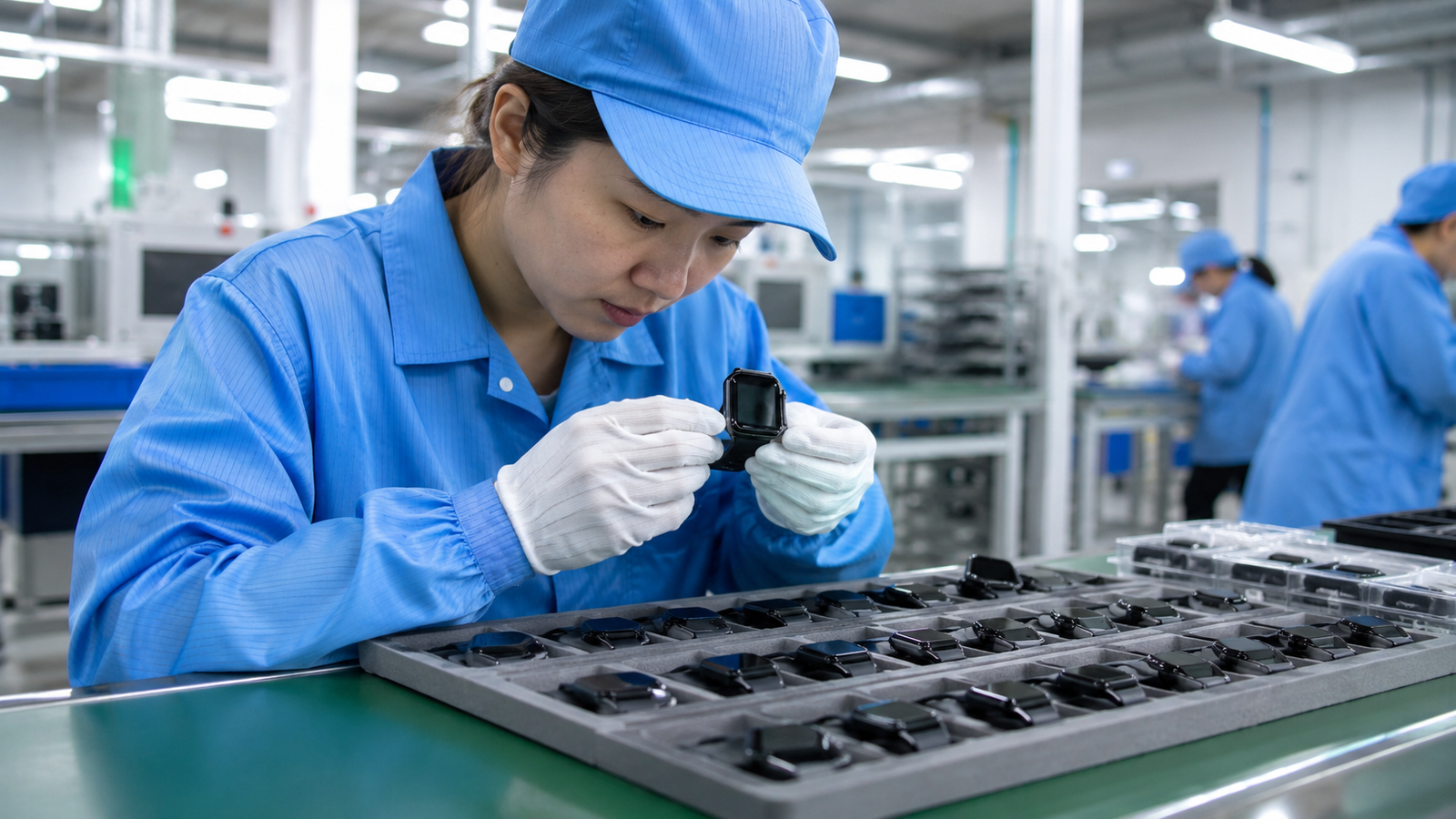
Step 1: Define the Commercial Use Case and Voice Language Requirements
Before contacting factories, document how your customers will use the device and which languages they need. For Middle East e-commerce sellers, Arabic support is usually non-negotiable in the GCC, while English remains essential for business and education users. Some buyers also need additional languages such as French (North Africa) or Hindi/Urdu (large expatriate populations).
Ask the supplier how the voice engine handles Arabic dialects, whether recognition runs on-device or via a paired app, and whether custom wake words or commands can be added.
This is especially relevant if you plan to cross-sell with other AI devices. You can review AI Voice Mouse product configurations to see the types of features suppliers typically offer.
Step 2: Compare Hardware Specifications That Actually Matter
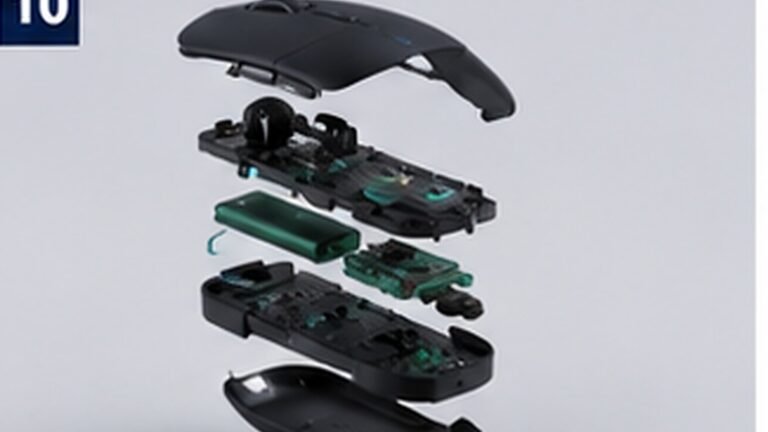
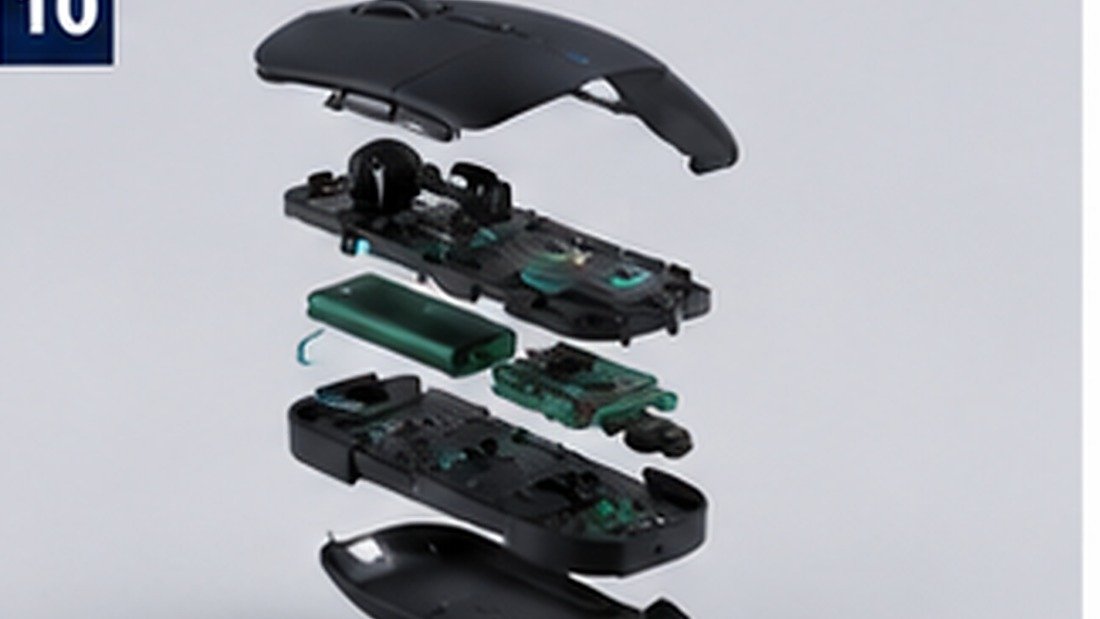
Buyers often over-focus on DPI and ignore the parts of the spec sheet that drive returns: microphone array quality, DSP noise reduction, wireless stability, and battery behavior. A practical comparison should include:
- Microphone and DSP: single vs. dual mic, noise suppression for open offices and home environments.
- Connectivity: 2.4 GHz dongle, Bluetooth, or dual mode; performance with laptops common in the Middle East (Windows and macOS).
- Battery: mAh rating, charge time, and standby behavior; relevant to UN38.3 documentation.
- Compatibility: Windows, macOS, and app requirements; cloud vs. offline processing.
- Material and ergonomics: affects perceived value in premium listings.
Ask for a real spec sheet, not a marketing image. If a supplier cannot clarify firmware differences between SKUs, that is an early red flag.
Step 3: Evaluate OEM/ODM and Private Label Capability
Private label capability separates a component trader from a manufacturing partner. Confirm whether the supplier can handle:
- Logo printing or laser engraving on the shell and packaging.
- Custom packaging (retail box, inserts, manuals in Arabic and English).
- App and firmware customization (branding, onboarding screens, language sets).
- Tooling and mold ownership terms if you need a unique industrial design.
- Prototyping and sample development timelines.
For sellers building a brand, the private label OEM/ODM program shows the typical customization paths and what to prepare before an RFQ.
Soft CTA: If you are weighing customization options against your first production run, our sales team can walk you through realistic customization paths for AI voice mouse OEM projects. Start a conversation with our OEM team to compare options.
Step 4: Understand MOQ, Pricing, and Landed Cost
MOQ and price are not fixed—they depend on customization level, packaging, language packs, and volume. Middle East sellers should calculate landed cost, not just FOB price, because shipping, customs, and certification can change the total by 20–40%. Ask the supplier to break out:
- Unit price at 500, 1,000, 3,000 units.
- Tooling/logo setup costs, if any.
- Packaging cost and MOQ for custom boxes.
- Estimated shipping weight and carton dimensions.
- Certification/documentation fees, if applicable.
Suppliers that refuse to discuss cost drivers may be resellers. For a wider view of cost planning, see our smart retail and e-commerce solutions.
Step 5: Test Samples, Firmware, and Language Accuracy
Sample testing is where weak suppliers are exposed. Order at least two units and test:
- Arabic recognition accuracy with real users, including common commands and mixed-language sentences.
- Latency and consistency across repeated sessions and battery states.
- App stability on Android and iOS devices popular in the region.
- Firmware update process and whether updates can be staged for your batch.
Ask for the sample unit to be from the actual production configuration—not a golden sample. If the supplier cannot provide a firmware version ID for your batch, plan for post-launch risk.
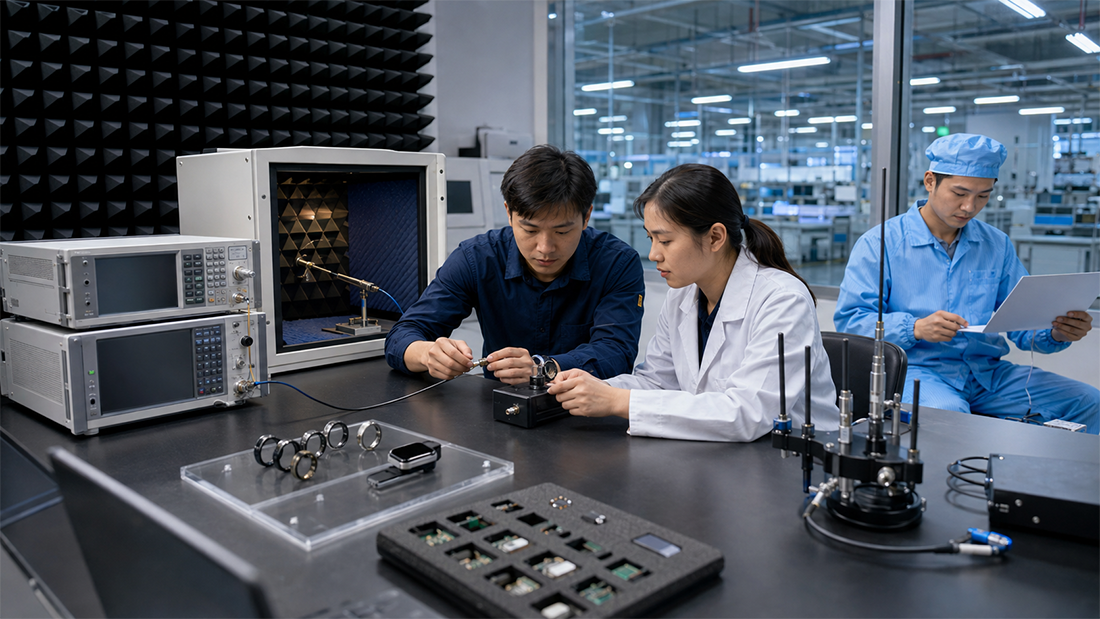
Step 6: Verify Quality Control and Compliance for Middle East Markets
Compliance requirements for AI voice mouse products typically depend on the product configuration and destination market. Middle East markets may require GCC conformity marking (G-Mark) for certain electrical products, and customs may ask for documentation. Common documents suppliers provide include:
- CE and RoHS documentation (for EU-facing shipments).
- FCC documentation (for US-facing shipments).
- UN38.3 for lithium battery transport—relevant for air freight.
- MSDS for battery-containing products.
Verify the scope of certification: a certificate for one SKU does not automatically cover a customized variant. For reference, you can review the FCC RF device authorization process and the IATA guidance on lithium batteries to understand typical requirements. Always ask the supplier to confirm in writing which certifications apply to your order.
Step 7: Confirm Lead Time, Packaging, and After-Sales Support
Lead time depends on configuration and order volume. Sellers should confirm:
- Sample lead time (typically 3–7 days for stock, longer for custom).
- Production lead time after deposit and sample approval.
- Packaging localization (Arabic/English user manuals, warranty cards).
- After-sales terms: defect rate policy, spare parts availability, firmware support duration.
Ask for a written warranty policy and confirm whether spares ship with the bulk order. For buyers comparing new suppliers, this separates factories from opportunistic traders. You can also read our blog resources for more due diligence frameworks.
Key Facts for Buyers
| Factor | Typical Range/Consideration | Verification Method |
|---|---|---|
| MOQ | Varies by customization (often 500–3,000 units) | Request written quote tiers |
| Sample Lead Time | 3–7 days for stock config; longer for custom | Request sample timeline in RFQ |
| Production Lead Time | 15–35 days after deposit | Ask for schedule after sample approval |
| Voice Languages | Arabic + English baseline; additional on request | Test with native speakers |
| Certification Scope | Market-specific; may require G-Mark/CE/FCC | Confirm in writing per SKU |
| Landed Cost | 20–40% above FOB after duties/logistics | Build a landed cost model |
Supplier Comparison Table
Use this table when shortlisting AI voice mouse OEM suppliers.
| Evaluation Criteria | Strong Supplier Indicators | Warning Signs |
|---|---|---|
| OEM/ODM Capability | Offers firmware/app/logo/packaging changes | Cannot explain how to localize firmware |
| Language Support | Provides tested Arabic support and demo | Only claims “supports 100 languages” with no evidence |
| Quality Control | Shows inspection reports and production photos | Avoids providing pre-shipment inspection data |
| Compliance | Clarifies which markets need which documents | Says “everything is certified” without scope |
| Pricing Transparency | Breaks down cost drivers | Only gives one lump-sum price |
| After-Sales | Offers spares and documented defect policy | No mention of returns or replacement policy |
Common Mistakes and Buyer Red Flags
- Buying on price alone: the cheapest unit often leads to higher returns and poor listings ratings.
- Assuming certifications transfer: custom firmware or a different battery can change compliance scope.
- Skipping Arabic testing: recognition issues appear in post-launch reviews and drive refunds.
- Not confirming spares: without spare parts, replacements become expensive.
- Ignoring packaging language: Arabic labeling is expected in many GCC retail environments.
Practical Buyer Checklist
- [ ] Confirm Arabic + English voice accuracy with a sample unit.
- [ ] Request tiered pricing at 500/1,000/3,000 units.
- [ ] Ask for the exact firmware version that will ship.
- [ ] Confirm customization scope: logo, packaging, app UI.
- [ ] Obtain written MOQ and lead time commitments.
- [ ] Verify which certifications apply to your specific SKU and market.
- [ ] Request UN38.3 and MSDS for battery shipping.
- [ ] Confirm warranty terms and spare parts policy.
- [ ] Check whether tooling/mold ownership is transferable.
- [ ] Ask for pre-shipment inspection photos/video.
FAQ
What is the typical MOQ for an AI voice mouse OEM order?
MOQ depends on the level of customization and packaging. Stock configurations may start lower, while full custom branding with packaging typically requires higher volumes. Always request a written quote that specifies MOQ per configuration.
Can the AI voice mouse support Arabic voice input?
Arabic support depends on the firmware and voice engine used. Ask the supplier to demonstrate Arabic recognition with native speakers and confirm the supported language list for your chosen configuration.
Which certifications do I need for selling in the Middle East?
Requirements vary by country and product category. Some markets may require G-Mark, while others may request additional documentation for wireless or battery-powered products. Buyers should verify requirements with a local compliance consultant or importer.
How long does production take after I place an order?
Production typically starts after deposit and sample approval. Standard lead times often fall between 15–35 days depending on order size and customization. Confirm the schedule in writing before paying a deposit.
Can I get my brand logo on the product and packaging?
Many OEM suppliers offer logo printing, laser engraving, and custom retail packaging. Confirm artwork requirements, print methods, and any setup fees before committing.
What should I test in a sample unit?
Test voice recognition accuracy (especially Arabic), latency, app stability, battery behavior, and firmware update process. Ask for the sample to match the exact production configuration.
Are there shipping restrictions for lithium battery products?
Yes, lithium batteries are regulated for air transport. Suppliers typically provide UN38.3 test summaries and MSDS documents. Confirm shipping method and documentation with your freight forwarder.
Conclusion
For Middle East e-commerce sellers, choosing an AI voice mouse OEM supplier is a structured sourcing process: define language and use-case requirements, compare real specifications, assess private label capability, calculate landed cost, test samples, verify quality and compliance, and lock down lead times and after-sales terms. By following these seven steps, you reduce launch risk and protect your brand’s reviews and repeat sales. Start with a clear RFQ, test before scaling, and confirm every certification scope in writing.
Ready to Move Forward?
Tell us your target market, volume, and required languages, and we will help you compare configurations and identify the right customization path for your AI voice mouse project. Request a quotation and OEM/ODM discussion today.
Discuss Your Smart Wearable OEM/ODM Project
Planning a smart ring, smart watch, smart band, AI glasses, AI translator, or AI voice mouse project? Contact STAR KING to discuss product positioning, sample testing, customization scope, certification requirements, lead time, and quotation details.

Team Star King

Scan WhatsApp QR code