AI translators for education technology: 7 Key Factors for Education Tech Buyers Sourcing AI Translators in Southeast Asia
7 Key Factors for Education Tech Buyers Sourcing AI Translators in Southeast Asia
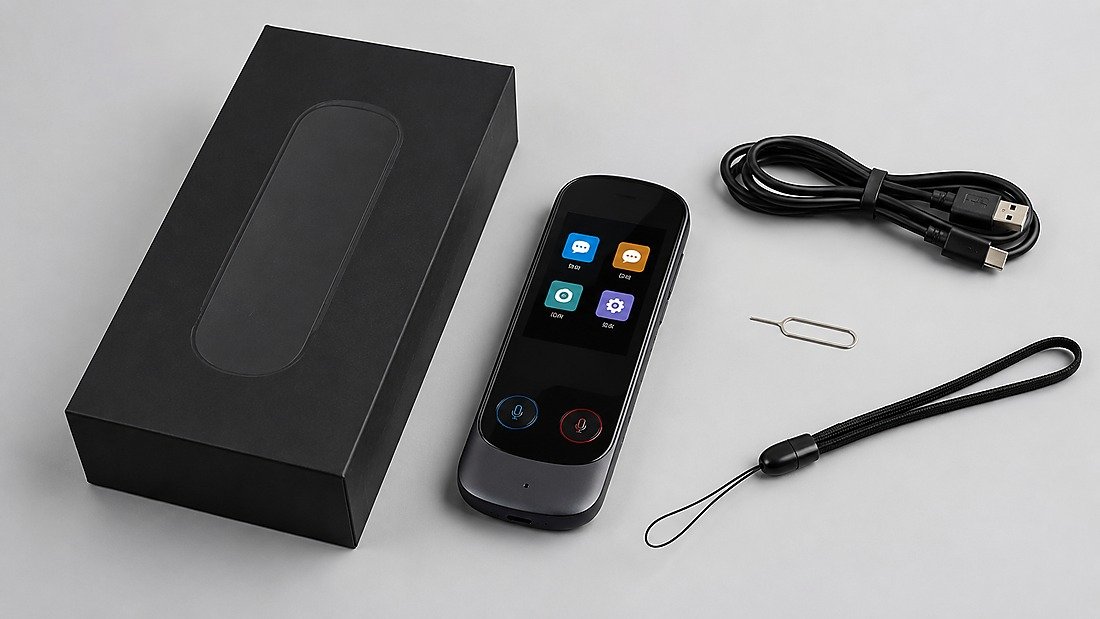
Education technology companies planning to source AI translators for Southeast Asian classrooms need a procurement strategy that addresses language coverage, hardware reliability, OEM/ODM flexibility, and regional certification. This guide outlines the seven factors that matter most when evaluating suppliers and building a product roadmap for AI translation devices in the Southeast Asia education market.
Table of Contents
Table of Contents
Short Answer: When sourcing AI translators for education technology in Southeast Asia, buyers must prioritize language coverage (including regional languages), battery life suitable for school use, OEM/ODM customization options, certification compliance (such as CE and local telecom approvals), and supplier reliability. A structured evaluation using the seven factors below will reduce risk and improve market fit.
AI translators for education technology: Table of Contents
Key Takeaways
- AI translators for education must support local languages and dialects, not just major global languages.
- Hardware reliability and battery life are critical for classroom environments.
- OEM/ODM customization allows education brands to differentiate with unique features and branding.
- Certification requirements vary by country; plan for CE, FCC, and local approvals.
- Software integration with learning management systems can be a differentiator.
- MOQs and pricing vary; negotiate based on your order volume and customization needs.
- Work with a supplier that can handle packaging, logistics, and after-sales support.
1. Language Coverage and Translation Accuracy
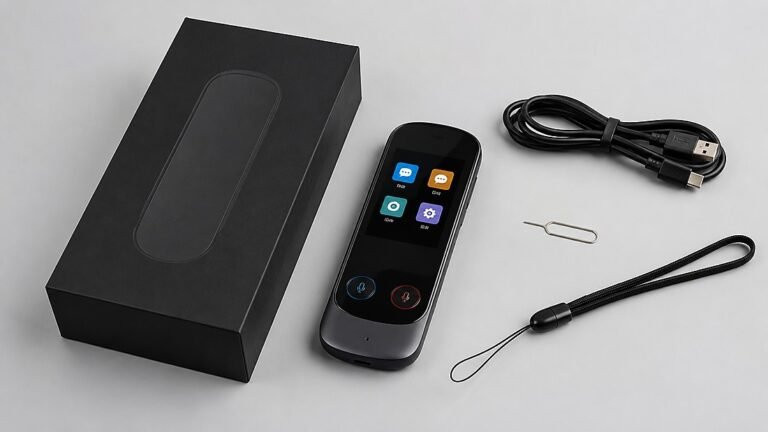
For education technology companies, the core value of an AI translator is its ability to support the languages used in classrooms. In Southeast Asia, this includes not only major languages like English, Mandarin, and Bahasa Indonesia but also regional languages and dialects such as Thai, Vietnamese, Tagalog, and others. When evaluating AI translators, consider the following:
What to Check
- List of supported languages and dialects
- Offline language packs for areas with limited connectivity
- Real-time translation accuracy in educational contexts (e.g., technical terms, classroom instructions)
- Latency and response time during conversations
Request a language matrix from the manufacturer and test with native speakers. For OEM/ODM projects, you may be able to customize the software to add specific languages or improve domain-specific vocabulary.
2. Hardware Durability and Battery Life
AI translators used in schools are subject to heavy handling and long operating hours. Evaluate device durability, including drop resistance, water/dust protection, and battery endurance.
Key Specifications to Request
- Battery capacity and operating time (e.g., 8 hours of continuous use)
- Charging time and whether they support quick charge
- Durability ratings: IP rating, drop test height, and heat resistance
- Materials used and overall build quality
Ask for test reports from the supplier or third-party labs. For classroom use, a robust device that can survive falls and spills is essential to reduce replacement costs.
3. OEM/ODM Capabilities and Customization
Education technology brands often need to customize hardware, firmware, or app software to align with their curriculum or branding. A manufacturer with strong OEM/ODM capabilities can support these needs.
Visit the Private Label OEM/ODM solutions page to learn more about customization options.
Customization Options
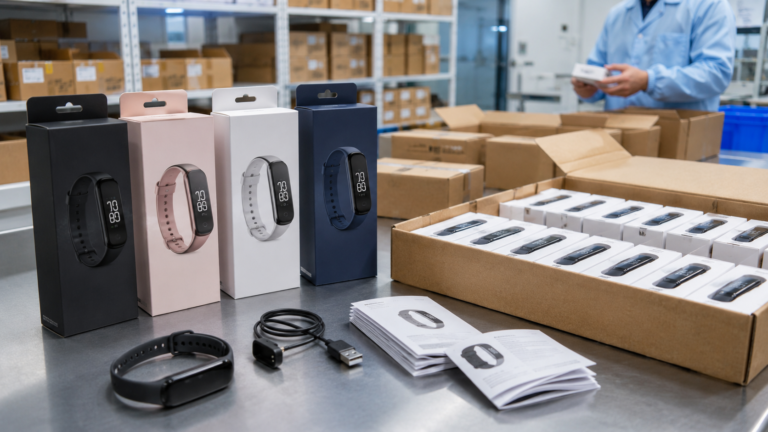
- Logo and packaging design
- Custom firmware with pre-installed apps or settings
- App integration with your LMS or learning platform
- Hardware modifications, such as button layout or form factor
- Language pack preloading for your target region
4. Compliance and Certification Requirements
When selling AI translators in Southeast Asia, you must comply with each country’s regulations. Common certifications include CE (European market if you plan global sales), FCC (US), but for SEA, check local requirements such as:
- Indonesia: SDPPI (for wireless devices)
- Thailand: NBTC (for telecom devices)
- Vietnam: MIC (for wireless equipment)
- Singapore: IMDA (for communication devices)
Additionally, ensure the device meets safety standards like battery safety (UN38.3) and electromagnetic compatibility. Consult with your supplier or a compliance expert to determine which certifications are mandatory for your target markets.
5. Software Integration and App Support
In education settings, AI translators are more valuable when they can integrate with existing software. Ask about:
Integration Possibilities
- Companion apps for iOS and Android
- API access for integration with learning management systems (e.g., Moodle, Google Classroom)
- Data logging and analytics for classroom administration
- Parental controls and multi-user profiles
If the supplier offers SDKs, your developers can create a more tailored experience. For education technology companies, the ability to collect translation logs or vocabulary lists can be a significant advantage.
6. Pricing and MOQ Considerations
MOQs and pricing vary significantly among suppliers. For education technology companies, understand how MOQs affect your initial order and ongoing costs.
- MOQ: Units per order per model/configuration
- Unit price tiers: for 500, 1000, 5000 units
- Tooling and NRE costs for custom features
- Packaging and accessories costs
- Shipping and landed cost calculations
Request a detailed quote breaking down costs. Plan for a pilot batch to test the market before committing to large volumes.
7. Supplier Evaluation and Logistics
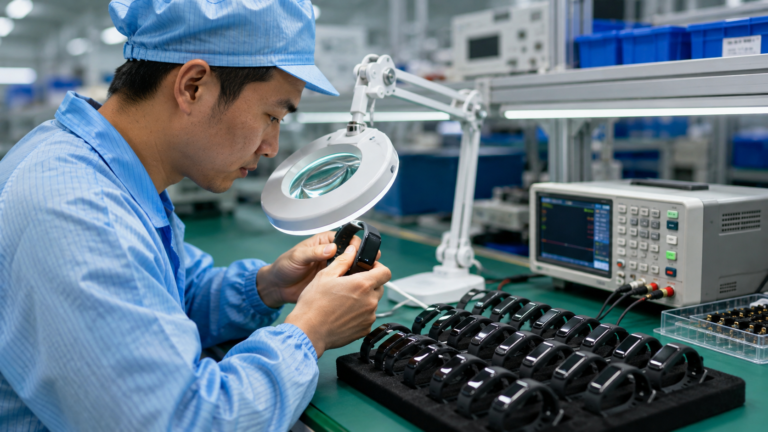
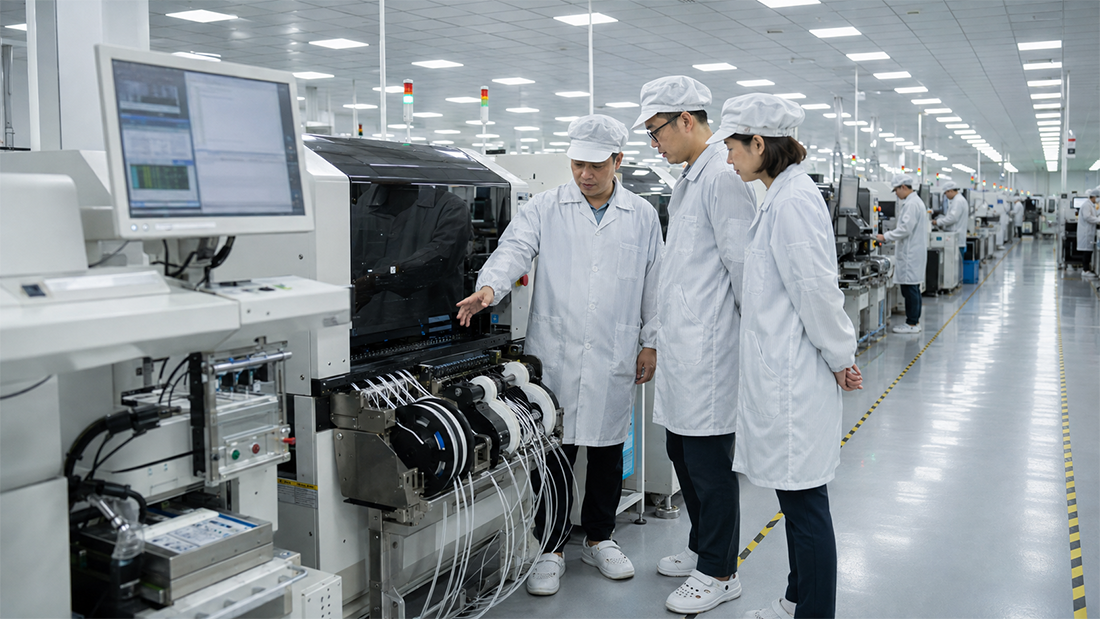
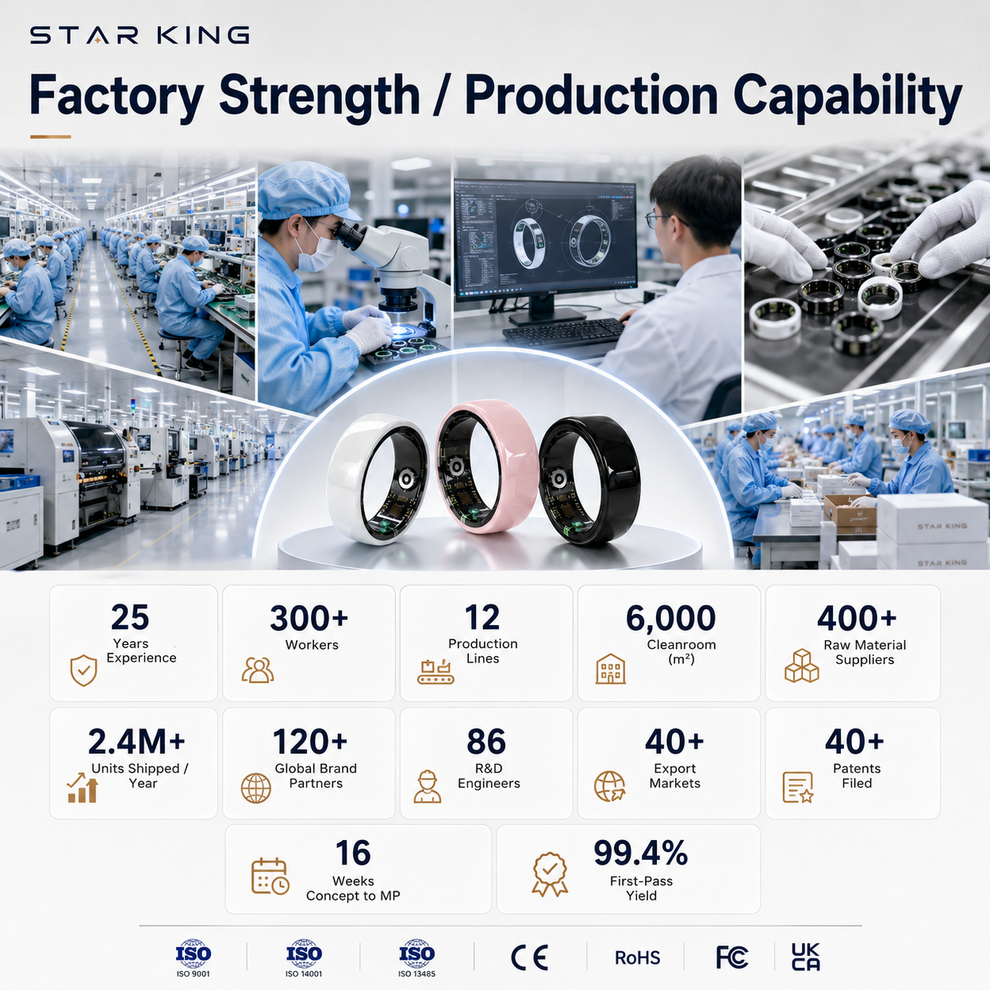
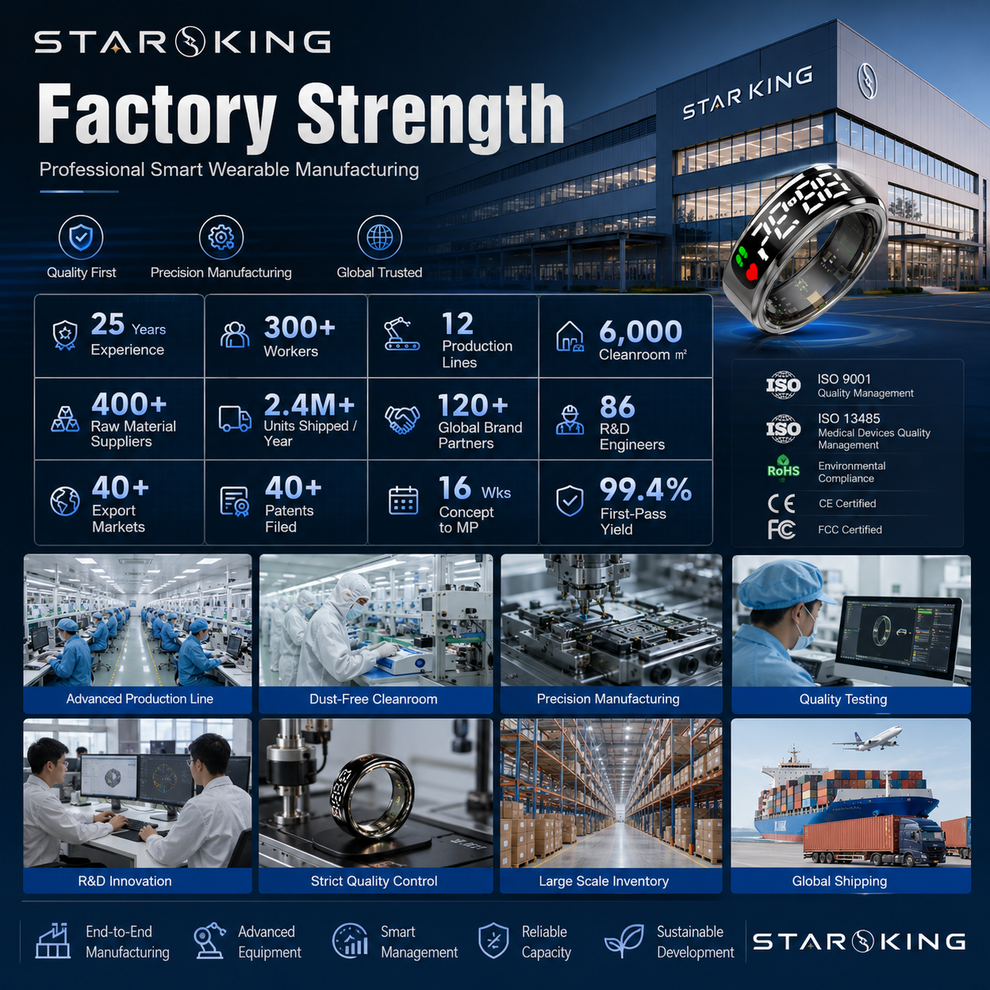
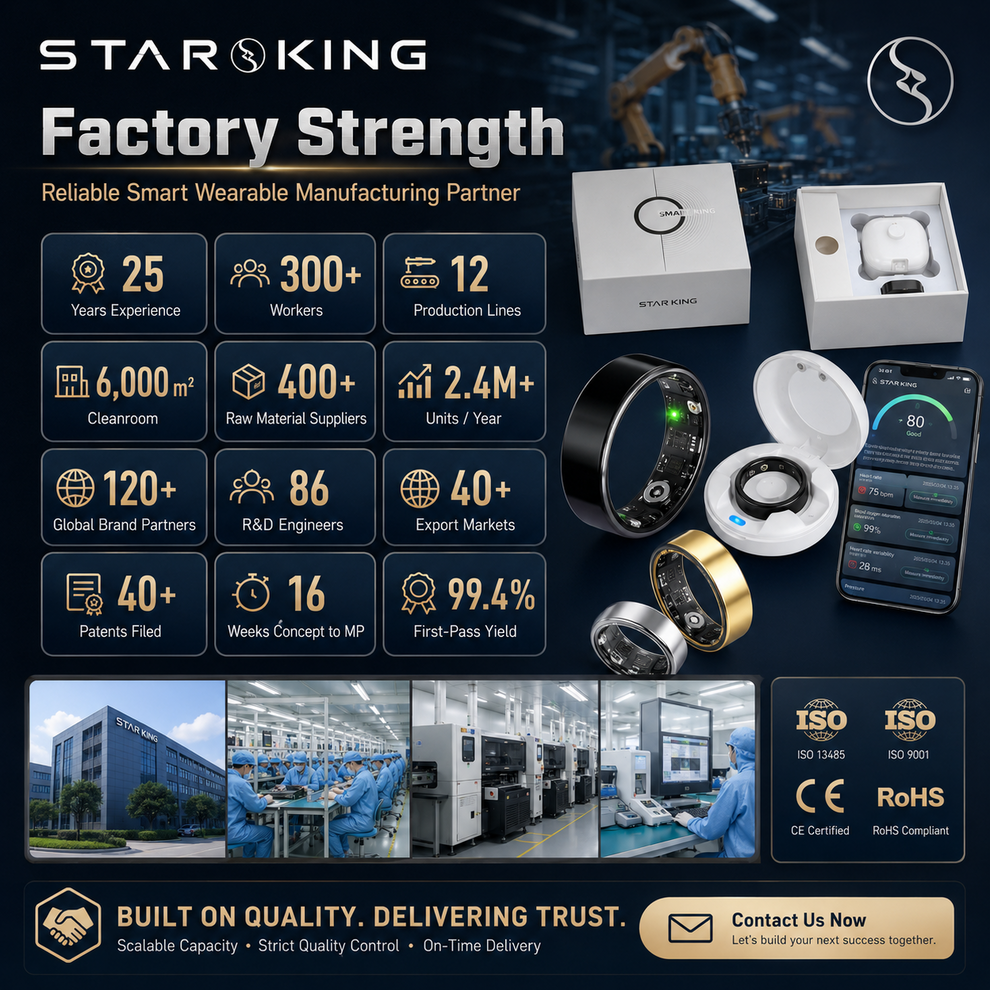
Choosing a reliable supplier is critical for education technology projects. Evaluate the manufacturer’s experience, production capabilities, and quality control processes.
For a comprehensive guide on supplier selection, visit the STAR KING blog for related articles.
Supplier Checklist
- Check company registration and years in business
- Request factory audit reports (e.g., ISO 9001)
- Review product certifications and test reports
- Contact existing clients for references (if possible)
- Assess communication and responsiveness
- Understand lead times for samples and mass production
Key Facts for Buyers
| Factor | Key Fact | Why It Matters |
|---|---|---|
| Language support | Must cover local languages and dialects | Essential for classroom usability |
| Battery life | Aim for 8+ hours of continuous use | Supports full school days without recharging |
| Durability | IP54 or higher; drop test from 1.5m | Reduces damage in rugged school environments |
| OEM/ODM | Custom logos, firmware, and app integration | Enables branding and curriculum alignment |
| Certifications | Country-specific requirements (e.g., NBTC, SDPPI) | Necessary for legal sale in target markets |
| MOQ | Varies; flexible MOQs for pilot projects | Affects initial investment and scalability |
| Supplier reliability | Audited manufacturer with QC processes | Minimizes risk of defects and delays |
Common Mistakes and Red Flags
Overlooking Language Variants
Many AI translators support official languages but struggle with dialects like Javanese or Cebuano. Test with local speakers.
Ignoring Certification Timelines
Certification can take months. Start early to avoid delayed market entry.
Underestimating Software Needs
Without API support, you may be locked into a closed system.
Choosing Price Over Quality
Low-cost units may have poor microphones or battery life, leading to negative reviews.
Not Planning for After-Sales
Ensure supplier offers warranty and spare parts for classroom tablets.
Practical Buyer Checklist
- Define target languages and dialects for your specific SEA countries.
- List required features: offline mode, battery life, durability, and app integration.
- Shortlist suppliers with strong OEM/ODM experience in AI hardware.
- Request samples and conduct internal language tests.
- Verify certification requirements with local authorities or consultants.
- Negotiate MOQ and lead times; consider pilot order.
- Plan packaging with localized instructions.
- Arrange for quality control inspections before shipping.
- Confirm warranty, spare parts, and after-sales support.
- Factor landed cost including import duties and logistics.
Buyers can also review STAR KING AI Translators OEM/ODM options to compare product positioning, customization scope, and sample planning.
Useful Official References for Buyers
- FCC equipment authorization guidance
- European Commission CE marking information
- Bluetooth SIG specifications
FAQ
What is the typical MOQ for AI translators from an OEM/ODM supplier?
MOQs vary, often starting around 500–1,000 units for standard models, but some suppliers offer lower MOQs for pilot orders or standard products. Customization may increase MOQ.
Can the translation software be customized to include specific educational vocabulary?
Yes, many OEM/ODM suppliers can modify the firmware and language models to include domain-specific terminology. Discuss your needs during the development phase.
What certifications do I need to sell AI translators in Southeast Asia?
Requirements vary by country. Typically, wireless devices need local certification such as SDPPI in Indonesia, NBTC in Thailand, and MIC in Vietnam. Check with a compliance consultant for up-to-date rules.
How long does it take to get a custom-branded AI translator produced?
For existing models with minor changes like logo printing, lead time may be 2–4 weeks after sample approval. For full ODM with new firmware and hardware design, allow 8–12 weeks or more.
What is the difference between OEM and ODM for AI translators?
OEM typically means using an existing design with your branding, while ODM involves the manufacturer developing a new product based on your specifications, which may include hardware and software changes.
Do AI translators require internet connection to work?
Most AI translators offer offline language packs for key languages, but full features often require internet access for higher accuracy and frequent updates. Consider your classroom connectivity when choosing models.
How can I ensure the quality of AI translators for classroom use?
Request samples, perform drop and battery tests, and review supplier quality control procedures. You can also hire a third-party inspection agency for pre-shipment checks.
Conclusion
Sourcing AI translators for education technology in Southeast Asia requires a balanced approach—evaluating language support, hardware durability, customization options, compliance, and supplier reliability. By focusing on the seven factors outlined, you can make an informed decision that aligns with your product strategy and budget.
Ready to explore AI translator options for your education technology product line? Request samples from STAR KING to evaluate hardware quality and discuss your OEM/ODM requirements.
Discuss Your Smart Wearable OEM/ODM Project
Planning a smart ring, smart watch, smart band, AI glasses, AI translator, or AI voice mouse project? Contact STAR KING to discuss product positioning, sample testing, customization scope, certification requirements, lead time, and quotation details.

Team Star King
Scan WhatsApp QR code