AI voice mouse importers: AI Voice Mouse for Middle East Importers: 7 Steps to a Profitable Private‑Label Launch in 2026
AI Voice Mouse for Middle East Importers: 7 Steps to a Profitable Private‑Label Launch in 2026
Direct Answer: AI voice mouse importers targeting the Middle East should prioritize Arabic‑language voice recognition, wireless compliance (CE/RoHS and local telecom approvals), and flexible MOQs. This 7‑step 2026 guide covers sourcing, customization, certification, logistics, and go‑to‑market for a profitable private‑label launch.
Table of Contents
Table of Contents
If you are an importer looking to add an AI voice mouse to your Middle East portfolio, the opportunity is real but the sourcing details matter. Demand for voice‑control peripherals is growing across Gulf markets as businesses and consumers adopt AI productivity tools. This guide gives you a practical, procurement‑first roadmap—from identifying the right supplier to landing certified stock in Dubai or Riyadh without costly surprises. We assume you already know the product category; now we focus on the commercial and operational decisions that determine your margins.
AI voice mouse importers: Table of Contents
- Short Answer
- Key Takeaways
- Key Facts for Buyers
- Step 1: Understand the Middle East AI Voice Mouse Opportunity
- Step 2: Evaluate Suppliers and Verify Manufacturing Capability
- Step 3: Choose Between OEM, ODM, and Private Label
- Step 4: Plan MOQs, Pricing, and Landed Cost
- Step 5: Validate Samples and Firmware for Arabic Voice
- Step 6: Secure Certification and Compliance for the Gulf
- Step 7: Manage Logistics, Packaging, and After‑Sales
- Common Mistakes and Buyer Red Flags
- Practical Buyer Checklist
- FAQ
- Conclusion

Short Answer
AI voice mouse importers entering the Middle East should focus on three non‑negotiables: Arabic‑language voice recognition accuracy, wireless regulatory compliance for each Gulf country, and supplier flexibility on MOQ and customization. Start with a sample evaluation, validate certifications early, and plan for 30–60 day lead times plus customs clearance. A staged rollout—starting with one market—reduces risk and lets you scale with proven demand.
Key Takeaways
- Arabic voice support is a differentiator; confirm it with real‑world sample testing before committing to volume.
- Middle East compliance goes beyond CE: some countries require local type approval for wireless devices.
- Private label programs typically need custom logo, packaging, and firmware/app adjustments—clarify these in your RFQ.
- MOQs vary; negotiate a pilot order to validate market fit before mass production.
- Landed cost includes freight, duties, and certification amortization—model these before setting retail price.
Key Facts for Buyers
| Factor | Typical Consideration | Action for Importers |
|---|---|---|
| Voice language support | Arabic accuracy varies by model | Request a demo unit and test regional dialects |
| Wireless compliance | CE/RoHS common; local type approval may apply | Verify with supplier and your customs broker |
| MOQ | Often 500–1,000 units for private label [STAR KING TO CONFIRM] | Negotiate a smaller pilot batch |
| Lead time | 30–60 days after sample approval | Build buffer for customs |
| Customization | Logo, packaging, app UI | Confirm tooling or setup fees upfront |
| Battery shipping | UN38.3 and MSDS required for air freight | Ensure documents are ready before booking |
Step 1: Understand the Middle East AI Voice Mouse Opportunity
The Middle East, particularly the GCC, is investing heavily in digital transformation. Government initiatives and smart‑city projects are pushing AI adoption. For importers, this means a growing base of tech‑savvy consumers and businesses willing to try productivity peripherals. The AI voice mouse appeals to professionals who want hands‑free control, multilingual input, and faster workflow—especially in multilingual environments like the UAE and Saudi Arabia.However, the market is not monolithic. What works in Dubai may need adjustment for Riyadh or Doha. Language support, packaging language (Arabic/English), and warranty expectations differ. Your first step is to define a beachhead market and a clear use case: is it for corporate procurement, education, or retail? This shapes your product spec and compliance needs.
Market signals to watch
- Government e‑procurement portals listing AI peripherals.
- Retail chains adding voice‑control accessories.
- Distributors looking to differentiate from standard mice.
For a broader view of AI hardware trends in the region, see our AI Office Productivity solutions.
Step 2: Evaluate Suppliers and Verify Manufacturing Capability
Not all AI voice mouse suppliers are equal. Some are trading companies repackaging generic products; others are true manufacturers with R&D and firmware teams. For importers, the difference matters: a manufacturer can support customization, provide consistent quality, and handle certification documentation. When vetting suppliers, ask for:
- Factory audit reports or video walkthroughs (if available).
- Evidence of in‑house firmware and app development.
- References from other international buyers (respecting confidentiality).
- Clear answers on certification responsibilities.
Use a supplier scorecard to compare candidates objectively. For a deeper dive into supplier evaluation, see our guide on sourcing smart hardware.
Red flags in supplier communication
- Vague answers about firmware customization.
- Unwillingness to share certification test reports.
- Pressure to pay full deposit before sample approval.
Step 3: Choose Between OEM, ODM, and Private Label
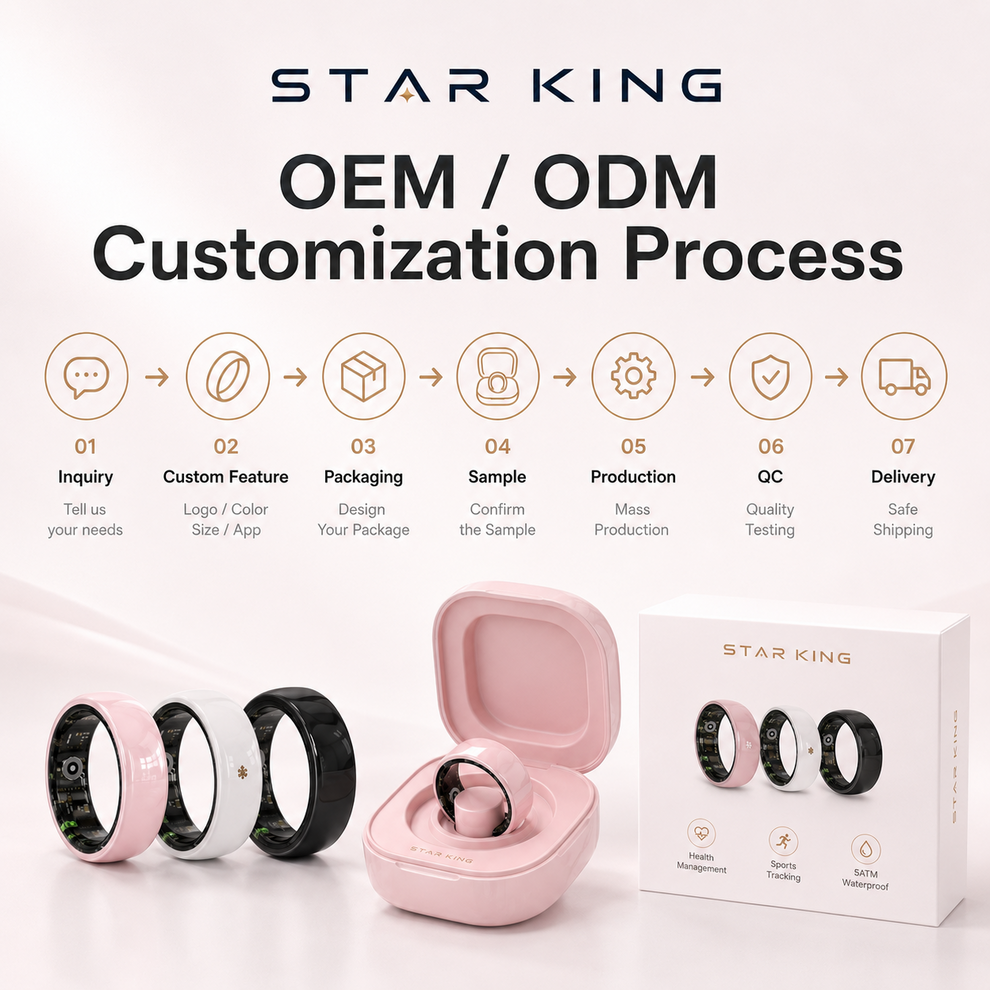
Your business model determines which path to take. OEM (Original Equipment Manufacturer) means you bring the design; ODM (Original Design Manufacturer) means the supplier has a ready design you can brand; Private Label is a lighter version of ODM where you apply your logo and packaging to an existing product.
| Model | Customization Level | MOQ | Time to Market | Best For |
|---|---|---|---|---|
| OEM | Full custom | High | 6–12 months | Brands with unique IP |
| ODM | Moderate (logo, packaging, app skin) | Medium | 3–6 months | Importers wanting differentiation |
| Private Label | Logo and packaging only | Lower | 1–3 months | Startups, e‑commerce sellers |
For most Middle East importers, a private label or light ODM approach offers the best balance of speed and differentiation. You can start with standard hardware and customize the app UI for Arabic users.
Step 4: Plan MOQs, Pricing, and Landed Cost
MOQ is often the biggest hurdle. Suppliers set MOQs based on component sourcing and production efficiency. For AI voice mice, typical MOQs for private label may range from 500 to 1,000 units, but this varies. STAR KING’s specific MOQ is [STAR KING TO CONFIRM].
Pricing depends on:
- Voice chipset and microphone quality.
- Wireless protocol (2.4GHz, Bluetooth).
- Customization (logo, packaging, app).
- Order volume.
- Certification costs (if supplier handles).
Build a landed cost model that includes:
- Unit price + tooling/setup fees (if any).
- Freight (air/sea) and insurance.
- Import duties and VAT in the destination country.
- Customs clearance and inland transport.
- Certification amortization.
For a detailed cost breakdown method, refer to our Private Label OEM/ODM solutions.
Step 5: Validate Samples and Firmware for Arabic Voice
Never commit to volume without a sample evaluation. For the Middle East, test Arabic voice recognition across dialects (Gulf, Levantine, Egyptian). Check:
- Accuracy in noisy environments (offices, call centers).
- Latency between speech and action.
- Compatibility with popular OS and apps.
- Battery life under typical use.
Request a sample unit and run a structured test with your target users. Document issues and ask the supplier for firmware updates or adjustments. This step is critical for AI voice mouse importers because voice performance is the core value proposition.
Image suggestion: (Place after this paragraph.)
Step 6: Secure Certification and Compliance for the Gulf
Wireless devices require regulatory approval. While CE and RoHS are common, Middle East countries may require additional certifications:
- UAE: TDRA type approval for wireless equipment.
- Saudi Arabia: CITC approval.
- Other GCC: Similar telecom authority approvals.
These requirements typically depend on the product’s wireless capabilities and the destination country. Buyers should verify with local authorities or a compliance consultant. STAR KING’s AI voice mouse certification coverage is [STAR KING TO CONFIRM].
For battery‑powered devices, UN38.3 and MSDS are mandatory for air shipping. Ensure the supplier provides these documents.
External references for compliance
- FCC (for US market, not Middle East, but useful as a baseline).
- TDRA (UAE Telecommunications Regulatory Authority).
Always consult a local compliance expert for the latest requirements.
Step 7: Manage Logistics, Packaging, and After‑Sales
Middle East importers must plan for customs clearance, which can be slow during peak seasons. Use a freight forwarder experienced in electronics. Packaging should be bilingual (Arabic/English) for retail. Include a warranty card and local support contact.
After‑sales support is a differentiator. Offer a clear warranty (e.g., 12 months) and a process for returns. Ensure spare parts (e.g., USB receivers) are available.
Soft CTA: If you need a supplier that understands the Middle East market and can support private label customization, STAR KING can help. Discuss your OEM/ODM project with us.
Common Mistakes and Buyer Red Flags
- Skipping sample testing: Assuming voice recognition works for Arabic without testing.
- Ignoring local certification: Assuming CE is enough for GCC.
- Underestimating lead times: Not accounting for Chinese New Year or port congestion.
- Choosing price over quality: Cheap microphones lead to poor user experience and returns.
- No clear MOQ agreement: Verbal promises without a contract.
Red flags include suppliers who cannot provide test reports, refuse video factory tours, or demand full payment upfront.
Practical Buyer Checklist
| Item | Completed? |
|---|---|
| Define target market and use case | ☐ |
| Identify 3–5 potential suppliers | ☐ |
| Request samples and test Arabic voice | ☐ |
| Verify certifications (CE, RoHS, TDRA/CITC) | ☐ |
| Negotiate MOQ and pricing | ☐ |
| Confirm customization (logo, packaging, app) | ☐ |
| Plan logistics and customs | ☐ |
| Establish warranty and after‑sales process | ☐ |
Buyers can also review STAR KING AI Voice Mouse OEM/ODM options to compare product positioning, customization scope, and sample planning.
FAQ
1. What is the typical MOQ for a private‑label AI voice mouse?
MOQs vary by supplier and customization level. For private label, it might range from 500 to 1,000 units. For STAR KING, please confirm at the time of inquiry.
2. Does the AI voice mouse support Arabic?
Many models support multiple languages, but Arabic accuracy depends on the firmware. Always test a sample with your target dialect.
3. What certifications are needed for the Middle East?
CE and RoHS are common, but GCC countries may require local telecom approvals like TDRA (UAE) or CITC (Saudi Arabia). Verify with the supplier and local authorities.
4. How long does shipping take to the Middle East?
Air freight typically takes 5–10 days, sea freight 20–35 days, plus customs clearance time. Plan for 4–8 weeks total.
5. Can I customize the packaging and logo?
Yes, most OEM/ODM suppliers offer logo and packaging customization. Confirm costs and MOQ impact.
6. What is the warranty period?
Warranty varies; typical is 12 months. Clarify with the supplier and include terms in your contract.
7. How do I ensure battery safety for shipping?
Request UN38.3 test reports and MSDS from the supplier. These are required for air transport.
Conclusion
For AI voice mouse importers targeting the Middle East, success comes from careful supplier selection, Arabic voice validation, and proactive compliance. Follow the 7 steps outlined here to minimize risk and build a profitable private‑label line. The region’s appetite for AI productivity tools is growing—position yourself with a reliable product and a supplier who supports your brand.
STAR KING CTA
Ready to launch your private‑label AI voice mouse in the Middle East? Request a quotation or discuss your OEM/ODM project with STAR KING. We can help you with samples, customization, and certification guidance.
Note: Product specifications, MOQs, and certification coverage are subject to change. Please confirm details at the time of inquiry.
Discuss Your Smart Wearable OEM/ODM Project
Planning a smart ring, smart watch, smart band, AI glasses, AI translator, or AI voice mouse project? Contact STAR KING to discuss product positioning, sample testing, customization scope, certification requirements, lead time, and quotation details.

Team Star King

Scan WhatsApp QR code