AI Translators OEM for Southeast Asia: 7 Steps to a Private-Label RFQ in 2026
AI Translators OEM for Southeast Asia: 7 Steps to a Private-Label RFQ in 2026
Planning an AI translators OEM program for Southeast Asia comes down to four decisions: pick a device format that matches your use case, confirm which languages work offline, agree MOQ and price tiers with your manufacturer, and lock down certification and battery shipping rules before you sign. Buyers who sequence these correctly usually move from inquiry to pilot order in weeks; buyers who skip them lose months to rework.
Table of Contents
Table of Contents
This guide is written for private-label brands preparing a request for quotation (RFQ) for two-way voice translators and multilingual handheld devices. It covers device formats, offline language coverage, branding depth, MOQ and lead time, quality control, compliance, lithium battery logistics, and the sourcing risks that most often derail first orders. Because Southeast Asia spans ten very different markets, every requirement below should be verified against your specific destination country and sales channel.
For a broader view of the category before you shortlist, review the AI translators product range and the private-label OEM/ODM solution.
Table of Contents
- Direct Answer
- Key Takeaways
- Key Facts for Buyers
- What ‘AI Translators OEM’ Means in Practice
- Step 1: Match the Device Format to the Use Case
- Step 2: Decide Which Languages Must Work Offline
- Step 3: Define Branding, Firmware, and App Customization
- Step 4: Agree MOQ, Tooling, and Price Tiers
- Step 5: Plan Quality Control and Sample Testing
- Step 6: Map Certification and Import Compliance
- Step 7: Budget Battery Logistics, Warranty, and Spares
- OEM vs ODM vs White Label: Comparison Table
- Common Mistakes and Buyer Red Flags
- Practical Buyer Checklist
- FAQ
- Conclusion
Direct Answer
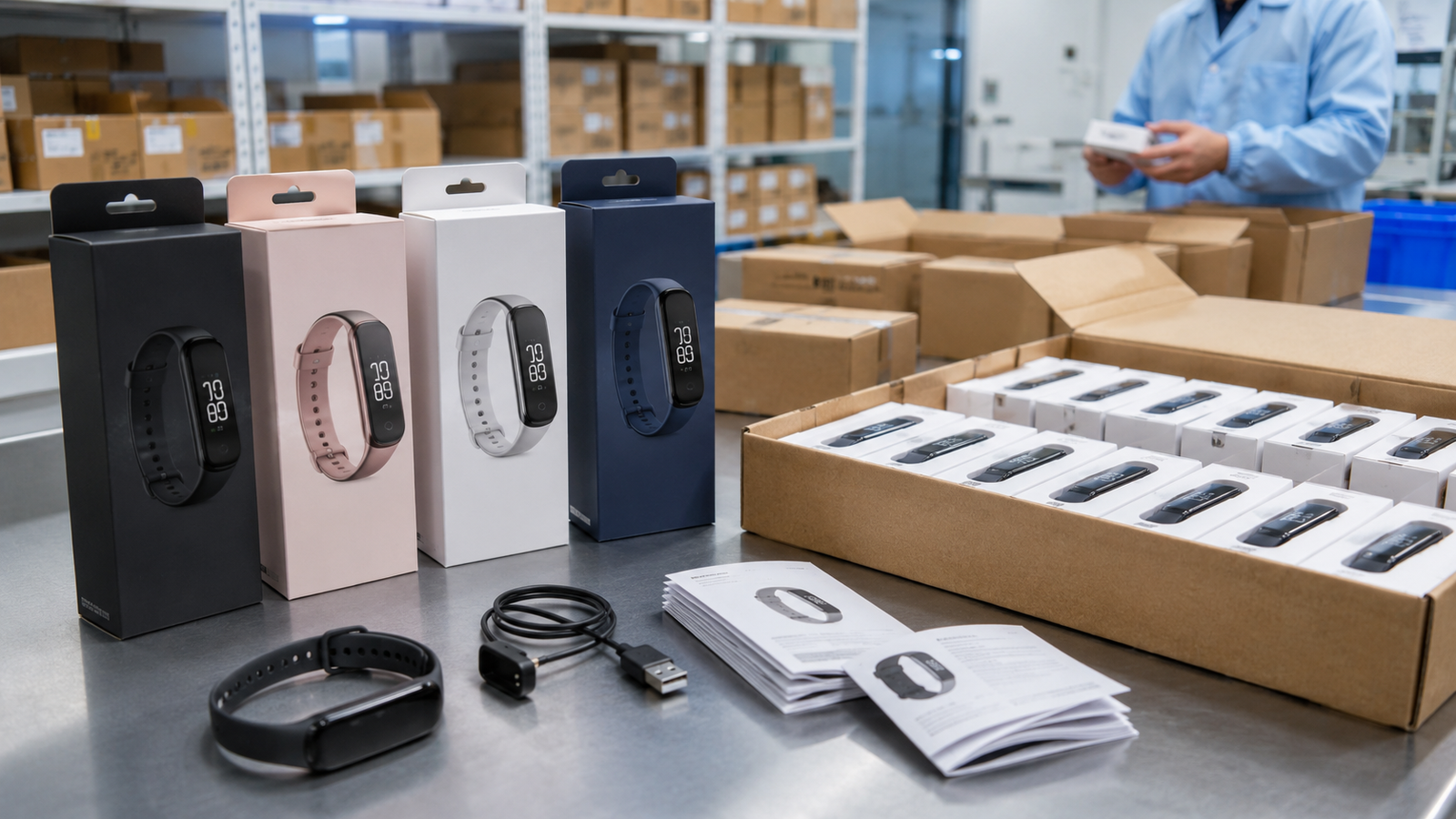
For a private-label AI translator program in Southeast Asia, start with an ODM hardware platform, customize the logo, packaging, app shell, and offline language set, then validate everything with one pre-production sample round before committing to volume. Expect MOQ to depend on the level of tooling and firmware change you request, and treat certification and lithium battery shipping as gating items rather than afterthoughts. Final terms should always be confirmed in writing with your chosen AI translators OEM partner.

Key Takeaways
- Offline language coverage, not the language count on a spec sheet, is the single biggest factor in real user satisfaction.
- Noise-cancelling microphones and dual-microphone arrays matter more than cosmetic differences between similar-looking devices.
- MOQ is driven by tooling, color, battery, and firmware changes — not by the base hardware alone.
- Certification requirements vary by destination country and product configuration; buyers should verify before mass production.
- Lithium battery products are regulated for air and sea freight; documentation must be ready before shipment.
- Start with a pilot order of one or two SKUs, then scale the SKUs that show the best sell-through.
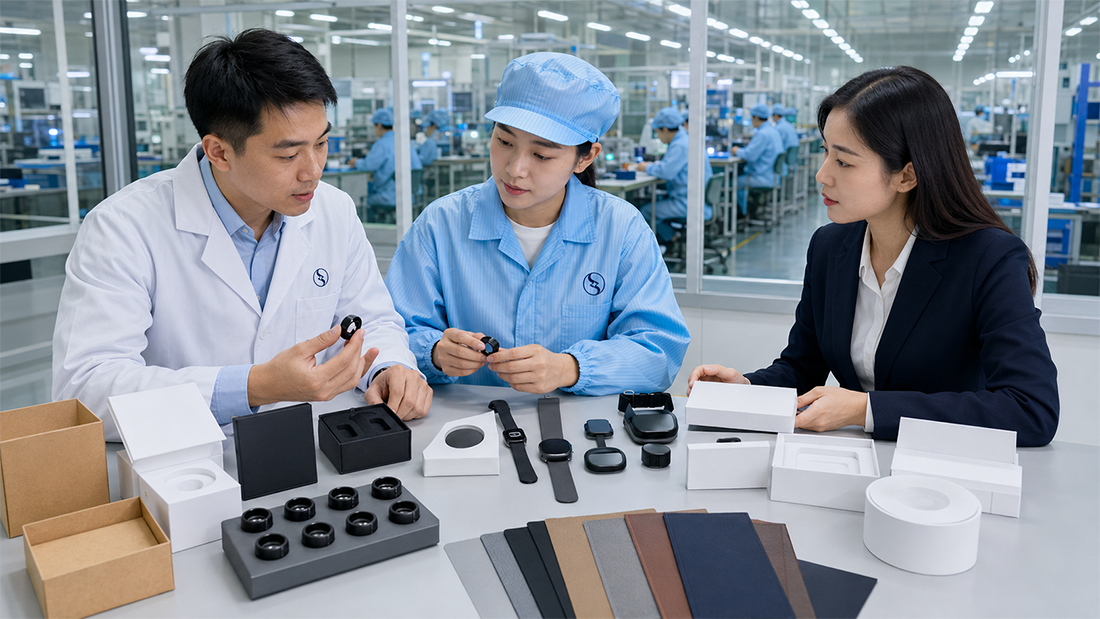
Key Facts for Buyers
| Buyer Question | Typical Answer | What to Verify |
|---|---|---|
| Device formats available | Handheld two-way translator, pocket translator with eSIM/Wi-Fi, translator earbuds, and translation-enabled AI glasses | Which format matches your end user and channel |
| Offline language coverage | Varies by model and firmware build; often a subset of the full online language list | Request the exact offline pair list per model |
| MOQ | Depends on tooling, color, packaging, and firmware customization | MOQ per SKU and per customization level |
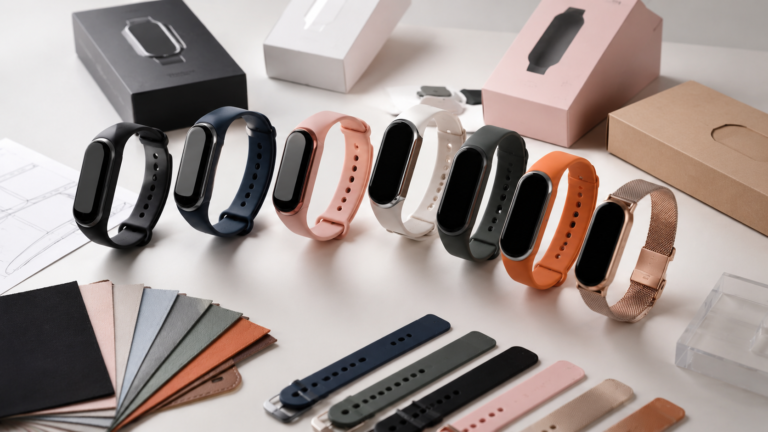
| Branding depth | Logo, packaging, app name, splash screen, and select firmware assets | Which assets are editable without new tooling |
| Certification | Requirements typically depend on destination market and configuration | Which certificates the factory holds and which you must fund |
| Battery shipping | Lithium battery documentation is usually required for air freight | UN38.3 test summary and MSDS availability |
| Sample lead time | Depends on whether the model is in stock or requires customization | Written sample timeline and revision rounds |
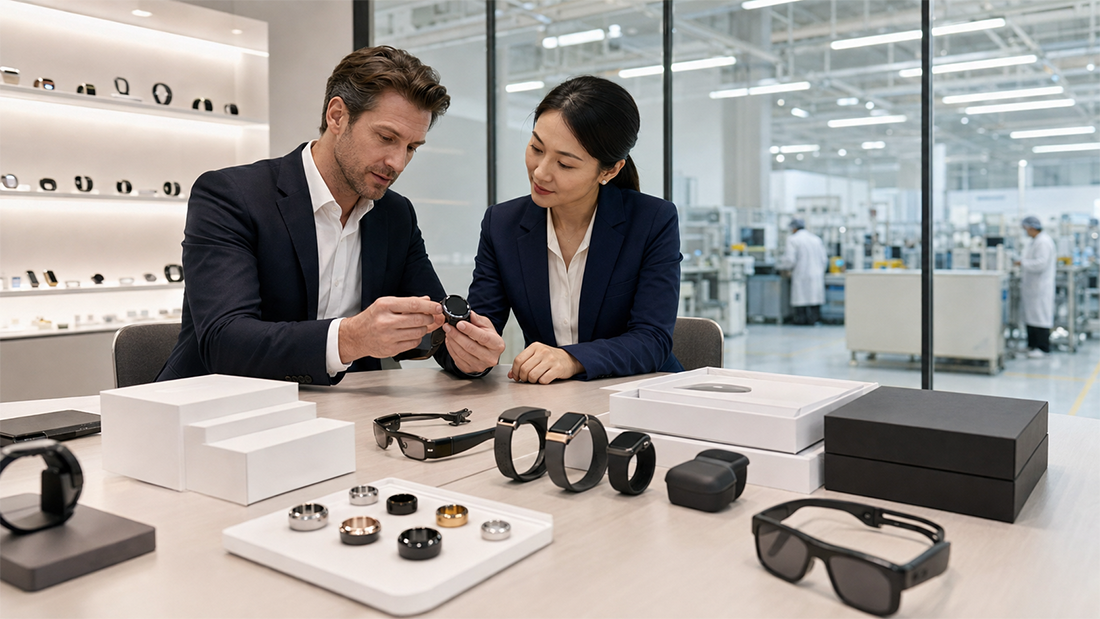
What ‘AI Translators OEM’ Means in Practice
AI translators OEM describes a manufacturing arrangement in which a buyer sells a translation device under their own brand while the manufacturer supplies the hardware platform, firmware, and often the companion app. The buyer controls brand identity, packaging, positioning, and channel strategy; the manufacturer controls the underlying speech recognition, machine translation, and text-to-speech stack.
For Southeast Asian private-label brands, the practical question is not “OEM or not?” but “how deep does the customization go?” A shallow customization changes the logo and box. A deeper one changes the app name, onboarding language, voice profile, and the offline language bundle. Each layer affects tooling cost, MOQ, and lead time.
Why Southeast Asia Is a Distinctive Market
Southeast Asia combines high regional travel, multilingual workplaces, and a large cross-border services sector. Buyers in this region often need devices that handle a mix of major global languages and regional ones, and that function reliably in areas with uneven network coverage. That makes offline performance and battery endurance more commercially important here than in markets where high-speed data is universal.
Step 1: Match the Device Format to the Use Case
The format decision drives nearly every downstream choice, including price band, channel, and certification path. Most private-label programs in this region land on one of three formats.
Handheld Two-Way Translators
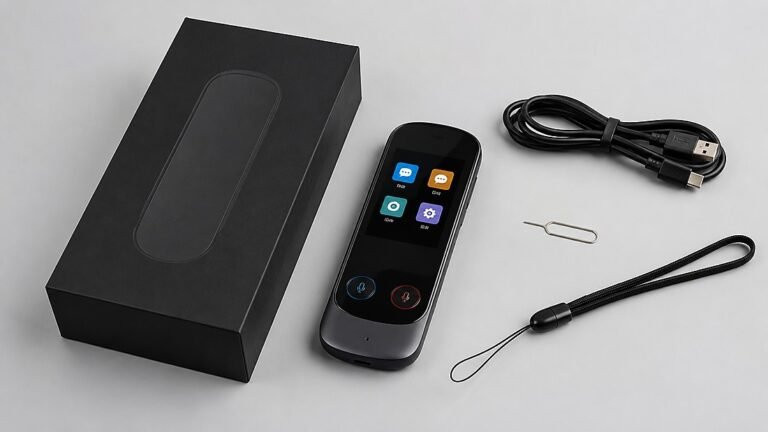
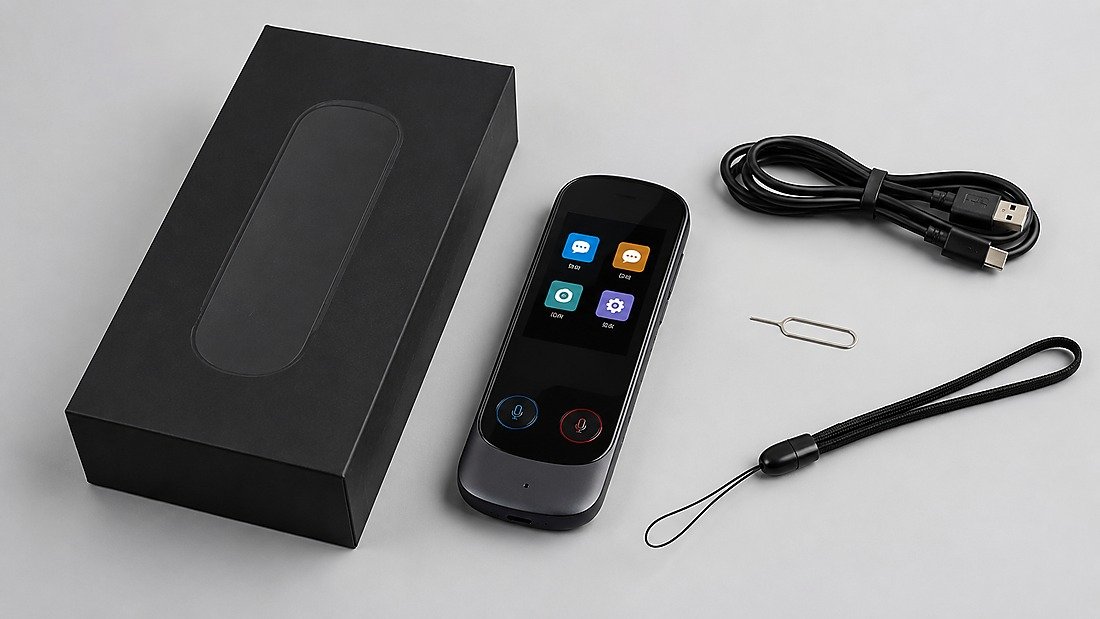
Best for retail counters, hospitality, healthcare reception, and travel retail. These devices support face-to-face conversation, often with a screen that shows both parties the translated text. They are easy to demo in-store, which supports sell-through.
Pocket, Wi-Fi, and eSIM Translators
Suited to frequent travelers and business users. Connectivity strategy matters: a Wi-Fi-first device keeps the bill of materials lower, while an eSIM model adds recurring value but also introduces carrier and regional data questions.
Translator Earbuds and AI Glasses
Positioned as premium or productivity products. They suit corporate procurement and education buyers, but the buyer should confirm how the app handles multi-speaker scenarios and how comfortable the hardware is for extended use. See the AI smart glasses range if this format fits your roadmap.
Step 2: Decide Which Languages Must Work Offline
This is where most first-time buyers lose margin. A device may list dozens of supported languages online, but the offline set is often smaller and defined per model. Offline translation requires embedded models, which consume storage and memory and affect the bill of materials.
Ask your AI translators OEM partner for four things in writing: the exact offline language pair list per model, the online language list, the accuracy expectation for each direction, and how the device behaves when the network drops mid-conversation. For Southeast Asia, buyers should specifically test regional language pairs relevant to their end users rather than relying on demo videos.
Step 3: Define Branding, Firmware, and App Customization
Customization depth determines both your differentiation and your cost. A practical split looks like this:
| Customization Layer | Typical Scope | Commercial Impact |
|---|---|---|
| Logo and shell marking | Device print, button labels | Low; usually no new tooling |
| Packaging | Retail box, inserts, regulatory text | Moderate; affects print MOQ |
| App shell | App name, icon, splash, onboarding | Moderate; may require app store accounts |
| Firmware assets | Boot logo, default languages, voice prompts | Moderate to high; needs a build cycle |
| New industrial design or tooling | New enclosure or hardware changes | High; tooling cost and longer timeline |
Buyers should also clarify who owns the app store account, who maintains updates, and what happens if the manufacturer changes its translation engine in a future firmware release. These questions belong in the RFQ, not in the contract negotiation stage.
Step 4: Agree MOQ, Tooling, and Price Tiers
MOQ is not a single number; it is a set of numbers by customization level. A stock model with your logo may have one MOQ, while a new color added via tooling has a much higher one. When you compare quotations from multiple suppliers, normalize them against the same customization scope, or the comparison will mislead you.
Price tiers should also reflect realistic volume bands. Ask for the unit price at your pilot volume, your target annual volume, and one tier above it. That gives you a defensible view of unit economics for your channel, and it shows the supplier you are planning a program rather than a one-off purchase.
If you are comparing several formats at once — translators, earbuds, or glasses — a structured AI translators specification review will keep the comparison consistent across models.
Step 5: Plan Quality Control and Sample Testing
Sampling is where translation devices are won or lost. A device can look identical to a competitor in photos and perform very differently in a noisy restaurant. Build your sample evaluation around function, not appearance.
What to Test in a Sample Round
- Two-way conversation in a noisy environment at realistic speaking distance.
- Latency from speech to translated output, measured across several language pairs.
- Offline behavior: turn off Wi-Fi and confirm the offline language set still works.
- Battery endurance under continuous translation use, not standby.
- App pairing stability across common Android and iOS versions.
- Charging behavior and heat during extended use.
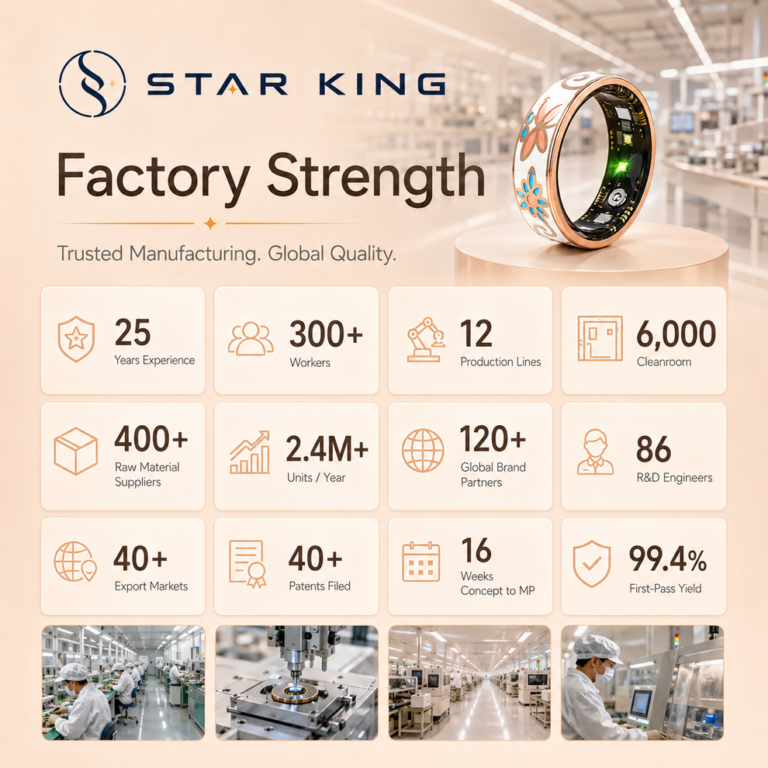
Ask about the factory’s routine quality controls as well: incoming material inspection, in-line functional testing, aging or burn-in where applicable, and pre-shipment inspection. A documented process is more valuable than a verbal assurance. Many buyers pair this with an independent pre-shipment inspection for their first production order.
Step 6: Map Certification and Import Compliance
Compliance is country-specific and configuration-specific. Do not assume a device that is compliant in one market is compliant in another. In Southeast Asia, several national regulators maintain their own type-approval or equipment registration schemes, and requirements may change. Buyers should verify current rules with the relevant authority or a qualified local agent.
At minimum, clarify these points in your RFQ:
- Which certificates the manufacturer already holds for the specific model, and which the buyer must fund.
- Whether radio equipment type approval is required in your destination country, and who submits the application.
- Whether additional labeling, local-language manuals, or importer contact details are required on the retail packaging.
- Whether the product requires any medical or health-related claims review (translation devices typically do not, but buyers making adjacent health claims should check).
For reference, radio-frequency equipment sold in the United States generally requires equipment authorization under FCC rules, described on the FCC Office of Engineering and Technology pages. European market requirements for radio equipment are set out in the EU Radio Equipment Directive. Use these as orientation only; your destination market and configuration determine the actual obligations.
A Note on Certification Claims
Certification status depends on the exact model, region, and configuration. Buyers should request certificate copies and confirm the covered model numbers rather than accepting a logo on a specification sheet. [STAR KING TO CONFIRM: which certifications are held per model and market.]
Step 7: Budget Battery Logistics, Warranty, and Spares
Translation devices are battery-powered consumer electronics, which means shipping is a regulated activity. Air transport of lithium batteries is governed by international dangerous goods rules, and carriers typically require documentation such as a UN38.3 test summary and a safety data sheet before acceptance. Requirements depend on carrier, route, and battery configuration, so confirm them with your freight forwarder early.
Warranty and spares planning is often the most overlooked part of an RFQ. Decide the warranty period you will offer, whether the factory provides spare parts or replacement units, how RMA cases are handled, and whether a spare-unit buffer is included in the initial order. For a first-year private-label launch, a small buffer of service units usually costs far less than a stockout of support inventory.
OEM vs ODM vs White Label: Comparison Table
| Model | What You Control | What the Manufacturer Controls | Typical Fit |
|---|---|---|---|
| White label | Branding and channel | Hardware, firmware, app | Fast market test with minimal investment |
| ODM | Branding, packaging, app shell, selected firmware assets | Core platform and translation engine | Most private-label programs |
| OEM (deep) | Specification, industrial design, feature set | Manufacturing execution against your spec | Established brands with defined volumes |
Most first-time private-label buyers should begin with ODM and move toward deeper OEM customization only after validating sell-through.
Common Mistakes and Buyer Red Flags
These patterns appear repeatedly in failed first orders.
- Trusting the language count. A long list means little if the offline pairs or regional languages your users need are missing.
- Comparing quotations at different scopes. One quote includes packaging and firmware changes; another does not. Normalize before comparing.
- Assuming certification is included. Certificates may cover a base model but not your customized configuration or destination market.
- Ignoring battery documentation. Missing UN38.3 or MSDS documents can delay or block a shipment entirely.
- No written sample revision terms. Without agreed revision rounds, sample feedback can turn into a negotiation.
- No spare-parts plan. After-sales support becomes expensive if no service units or components were reserved.
- Vague IP and tooling ownership terms. Buyers funding new tooling should confirm ownership and transfer conditions in writing.
Red flags in supplier communication include refusing to state the offline language list, declining a paid sample order, providing certificate images without model numbers, and avoiding written answers about warranty and spares.
Practical Buyer Checklist
- Confirm the device format and the primary end-user scenario.
- Obtain the exact offline and online language lists per model.
- Define the customization layers you want and their MOQ impact.
- Request unit pricing at pilot, target, and stretch volumes.
- Order paid samples and test them in realistic noise and connectivity conditions.
- Ask for the factory’s quality control process and, for production orders, arrange pre-shipment inspection.
- Verify certification scope against your destination country and configuration.
- Confirm UN38.3 and MSDS documentation and freight forwarder requirements.
- Agree warranty period, RMA process, and spare-unit buffer.
- Put tooling, IP, and app ownership terms in writing before paying deposits.
FAQ
What is the typical MOQ for a private-label AI translator?
MOQ varies with customization depth. Logo and packaging changes generally require a lower MOQ than firmware changes, new colors, or new tooling. Request MOQ figures per SKU and per customization level, not as a single number.
Do AI translators work without internet access?
Many models support a defined offline language set, but coverage is usually smaller than the online list and differs by model and firmware build. Buyers should request the exact offline pair list and test it with connectivity disabled.
Which certifications do I need for Southeast Asian markets?
Requirements depend on the destination country, the product’s radio and battery configuration, and current local rules. Some markets require radio equipment type approval and importer-specific labeling. Verify with the national authority or a qualified local agent before production.
Can the companion app carry our brand?
Many ODM programs allow app name, icon, splash screen, and onboarding customization. Confirm who owns the developer accounts and who is responsible for ongoing updates.
How long does a customized sample take?
Timeline depends on whether the base model is in stock and how deep the customization goes. Firmware and packaging changes add build time. Ask for a written sample schedule with defined revision rounds.
What shipping documents are needed for lithium battery products?
Carriers commonly require a UN38.3 test summary and a safety data sheet, among other documents. Requirements depend on carrier, route, and battery configuration, so confirm with your forwarder early.
Should I start with one model or several?
Most private-label brands test with one or two SKUs, measure sell-through, then expand. This reduces inventory risk and keeps the certification and packaging scope manageable.
Conclusion
A successful AI translators OEM program for Southeast Asia is a sequencing exercise. Choose a format that fits your end user, confirm the offline language coverage that matters in your market, define how deep your branding goes, and settle MOQ, quality control, certification, and battery logistics before committing to volume. Buyers who ask structured questions early consistently get cleaner quotations and faster launches.
Because certification, battery rules, and radio approvals differ by country and change over time, treat every compliance statement as something to verify for your specific configuration and destination. A supplier that welcomes those questions is usually a better long-term partner than one that avoids them.
Ready to Build Your Translator Program?
If you are preparing an RFQ for private-label AI translators for Southeast Asia, we can walk through device formats, offline language options, customization scope, MOQ tiers, and certification planning for your target markets. Request a quotation with your target markets, volume estimate, and required language pairs, and we will respond with a structured proposal.
Discuss Your Smart Wearable OEM/ODM Project
Planning a smart ring, smart watch, smart band, AI glasses, AI translator, or AI voice mouse project? Contact STAR KING to discuss product positioning, sample testing, customization scope, certification requirements, lead time, and quotation details.

Team Star King

Scan WhatsApp QR code