FPV Drone Sourcing in Southeast Asia: A Buyer’s Guide for Amazon Sellers
FPV Drone Sourcing in Southeast Asia: A Practical Guide for Amazon Sellers
If you are an Amazon seller targeting Southeast Asia, adding FPV drones to your catalog can open up new revenue streams. But sourcing FPV drones for this market involves more than picking a cheap model. You need to navigate import regulations, battery compliance, and supplier reliability. This guide explains what to consider when sourcing FPV drones from manufacturers like STAR KING, how to evaluate OEM/ODM options, and how to avoid common pitfalls.
Key Takeaways
- Understand the demand for FPV drones in Southeast Asia and the unique needs of local hobbyists.
- Learn how to evaluate FPV drone specifications and what matters for different buyer segments.
- Know the importance of certifications such as CE, FCC, RoHS, and UN38.3 for FPV drones.
- Discover the benefits of OEM/ODM partnerships for brand differentiation.
- Get practical advice on MOQs, sampling, and quality control.
Why Southeast Asia is a Promising Market for FPV Drones
Southeast Asia has a growing community of drone enthusiasts, with countries like Malaysia, Thailand, Vietnam, and the Philippines showing increasing interest in FPV racing and freestyle. However, the market is still developing, and many local buyers rely on cross-border e-commerce platforms like Amazon to source FPV drones. This makes it an attractive entry point for online sellers. However, you must understand the local regulations and consumer preferences to tailor your product offering.
Understanding FPV Drone Types and Specifications
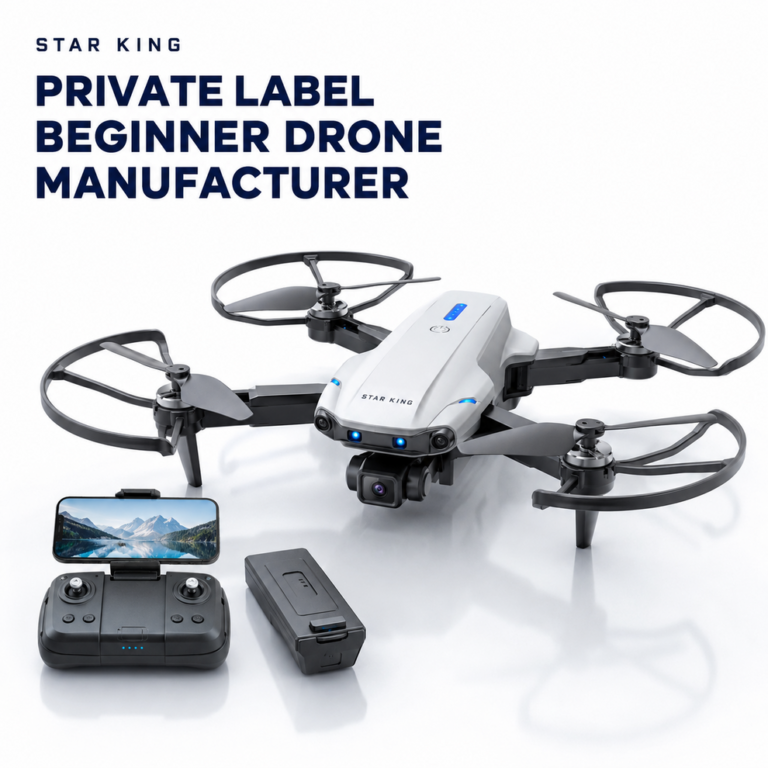
FPV drones come in various configurations, from small whoops to high-speed racing quads. When sourcing, you need to decide which segment you want to target. For example, beginner-friendly FPV drones with stable flight modes and safety features may appeal to new hobbyists, while advanced users seek higher performance with customizable parts. Evaluate the following specifications carefully:
- Camera quality and transmission range
- Flight time and battery capacity
- Motor size and thrust-to-weight ratio
- Controller compatibility and frequency
- Durability and crash resistance
- Replaceable parts availability
For more on specific FPV drone models, check our FPV drone collection.
Comparison Table: Typical FPV Drone Segments
| Segment | Key Features | Target Buyer | Price Range |
|---|---|---|---|
| Beginner Whoop | Durable, easy to fly, low speed | New pilots | $50–150 |
| Racing Quad | High speed, agile, minimal weight | Racers | $200–600 |
| Cinewhoop | Integrated camera, stable HD recording | Content creators | $300–800 |
Evaluating FPV Drone Manufacturers for OEM/ODM
Choosing the right manufacturing partner is crucial. When evaluating suppliers, consider their experience with FPV drones, their ability to customize firmware and hardware, and their track record with export compliance. STAR KING offers comprehensive private label and OEM services for drones, including FPV models.
Key Questions to Ask a Supplier
- Can you customize flight controllers and firmware?
- What is your minimum order quantity (MOQ)?
- Do you provide sample testing before mass production?
- How do you handle battery certification (UN38.3) and shipping?
- What is your typical lead time for bulk orders?
- Can you assist with packaging and logo customization?
Compliance and Certification for FPV Drones
FPV drones are subject to various regulations depending on the target country. In Southeast Asia, import rules can vary. Generally, you may need to ensure your drones comply with local radio frequency regulations, safety standards, and battery requirements. Key certifications to look for include CE (for Europe), FCC (for US), RoHS, and UN38.3 for lithium batteries. However, these certifications do not automatically guarantee market access in every SEA country. Buyers should verify with local authorities or a compliance specialist. For detailed guidance, visit our blog resources on drone compliance.
Cost Analysis and MOQ Planning
Understanding the cost breakdown of FPV drones helps you set competitive prices. Main cost components include materials, assembly, battery, remote controller, packaging, and shipping. MOQs vary by supplier, typically ranging from 100 to 500 units for FPV drones. Negotiate based on your sales forecast and consider holding buffer stock for slow-moving inventory. Our smart retail solutions can help you optimize inventory management.
Sample Decision Table: MOQ and Lead Time
| Order Size | MOQ | Lead Time | Cost per Unit (Indicative) |
|---|---|---|---|
| Small batch | 50 | 20-30 days | $80 |
| Medium | 200 | 30-45 days | $65 |
| Large | 500+ | 45-60 days | $55 |
Note: Costs are indicative and not actual quotes from STAR KING.
Common Mistakes and Buyer Red Flags
- Ignoring import duties and local drone registration requirements.
- Choosing low-quality batteries that fail UN38.3 certification, causing shipping delays.
- Assuming all FPV drones are the same – customization and quality vary widely.
- Overlooking firmware updates and spare parts support, which affects after-sales service.
- Not testing samples in real-world conditions before committing to bulk orders.
Practical Buyer Checklist for FPV Drone Sourcing
- Define your target customer and their skill level.
- List must-have features and acceptable trade-offs.
- Shortlist at least three manufacturers with FPV experience.
- Request samples and test them thoroughly.
- Verify certifications and documentation.
- Confirm MOQ, lead time, and payment terms.
- Plan for spare parts and after-sales support.
- Calculate landed cost including shipping, duties, and Amazon fees.
Frequently Asked Questions (FAQ)
What is the best FPV drone for beginners?
For beginners, choose a durable whoop-style drone with propeller guards, stable flight modes, and a lower speed. Models like the BetaFPV Cetus or Emax Tinyhawk are popular, but when sourcing through OEM, you can customize these features.
How long does it take to get a private label FPV drone?
Typically, product development and sampling take 2-4 weeks, and mass production requires 4-8 weeks after sample approval. Lead times vary based on customization complexity and order size.
What certifications do I need for selling FPV drones on Amazon in Southeast Asia?
Amazon may require CE or FCC depending on the marketplace. Additionally, ensure your batteries have UN38.3 and MSDS documents. Local regulations may require drone registration or permits, so check each country’s civil aviation authority.
Can I customize the FPV drone app or firmware?
Yes, many OEM partners support firmware and app customization, allowing you to create a unique user experience. Discuss your requirements early in the development process.
What is the typical MOQ for FPV drones?
MOQs range from 50 to 200 units for basic models, but higher for custom designs. STAR KING can offer flexible MOQs for private label projects; contact us to discuss your needs.
How do I ensure battery safety for shipping?
Make sure your supplier provides UN38.3 certification and MSDS. Also, use compliant packaging and declare batteries correctly to avoid shipping delays.
What is the return policy for defective FPV drones?
Work with your manufacturer to establish a warranty policy, typically covering electronics for 6-12 months. Plan for spare parts or replacement units to handle returns efficiently.
Conclusion
Sourcing FPV drones for the Southeast Asian market requires careful planning, from product selection to compliance and logistics. By partnering with a reliable manufacturer like STAR KING and following a structured approach, you can avoid costly mistakes and build a sustainable product line.
Ready to start your FPV drone project? Request a quotation and let us help you bring your vision to life with durable, high-performance FPV drones tailored to your brand.