AI translator suppliers: Selecing AI Translators for Southeast Asia Retail Chains: 7 Supplier Checks for 2026
Selecting AI Translators for Southeast Asia Retail Chains: 7 Supplier Checks for 2026
To choose AI translators for Southeast Asia retail chains in 2026, buyers should score suppliers on seven checks: language coverage, offline performance, OEM/ODM flexibility, MOQ and tooling terms, certification readiness, quality control, and after-sales support. In Southeast Asia, retail success depends on consistent translation quality across six or more languages, stable offline operation where connectivity is uneven, and a supply partner that can scale from pilot to nationwide rollout without changing specifications mid-cycle. This guide explains how to evaluate suppliers, what to verify before paying a deposit, and where risks concentrate.
{{IMAGE_1}}
Table of Contents
Table of Contents
Short Answer: For Southeast Asia retail chains, the best AI translator suppliers combine real-time translation, multilingual coverage, offline fallback, and battery safety with verifiable OEM/ODM capability and documented compliance for each destination market. Evaluate MOQ, tooling rights, QA process, and support terms before committing to a pilot.
AI translator suppliers: Table of Contents
- What is an AI translator and why retail chains need a supplier selection framework
- Key Facts for Buyers
- The 7 supplier checks for AI translators for Southeast Asia retail chains
- Comparison table: three sourcing paths for translation devices
- Common mistakes and buyer red flags
- Practical buyer checklist
- FAQ
- Conclusion and next steps
Key Takeaways
- Retail chains in Southeast Asia should prioritize language coverage for Thai, Vietnamese, Bahasa Indonesia, Malay, Filipino, Mandarin, and English—alongside strong noise handling for store and mall environments.
- Verify OEM/ODM scope in writing: housing, firmware, language packs, app, packaging, and logo. Clarify tooling ownership before paying for molds.
- Test MOQ feasibility against a pilot plan: one flagship store, one region, or one category before national rollout.
- Require certification documents appropriate to each destination market; certification scope typically depends on configuration and radio/battery profile.
- Request sample units for hands-on testing and confirm QC checkpoints, pre-shipment inspection terms, and spare parts availability.
- Lock lead times, packaging requirements, and after-sales SLAs before mass production to avoid Q3/Q4 retail season slippage.

What Are AI Translators and Why Retail Chains Need a Supplier Selection Framework
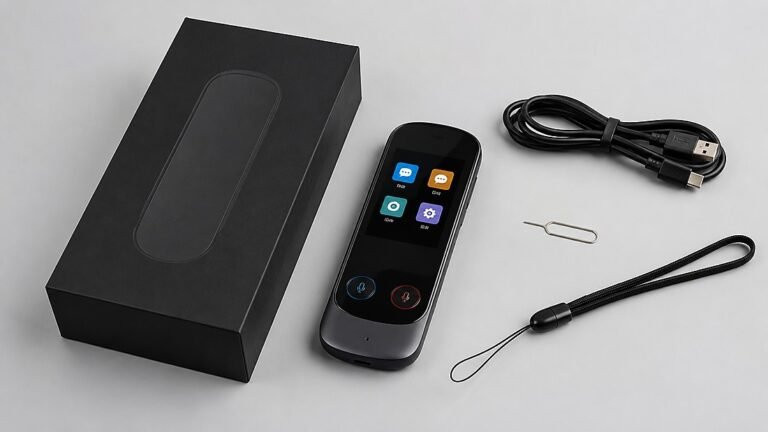
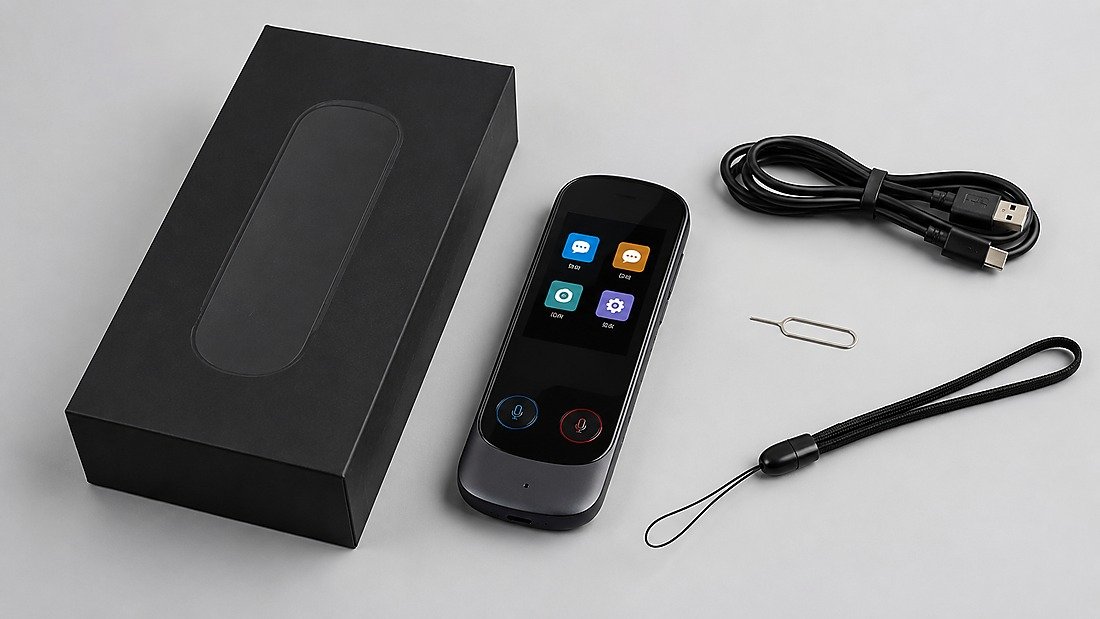
AI translators are handheld or wearable devices that convert spoken language in near real time using on-device and cloud-based speech models. For retail chains, the device is not just a consumer gadget—it is an operational tool used at service counters, information desks, tourist-facing kiosks, and logistics touchpoints. In Southeast Asia, where cross-border tourism, multilingual staff, and regional trade are everyday realities, translation devices can reduce miscommunication, speed up service, and standardize customer experience across stores.
However, retail chains buy differently from individual consumers. A chain needs a supplier that can deliver at scale, maintain consistency between pilot and mass production, support private label branding, and provide service coverage across multiple countries. That is why a structured supplier selection framework matters more than a single spec sheet.
This guide focuses on seven checks. Each check includes what to verify, why it matters in Southeast Asia, and how to test it before scale. Buyers comparing device categories may also find it useful to review other partner product lines such as AI Smart Glasses for field service and guided retail tours, or AI Voice Mouse for back-office productivity.
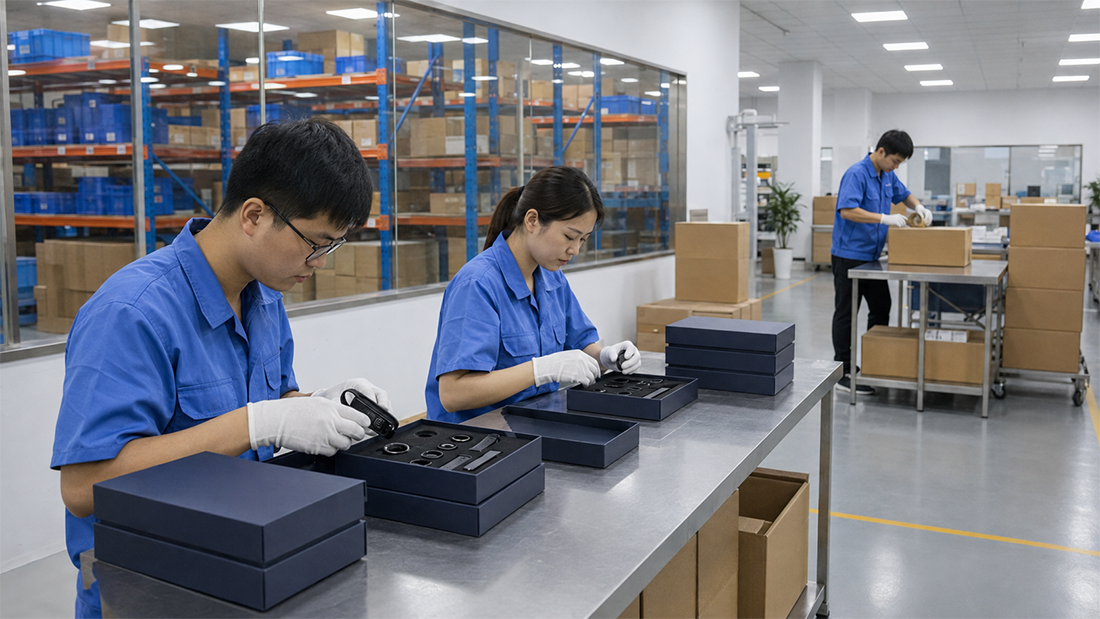
Key Facts for Buyers
| Item | Practical range observed in sourcing | Why it matters for SEA retail |
|---|---|---|
| Supported languages | 20–140+ languages depending on model and firmware | Tourist-heavy markets require broad coverage; accuracy varies by language pair |
| Offline translation | Limited set of language packs; quality below cloud mode | Connectivity inside malls and on transit routes is uneven |
| Battery life | Typically 4–12 hours active use; varies by screen and radio | Shift-length coverage affects usability at service counters |
| MOQ | Varies by model, customization, and packaging; [STAR KING TO CONFIRM] | Chains usually want a pilot before mass order |
| Certifications | May include CE, FCC, RoHS, UN38.3, MSDS depending on configuration and market | Customs and retail compliance checks vary by country |
| OEM/ODM options | Logo, packaging, app skin, firmware UI language, accessory bundle | Private label supports chain brand consistency |
| Lead time | Sample 7–15 days; mass production typically 25–45 days after PO and deposit | Retail seasons and campaign windows are fixed |
| Warranty | 12 months typical; spare parts availability varies | Multi-store chains need predictable RMA handling |
Note: The figures above are planning ranges, not guarantees. Buyers should confirm the current specification and terms with the selected supplier.
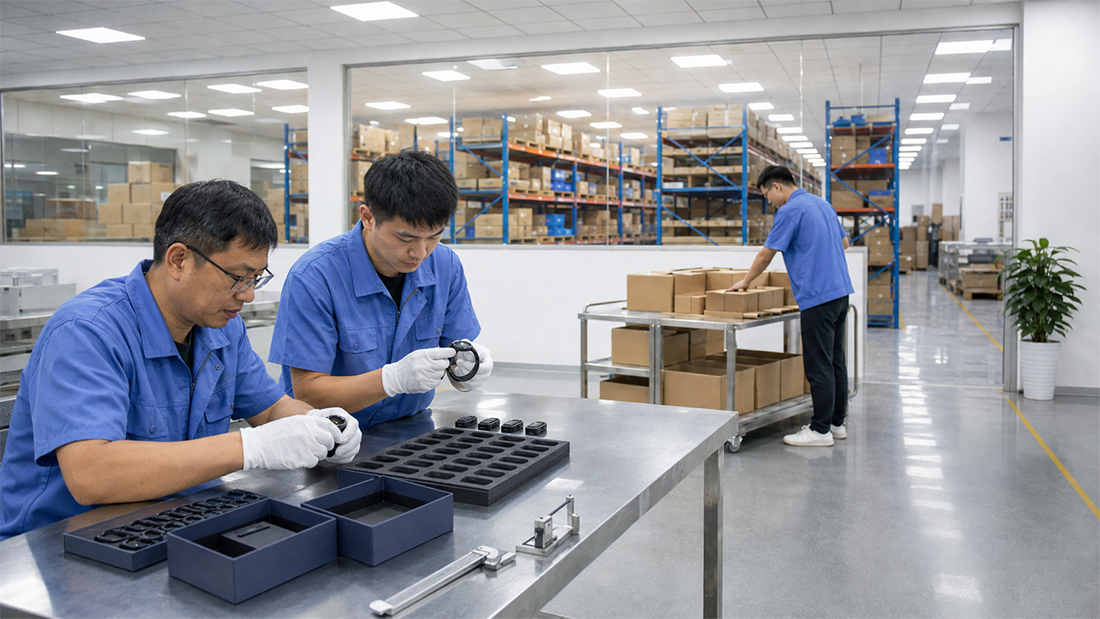
The 7 Supplier Checks for AI Translators for Southeast Asia Retail Chains
1. Language Coverage and Accuracy for SEA Markets
Check whether the device supports the specific language pairs your stores actually encounter. In Southeast Asia, that typically means Thai, Vietnamese, Bahasa Indonesia, Malay, Filipino/Tagalog, Mandarin Chinese, and English, plus common tourist languages such as Japanese and Korean. Ask the supplier to share language pack lists, version numbers, and update cadence. Confirm whether translation quality differs between cloud mode and offline mode, and whether accuracy varies by accent or dialect.
Verification method: request a demo unit or a recorded test using real store phrases—return policy explanations, warranty questions, product directions, and complaint handling. Avoid relying only on lab demos.
2. Offline Performance and Connectivity Handling
Mall interiors, basements, and transit hubs often have weak Wi-Fi or congested mobile data. Ask how the device handles connectivity loss: does it fall back to offline translation, queue requests, or display a clear error to the user? Also ask whether the device supports local SIM, Wi-Fi, or Bluetooth tethering.
Verification method: test in a low-signal environment and time the switch between online and offline modes. Confirm whether offline language packs can be updated or expanded.
3. OEM/ODM Scope and Customization Depth
Retail chains often want devices that carry their brand, fit their store design, and integrate with their own app or service workflow. Clarify the depth of customization offered: logo printing, housing color, packaging design, firmware UI language, boot animation, app skin, accessory bundle, and user manual localization.
For more on private label models, see Private Label OEM/ODM. If you need to match the device to a broader store experience, review Smart Retail & E-commerce solutions.
4. MOQ, Tooling Terms, and Cost Structure
MOQ usually varies by model, customization level, and packaging. Ask for a written breakdown: unit price at pilot quantity, unit price at mass quantity, tooling or mold fees, sample fees, packaging costs, and whether tooling is refundable or amortized. Clarify who owns the mold and whether it can be transferred if you change suppliers. Current MOQ for specific models is [STAR KING TO CONFIRM].
Cost drivers to compare: display type, processor, microphone array, battery capacity, number of supported languages, offline capability, and app development.
5. Certification Readiness for Target Markets
Certification requirements vary by country and product configuration. In Southeast Asia, retail chains may face import and compliance checks that reference international standards. Ask the supplier to list which certifications the specific SKU holds, and provide certificates for review. Do not assume a generic claim applies to your configuration.
Typical documents buyers may request include CE, FCC, RoHS, UN38.3, and MSDS for lithium battery transport. For reference, see the FCC RF exposure guidance and the IATA lithium battery guidance. Buyers should verify current local requirements with their importer or compliance advisor. Based on publicly available regulatory trends, this is an area that continues to evolve, so confirm the latest applicable rules before shipping.
6. Quality Control and Pre-Shipment Inspection
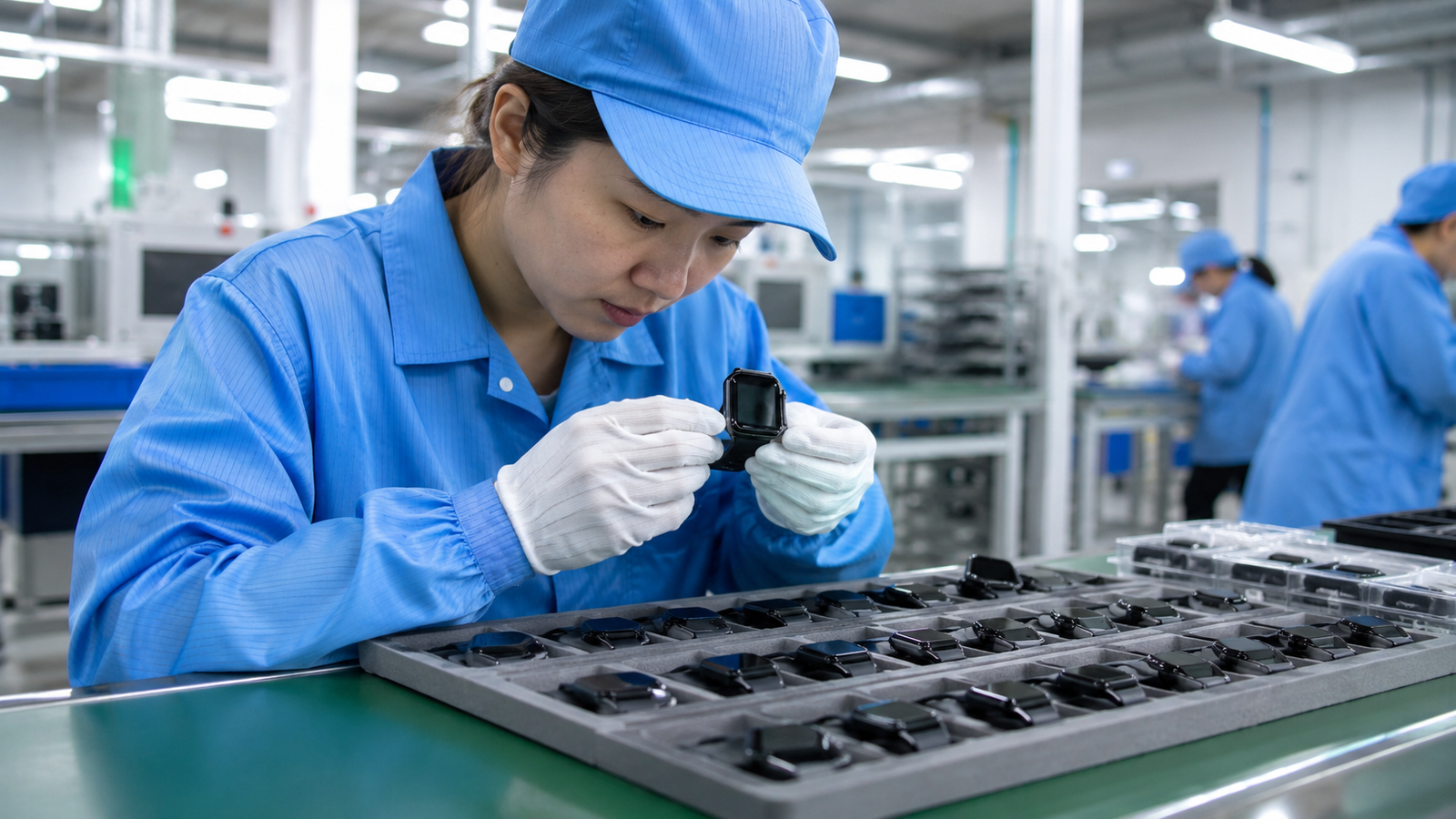
Ask for the QC process: incoming material checks, in-line testing, aging tests, and final inspection. Confirm whether pre-shipment inspection is allowed, and whether third-party inspection is accepted. Request sample inspection reports for the model you plan to buy.
For translation devices, key QC points include microphone sensitivity, speaker clarity, screen readability, button durability, charging port reliability, and firmware stability across language switches.
7. After-Sales Support, Warranty, and Spare Parts
Multi-store chains need predictable RMA handling. Ask for warranty terms, repair turnaround, spare parts availability, and whether the supplier provides remote firmware updates. Clarify who handles support in each country and whether the supplier offers replacement units during peak seasons.
If you are planning a pilot, STAR KING can discuss sample requirements and customization options based on your rollout plan. This is a natural point to align device features with your store workflow before scaling.
Comparison Table: Three Sourcing Paths for Translation Devices
| Path | Best for | Customization | Cost profile | Risk profile |
|---|---|---|---|---|
| Off-the-shelf branded device | Fast pilots, small store counts | Minimal—logo sticker or sleeve | Lowest upfront cost | Low, but limited differentiation |
| OEM (logo, packaging, app skin) | Regional chains with 50+ stores | Moderate—branding and packaging | Medium; MOQ applies | Medium; depends on supplier QA |
| ODM (firmware UI, language packs, hardware tweaks) | National chains with multi-year plans | High—product tailored to workflow | Higher upfront; better unit economics at scale | Higher; requires milestone management |
Buyers should choose the path that matches their rollout certainty. A pilot often starts with off-the-shelf or OEM, then upgrades to ODM once store adoption and use cases are proven.
Common Mistakes and Buyer Red Flags
- Accepting a generic certification claim. Certificates must match the exact model and configuration. Ask for the document listing the SKU.
- Assuming language coverage equals language accuracy. A list of 100+ languages does not guarantee quality for Thai, Vietnamese, or Bahasa Indonesia in noisy environments.
- Ignoring offline behavior. Stores in basements or transit hubs may lose connectivity; confirm fallback behavior.
- Not clarifying tooling ownership. If you pay for molds, confirm in writing whether the tooling transfers to you.
- Skipping the pilot. A pilot in one region reveals real-world issues—battery, mic pickup, firmware bugs—before mass order.
- Underestimating lead times in peak season. Q3/Q4 retail demand can extend production schedules; lock dates early.
- No spare parts plan. A device without spare parts support creates service gaps across countries.
Practical Buyer Checklist
- Language list and version cadence confirmed for Thai, Vietnamese, Indonesian, Malay, Filipino, Mandarin, English.
- Offline mode tested in low-signal environment.
- OEM/ODM scope documented: housing, firmware, app, packaging, logo, manual.
- MOQ, tooling fees, and tooling ownership terms in writing. [STAR KING TO CONFIRM]
- Certification documents for the exact SKU reviewed; import requirements checked per country.
- QC process and pre-shipment inspection terms agreed.
- Warranty, RMA process, spare parts, and firmware update policy confirmed.
- Lead time and delivery schedule aligned to retail campaign windows.
- Sample units tested with real store phrases before mass order.
- Pilot plan defined: region, store count, duration, success metrics.
Buyers can also review STAR KING AI Translators OEM/ODM options to compare product positioning, customization scope, and sample planning.
FAQ
How many languages should an AI translator support for Southeast Asia retail?
At minimum, cover the languages your stores encounter daily: Thai, Vietnamese, Bahasa Indonesia, Malay, Filipino, Mandarin, and English. Additional tourist languages such as Japanese and Korean help in high-traffic locations.
What MOQ should a retail chain expect for private label AI translators?
MOQ varies by model, customization, and packaging. Some suppliers offer lower MOQ for logo and packaging-only changes, higher for firmware or hardware changes. Confirm the current MOQ for your target model. [STAR KING TO CONFIRM]
Do AI translators need UN38.3 and MSDS for shipping?
Devices with lithium batteries typically require UN38.3 test summaries and MSDS for transport. Requirements may vary by carrier and destination; buyers should verify with their logistics provider.
Can AI translators work without internet in shopping malls?
Many models support limited offline translation packs. Quality and coverage are usually lower than cloud mode. Test offline performance in your specific store environment before rollout.
How long does mass production take after a pilot?
Typical mass production runs 25–45 days after PO and deposit, depending on model and customization. Peak retail seasons may extend timelines; plan early.
What certifications should I request for Southeast Asia markets?
Request certificates applicable to your destination countries and the exact SKU. CE, FCC, RoHS, UN38.3, and MSDS are commonly requested for electronics and batteries. Local requirements vary; confirm with a compliance advisor.
Can the supplier provide firmware updates after purchase?
Ask whether firmware updates are available, how they are delivered, and whether language packs can be updated. This affects long-term usability and support cost.
Conclusion: Build a Supplier Scorecard Before You Commit
Selecting AI translators for Southeast Asia retail chains is a procurement process, not a product purchase. The seven checks in this guide—language coverage, offline performance, OEM/ODM scope, MOQ and tooling, certification readiness, quality control, and after-sales support—give you a repeatable scorecard. Use it to compare suppliers, run a pilot, and scale with confidence.
For buyers at the supplier selection stage, the next step is to request a sample and review customization options against your rollout plan. STAR KING supports OEM/ODM and private label discussions for AI hardware programs.
STAR KING CTA
Ready to evaluate AI translators for your Southeast Asia retail chain? Request a quotation or discuss an OEM/ODM project with STAR KING. Share your target markets, store count, and required languages, and we can outline sample and customization paths. You may also review the full STAR KING blog for related sourcing guides.
Discuss Your Smart Wearable OEM/ODM Project
Planning a smart ring, smart watch, smart band, AI glasses, AI translator, or AI voice mouse project? Contact STAR KING to discuss product positioning, sample testing, customization scope, certification requirements, lead time, and quotation details.

Team Star King

Scan WhatsApp QR code