
smart watches for healthcare solutions: 7 Critical Steps to Source Smart Watches for US Healthcare Solutions in 2026
October 28, 2026 · Team Star King

7 Critical Steps to Source Smart Watches for Healthcare Solutions in 2026
If you are a US healthcare solution provider looking to integrate smart watches into your offerings, sourcing the right device is more complex than buying consumer electronics. Smart watches for healthcare solutions must meet specific regulatory, privacy, and durability standards that vary by use case, from remote patient monitoring to senior safety. This guide outlines seven critical steps to evaluate suppliers, ensure compliance, and build a reliable supply chain. You will learn how to verify certifications, test battery safety, plan for data integration, and avoid common procurement pitfalls. By following these steps, you can select a manufacturing partner that delivers devices fit for clinical and home health environments.
Table of Contents
Table of Contents
smart watches for healthcare solutions: Table of Contents
- Short Answer: What Makes a Smart Watch Suitable for Healthcare?
- Key Takeaways
- Key Facts for Buyers
- Step 1: Define the Clinical Use Case and Required Features
- Step 2: Verify Compliance and Certifications
- Step 3: Assess Data Privacy and Security
- Step 4: Evaluate Battery Safety and Reliability
- Step 5: Understand OEM/ODM Options and Customization
- Step 6: Plan for Logistics and Total Cost
- Step 7: Vet the Supplier Beyond the Brochure
- Comparison Table: Sourcing Considerations for Different Healthcare Segments
- Common Mistakes and Buyer Red Flags
- Practical Buyer Checklist
- FAQ
- Conclusion
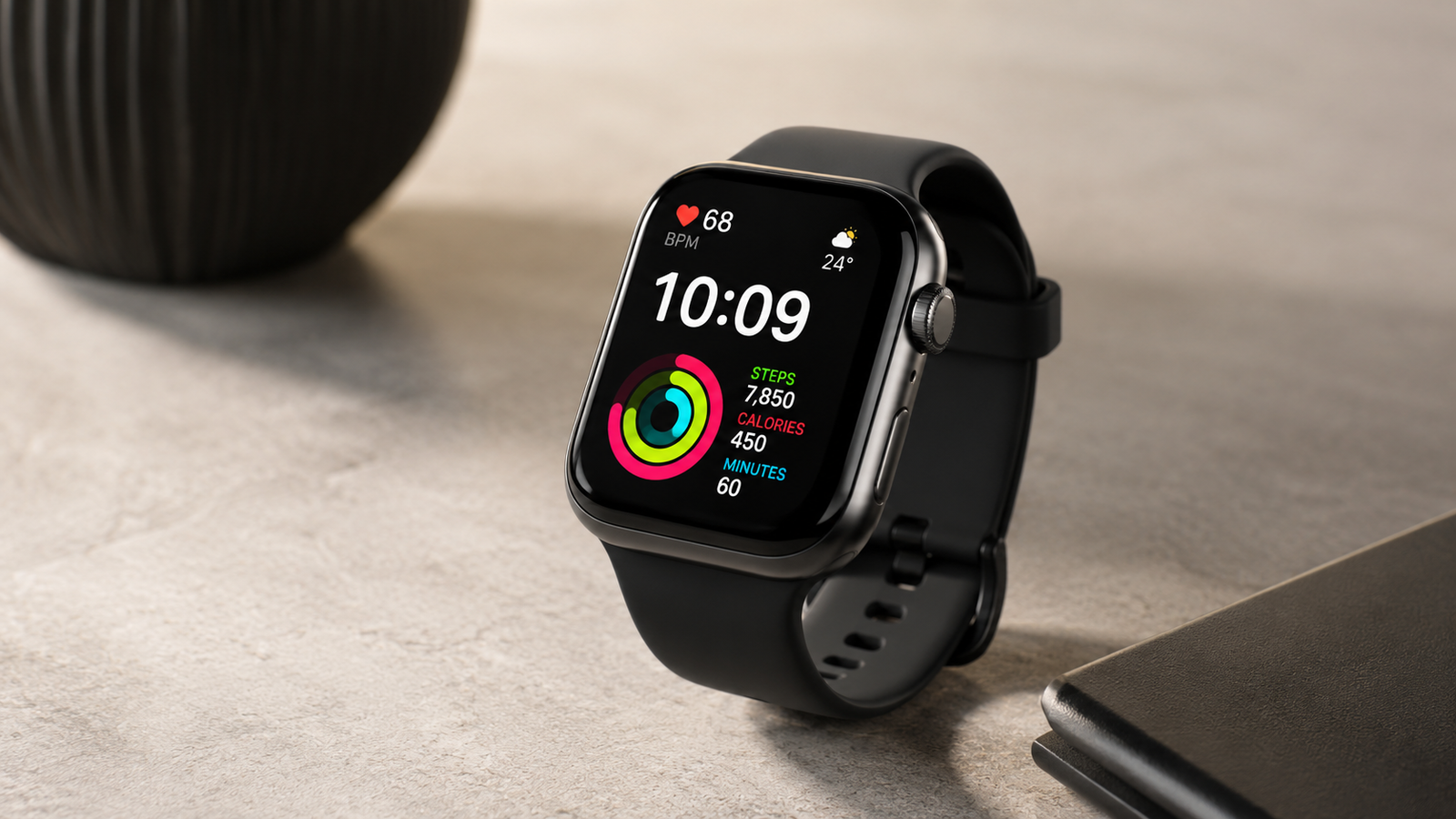
Short Answer: What Makes a Smart Watch Suitable for Healthcare?
A smart watch suitable for healthcare solutions must combine accurate sensor technology, robust data security, and regulatory compliance appropriate for its intended use. It should be sourced from a manufacturer that provides verifiable certifications (e.g., FCC, CE, RoHS), follows strict battery safety standards (UN38.3), and offers customization for software integration and branding. The right device balances clinical needs with durability and cost-efficiency for large-scale deployment.

Key Takeaways
- Smart watches for healthcare solutions require a clear definition of whether they are general wellness devices or medical devices, as this determines regulatory pathways.
- US buyers must verify FCC certification for wireless devices and ensure compliance with HIPAA if protected health information is involved.
- Battery safety, including UN38.3 testing, is non-negotiable for wearable devices, especially for senior health monitoring.
- Evaluate OEM/ODM partners for their ability to customize firmware, apps, and packaging to align with your brand and clinical workflow.
- Consider total landed cost, including duties and logistics, and plan for after-sales support and warranty terms.
- Thorough supplier vetting, including factory audits and sample testing, reduces risks and ensures long-term reliability.

Key Facts for Buyers
| Consideration | Details for Healthcare Smart Watches |
|---|---|
| Regulatory Classification | FDA may regulate depending on claims (general wellness vs. medical device). Verify with supplier. |
| Wireless Certification | FCC certification required for US market (Part 15). |
| Data Privacy | HIPAA compliance if handling PHI; supplier should support encryption and secure data transfer. |
| Battery Safety | UN38.3 for transport; UL 2054 or IEC 62133 for safety. |
| Materials | Biocompatible materials for skin contact, especially for continuous wear. |
| Customization | OEM/ODM options for software, sensors, and branding. |
| MOQ | Typically 500-1000 units for OEM; varies by supplier. |

Step 1: Define the Clinical Use Case and Required Features
Before contacting suppliers, clarify the clinical problem your smart watch will address. Are you monitoring vital signs for chronic disease management, enabling remote patient monitoring, or ensuring senior safety? The features you need—such as heart rate monitoring, blood oxygen monitoring, fall detection, or GPS—will dictate the device specifications and regulatory pathway.
For example, a watch intended for remote health wearables might require continuous heart rate and SpO2 monitoring, while a senior health monitoring device may prioritize fall detection and long battery life. Involve clinical stakeholders to define minimum performance standards, such as sensor accuracy and data latency. This step prevents costly redesigns later and helps suppliers understand your requirements from the outset.
Step 2: Verify Compliance and Certifications
In the US, smart watches that include wireless functionality (e.g., Bluetooth, Wi-Fi) must have FCC certification. If you plan to make medical claims, FDA clearance or approval may be required. Most suppliers will have FCC and CE certifications for their standard products, but custom models may need additional testing.
Request copies of test reports and certificates. Cross-check with the issuing bodies where possible. For battery-powered devices, ensure the supplier provides UN38.3 test summaries and MSDS for shipping. Remember that certification requirements depend on your final product configuration and marketing claims; always consult a regulatory expert to confirm applicable standards.
Step 3: Assess Data Privacy and Security
Healthcare solutions often involve protected health information (PHI), which falls under HIPAA regulations. Your smart watch supplier must support secure data collection, transmission, and storage. Ask about encryption protocols, app data handling, and whether the device allows integration with your backend systems via API.
Even if your solution does not initially handle PHI, designing with privacy in mind builds trust and future-proofs your offering. Look for suppliers that provide firmware customization to align with your security policies. For more on wearable app integration, see our guide on remote health wearables.
Step 4: Evaluate Battery Safety and Reliability
Battery failures in wearables can lead to recalls and reputational damage. Ensure the supplier uses high-quality cells and assembles them in a controlled environment. Check for UN38.3 certification, which is mandatory for lithium batteries during transport, and ask about additional testing such as UL 2054 or IEC 62133.
For healthcare settings, battery life and charging cycles matter. Elderly users may struggle with frequent charging, so look for devices that offer at least several days of battery life. Also, consider the charging method—magnetic or wireless—for ease of use.
Step 5: Understand OEM/ODM Options and Customization
Most healthcare solution providers need some level of customization, whether it’s branding, software integration, or sensor selection. OEM (Original Equipment Manufacturer) means you provide the design and specifications, while ODM (Original Design Manufacturer) offers a ready base you can customize. Both models have implications for intellectual property (IP) and development timelines.
Discuss your requirements for firmware, app, and cloud integration early. A supplier experienced in healthcare applications can often provide reference designs that accelerate development. For more details on customization, visit our private label OEM/ODM solutions page.
Step 6: Plan for Logistics and Total Cost
Importing smart watches into the US involves duties, taxes, and logistics costs that affect your total landed cost. Lithium batteries require special shipping arrangements, so work with suppliers that have experience in international logistics and can provide the necessary documentation (e.g., UN38.3 test summary, MSDS).
Calculate the total cost of ownership, including warranty and after-sales support. A lower unit price may be offset by poor reliability or expensive replacements. Request a landed cost breakdown from your supplier to compare offers accurately.
Step 7: Vet the Supplier Beyond the Brochure
Don’t rely solely on marketing materials. Request a factory audit report or conduct a video tour. Ask for references from healthcare clients (if available) and check the supplier’s track record with similar projects. Evaluate their quality management system (e.g., ISO 9001) and their approach to continuous improvement.
Order samples and test them in your intended environment. For smart watches for healthcare solutions, sample testing should include sensor accuracy, battery performance, durability, and software functionality. Consider third-party testing for critical attributes.
Comparison Table: Sourcing Considerations for Different Healthcare Segments
| Segment | Key Features | Compliance Focus | Typical Customization |
|---|---|---|---|
| Remote Patient Monitoring | Continuous HR, SpO2, data sync | HIPAA, FCC, FDA (if medical claims) | App integration, secure cloud |
| Senior Health Monitoring | Fall detection, GPS, long battery | FCC, UN38.3, durability | Simplified UI, emergency alerts |
| Corporate Wellness | Activity tracking, heart rate | FCC, general wellness (no medical claims) | Branded app, packaging |
| Clinical Trials | High accuracy sensors, data export | FDA, HIPAA, IEC 62304 (software) | Custom firmware, validated data |
Common Mistakes and Buyer Red Flags
- Ignoring regulatory classification: Assuming a device is general wellness when it makes medical claims can lead to FDA enforcement.
- Overlooking data security: Failing to address HIPAA can result in breaches and penalties.
- Choosing on price alone: Low-cost devices may lack certifications or use inferior components, increasing liability.
- Not testing samples thoroughly: Relying on spec sheets without real-world testing can lead to failures in the field.
- Red flags: Suppliers who cannot provide certificates, refuse audits, or have no healthcare experience.
Practical Buyer Checklist
- Define intended use and regulatory classification (FDA).
- Confirm FCC certification and other required wireless approvals.
- Verify data security measures (encryption, HIPAA readiness).
- Check battery safety certifications (UN38.3, IEC 62133).
- Assess supplier’s OEM/ODM capabilities and healthcare experience.
- Calculate total landed cost including duties and logistics.
- Conduct sample testing for accuracy, durability, and usability.
- Request factory audit report and quality management certifications.
Buyers can also review STAR KING Smart Watches OEM/ODM options to compare product positioning, customization scope, and sample planning.
FAQ
What certifications are required for smart watches in healthcare?
At minimum, FCC certification for wireless devices and UN38.3 for battery transport. If making medical claims, FDA clearance may be needed. Check with a regulatory consultant.
How do I ensure data privacy with a third-party smart watch?
Choose a supplier that supports encryption and allows you to control data storage. Review their data handling policies and consider a business associate agreement (BAA) if HIPAA applies.
What is the typical MOQ for custom healthcare smart watches?
MOQs vary by supplier and customization level, often starting at 500-1000 units. Discuss your volume needs early.
Can I customize the smart watch to integrate with my existing platform?
Yes, many ODM suppliers offer firmware and API customization. Provide clear technical requirements to scope the work.
How long does it take to source and deliver smart watches?
Lead times depend on customization and order size, typically 8-12 weeks from sample approval to delivery. Plan for additional time for certifications and shipping.
What should I look for in a supplier for healthcare wearables?
Look for experience with healthcare clients, relevant certifications, transparent communication, and a willingness to undergo audits.
Conclusion
Sourcing smart watches for healthcare solutions demands a structured approach that balances clinical requirements, regulatory compliance, and supply chain reliability. By following the seven steps outlined in this guide, you can mitigate risks and select a manufacturing partner that supports your long-term success. Start by defining your use case and compliance needs, then thoroughly vet suppliers and test samples. With careful planning, smart watches can become a valuable tool in your healthcare offerings.
STAR KING specializes in OEM/ODM smart watches for healthcare solution providers. Request product samples to evaluate our capabilities and discuss your specific requirements.
Useful Official References for Buyers
- FCC equipment authorization guidance
- European Commission CE marking information
- Bluetooth SIG specifications
Discuss Your Smart Wearable OEM/ODM Project
Planning a smart ring, smart watch, smart band, AI glasses, AI translator, or AI voice mouse project? Contact STAR KING to discuss product positioning, sample testing, customization scope, certification requirements, lead time, and quotation details.

Team Star King

Scan WhatsApp QR code
Leave a Reply