
smart watch sourcing: 7-Step Smart Watch Sourcing Strategy for U.S. E-commerce Sellers in 2026
October 27, 2026 · Team Star King

7-Step Smart Watch Sourcing Strategy for U.S. E-commerce Sellers in 2026
Smart watch sourcing is the process of identifying, vetting, and contracting a manufacturer to produce smart watches that meet your brand specifications, compliance requirements, and target landed cost. For U.S. e-commerce sellers in 2026, a disciplined sourcing strategy reduces risk, protects margins, and speeds time-to-market. This guide provides a 7-step framework covering supplier vetting, MOQ negotiation, compliance, and logistics.
Table of Contents
Table of Contents
Short Answer
To source smart watches effectively as a U.S. e-commerce seller, follow a structured 7-step process: define product specs, screen suppliers, validate samples, negotiate MOQ and pricing, confirm certifications, plan logistics, and lock in after-sales support. Prioritize suppliers with transparent communication, verified compliance, and private-label experience.
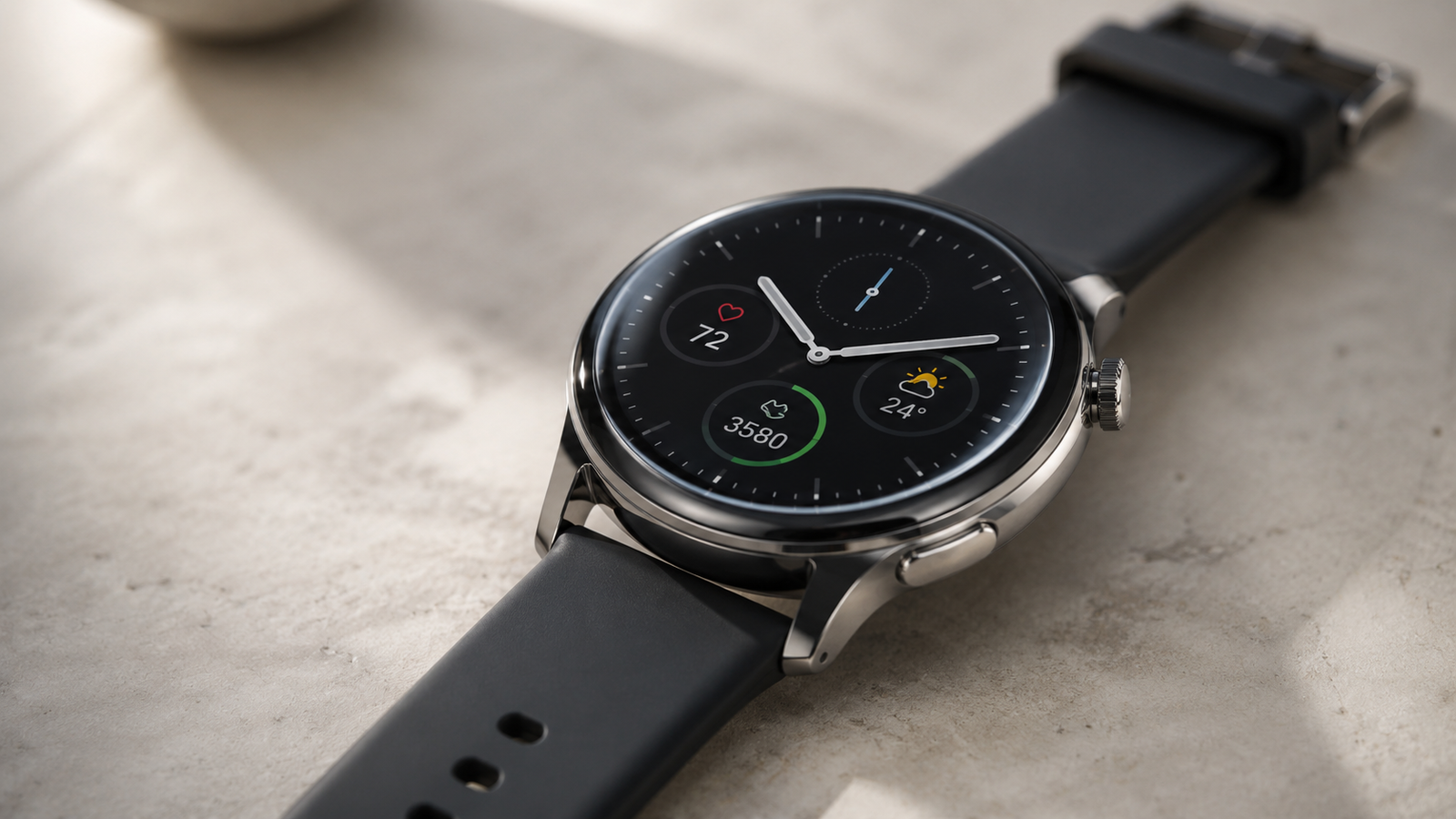
Table of Contents
- Key Takeaways
- Key Facts for Buyers
- Step 1: Define Your Product Requirements and Target Market
- Step 2: Screen and Vet Smart Watch Suppliers
- Step 3: Evaluate Samples and Prototypes
- Step 4: Negotiate MOQ, Pricing, and Payment Terms
- Step 5: Confirm Certifications and Compliance for the U.S. Market
- Step 6: Plan Logistics, Shipping, and Landed Cost
- Step 7: Secure After-Sales Support and Warranty
- Comparison Table: OEM vs. ODM vs. Private Label
- Common Mistakes and Buyer Red Flags
- Practical Buyer Checklist
- FAQ
- Conclusion

Key Takeaways
- A structured 7-step smart watch sourcing process reduces risk and improves margins for U.S. e-commerce sellers.
- Supplier vetting should include factory audits, sample testing, and reference checks.
- MOQ and pricing are negotiable but depend on customization level and order volume.
- U.S. market entry requires FCC, CE (if applicable), RoHS, and UN38.3 compliance for battery-powered devices.
- Landed cost calculations must include freight, duties, and compliance testing fees.
- Clear after-sales terms and spare parts availability protect your brand reputation.

Key Facts for Buyers
| Factor | Typical Range / Requirement | Notes |
|---|---|---|
| MOQ for private label smart watches | 500–2,000 units | Depends on customization and supplier capacity |
| Sample lead time | 7–15 days | After spec confirmation and sample fee payment |
| Production lead time | 25–45 days | After deposit and sample approval |
| U.S. certifications | FCC, UN38.3, RoHS (if applicable) | Verify with supplier for each model |
| Landed cost estimate | FOB + freight + duties + fees | Use a landed cost calculator |
| Warranty period | 12 months (typical) | Negotiate spare parts and repair terms |
Step 1: Define Your Product Requirements and Target Market
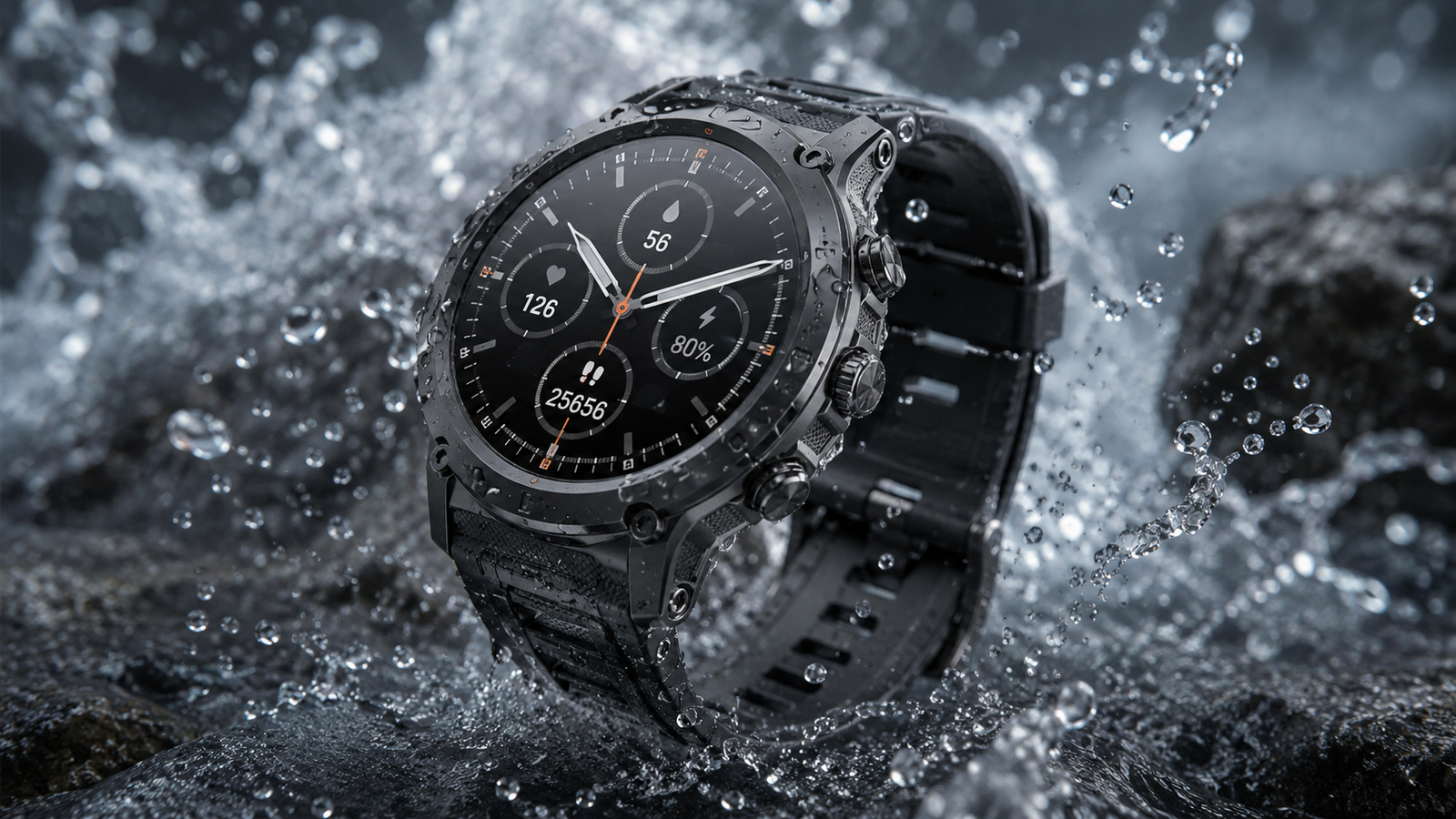
Before contacting suppliers, clarify your product specifications: screen size, battery life, health sensors (heart rate, SpO2), GPS, water resistance, app compatibility, and design style. For U.S. e-commerce, consider FCC requirements and consumer expectations for iOS and Android compatibility. A clear spec sheet reduces back-and-forth and helps suppliers quote accurately.
Step 2: Screen and Vet Smart Watch Suppliers
Use platforms like Alibaba, Global Sources, or industry trade shows to build a shortlist. Then vet each supplier: request business license, factory audit reports, and client references. Ask about their experience with U.S. brands and private label projects. A reputable supplier will provide transparent information and may offer a video factory tour.
Step 3: Evaluate Samples and Prototypes
Order samples from 2–3 suppliers. Test functionality, build quality, battery performance, and app integration. Check for screen responsiveness, sensor accuracy (within consumer-grade expectations), and comfort. Document any issues and request improvements before committing to bulk production.
Step 4: Negotiate MOQ, Pricing, and Payment Terms
MOQ varies by supplier and customization. For private label, expect 500–2,000 units. Pricing depends on components, order volume, and customization (logo, packaging, firmware). Negotiate payment terms: typically 30% deposit, 70% before shipment. Request a detailed quotation with FOB pricing and lead times.
Step 5: Confirm Certifications and Compliance for the U.S. Market
U.S. market requires FCC certification for wireless devices. Battery-powered products need UN38.3 for shipping. RoHS compliance is often requested by retailers. Ask for test reports and certificates; verify their authenticity with the issuing lab. Note that certification requirements may vary by product configuration and target market.
Step 6: Plan Logistics, Shipping, and Landed Cost
Calculate landed cost: FOB price + freight (air/sea) + import duties + customs clearance + compliance testing fees. Use a freight forwarder experienced with electronics. Consider shipping batteries separately if required. Factor in potential tariffs and seasonal delays.
Step 7: Secure After-Sales Support and Warranty
Clarify warranty terms (typically 12 months), spare parts availability, and repair procedures. A supplier with responsive after-sales support protects your brand and reduces returns. Request a written agreement covering defects, returns, and technical support.
Comparison Table: OEM vs. ODM vs. Private Label
| Model | Customization Level | MOQ | Development Time | Best For |
|---|---|---|---|---|
| OEM | High (full custom design) | Typically 1,000+ | 6–12 months | Brands with unique designs |
| ODM | Medium (modify existing design) | 500–1,000 | 2–4 months | Brands seeking speed and moderate customization |
| Private Label | Low (logo and packaging) | 500–1,000 | 1–2 months | Startups testing the market |
Common Mistakes and Buyer Red Flags
- Choosing a supplier based solely on lowest price without verifying quality.
- Ignoring certification requirements and facing customs issues.
- Not testing samples thoroughly before bulk order.
- Failing to specify packaging and logo details in writing.
- Overlooking after-sales support and spare parts availability.
- Red flags: unwillingness to provide factory audit, vague certification claims, poor communication.
Practical Buyer Checklist
- Define product specs and target price.
- Screen at least 3–5 suppliers.
- Request and test samples.
- Verify certifications (FCC, UN38.3, RoHS).
- Negotiate MOQ, price, and payment terms.
- Calculate landed cost.
- Confirm after-sales terms and warranty.
- Place a trial order before scaling.
Buyers can also review STAR KING Smart Watches OEM/ODM options to compare product positioning, customization scope, and sample planning.
FAQ
What is the typical MOQ for private label smart watches?
Typically 500–2,000 units, depending on supplier and customization level. Some suppliers offer lower MOQs for ready-to-brand models.
How long does smart watch sourcing take?
From initial contact to delivery, the process can take 2–4 months for private label, and longer for OEM (6–12 months).
What certifications are needed for U.S. e-commerce?
FCC certification is required for wireless devices. UN38.3 is needed for battery shipping. RoHS may be requested by retailers. Verify with your supplier.
How can I calculate landed cost?
Landed cost = FOB price + freight + import duties + customs fees + compliance testing. Use a freight forwarder for accurate quotes.
Can I customize the smart watch app and firmware?
Yes, many suppliers offer app and firmware customization for OEM/ODM projects. Discuss requirements and costs upfront.
What are common red flags when sourcing smart watches?
Unwillingness to share factory audit, vague certification claims, poor communication, and pressure to pay full amount upfront.
Conclusion
A structured 7-step smart watch sourcing strategy helps U.S. e-commerce sellers minimize risk, ensure compliance, and maximize margins. By vetting suppliers, validating samples, and planning logistics carefully, you can build a reliable supply chain for your brand. For personalized guidance, contact STAR KING to discuss your smart watch sourcing requirements.
Ready to Start Your Smart Watch Sourcing Project?
Request a quotation or discuss your OEM/ODM requirements with our team. We can provide product samples, customization options, and certification details to support your market entry.
Useful Official References for Buyers
- FCC equipment authorization guidance
- European Commission CE marking information
- Bluetooth SIG specifications
Discuss Your Smart Wearable OEM/ODM Project
Planning a smart ring, smart watch, smart band, AI glasses, AI translator, or AI voice mouse project? Contact STAR KING to discuss product positioning, sample testing, customization scope, certification requirements, lead time, and quotation details.

Team Star King

Scan WhatsApp QR code
Leave a Reply