
Smart Rings for Healthcare Providers: 7 Critical Checks to Choose the Right OEM Partner
October 30, 2026 · Team Star King
Smart Rings for Healthcare Providers: 7 Critical Checks to Choose the Right OEM Partner
Choosing an OEM partner for smart rings is a critical decision for healthcare solution providers. The right manufacturer delivers reliable devices, supports regulatory compliance, and integrates smoothly with your care platforms. The wrong partner can cause delays, compliance failures, and reputational damage.
Table of Contents
Table of Contents
This guide outlines seven essential checks to evaluate smart ring OEM partners, focusing on manufacturing, quality, certifications, and app integration. Use these criteria to shortlist suppliers and reduce procurement risk.
smart rings for healthcare providers: Short Answer
Healthcare providers should evaluate smart ring OEM partners on seven factors: manufacturing capability, quality management, certifications for target markets, app and data integration, customization options, supply chain reliability, and after-sales support. Prioritize partners with documented processes and transparent communication to ensure devices meet clinical and operational requirements.
Key Takeaways
- Verify the OEM’s manufacturing and quality systems before discussing price.
- Ensure the smart ring meets required certifications for each target market (e.g., CE, FCC, RoHS, and possibly FDA).
- Assess app integration capabilities for seamless data flow into your healthcare platforms.
- Clarify customization options, MOQs, and lead times to align with your rollout plan.
- Request samples for thorough testing and validation before mass production.
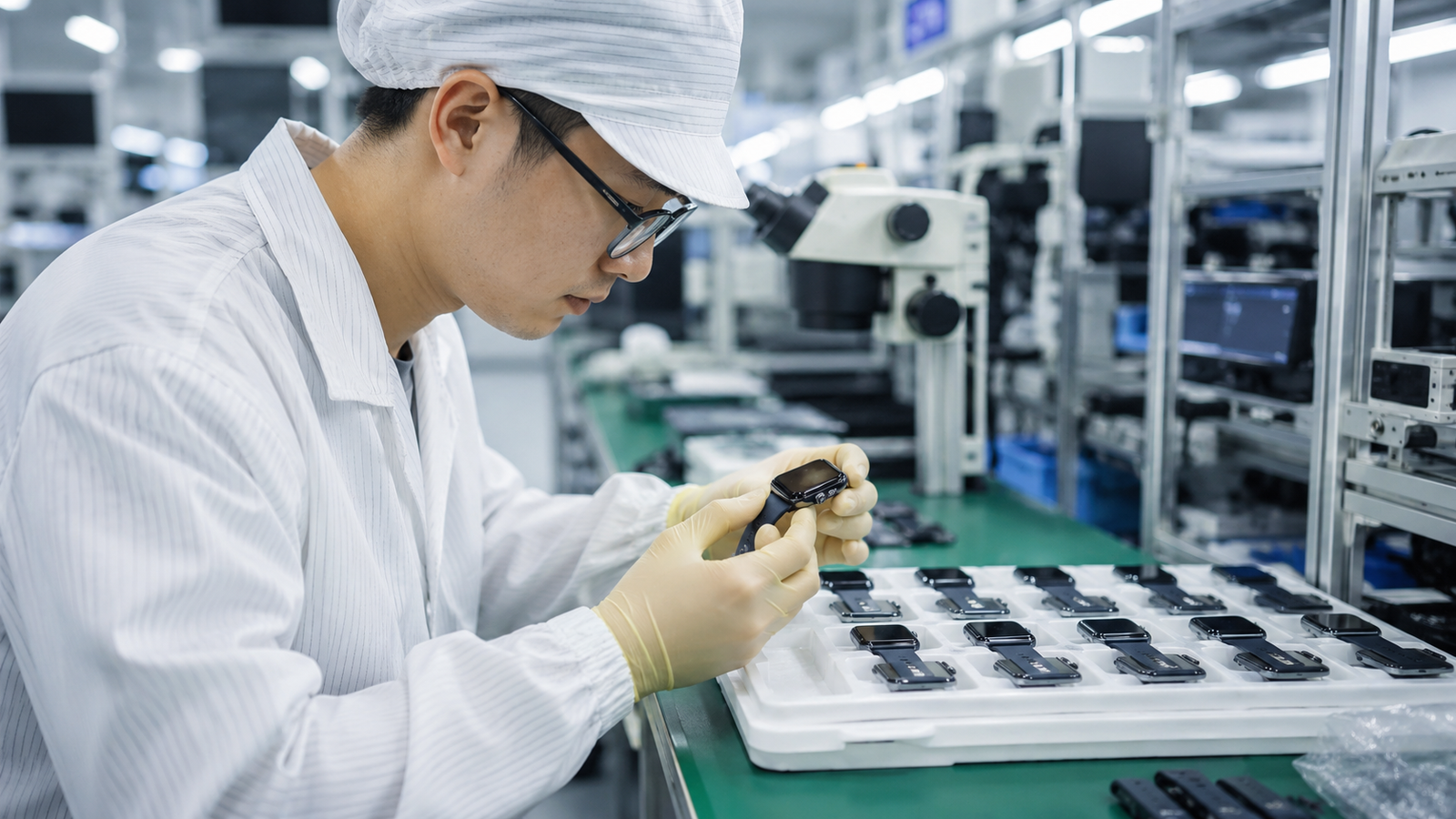
Table of Contents
- 1. Manufacturing Capability and Capacity
- 2. Quality Management System
- 3. Certifications and Compliance
- 4. App and Data Integration
- 5. Customization and Private Label Options
- 6. Supply Chain and Lead Time
- 7. After-Sales Support and Warranty
- Common Mistakes
- Buyer Checklist
- FAQ
Introduction
Smart rings are increasingly adopted in healthcare for remote monitoring, sleep tracking, and wellness programs. For healthcare solution providers, selecting the right OEM partner is critical to ensure device reliability, data accuracy, and regulatory compliance. This guide presents seven checks to evaluate smart ring OEM partners, helping you make an informed decision.

1. Manufacturing Capability and Capacity
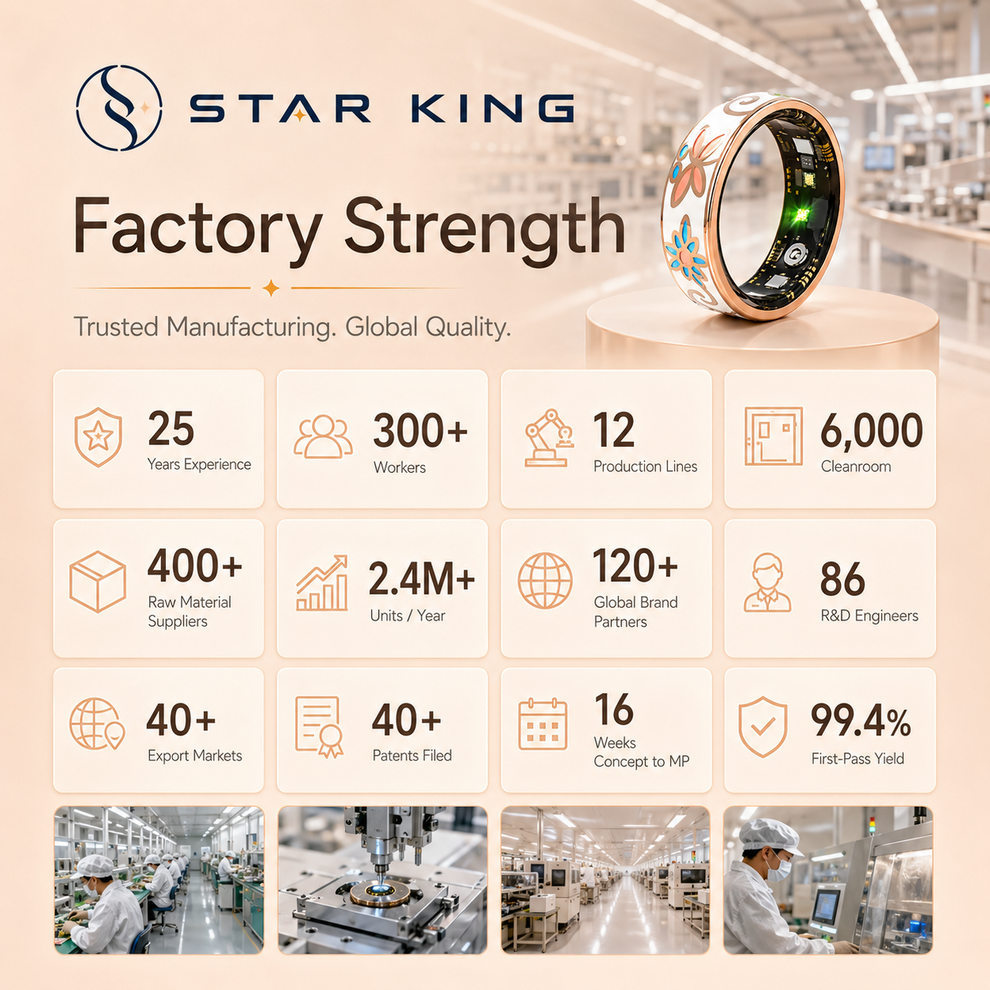
Assess the OEM’s manufacturing infrastructure, including production lines, testing equipment, and capacity. A partner with dedicated smart ring production and scalability can meet your volume requirements. Request a factory audit or virtual tour to verify capabilities.
STAR KING’s manufacturing details are available upon request [STAR KING TO CONFIRM].
2. Quality Management System
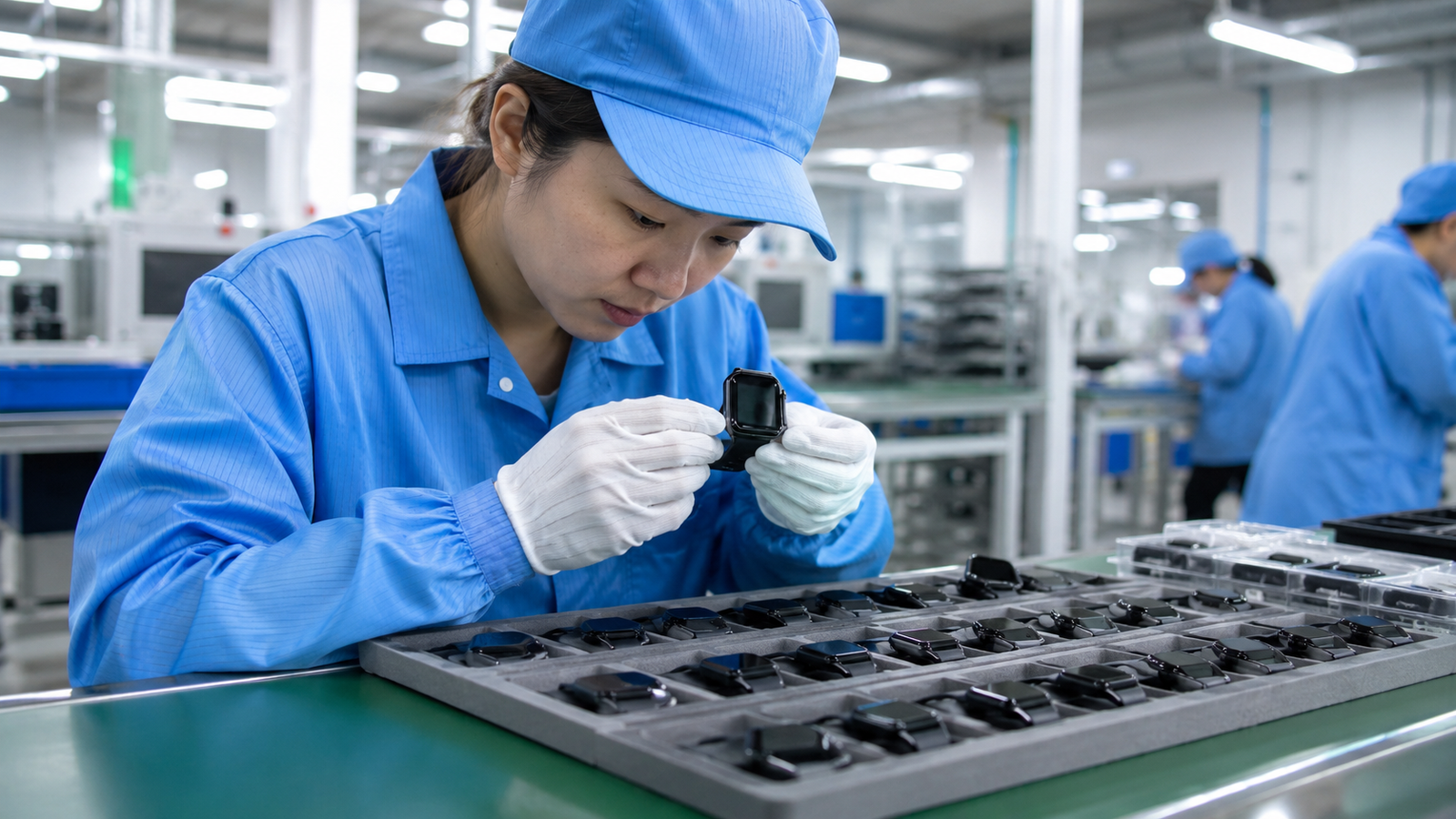
Ensure the OEM adheres to a recognized quality management system (e.g., ISO 9001). Ask about incoming material inspection, in-process controls, and final testing. A robust QMS reduces defects and ensures consistency.
Quality control processes should include functional testing, battery safety checks, and waterproof testing (if applicable).
3. Certifications and Compliance
Certifications are essential for market access. Depending on your target markets, smart rings may require CE (EU), FCC (US), RoHS (EU), and potentially FDA clearance for medical claims. The OEM should provide valid certificates and test reports. Verify that certifications cover the specific model and configuration you plan to purchase.
For medical device claims, ensure the OEM understands regulatory pathways. Consumer wellness rings are not medical devices; avoid suppliers that make unverified medical claims.
Refer to official sources: FCC, CE Marking, and FDA.
4. App and Data Integration
Healthcare providers need seamless data integration. Evaluate the OEM’s app and API capabilities. Can the smart ring sync with your platform? Is the data accurate and exportable? Discuss data privacy and security measures.
STAR KING offers app customization and API integration for healthcare solutions [STAR KING TO CONFIRM].
5. Customization and Private Label Options
Determine the level of customization: logo, packaging, firmware, and app branding. Private label options allow you to build your brand. Clarify MOQs for customized orders and associated costs.
6. Supply Chain and Lead Time
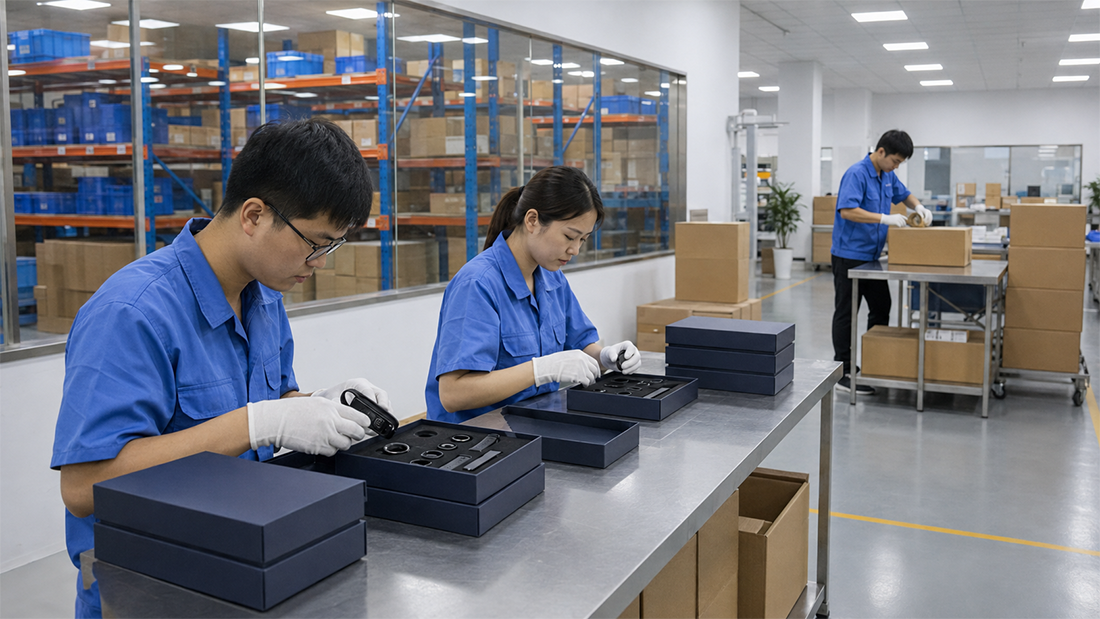
Understand the OEM’s supply chain resilience and lead times. Ask about component sourcing, production schedules, and shipping methods. For international orders, ensure compliance with lithium battery shipping regulations (UN38.3, MSDS).
7. After-Sales Support and Warranty
Reliable after-sales support is crucial for healthcare deployments. Clarify warranty terms, repair/replacement policies, and spare parts availability. A partner with responsive support reduces downtime.
Common Mistakes
- Choosing an OEM based solely on price without verifying quality and certifications.
- Overlooking app integration and data security requirements.
- Failing to request samples for real-world testing.
- Ignoring MOQ and lead time constraints.
- Not confirming certification coverage for all target markets.
Buyer Checklist
| Check | Key Questions |
|---|---|
| Manufacturing | What is your monthly capacity for smart rings? Can we schedule a factory audit? |
| Quality | What QMS do you follow? What are your defect rates? |
| Certifications | Which certifications do you hold for this model? Can you provide test reports? |
| App Integration | Do you offer API access? How is data secured? |
| Customization | What is the MOQ for custom logo and packaging? |
| Supply Chain | What are typical lead times? How do you handle lithium battery shipping? |
| After-Sales | What is the warranty period? How are repairs handled? |
Buyers can also review STAR KING Smart Rings OEM/ODM options to compare product positioning, customization scope, and sample planning.
FAQ
1. What certifications do smart rings need for healthcare use?
Certifications depend on target markets and claims. Common requirements include CE, FCC, RoHS, and possibly FDA for medical claims. Verify with the OEM and local authorities.
2. What is the typical MOQ for custom smart rings?
MOQs vary by OEM and customization level. Discuss your volume needs early; some OEMs offer lower MOQs for standard models. [STAR KING TO CONFIRM]
3. How can I ensure data security with smart rings?
Ask about encryption, data storage, and compliance with privacy regulations (e.g., GDPR, HIPAA). Review the OEM’s data handling policies.
4. Can smart rings integrate with existing healthcare platforms?
Many OEMs offer API integration. Confirm compatibility with your systems and request documentation.
5. What is the lead time for bulk orders?
Lead times typically range from 4-8 weeks after sample approval, depending on order size and customization. Confirm with the OEM. [STAR KING TO CONFIRM]
6. How do I handle shipping lithium batteries?
Smart rings contain lithium batteries. Ensure the OEM provides UN38.3 and MSDS documentation and uses compliant shipping methods.
7. What after-sales support should I expect?
Expect a warranty of at least 12 months, access to spare parts, and responsive technical support.
Conclusion
Selecting the right OEM partner for smart rings requires careful evaluation across manufacturing, quality, compliance, integration, customization, supply chain, and support. By following these seven checks, healthcare solution providers can mitigate risks and ensure successful deployments.
STAR KING CTA
Ready to evaluate smart ring OEM partners? Request product samples from STAR KING to test quality and integration capabilities. Our team can provide detailed specifications and discuss customization options for your healthcare solution.
Discuss Your Smart Wearable OEM/ODM Project
Planning a smart ring, smart watch, smart band, AI glasses, AI translator, or AI voice mouse project? Contact STAR KING to discuss product positioning, sample testing, customization scope, certification requirements, lead time, and quotation details.

Team Star King

Scan WhatsApp QR code
Leave a Reply