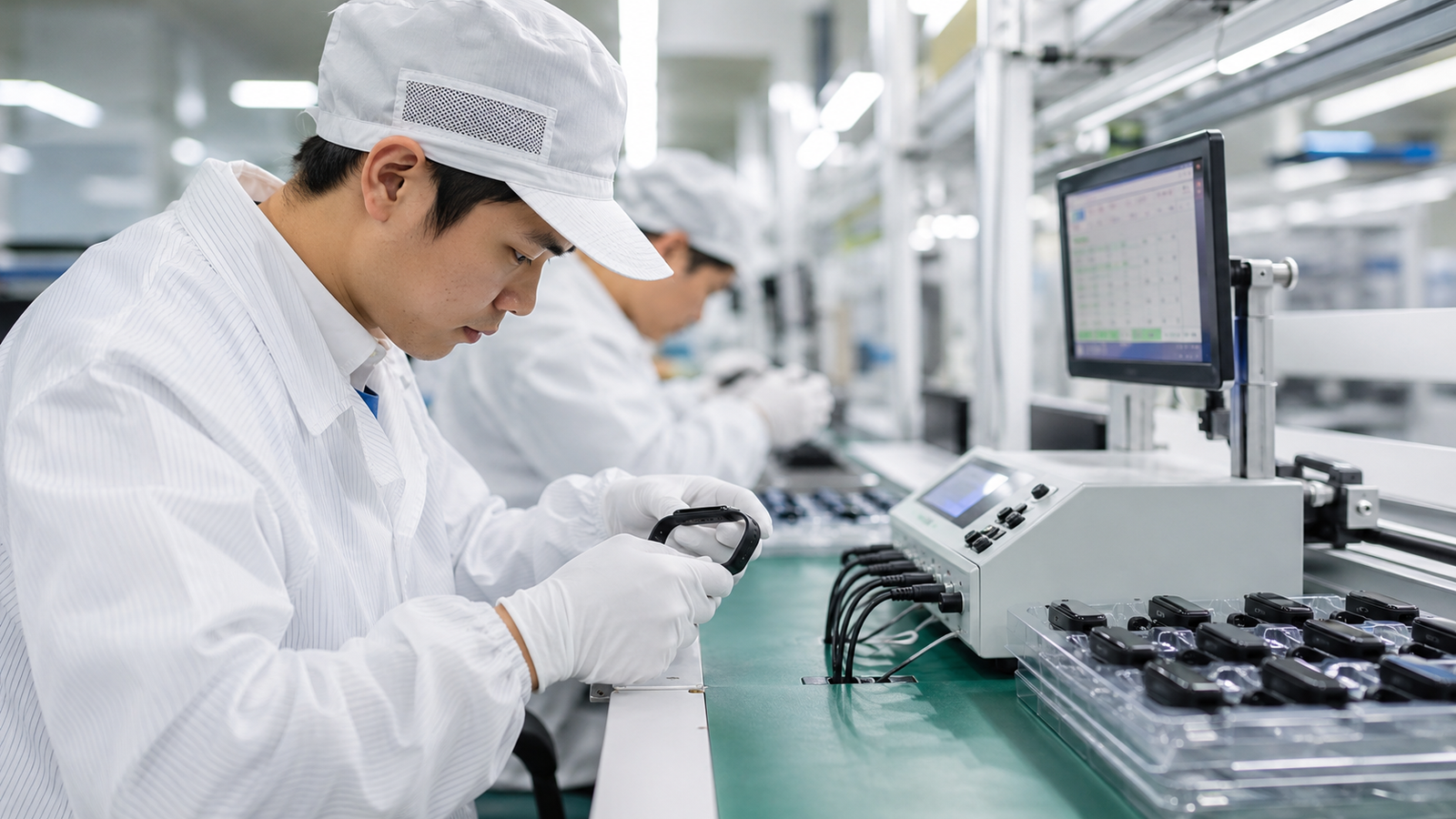
AI Translators for Education Technology Companies: 7 Steps to Supplier Selection in Southeast Asia
AI Translators for Education Technology Companies: 7 Supplier Selection Steps for Southeast Asia
To select an AI Translator supplier for Southeast Asia, education technology companies should compare devices on four real-time engines (cloud plus offline), MOQ and pilot pricing, firmware and app customization, and market-ready certification. A structured seven-check process lets you confirm sample performance in your own bilingual classrooms before committing to volume, because even the best datasheet cannot prove that a device handles Vietnamese, Thai, Bahasa Indonesia, and accented English in a crowded room.
Table of Contents
Table of Contents
Table of Contents
- Short Answer: How Education Tech Companies Should Choose AI Translators
- Key Takeaways
- Key Facts for Buyers
- Why AI Translators Are Becoming Classroom Infrastructure in Southeast Asia
- Step 1 – Define Deployment Scenarios Before Contacting Suppliers
- Step 2 – Compare Translation Engines and Language Coverage
- Step 3 – MOQ, Pricing Tiers, and Pilot Program Structures
- Step 4 – OEM/ODM Customization: Firmware, App, Branding, Packaging
- Step 5 – Testing, QA, and Acceptance Criteria
- Step 6 – Certifications and Import Compliance in Southeast Asia
- Step 7 – Vendor Scorecard and Sample Evaluation
- Red Flags and Common Mistakes in AI Translator Sourcing
- Practical Buyer Checklist
- FAQ
- Conclusion
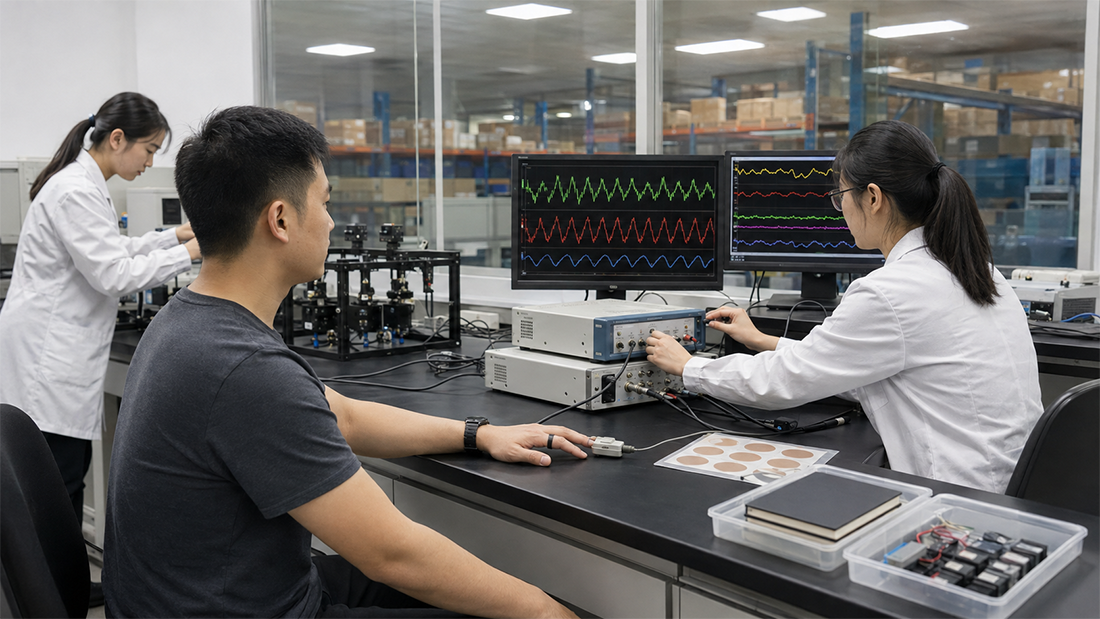
Short Answer: How Education Tech Companies Should Choose AI Translators
Choose an AI Translator by scoring suppliers on seven criteria: scenario fit, translation engine and language coverage, MOQ and pilot structure, OEM/ODM depth, testing and QA, certification and logistics readiness, and a sample-based vendor scorecard. Run classroom-scale samples for two to four weeks, verify firmware update paths and app SDKs, and confirm which certifications may be required for each destination country before comparing final landed cost. The lowest unit price rarely wins once failure rates, RMA handling, and language accuracy are included.
Key Takeaways
- Translation quality is the decision variable that matters most to Southeast Asian edtech buyers. Even small error rates on high-frequency school phrases can trigger school complaints and refusals, so always test with local teachers and accent coverage.
- MOQ should support a pilot (for example 50–200 units) before mass production. Pilot results determine the volume forecast, not the other way around.
- Firmware update mechanisms and app SDK availability are the two most neglected specs in AI translator RFQs.
- Certification depends on product configuration, destination market, and radio/battery characteristics; buyers should verify requirements for Indonesia, Vietnam, Thailand, Malaysia, the Philippines, and Singapore individually.
- Battery-powered devices with lithium cells usually require UN38.3 test summaries and air-shipping documentation.
- A vendor scorecard combining accuracy, support responsiveness, and documentation quality outperforms single-dimension price comparisons.

Key Facts for Buyers

| Item | Details |
|---|---|
| Focus Keyword | AI Translators |
| Target Buyer | Education technology companies |
| Target Market | Southeast Asia |
| Buyer Journey Stage | Supplier selection |
| Search Intent | Sourcing / Procurement |
| Minimum Order Quantity (MOQ) | Varies by configuration; pilot orders are typically available depending on customization [STAR KING TO CONFIRM default MOQ] |
| Lead time | Sample 7–15 days for stock configurations; production 20–40 days after deposit and approval, depending on quantity and customization [STAR KING TO CONFIRM] |
| Typical certifications to verify | CE, FCC, RoHS, UN38.3, MSDS — qualification depends on SKU, radio module, and destination country |
| Battery shipping | Lithium-ion cells typically require UN38.3 test summary and air transport documentation |
| Customization options | Logo, packaging, UI language, app skin, firmware behavior |
| Sample evaluation window | 2–4 weeks of classroom pilot testing recommended |
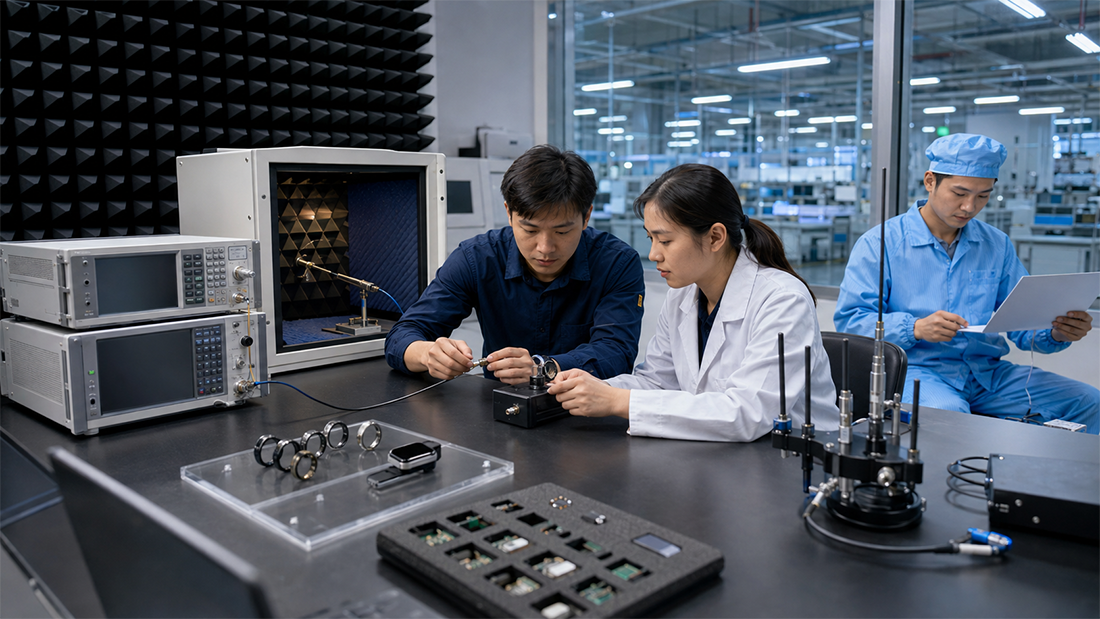
Why AI Translators Are Becoming Classroom Infrastructure in Southeast Asia
Education technology companies across Indonesia, Vietnam, Thailand, Malaysia, the Philippines, Singapore, and Myanmar are adding voice translation hardware to language labs, bilingual classrooms, and international school programs. Three forces drive the shift: growing bilingual curricula, teacher shortages in foreign-language subjects, and device policies that favor dedicated hardware over student phones during instruction.
Public statistics reinforce the demand. UNESCO estimates that hundreds of millions of learners study in multilingual systems, and UNESCO Institute for Statistics data shows steep growth in second-language enrollment across Southeast Asia. At the same time, Southeast Asian governments operate different device approval regimes, which means a single SKU cannot be certified once and shipped everywhere without review.
For procurement teams, that gap creates risk. AI Translators that work in a quiet demo room may struggle in a noisy classroom. Devices that pass supplier QA may still fail a school board’s data-protection review. Supplier selection therefore becomes a risk-management exercise, not just a price negotiation.
Step 1 – Define Deployment Scenarios Before Contacting Suppliers
Before requesting quotes, write a short internal specification. It should name the education use cases, the dominant languages, and the physical conditions. This single document will cut weeks from the RFQ cycle because suppliers can quote accurately instead of guessing.
Common education scenarios and technical implications
| Deployment scenario | Languages to prioritize | Technical implication |
|---|---|---|
| Language lab / foreign language classroom | English + local language | Low-latency sentence mode; clear audio pickup |
| Bilingual K-12 classroom | Local language + English + Mandarin for some schools | Offline fallback when Wi-Fi is unstable |
| University lecture support | English + Bahasa Indonesia, Vietnamese, Thai | Long-form transcription; battery life ≥ 5 hours |
| Parent–teacher conferences | Local language pairs | Two-way conversation mode; simple UI |
| Special education support | Local language + English | Slower speech, repeat, and phrasebook modes |
| Teacher training and workshops | Multiple ASEAN languages | Group capture; noise suppression |
Once scenarios are documented, list pass/fail criteria for each. For example, “the device must translate 10 common classroom phrases correctly, with 3 tries each, at 2 meters in a room with HVAC noise.” That definition makes sample evaluation objective and protects the procurement team later.
Step 2 – Compare Translation Engines and Language Coverage
AI Translators differ less in hardware than in the translation stack behind them. Most suppliers combine a cloud engine, an offline engine, or both. Buyers should evaluate which engine handles which language, where processing occurs, and what happens when connectivity drops.
On-device vs. cloud translation checklist
- Latency: cloud round trips can feel slow in classrooms with weak Wi-Fi.
- Coverage: confirm which Southeast Asian languages are supported offline, not just online.
- Fallback: ask exactly what the device does when cloud access fails — degrade to offline model, or stop translating.
- Accent handling: Mandarin, English, Bahasa, and Filipino accents vary; test with local speakers.
- Data handling: where audio and text are processed matters for school privacy reviews.
- Update path: how new language packs or model versions reach devices in the field.
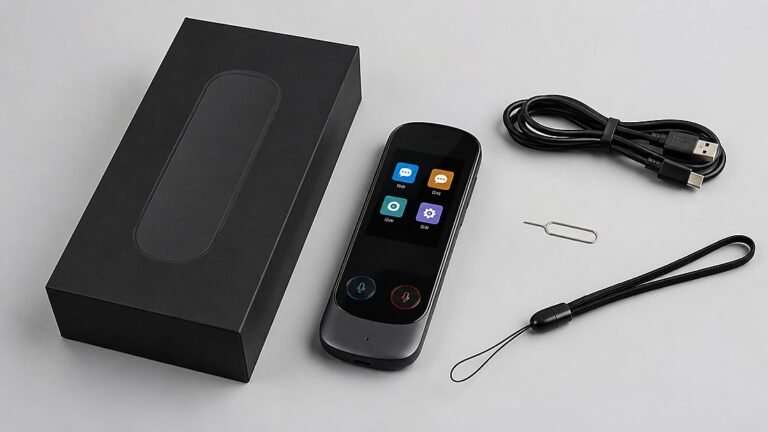
STAR KING’s AI Translators are typically specified with both cloud and offline engine options so buyers can tune the configuration to the school connectivity environment. Engine choice and language coverage are usually the first items to confirm in writing during RFQ, because they influence both bill-of-materials cost and end-user experience.
For classroom deployments, request a language matrix: rows for each source language, columns for target languages, and cells showing cloud, offline, or unsupported. Treat this matrix as a contract appendix. It becomes the reference document if schools later report missing languages.
Step 3 – MOQ, Pricing Tiers, and Pilot Program Structures
MOQ is usually the first number international buyers ask about, but the more useful question is which MOQ unlocks which price tier — and whether a small pilot order is possible before mass production. Edtech procurement teams rarely have the authority to buy thousands of units on day one, and reputable hardware suppliers understand that pilots are part of the buyer’s internal approval process.
How MOQ typically maps to pricing and customization
| Tier | Typical unit range | What is usually included |
|---|---|---|
| Sample | 1–5 units | Standard configuration; existing logo and packaging |
| Pilot | 50–200 units | Limited branding; pre-loaded language set |
| Growth | 200–1,000 units | Logo and packaging customization; firmware tweaks |
| Volume | 1,000+ units | Deeper customization; better unit price; tooling investment starts to amortize |
In practice, buyers should ask three questions in the first call: what is the pilot MOQ, how long does pilot production take, and what changes once volume crosses 1,000 units. Answers reveal how flexible the supplier is and how much upfront investment the buyer must plan for. Pricing assumptions should be documented as [STAR KING TO CONFIRM] until formal quotes are issued, since battery configuration, radio module, and translation engine selections all move the unit cost.
For a deeper look at how project scope affects quotation, the STAR KING Private Label OEM/ODM solution page explains the standard project flow from sample to mass production.
Step 4 – OEM/ODM Customization: Firmware, App, Branding, Packaging
Edtech buyers almost always want some level of customization, but the request is often vague. Break it into four layers, since each one has different cost and lead-time impact.
- Hardware layer: enclosure, colors, screen size, buttons. Custom enclosure tooling is usually the largest one-time cost, and it may only be economical above a minimum order volume (for example, 500 units [STAR KING TO CONFIRM custom enclosure MOQ]).
- Firmware layer: boot logo, default language set, UI strings, auto-start behavior after power-on. Firmware customization usually requires a version-control process and a re-flash step in production.
- App layer: companion app skin, account/SSO integration, classroom management features, export tools for teachers. App customization may be limited by the supplier’s app architecture; confirm whether an SDK or API is available [STAR KING TO CONFIRM].
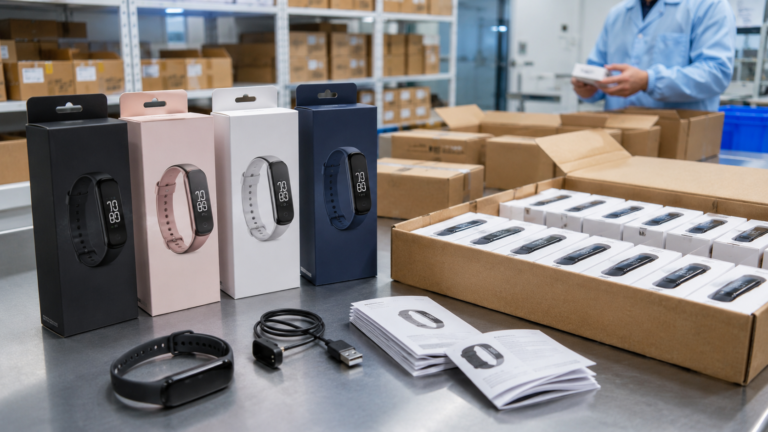
- Branding and packaging layer: logo printing, retail box artwork, manuals, inserts. This is often the most cost-effective layer for a first order because it does not touch the core product.
When applicable, brand-side app integration for the wider wearables portfolio is documented on the Remote Health Wearables page for teams building multi-device ecosystems.
A common mistake is to request OEM and ODM simultaneously. OEM means the buyer brings the design and the supplier manufactures it. ODM means the supplier brings an existing design and the buyer customizes it. For most edtech companies at the pilot stage, ODM is faster and cheaper; OEM is justified when the buyer already owns industrial design assets and wants to control the full tooling.
Mid-article note: If you are already shortlisting suppliers and want to compare AI translator configurations side by side, STAR KING can share a specification comparison sheet and a sample plan tailored to your classroom scenarios — see the AI Translators page for starting points.
Step 5 – Testing, QA, and Acceptance Criteria
Supplier QA processes should be documented before samples ship, not after problems appear. For AI translators, the useful QA questions go beyond generic hardware checks.
What to ask in the QA review
- Which reliability tests have already been performed on this SKU? Ask for test summaries, not verbal descriptions.
- Is there an aging test on the production line, and how long does each unit run before packing?
- How are microphone and speaker performance verified? Is there a defined acoustic test?
- Are firmware versions checked and locked before shipment, or could batches ship with different builds?
- How are returned units handled in the field — refurbish, replace, or credit?
- What is the documented failure rate in the last 12 months, and what is the definition of a failure?
Testing expectations should be tied to the deployed environment. A school in Ho Chi Minh City may operate in high humidity, while a Bangkok classroom may have sustained high temperatures. If the supplier’s standard test set does not reflect those conditions, ask for a project-specific test plan and document it as an acceptance criterion.
Where multi-device deployments are expected, sensor and battery behavior should also be reviewed. STAR KING’s Smart Rings product line follows comparable reliability practices and can be evaluated in parallel for companion programs. Buyers should note that consumer wellness monitoring on such devices is not a medical diagnostic function, and any claims made in marketing or manuals must be reviewed accordingly.
Step 6 – Certifications and Import Compliance in Southeast Asia
Certification is where many education procurement plans slow down, because requirements differ country by country and often depend on which radios and batteries are inside the device. No supplier can honestly claim that a single SKU is certified everywhere; the correct question is which approvals exist for which configuration and which market.
Certification categories relevant to AI Translators
- EMC and radio: CE (EMC Directive 2014/30/EU, RED 2014/53/EU where applicable), FCC Part 15 for the United States, and national equivalents in some ASEAN markets.
- Substance compliance: RoHS 2011/65/EU and REACH where applicable in the European Union.
- Battery: UN38.3 test summary for lithium cells, plus MSDS for transport. IATA dangerous goods rules govern air shipments of lithium batteries.
- Country-specific: import registration, radio frequency approval, and sometimes local testing requirements may apply in Indonesia, Vietnam, Thailand, Malaysia, the Philippines, and Singapore. Buyers should verify current requirements with a local importer or compliance consultant.
For EU-bound shipments, the official starting points are the EU EMC Directive (2014/30/EU) on EUR-Lex and the FCC radio frequency device certification page for US-bound devices. Battery transport rules are published by IATA.
Practical guidance: request a compliance matrix from each shortlisted supplier, with one row per SKU and one column per destination market. Cells should say “certificate available,” “test report available,” or “not yet tested.” Treat empty cells as work to be done before purchase orders are issued, not as supplier failures. Country-specific requirements may change, so budget for periodic re-verification.
Step 7 – Vendor Scorecard and Sample Evaluation
After samples arrive, run a formal two-to-four-week evaluation. Score suppliers on the criteria below and share the completed scorecard with internal stakeholders so the decision is documented.
Weighted vendor selection scorecard
| Criterion | Weight | What to measure |
|---|---|---|
| Translation accuracy in classroom scenario | 25% | Phrase tests, accent coverage, noise tolerance |
| Firmware and app customization fit | 15% | Availability of language sets, update mechanism, SDK |
| MOQ and pilot flexibility | 15% | Pilot size, sample lead time, price at 200 and 1,000 units |
| Testing and QA documentation | 15% | Test summaries, aging, acoustic tests, failure definition |
| Certification and compliance readiness | 10% | Compliance matrix by destination market |
| Lead time and logistics | 10% | Production window, shipping method, packaging durability |
| Post-sale support and spare parts | 10% | RMA process, spare units, firmware support commitment |
For each criterion, require evidence. For example, “translation accuracy” should be supported by a test log with the exact phrases and the exact result. “Lead time” should be supported by a written production schedule, not an estimate given verbally.
Red Flags and Common Mistakes in AI Translator Sourcing
Certain patterns recur in edtech hardware sourcing pilots and deserve explicit attention.
- Only demo-mode testing: A quiet meeting room sample does not predict classroom performance. Always test in real conditions.
- Undefined offline fallback: If the supplier cannot say what happens when cloud access fails, the classroom will find out for you.
- Certification overclaiming: If a supplier claims blanket “CE and FCC certified” status for all SKUs without configuration-specific evidence, request the actual test reports.
- Missing firmware update path: Devices that cannot receive updated language packs and bug fixes age fast in schools.
- Unclear IP ownership: For OEM projects, confirm who owns tooling, industrial design, and firmware modifications.
- Vague MOQ promises: “We can do any quantity” often becomes a delay when the production order is actually placed.
- No defined acceptance criteria: Without written pass/fail criteria, sample approval becomes subjective.
- Battery documentation gaps: Missing UN38.3 test summaries can delay air shipments at the freight stage.
Practical Buyer Checklist

- Document 3–6 classroom scenarios with languages and noise conditions.
- Request a language support matrix (cloud, offline, unsupported) for each SKU.
- Confirm pilot MOQ, pilot lead time, and the price at 200 and 1,000 units.
- Decide OEM vs. ODM before requesting customization quotes.
- Require a packaging and manuals artwork proof before production.
- Request QA test summaries for the exact SKU under consideration.
- Obtain compliance evidence for each destination market, not just “available on request.”
- Verify UN38.3 test summaries and MSDS where lithium batteries are shipping by air.
- Define RMA process, spare-unit policy, and firmware support duration in writing.
- Score at least two suppliers using the seven-criterion scorecard above.
FAQ
What MOQ should an edtech company expect for AI Translators?
MOQ varies by configuration and branding level. Standard configurations often support low pilot volumes, while custom enclosures and deep firmware changes typically increase the minimum. Confirm the exact pilot and volume tiers with each supplier before internal budget approval [STAR KING TO CONFIRM].
Which Southeast Asian languages are the most difficult to support on AI Translators?
Thai, Vietnamese, and Bahasa Indonesia are the languages buyers most often report as variable, particularly in offline mode. Request a language matrix and test the specific phrasing used in your classrooms — school announcements, instructions, and questions — rather than relying on general demo phrases.
Do AI Translators need CE, FCC, or other certifications for Southeast Asia?
Certification requirements depend on the device’s radios and battery plus the destination country’s rules. Some markets require local registration or testing in addition to international certificates, and requirements may change over time, so buyers should verify with a local importer or compliance specialist.
Can we brand AI Translators with our company logo and app?
Yes, in most cases. Logo printing and packaging artwork typically have low MOQ impact, while deeper app or firmware customization usually requires more units. Confirm what is included at your target volume and whether an app SDK is available.
How should sample units be evaluated before a pilot order?
Run the sample in at least two classroom scenarios for two to four weeks. Track phrase accuracy, noise performance, battery life, and firmware stability, and compare results against your written pass/fail criteria. Use the same device build in every test to keep the comparison fair.
What should be included in a supplier’s quality documentation package?
At minimum: test summaries for the exact SKU, aging and functional test procedures, calibration records for acoustic components, firmware version control, and a defined failure rate with a written definition of failure. Ask for this package before issuing a pilot purchase order.
How long should production lead time be for a customized order?
Standard configurations often ship in a few weeks, while customized firmware or packaging can add time depending on approval cycles. Ask for a written production schedule with milestone dates after design freeze and deposit [STAR KING TO CONFIRM].
Conclusion
Supplier selection for AI Translators in Southeast Asia is a disciplined process, not a price auction. Start by documenting your classroom scenarios and language needs, then compare suppliers on engine coverage, MOQ flexibility, firmware and app capability, testing, and compliance. Use a two-to-four-week sample evaluation to verify claims, and keep a scored vendor matrix so internal stakeholders can see why one supplier was chosen over another. Buyers who invest in this process reduce their risk of pilots that fail after deployment, when correction is expensive.
STAR KING works with education technology companies that need OEM, ODM, and Private Label support for AI hardware, including AI Translators, alongside a broader portfolio that includes AI Smart Glasses when classroom capture is required. For broader sourcing context across categories, the STAR KING Resources blog publishes additional buyer guides.
STAR KING CTA
Ready to shortlist AI Translators for a Southeast Asia education program? Send us your classroom scenarios and language requirements at our contact sales page, and we can respond with sample options, configuration comparisons, and a pilot plan. You will receive a response that addresses MOQ, customization scope, and certification requirements for your destination markets.
Discuss Your Smart Wearable OEM/ODM Project
Planning a smart ring, smart watch, smart band, AI glasses, AI translator, or AI voice mouse project? Contact STAR KING to discuss product positioning, sample testing, customization scope, certification requirements, lead time, and quotation details.

Team Star King

Scan WhatsApp QR code