
AI smart glasses sourcing: 7 Critical Steps for UK Startup Brands Sourcing AI Smart Glasses From a Manufacturer
October 8, 2026 · Team Star King
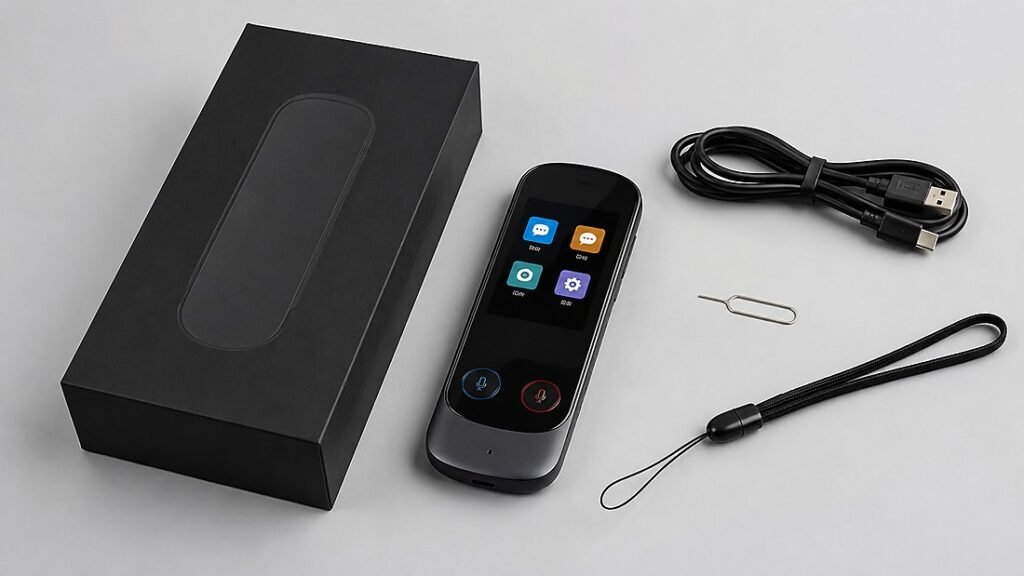
7 Critical Steps for UK Startup Brands Sourcing AI Smart Glasses From a Manufacturer
AI smart glasses sourcing is the process of selecting a manufacturer, confirming specifications, validating samples, and locking commercial terms before mass production. For UK startup brands, the practical answer is a seven-step evaluation path: define the use case, screen suppliers, verify compliance, order paid samples, run a pilot batch, and only then negotiate tooling, MOQ, and lead times. This guide explains each step with the checks UK buyers should run in 2026.
Table of Contents
Table of Contents
Unlike a consumer review, this article treats the smart glasses category as a supply chain problem. You will see how MOQ affects unit cost, why UKCA and CE matter at the border, how to test real-time translation and battery claims, and what a red flag looks like before you wire a deposit.
Short Answer
UK startup brands evaluating AI smart glasses should prioritise three things: a documented compliance pathway for CE/UKCA, a paid sample that proves translation accuracy and battery runtime, and an OEM/ODM partner that is transparent about MOQ, tooling ownership, and lead times. Skip any supplier that refuses to name these terms in writing.
Table of Contents
- What Are AI Smart Glasses and Why UK Startups Are Buying Them
- Step 1 — Define the Use Case Before Searching
- Step 2 — Screen AI Smart Glasses Manufacturers
- Step 3 — Verify Compliance for the UK Market
- Step 4 — Order Paid Samples and Test Them
- Step 5 — Understand MOQ and Cost Drivers
- Step 6 — Run a Pilot Batch and Quality Check
- Step 7 — Lock Lead Times, Logistics, and After-Sales
- AI Smart Glasses Sourcing Comparison Table
- Common Mistakes and Buyer Red Flags
- Practical Buyer Checklist
- FAQ
- Conclusion
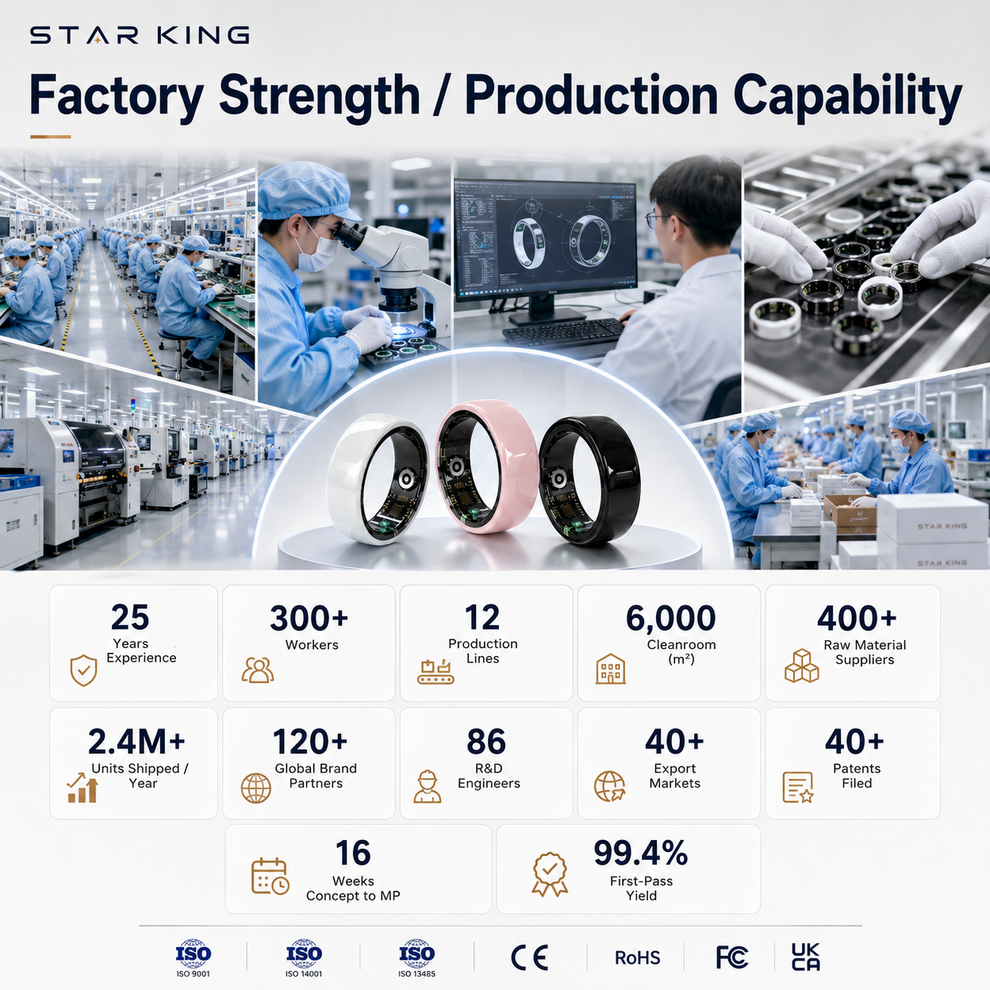
Key Takeaways
- UK startup buyers should treat AI smart glasses sourcing as a compliance-first process, not a price-first process.
- Paid sample validation is the cheapest risk-reduction step available to you.
- MOQ is negotiable, but tooling, firmware, and app customisation usually drive the real cost.
- Certification depends on the specific model, radio configuration, and target market — always verify per SKU.
- A pilot batch of 50–200 units typically reveals quality issues that a single golden sample hides.
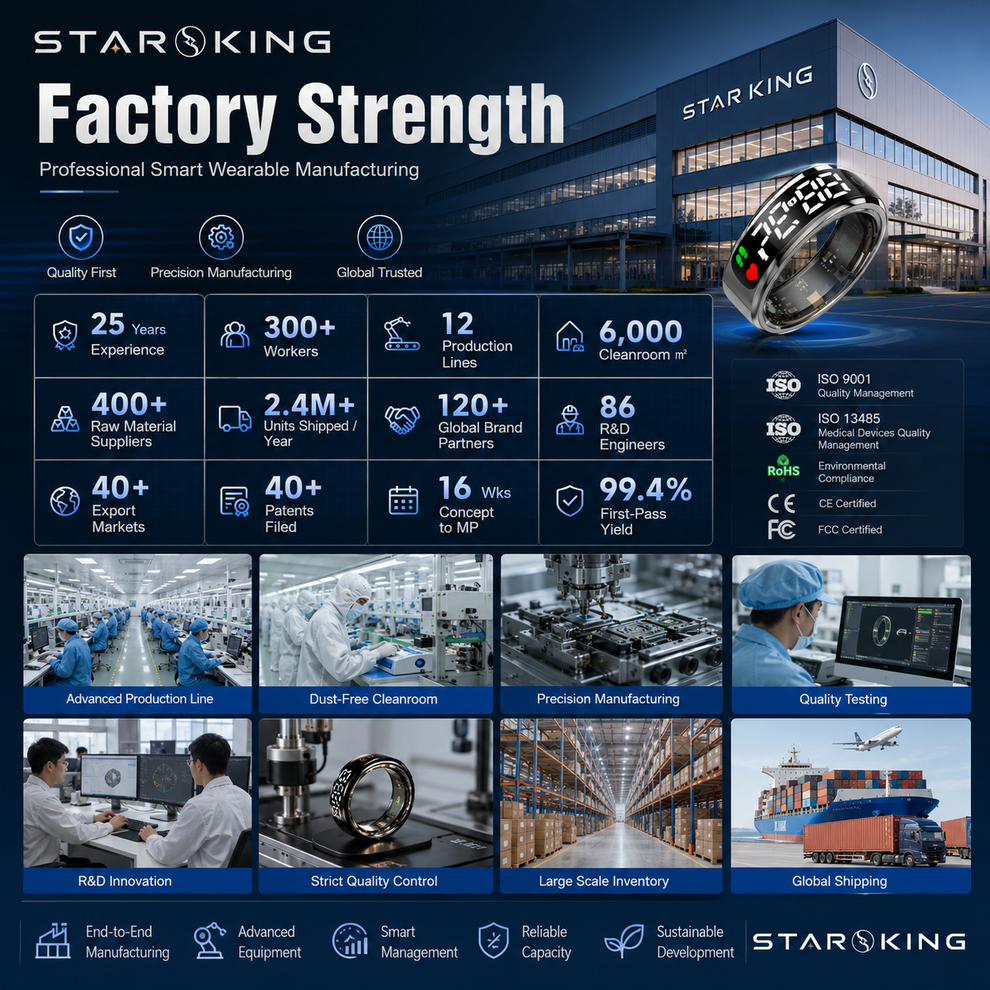
Key Facts for Buyers
| Item | Typical UK Startup Scenario | What to Verify |
|---|---|---|
| MOQ (Private Label) | Usually 500–1,000 units depending on tooling | Written MOQ per SKU, per colour |
| Sample Lead Time | Often 7–20 working days | Whether sample is from stock or custom-built |
| Compliance | CE + UKCA for UK sale; FCC if US too | Test reports per model, not per brand |
| Battery Shipping | UN38.3 + MSDS for lithium cells | Air vs sea documentation |
| Customisation | Logo on temple/arm, packaging, firmware strings | Which is free vs paid tooling |
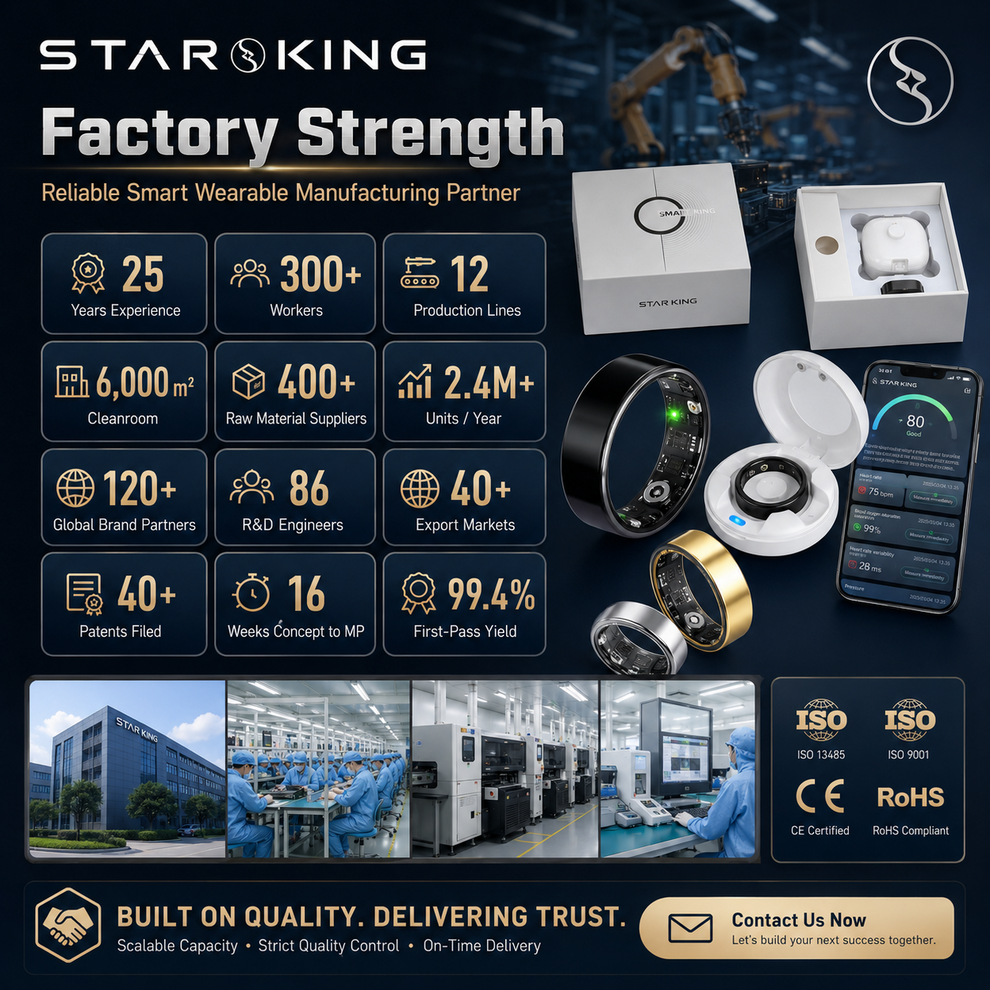
What Are AI Smart Glasses and Why UK Startups Are Buying Them
AI smart glasses are eyewear that combines an optical frame with a voice assistant, on-board AI processing or cloud AI, cameras, microphones, and speakers for tasks like real-time translation, hands-free note-taking, and audio playback. From a sourcing standpoint, they sit in the same hardware class as AI translators and AI wearable companions — Bluetooth-connected, lithium-powered, and subject to radio and battery regulation.
UK startup brands enter this category for three reasons: emerging consumer interest, an enthusiast audience that tolerates early-gen hardware, and an OEM ecosystem (largely in China) that lowers the barrier to a private label launch. The barrier is no longer the idea — it is procurement discipline.
How Buyers Should Evaluate the Category
Every AI smart glasses programme should be judged on six dimensions: translation and assistant accuracy, battery runtime in real use, sensor and audio quality, comfort and optical fit, compliance readiness, and commercial terms (MOQ, tooling, lead time, warranty). Weak performance in any single dimension usually becomes a return-rate problem after launch, not a launch problem.

Step 1 — Define the Use Case Before Searching
Vague briefs produce vague quotes. Before you contact an AI smart glasses manufacturer, write a one-page specification covering: primary use case (travel translation, corporate productivity, accessibility, retail demo), microphone/audio requirement, whether camera recording is needed, style preference (sunglass, optical, sport), and target retail price band.
This single document changes supplier conversations. It lets you ask for the closest existing model rather than describing a new one, which converts a quoted OEM/ODM project into a faster private label configuration.
Step 2 — Screen AI Smart Glasses Manufacturers
Supplier evaluation should focus on four proof points: whether they make the hardware themselves or resell, whether they can show product test reports, whether they support OEM/ODM and private label, and whether they have a documented MOQ and lead time per configuration.
Documentation to Request in the First Email
- Company profile and manufacturing role (factory vs trading company vs integrator).
- Existing AI glasses models in catalogue with English specification sheets.
- Compliance summary per model (see Step 3).
- Private label capability: logo, packaging, firmware strings, app branding.
- Reference MOQ and sample lead time for a private label run.
A supplier that answers these five points clearly in writing is usually a supplier worth sampling. One that deflects or answers only one is a red flag.
For buyers also considering companion wearables or a broader product line, review the Private Label OEM/ODM solution to see how customisation is structured across categories.
Step 3 — Verify Compliance for the UK Market
UK-market compliance is not a single certificate. For AI smart glasses it typically involves a combination of product safety, electromagnetic compatibility, radio equipment, and chemical restrictions. The exact requirements depend on whether the device transmits over Wi-Fi, Bluetooth, or cellular, whether it contains a camera, and whether it is sold as a general consumer device or a regulated product.
For UK placement, the applicable framework is UKCA marking for many electrical and radio product categories; buyers may also see dual marking with CE where the manufacturer serves both UK and EU markets. Radio equipment requirements are covered under the UK Radio Equipment Regulations, and EU equivalents sit under RED. The EU RoHS Directive restricts hazardous substances in electronics, and the UK has an equivalent regime.
Authoritative starting points UK buyers should read directly:
- GOV.UK — Using the UKCA marking
- EUR-Lex — Restriction of Hazardous Substances (RoHS)
- ISO — Battery safety standards overview
Lithium battery products add a shipping dimension: air freight typically requires UN38.3 test summaries and, depending on the carrier and modality, an MSDS. Carriers and freight forwarders should be asked for their current document list rather than relying on assumptions.
Certification requirements vary by model and market. Verify test reports per model with your supplier and, if needed, with your importer or a UK test house before committing to a production order. Do not accept a certificate that names a different model than the one you are buying.
Step 4 — Order Paid Samples and Test Them
Paid samples are the least expensive way to reduce launch risk. Budget for at least two units — one to test, one to keep as a reference gold standard against which you check the eventual production batch.
How to Test AI Smart Glasses Samples
- Translation: run 20–30 phrases in your actual target language pairs; note latency and error rate.
- Battery: measure runtime under realistic usage (audio playback, active translation, connected standby).
- Audio: field-test in a quiet room and a busy street.
- Fit: wear for at least two hours; note temple pressure and nose bridge fatigue.
- App and firmware: install, pair, update, and unpair — record any crash or pairing loop.
- Build: check hinge feel, lens mounting, and IP rating claims.
If you also sell connected wearables such as smart rings, apply the same sample validation discipline. The method transfers across categories.
If your team needs a sample-first conversation before committing to a project, use the sample request channel to confirm what can be configured in a first article.
Step 5 — Understand MOQ and Cost Drivers
AI smart glasses MOQ is rarely a single number. It is a combination of the base model, the colourway, the packaging, and how much of the software stack you want customised. Buyers should ask for a cost breakdown rather than a single FOB price.
Main Cost and MOQ Drivers
- Tooling: a full new frame or a variant of an existing frame.
- Electronics: SoC choice, camera module, microphone array, and battery capacity.
- Firmware and app: white-label app vs partially customised app.
- Packaging: printed retail box, inserts, manuals, and regulatory labels.
- Certification: which target markets you intend to sell into — each region may add testing cost.
A pragmatic startup path is to start with an existing platform and private label configuration, then move to a fully custom frame in a second generation once demand is proven.
Soft CTA: If you already have a shortlist of models, share your target retail price and use case — we can help you map which configurations are realistically achievable at your startup-stage volumes.
Step 6 — Run a Pilot Batch and Quality Check
Before committing to a full production run, place a pilot order. Depending on your supplier, this may be 50–200 units, or it may need to match the stated MOQ. Either way, run a documented inspection against the approved sample.
Pilot Batch Inspection Points
- Consistency of hinge tension and frame finish across all units.
- Paired app behaviour on a fresh phone (no prior pairing history).
- Audio and translation performance on a random sample of at least 10 units.
- Serial number traceability and correct regulatory labelling on each retail box.
- Packaging integrity and label accuracy (UK importer details, warning text).
A pre-shipment inspection, whether by the supplier or a third party, is standard for European buyers and is worth budgeting for at this stage.
Step 7 — Lock Lead Times, Logistics, and After-Sales
Production lead time for AI smart glasses typically depends on whether the configuration exists or requires tooling. Custom tooling generally adds weeks before mass production begins. Confirm the following in writing before you place a deposit:
- Sample lead time and production lead time, quoted separately.
- Shipping method and the exact battery documentation the forwarder will accept.
- Incoterms (FOB, EXW, DDP) and who bears duty in the UK.
- Warranty period, RMA process, and whether spare parts are available.
- Who owns the tooling and whether it can be transferred.
After-sales terms are often the most negotiated part of a startup procurement. Ask for a written warranty window and a returns policy you can pass on to your UK customers.
AI Smart Glasses Sourcing Comparison Table
| Decision | Existing Platform + Private Label | Fully Custom ODM |
|---|---|---|
| MOQ | Lower, negotiable | Higher |
| Tooling cost | None or minimal | Significant |
| Time to first batch | Shorter | Longer |
| Brand differentiation | Moderate | High |
| Compliance effort | Reuses existing reports | New reports per model |
| Best for | Validation-stage startups | Funded scale-ups |
Common Mistakes and Buyer Red Flags
Common Mistakes
- Comparing FOB prices without comparing included scope (packaging, app, certification).
- Approving a sample based on a video rather than a physical unit.
- Assuming a certificate covers all SKUs and all markets.
- Leaving battery shipping documentation until the week of dispatch.
- Not writing down who owns the tooling.
Buyer Red Flags
- Supplier cannot name the specific test standard or report that backs a compliance claim.
- MOQ quoted verbally and changed when you ask for a written order form.
- Refusal to run a paid sample before a deposit.
- No clear answer on app customisation scope.
- Lead time quoted with no buffer and no explanation of dependencies.
Practical Buyer Checklist
- ☐ Written specification including use case and price band.
- ☐ Supplier profile, role, and factory vs trading status confirmed.
- ☐ Per-model compliance summary received and reviewed.
- ☐ Paid samples received and tested against a scoring sheet.
- ☐ MOQ, tooling, and customisation costs itemised in a quote.
- ☐ Pilot batch ordered and inspection criteria agreed.
- ☐ Lead time, Incoterms, warranty, and tooling ownership in writing.
Buyers can also review STAR KING AI Smart Glasses OEM/ODM options to compare product positioning, customization scope, and sample planning.
FAQ
1. What is the typical MOQ for private label AI smart glasses?
It varies with configuration. Existing platforms with light customisation can support lower MOQs than a new frame, which requires tooling. Ask for MOQ per colour and per packaging version, not a single blanket number.
2. Do AI smart glasses need UKCA marking to sell in the UK?
Most electrical and radio products sold in the UK fall under UKCA marking requirements, with some categories also requiring CE for EU sales. Buyers should verify per model with the manufacturer and a UK test house, because requirements depend on the radio, battery, and camera configuration.
3. How long does sampling take?
Stock-based samples often ship within days; customised samples typically take longer because firmware, logo, or packaging changes are involved. Confirm sample lead time separately from production lead time.
4. Can I customise the app and firmware?
Many suppliers offer white-label apps and limited firmware string changes. Deeper customisation — new UI flows, additional languages, or proprietary features — usually moves the project into ODM scope with different cost and timeline expectations.
5. What battery documentation do I need to ship to the UK?
Lithium-powered devices typically require UN38.3 test summaries, and carriers often request an MSDS. Confirm the exact document list with your forwarder before dispatch, as airline and courier policies change.
6. Is a pilot batch worth it if it delays launch?
In most startup programmes, yes. A pilot reveals build consistency and app stability problems that a single sample hides, and those issues are cheaper to fix before a full run than after a UK launch.
7. What should I compare when choosing between two suppliers?
Compare on scope and clarity first: compliance evidence, MOQ transparency, sample policy, tooling ownership, and after-sales terms. Price should be compared last, once scope is equal.
For companies also building AI office or voice-first products, the AI Office Productivity solution shows how related devices can be bundled into a single procurement conversation.
Conclusion
AI smart glasses sourcing is a procurement process, not a product selection. UK startup brands that define the use case, verify compliance per model, test paid samples, and lock MOQ, tooling, and lead time in writing will spend less time firefighting after launch. The suppliers worth signing with are the ones that answer these questions before you ask twice.
STAR KING CTA
If you are evaluating AI smart glasses for a UK launch, STAR KING can support private label and OEM/ODM discussions including configuration, packaging, firmware scope, and compliance documentation. Request samples and a written quote to compare configurations against your target retail price.
Discuss Your Smart Wearable OEM/ODM Project
Planning a smart ring, smart watch, smart band, AI glasses, AI translator, or AI voice mouse project? Contact STAR KING to discuss product positioning, sample testing, customization scope, certification requirements, lead time, and quotation details.

Team Star King

Scan WhatsApp QR code
Leave a Reply